What the game is
Diner Dash is a time-management game where players direct Flo to complete restaurant service tasks under increasing time and mood constraints.
How it actually plays
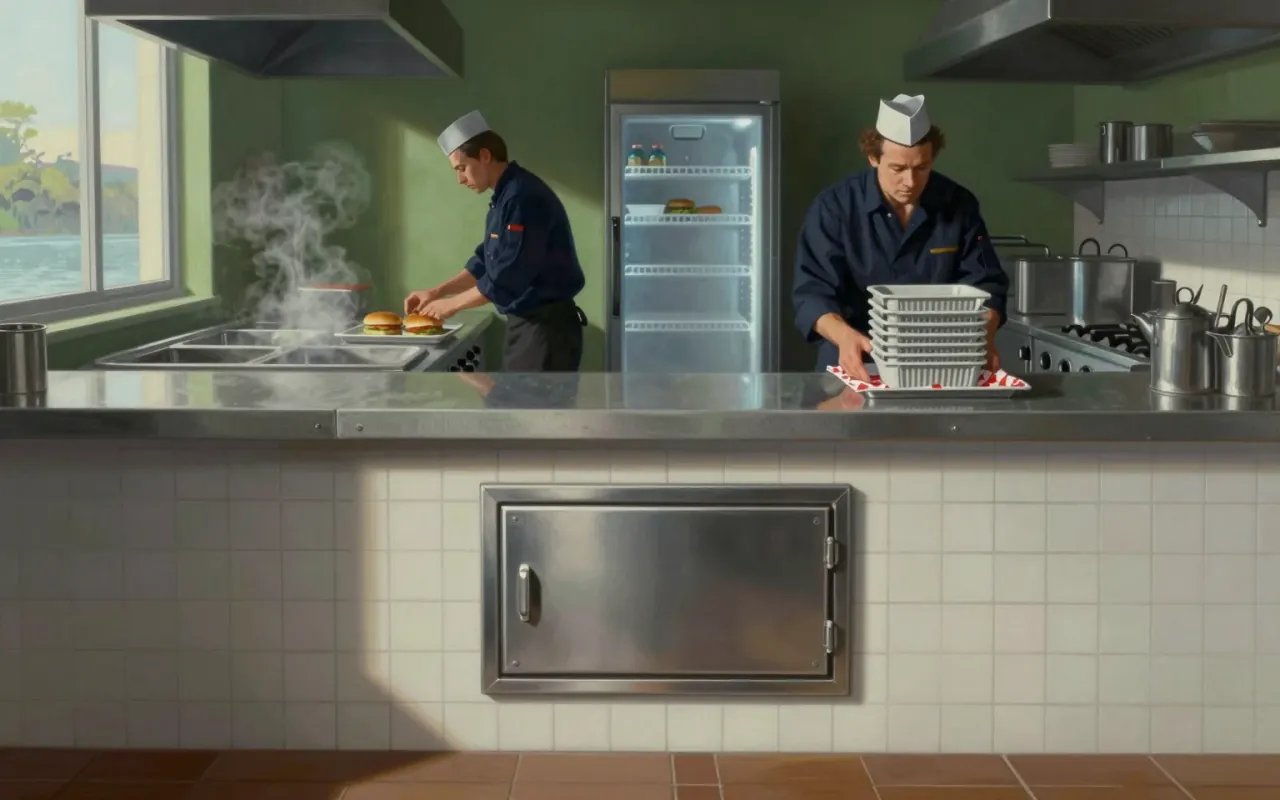
Players drag and drop arriving customers onto tables. Flo is moved around the restaurant to seat them, take orders, deliver food after the chef prepares it, give checks, and clear dishes. Each action must be timed to prevent customers from becoming unhappy. Earning enough money per level advances the player; losing all stars ends the game.
What works
The drag-and-drop seating and direct control of Flo create immediate tactile feedback. Customer moods decay visibly and predictably, making failure legible. Star loss as a hard cap gives stakes without abstraction. Upgrading venues ties progression to earned capital, not arbitrary unlocks.
What does not
It does not scale gracefully with complexity. Later levels add more customers and faster decay, but no new verbs or systems—only pressure. There is no recovery from missteps, no undo, no adaptive pacing. The loop tightens but never transforms.
Who it is for, and who it is not
It is for players who enjoy reactive, rhythm-based multitasking with clear cause-and-effect. It is not for players who need narrative scaffolding, systemic depth, or room for experimentation—there is no deviation from the sequence: seat → order → serve → check → clear.
Is it worth your time
Yes—if you want a tightly wound time-management loop that demands constant spatial awareness and prioritisation. It asks for sustained attention across short bursts, not endurance or narrative investment. Its value lies in how cleanly it maps player input to escalating consequence.