gamesbriefs
9:18in productionCh. 1 · No Win State/ 9:18 · ceiling 15 min
Simulation · Strategy

SimCity 3000

SimCity 3000 trades ambition for accounting — it makes you a mayor of spreadsheets, not a builder of cities.

SimCity 3000 refines the city simulation loop with decay, density, and deal-making — but never asks why the city exists, only how to keep its accounts balanced.

Chapters & takeaways4
  1. 1:06
    No Win State

    It is a goal-free city simulator — not a game of conquest or completion, but of perpetual upkeep.

  2. 2:39
    Everything Expires

    Infrastructure decays. Waste accumulates. Both demand recurring attention, not one-time fixes.

  3. 3:54
    Zoning Has Consequences

    Three density levels and conditional farms tie land use directly to land value and pollution.

  4. 5:29
    Cities Trade Like Corporations

    Neighbour deals are financial contracts — they shift treasury balance monthly and penalise exit.

Worth your time?

Yes. Play the whole thing.

3.5/ 5
What works
  • neighbour-deals-produce-recurring-financial-effects
  • land-value-drives-neighbourhood-formation
  • waste-management-introduces-new-recurring-cost
What does not
  • waste-management
  • aging-utilities
  • three-tier-zoning
Play it if
  • players-who-enjoy-open-ended-systems
  • players-who-want-visible-cause-and-effect
Skip it if
  • players-who-need-objectives
  • players-who-expect-narrative
The written brief1 min read

What the game is

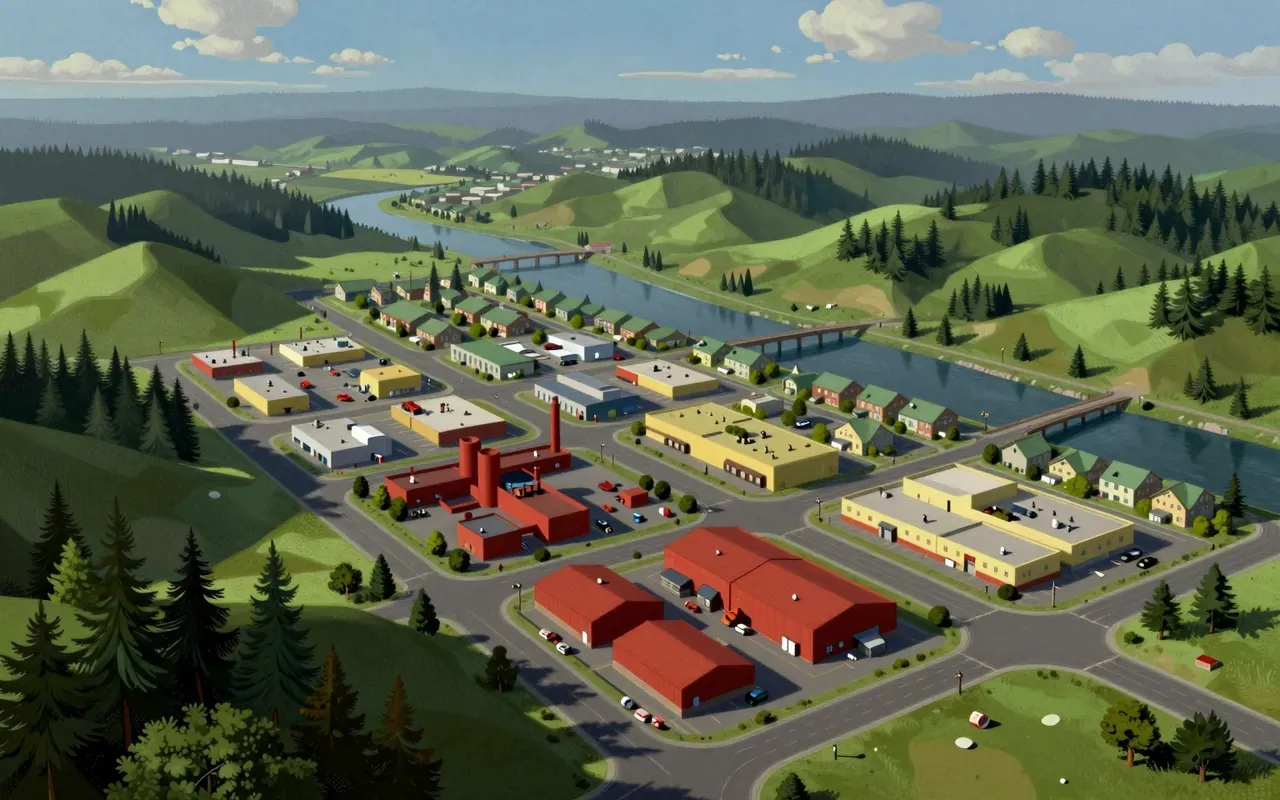
SimCity 3000 is a city building simulation game released in 1999. It is the third main entry in the SimCity series. It has no win or lose conditions. It is designed to be played indefinitely.

How it actually plays

You zone land in three densities. You place power plants and water facilities that degrade over time and must be replaced. Waste accumulates at medium city size, demanding disposal at ongoing cost. Farms appear conditionally on light industrial zones with low land value and little pollution. You negotiate recurring utility deals with neighbouring cities — each deal adds or deducts monthly from your treasury, and cancelling early incurs penalties.

What works

The three-tier zoning gives finer control over density than SimCity 2000. Land value drives neighbourhood formation and triggers conditional agriculture. Aging utilities force forward planning, not just reactive repair. Waste management introduces a new recurring cost tied to scale, not just population.

What does not

It does not resolve tension. There is no climax, no feedback loop that escalates or collapses meaningfully. The neighbour deals are transactional but shallow — no diplomacy, no consequences beyond the treasury. Aging infrastructure creates maintenance work, not systemic insight.

Who it is for, and who it is not

It is for players who enjoy open-ended systems where cause and effect are visible, predictable, and unembellished. It is not for players who need objectives, story, or measurable achievement.

Is it worth your time

Yes, if you want to spend an evening managing decay, scarcity, and inter-city trade-offs in a city without goals or endings. No, if you expect narrative, progression, or resolution.

Same shelf · Simulation4 of 13
Up next in Games

Sinistar

Williams Electronics · 1982 · 9:38

Sinistar doesn’t test your reflexes — it tests whether you can out-think two enemy types racing for the same resource while a skull-faced boss assembles itself in real time.

9:38