What the game is
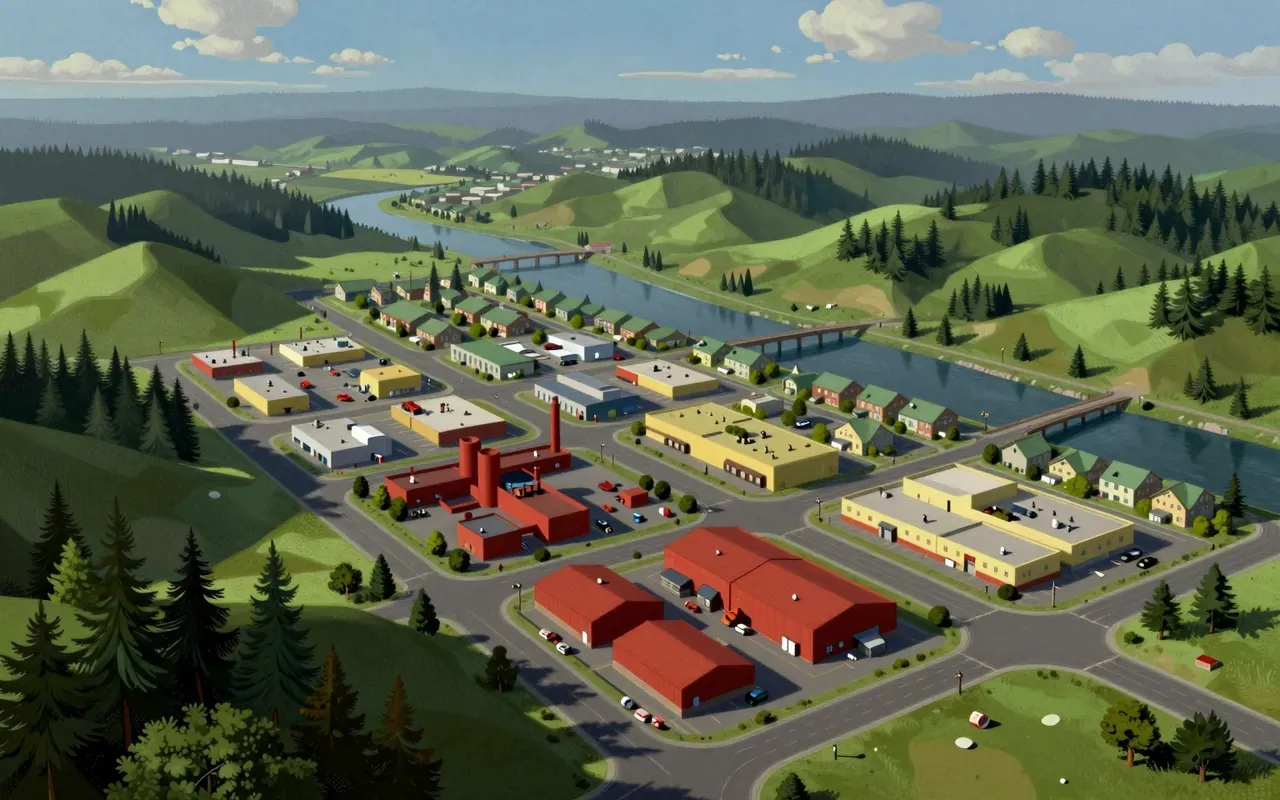
SimCity 2000 is a city-building simulation game released in 1993 by Maxis. It uses a near-isometric dimetric view. It introduces elevation, underground layers, nine power plant types, and new facilities including arcologies, marinas and museums.
How it actually plays
You click and drag to zone land for residential, commercial or industrial use. You place power plants, water pumps, roads, subways and airports on a grid with elevation and underground layers. You monitor budgets, tax rates and pollution in real time. You query buildings to see demand, crime or health stats. You read the in-game newspaper for feedback and warnings.
What works
The isometric view reveals spatial relationships that top-down could not. Elevation and underground layers let players solve infrastructure conflicts vertically. The query tool gives immediate, building-level feedback. Budget sliders and tax levers make fiscal trade-offs tangible. Power plant variety forces long-term planning due to lifespan limits.
What does not
The simulation hides cause and effect behind vague metrics. Crime, pollution and happiness respond to inputs but offer no clear causal model. The newspaper delivers tone but no diagnostic detail. Budget controls are granular but disconnected from citizen behaviour. There is no direct control over zoning density or building placement—only broad categories.
Who it is for, and who it is not
It is for players who enjoy systemic tinkering, incremental feedback, and abstract problem-solving. It is not for players who need clear goals, narrative scaffolding, or responsive, character-driven consequences.
Is it worth your time
Yes—if you want to spend an evening experimenting with layered urban systems, not chasing narrative or action. It asks for patience, spatial reasoning, and tolerance for opaque feedback loops. It does not ask for reflexes, story engagement, or social interaction.