What the game is
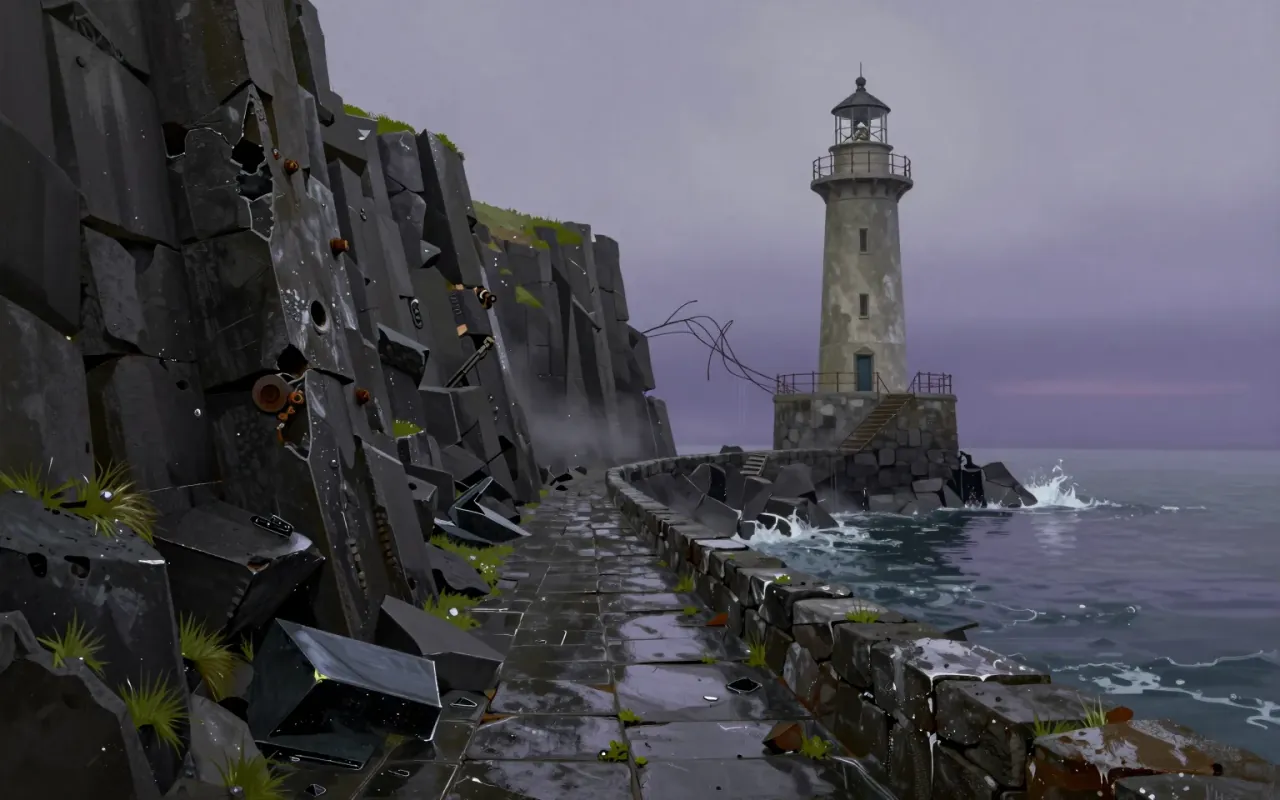
Deathloop is a science-fiction first-person shooter built around a fixed, deterministic time-loop puzzle. The player controls Colt Vahn, an assassin trapped on Blackreef, who must kill eight Visionaries before midnight to break the loop.
How it actually plays
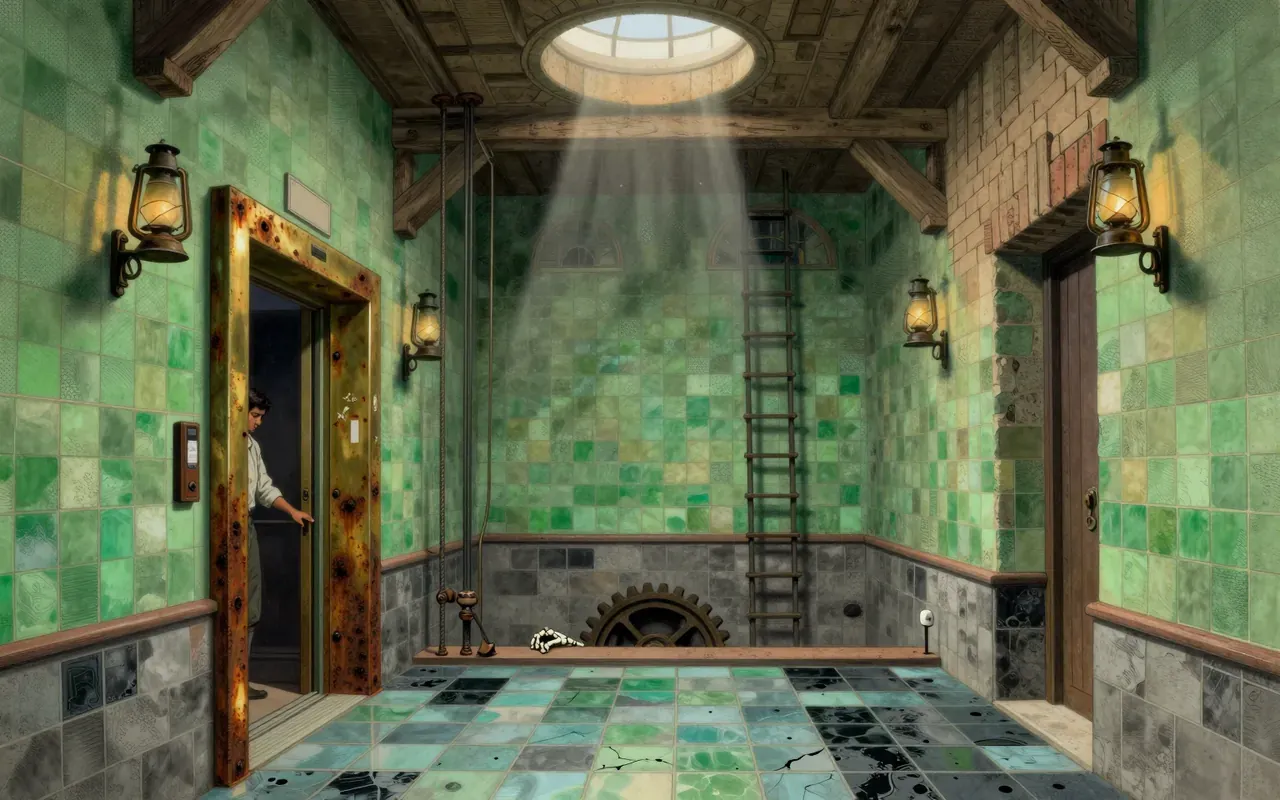
Deathloop is a deterministic time-loop puzzle disguised as a first-person shooter. Time advances only when moving between Blackreef’s four districts. Each district’s layout, NPC routines, and object accessibility shift with time-of-day. Players must learn how actions in one district alter routines elsewhere. They must deduce the single correct sequence to kill eight Visionaries before midnight — no deviation permitted. If even one survives past midnight, the loop resets entirely.
What works
The loop enforces deliberate, cross-district planning. Clues persist across resets. Time-of-day gates paths and alters NPC behaviour meaningfully. Players can manipulate events to gather multiple Visionaries in one place — turning assassination into orchestration. The constraint of one valid sequence creates high-stakes clarity.
What does not
It does not support improvisation outside its causal logic. There is no branching outcome, no moral choice, no alternate win condition. The time-loop mechanic excludes emergent storytelling or persistent world change. Its structure rejects ambiguity: only one sequence works, and every deviation fails.
Who it is for, and who it is not
It is for players who enjoy systemic, cause-and-effect puzzles with strict rules and tangible feedback. It is not for those seeking open-ended exploration, character-driven drama, or reactive combat systems. It assumes willingness to fail, observe, record, and retest.
Is it worth your time
Yes — if you want a tightly constrained systemic puzzle that rewards observation, note-taking, and causal reasoning over twitch reflexes or narrative investment. It demands patience, repetition, and active deduction. It does not reward passive play or emotional attachment to characters.