What the game is
Rage is a first-person shooter built around vehicular traversal and modular combat. It is id Software’s first all-new in-house series since Doom 3 (2004), developed on the id Tech 5 engine and released in September 2011.
How it actually plays
The game alternates between first-person shooting and vehicular traversal. Players move across the world in a car, then dismount to fight in tight corridors or open ruins. Combat uses upgradeable firearms, a crossbow with interchangeable bolts, and wingsticks for silent takedowns. Vehicle events include races and checkpoint rallies — some armed, some not — and upgrades come only from completing those events.
What works
The dual-loop structure — drive, fight, drive — creates rhythm without fatigue. Weapon customisation matters: choosing metal, electrified or explosive bolts changes how a room resolves. Wingsticks enable silent, spatially precise takedowns. Vehicular events vary cleanly: armed races demand evasion and return fire; unarmed rallies test route memory and throttle control.
What does not
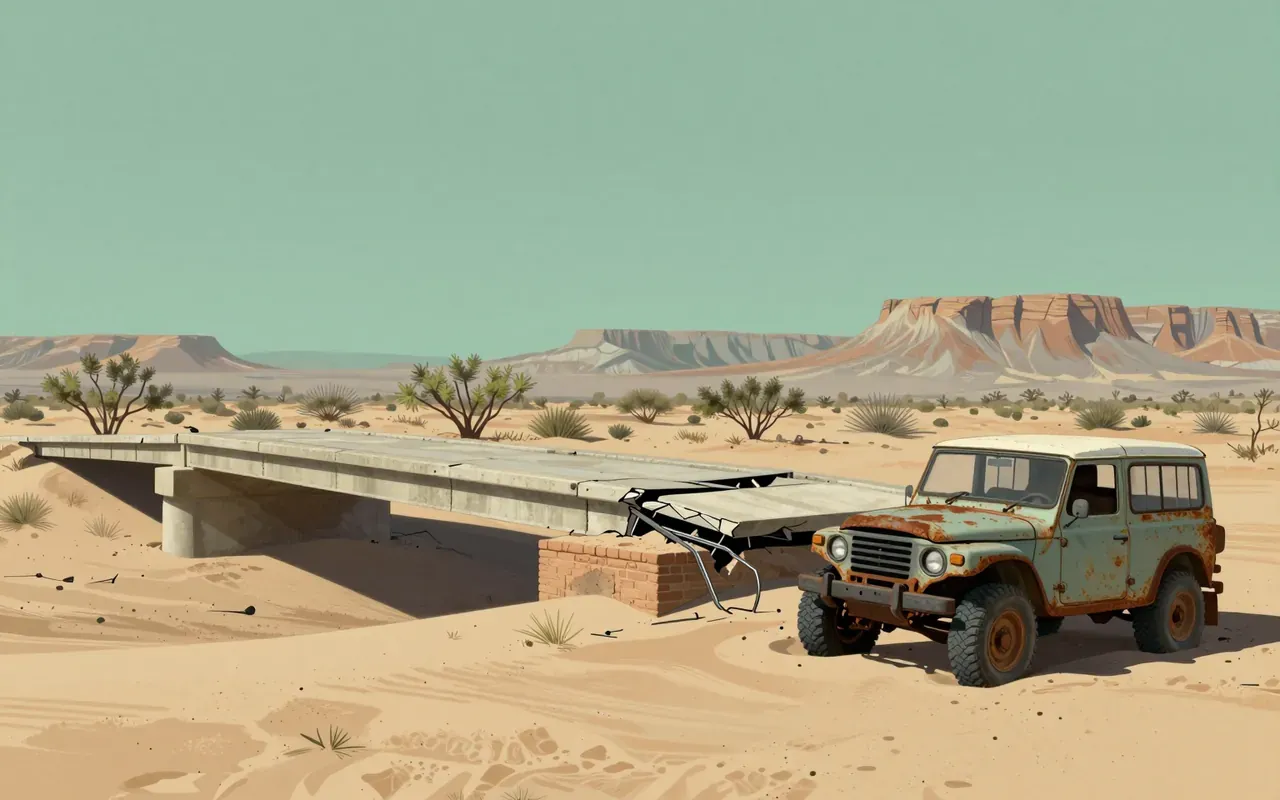
The open world feels like a transit corridor, not a place to inhabit. Enemy archetypes are rigid: cover-using shooters and charging melee foes repeat without variation. Vehicle combat lacks meaningful risk or consequence — upgrades arrive on schedule, not through mastery. There is no persistent world state, no emergent behaviour, no dialogue that changes based on action.
Who it is for, and who it is not
It is for players who value mechanical clarity over thematic depth, who enjoy tuning loadouts like toolkits, and who treat vehicles as extensions of their combat posture — not set pieces. It is not for players who need world density, character investment, or systemic interplay between driving and shooting.
Is it worth your time
It is worth your time if you want a tightly wound, mid-tempo shooter that treats traversal as core gameplay and rewards methodical weapon selection over reflexes. It is not worth your time if you expect narrative cohesion, environmental storytelling, or systems that respond meaningfully to player choice.