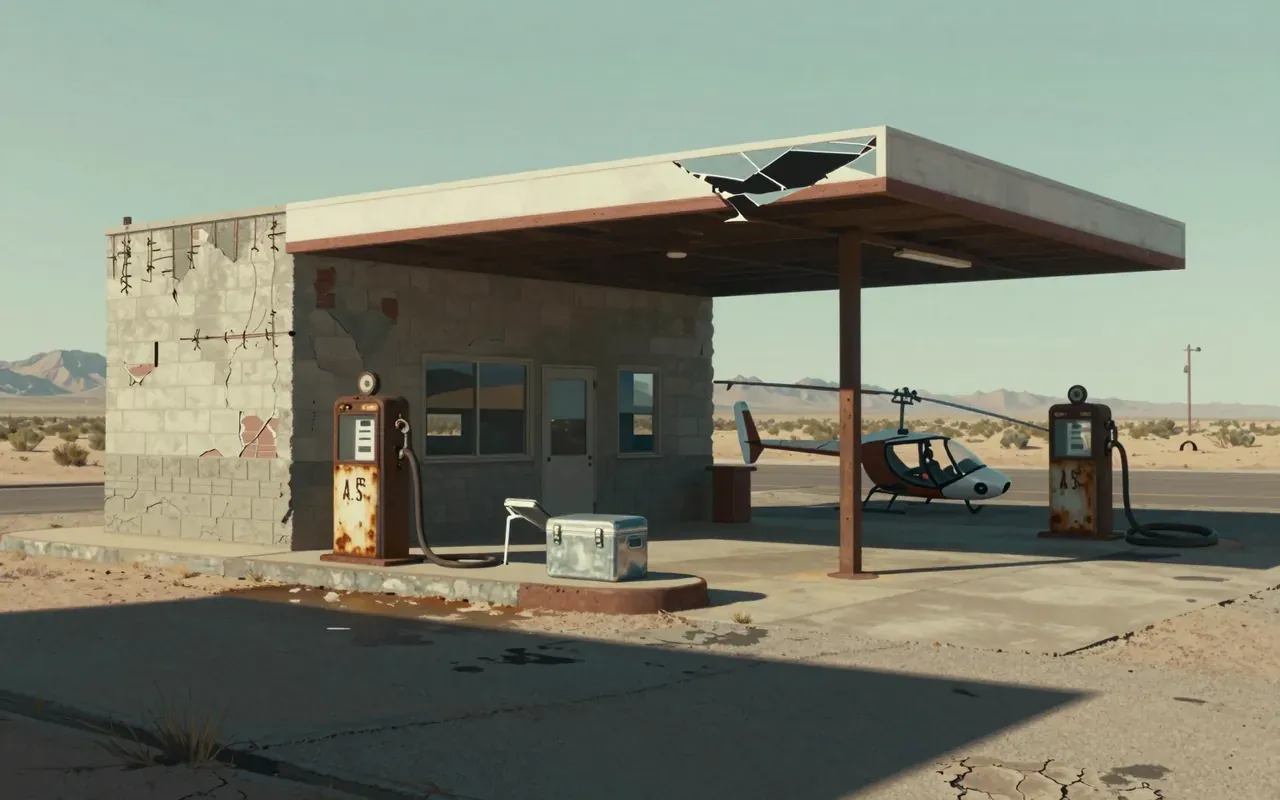
What the game is
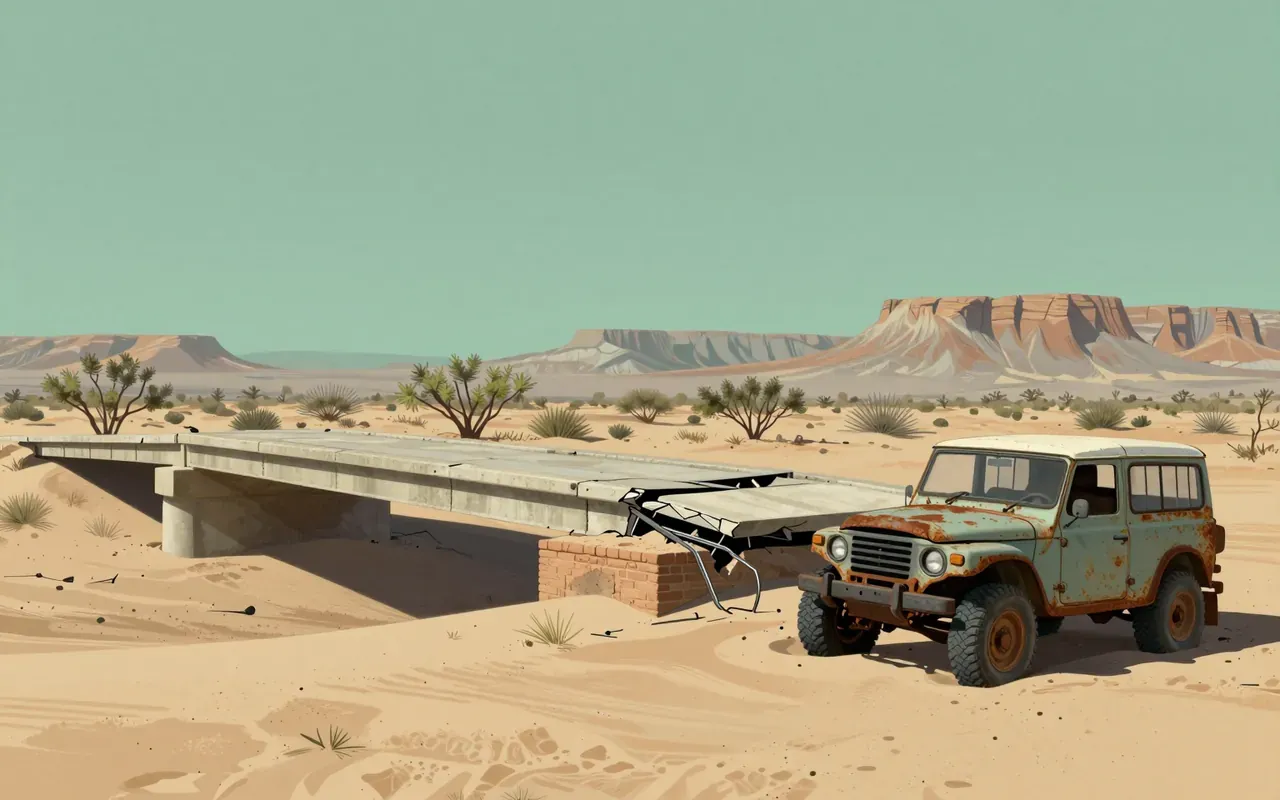
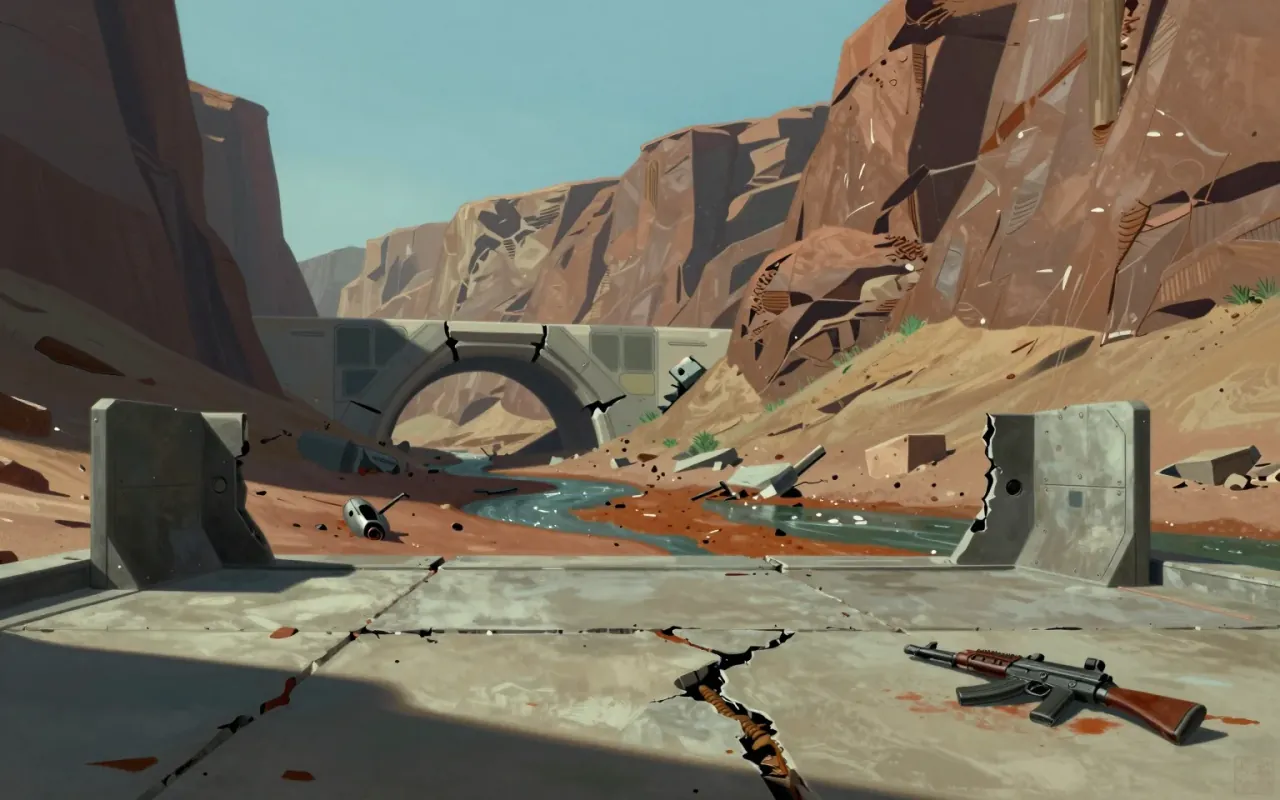
Rage 2 is a first-person shooter co-developed by Avalanche Studios and id Software. It is an apocalyptic open-world action game where players control Walker, a customisable Ranger who fights with guns, the wingstick, Nanotrite powers, and Overdrive — while driving any vehicle in the world.
How it actually plays
Players drive any vehicle — trucks, buggies, gyrocopters — across an apocalyptic open world. They fight on foot with firearms and the wingstick. They activate Overdrive to boost gun damage, heal continuously, and increase enemy energy drops. They upgrade Walker using Nanotrite-based powers that act as ability boosts for combat efficiency. Walker is customisable by gender, skills, and attire.
What works
The fusion of vehicular combat and on-foot shooting works as a kinetic loop: ramming, jumping, shooting, boosting, and reviving creates a consistent rhythm of escalation. Overdrive’s triple effect — damage, healing, energy gain — makes aggression self-sustaining. The wingstick returns as a distinct, physics-driven tool that interrupts enemy flow without requiring reloads or cooldowns.
What does not
It does not sustain engagement through story, world coherence, or meaningful choice. The open world offers traversal and targets but no emergent systems, reactive factions, or consequential progression. Overdrive and Nanotrites are combat accelerants, not expressive tools. Customisation affects appearance and stat modifiers only — not playstyle, dialogue, or world response.
Who it is for, and who it is not
It is for players who prioritise immediate, unbroken action over context, consequence, or craft. It is not for players who require narrative grounding, environmental storytelling, tactical variety, or mechanical nuance — or who expect id Software’s level of spatial design or Avalanche’s systemic simulation to meaningfully intersect.
Is it worth your time
It is worth your time only if you want a high-speed, low-stakes loop of vehicular mayhem, weapon spam, and Nanotrite power bursts — with no narrative weight, environmental consequence, or systemic depth to slow it down.