gamesbriefs
10:47in productionCh. 1 · A 3D world, built for persistence/ 10:47 · ceiling 15 min
RPG · Retro

EverQuest

EverQuest doesn’t scale your power — it scales your patience, your guild, and your server’s collective memory.

EverQuest is a foundational 3D MMORPG that demands group reliance, punishes solo risk, and treats servers as persistent social spaces — not content delivery platforms.

Chapters & takeaways6
  1. 1:16
    A 3D world, built for persistence

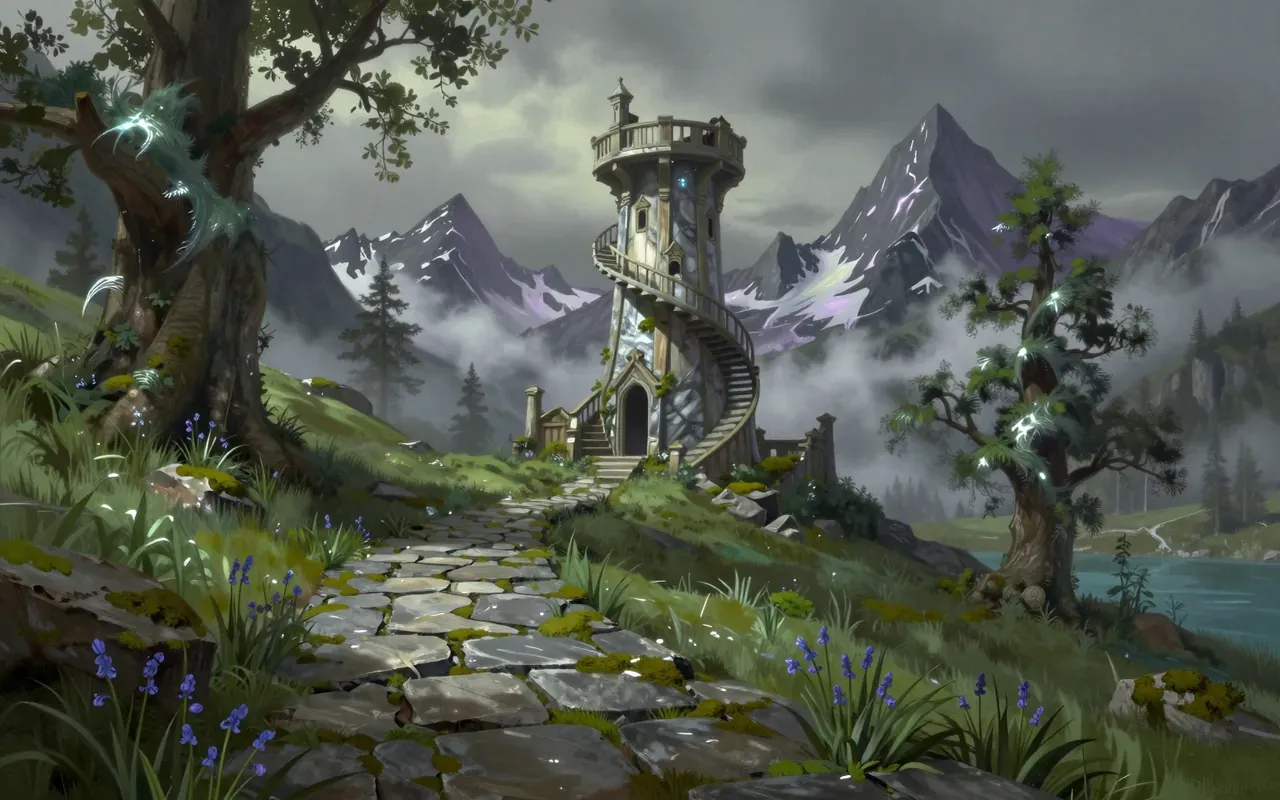
    EverQuest is a 3D fantasy MMORPG launched on March 16, 1999 — not a spiritual successor, but a deliberate, hardware-bound departure from flat, tile-based predecessors.

  2. 2:24
    Identity is chosen, not earned

    Character creation is the first act of commitment: twelve races, occupation, deity, city, and facial detail lock in identity before the first mob is pulled.

  3. 3:25
    Valour, not velocity

    Progression is vertical, slow, and communal: levels come from killing in dangerous zones, not grinding safe spawns — and quests are rare, scripted, and high-stakes.

  4. 4:36
    Conflict with consent

    PVP is opt-in, zone-restricted, and server-specific — a design choice that enforced social contracts over competitive systems.

  5. 5:54
    Built to be taken over

    Verant hired ex-Ultima Online developers and was acquired by Sony Online Entertainment within 15 months — proof the game was built to be inherited, not perfected.

  6. 7:08
    Corporate fantasy, not cottage code

    Its roots lie in Sony Interactive Studios America under John Smedley — a corporate lab, not a garage, making it a product of institutional ambition, not indie vision.

Worth your time?

Yes. Play the whole thing.

3.5/ 5
What works
  • character creation offers meaningful early differentiation
  • the loop reinforces tangible stakes: death carries penalty, zones are dangerous by design, gear is scarce and hard-won
What does not
  • scale to solo play
  • reward speed or efficiency
  • decouple progression from group dependency
  • allow open PVP outside designated zones or agreements
Play it if
  • players who value shared struggle over solo agency
  • players who treat servers as towns with history
  • players who accept time spent waiting, travelling, or coordinating as part of the game’s texture
Skip it if
  • players who expect responsive controls
  • players who expect clear feedback
  • players who expect progression without friction
The written brief1 min read

What the game is

EverQuest is a 3D fantasy-themed MMORPG launched by Verant Interactive on March 16, 1999. It places players in Norrath, a persistent medieval fantasy world where progression is gated by group coordination, real-time risk, and server-wide consequences.

How it actually plays

Players create a character from twelve races, pick an occupation, deity, and starting city, then move through Norrath fighting monsters for experience and treasure. Progress comes from valorous deeds: entering overrun castles, defeating opponents, looting remains. Quests from NPCs grant experience and equipment. Trade skills are optional. Interaction is via role-play, guilds, and restricted PVP — only on PvP servers, in arena zones, or by mutual duel agreement.

What works

Character creation offers meaningful early differentiation: twelve races, occupation, deity, city, and facial customisation. The loop — fight, loot, level, repeat — is reinforced by tangible stakes: death carries penalty, zones are dangerous by design, and gear matters because it is scarce and hard-won.

What does not

It does not scale to solo play. It does not reward speed or efficiency. It does not decouple progression from group dependency. It does not allow open PVP outside designated zones or agreements.

Who it is for, and who it is not

It is for players who value shared struggle over solo agency, who treat servers as towns with history, and who accept that time spent waiting, travelling, or coordinating is part of the game’s texture. It is not for players who expect responsive controls, clear feedback, or progression without friction.

Is it worth your time

Only if you want to experience the rigid, communal, server-bound rhythm of late-1990s MMORPG design — not as nostalgia, but as a functional artifact of what online persistence demanded before seamless infrastructure existed.
Same shelf · RPG4 of 58
Up next in Games

EverQuest II

Sony Online Entertainment · 2004 · 9:05

EverQuest II is not a sequel—it’s a parallel universe where every mechanic exists to bind players to each other, not to the story.

9:05