What the game is
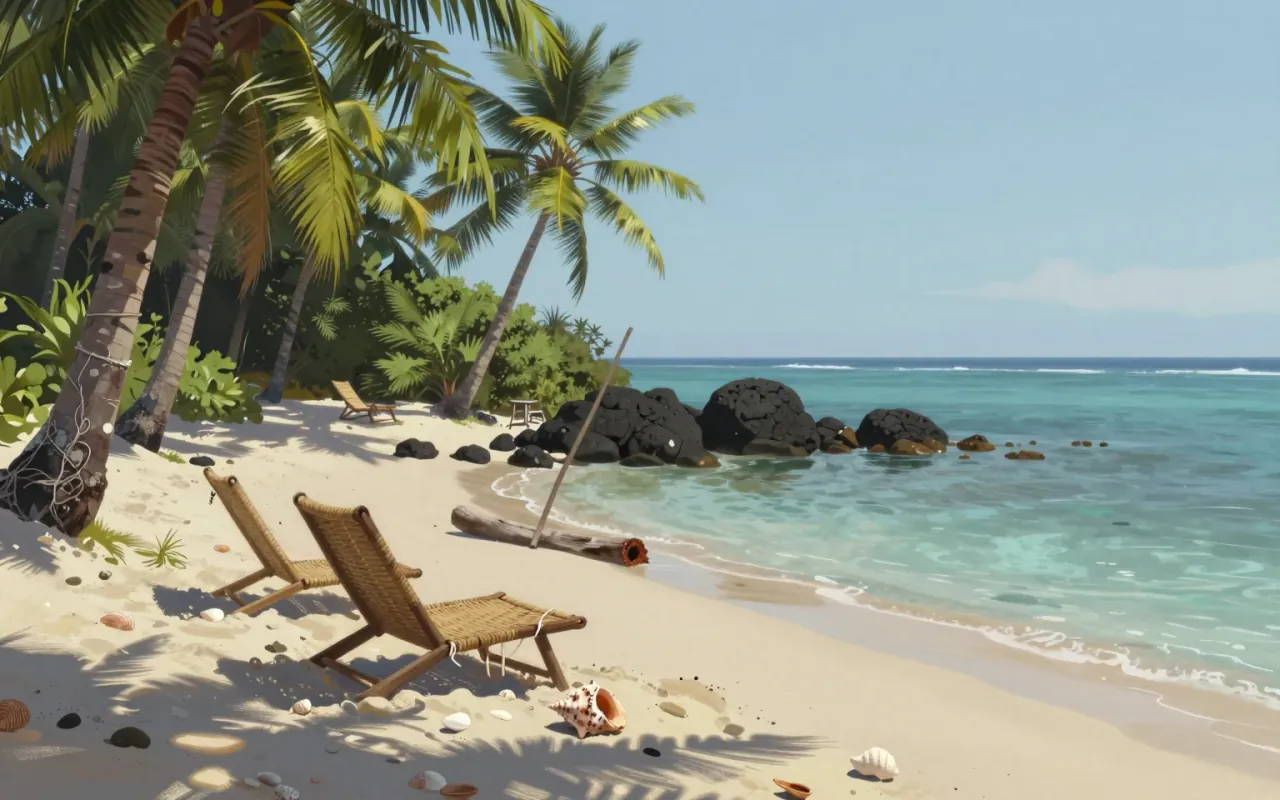
Animal Crossing: New Horizons is a real-time life simulation where the player develops a deserted island non-linearly through resource gathering, D.I.Y. crafting, fishing, bug catching, planting, rock extraction, swimming, and decoration — all governed by real-world seasons and weather.
How it actually plays
The player controls a custom villager who moves to a deserted island after buying a getaway package from Tom Nook. They receive essentials like a tent, then play non-linearly with few initial limitations. Natural resources — fruit, wood, rocks, bugs, fish, deep-sea creatures — are openly accessible. D.I.Y. crafting turns them into items and furniture. The island offers open space for placing and decorating as the player chooses. Time passes in real time. Weather matches the player’s real-world hemisphere’s seasons.
What works
Its real-time rhythm grounds activity in lived experience. Hemisphere-adjusted weather makes the world feel tethered to reality. Open access to resources and island space gives consistent agency. Non-linear progression respects player autonomy from the start.
What does not
It does not establish stakes, consequences, or narrative momentum. There is no win state, no failure condition, and no enforced progression beyond early tasks from Tom Nook. Its openness offers freedom but withholds direction, friction, or resolution.
Who it is for, and who it is not
It is for players who value gentle routine, self-directed creation, and ambient presence over challenge or narrative. It is not for players who need clear objectives, escalating systems, or mechanical depth.
Is it worth your time
It is worth your time if you want a low-stakes, open-ended life simulation shaped by real-world time and seasonal rhythm — not if you seek goals, escalation, or closure.