gamesbriefs
12:52in productionCh. 1 · Where it sits/ 12:52 · ceiling 15 min
Shooter

Far Cry 3

Far Cry 3 gives you total tactical freedom—but refuses to let its story keep up.

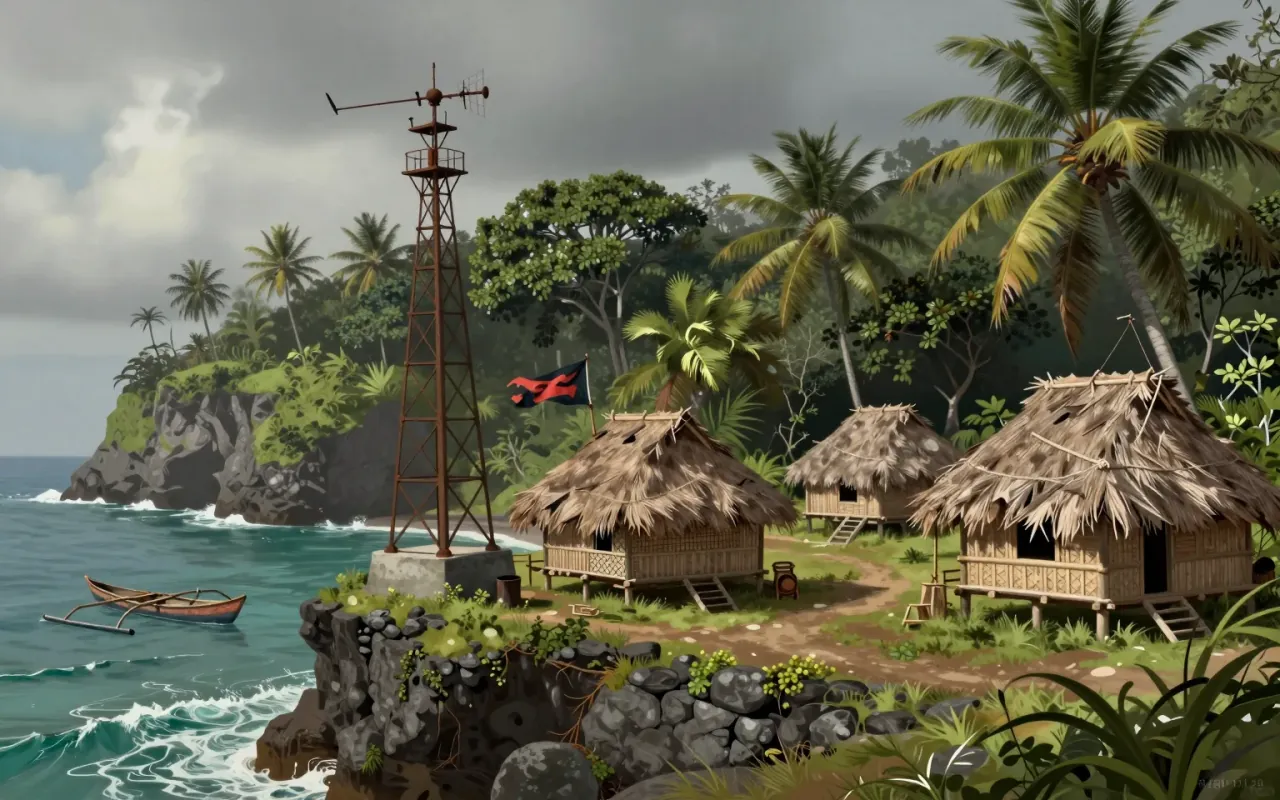
Far Cry 3 is a first-person shooter set on a pirate- and mercenary-controlled tropical archipelago. Ubisoft Montreal developed it in 2012 using the Dunia engine, building on its work with Far Cry 2.

Chapters & takeaways4
  1. 1:15
    Where it sits

    Ubisoft Montreal built Far Cry 3 as a Dunia-engine open-world shooter on a pirate-run Pacific archipelago.

  2. 3:16
    How it plays

    Every outpost is a three-phase loop: scout, choose, execute—with stealth, fire, or hunting all viable and mechanically distinct.

  3. 4:46
    What the skills do

    The Spider, Heron, and Shark trees don’t just add abilities—they enforce playstyles, making each skill choice a commitment.

  4. 7:18
    Where it breaks

    Freedom of approach is real—but the world never reacts beyond scripted triggers, and the story undermines its own stakes.

Worth your time?

Yes. Play the whole thing.

4/ 5
What works
  • outpost design is precise and replayable
  • camera scouting + rock distraction + skill-tree specialisation creates a reliable, satisfying loop
  • each tree meaningfully alters how players move, engage, and survive
What does not
  • narrative coherence
  • moral consistency
  • systemic world response
Play it if
  • players who enjoy methodical, moment-to-moment tactical freedom in an open world
  • players who tolerate tonal whiplash between satire and sincerity
Skip it if
  • players who prioritise narrative coherence
  • players who prioritise systemic depth
  • players who prioritise ethical consistency
The written brief1 min read

What the game is

Far Cry 3 is a first-person shooter set on a pirate- and mercenary-controlled tropical archipelago. Ubisoft Montreal developed it in 2012 using the Dunia engine, building on its work with Far Cry 2.

How it actually plays

Players control Jason Brody in a first-person shooter loop: scout outposts with a camera or rocks, then choose assault, stealth, or hunting to clear them. Silenced weapons and knives prevent alarms. Skills unlock across three trees—Spider (stealth/hunting), Heron (long-range/mobility), Shark (assault/health)—using experience from kills and missions.

What works

The outpost design is precise and replayable. Camera scouting + rock distraction + skill-tree specialisation creates a reliable, satisfying loop. Each tree meaningfully alters how players move, engage, and survive—Spider rewards patience, Heron rewards precision, Shark rewards aggression.

What does not

The narrative fractures under its own ambition. Jason’s descent into violence contradicts the game’s framing of him as a reluctant killer. The Rook Islands feel curated for gameplay, not lived-in. No systemic world response to player actions beyond outpost recapture.

Who it is for, and who it is not

It is for players who enjoy methodical, moment-to-moment tactical freedom in an open world—and who tolerate tonal whiplash between satire and sincerity. It is not for players who prioritise narrative cohesion, systemic depth, or ethical consistency.

Is it worth your time

Yes—if you want a tightly tuned open-world shooter where every outpost is a tactical puzzle you can solve your way. No—if you expect narrative coherence, moral consistency, or systems that evolve beyond repetition.
Same shelf · Shooter4 of 46
Up next in Games

Far Cry 4

Ubisoft Montreal · 2014 · 10:44

Far Cry 4 is not about revolution — it’s about clearing space so you can shoot better.

10:44