What the game is
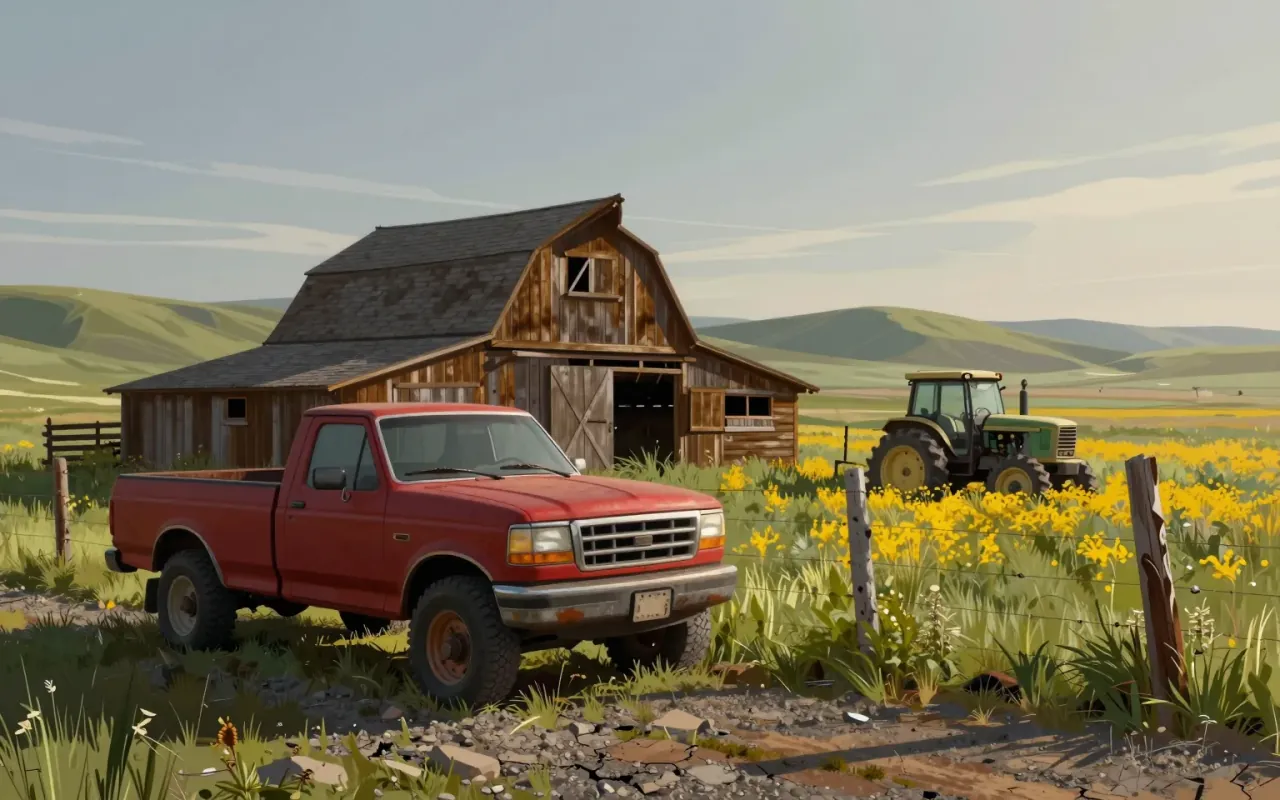
Far Cry 5 is a first-person shooter developed by Ubisoft Montreal, set in a freely explorable open world in Montana’s Hope County. It uses the Dunia engine and was released in 2018.
How it actually plays
The game drops you into Hope County with no context, no markers, and no direction. You move on foot or by vehicle across an open world that is mostly accessible after the intro. You earn Resistance Points by completing actions in regions — not story missions — to trigger major narrative events. Combat uses ranged weapons with bullet drop over distance and an expanded set of melee options for close-quarters fights. Your character is silent, customisable, and unvoiced.
What works
Self-directed progression works: most of the map opens early, letting players choose where to fight, explore, or disrupt. The expanded melee roster gives tangible weight to close combat. Bullet drop adds tactical consideration to long-range engagements. Character customisation breaks from fixed-protagonist tradition in the series.
What does not
The silent protagonist undermines narrative immersion without compensating through environmental storytelling or player-authored meaning. Minimal initial direction does not evolve into meaningful autonomy — it flattens stakes and dilutes urgency. Resistance Points gate story beats but do not reflect player choice in ideology, morality, or consequence.
Who it is for, and who it is not
It is for players who enjoy open-world power fantasies built on region-clearing loops and emergent chaos. It is not for players who require narrative cohesion, authored voice, or systems that respond meaningfully to moral or ideological input.
Is it worth your time
It is worth your time if you want a self-directed, action-driven open-world shooter where progression is tied to regional control rather than plot gates. It is not worth your time if you need strong narrative scaffolding, voiced character agency, or tightly curated pacing.