What the game is
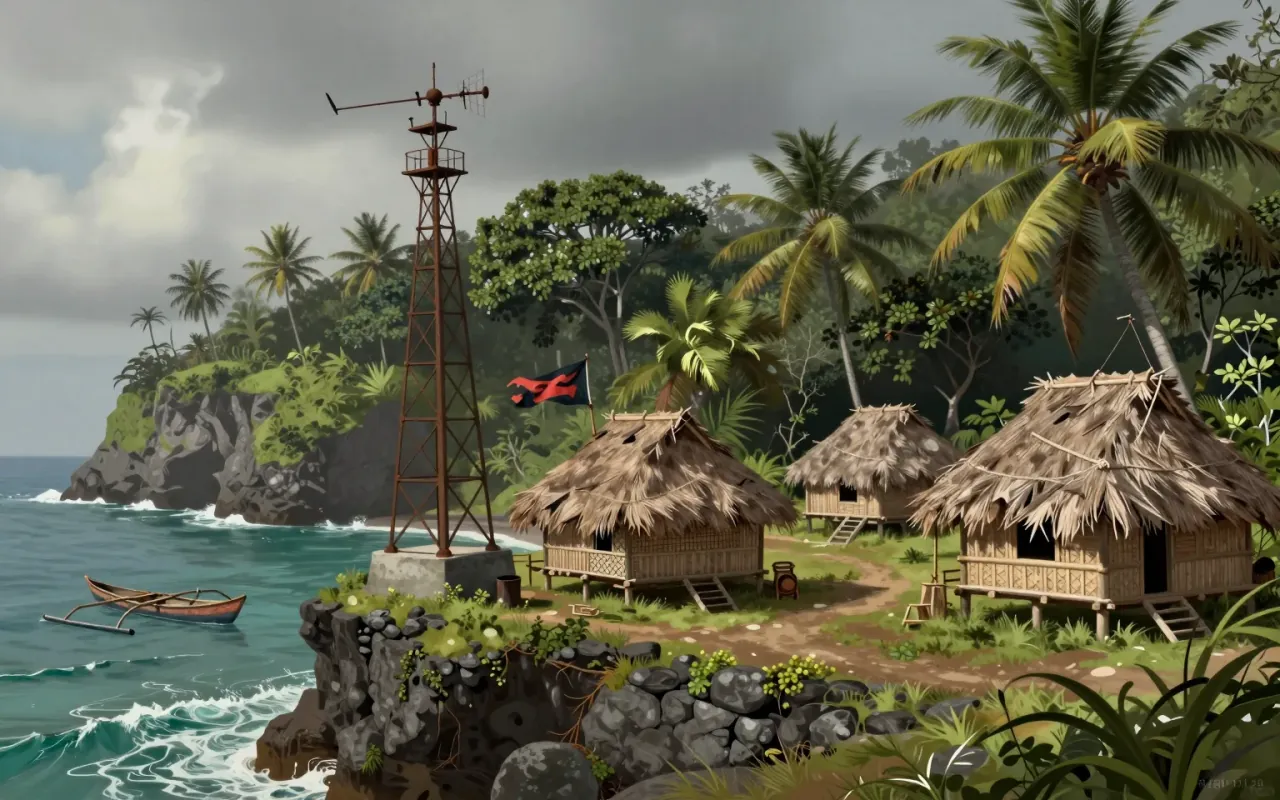
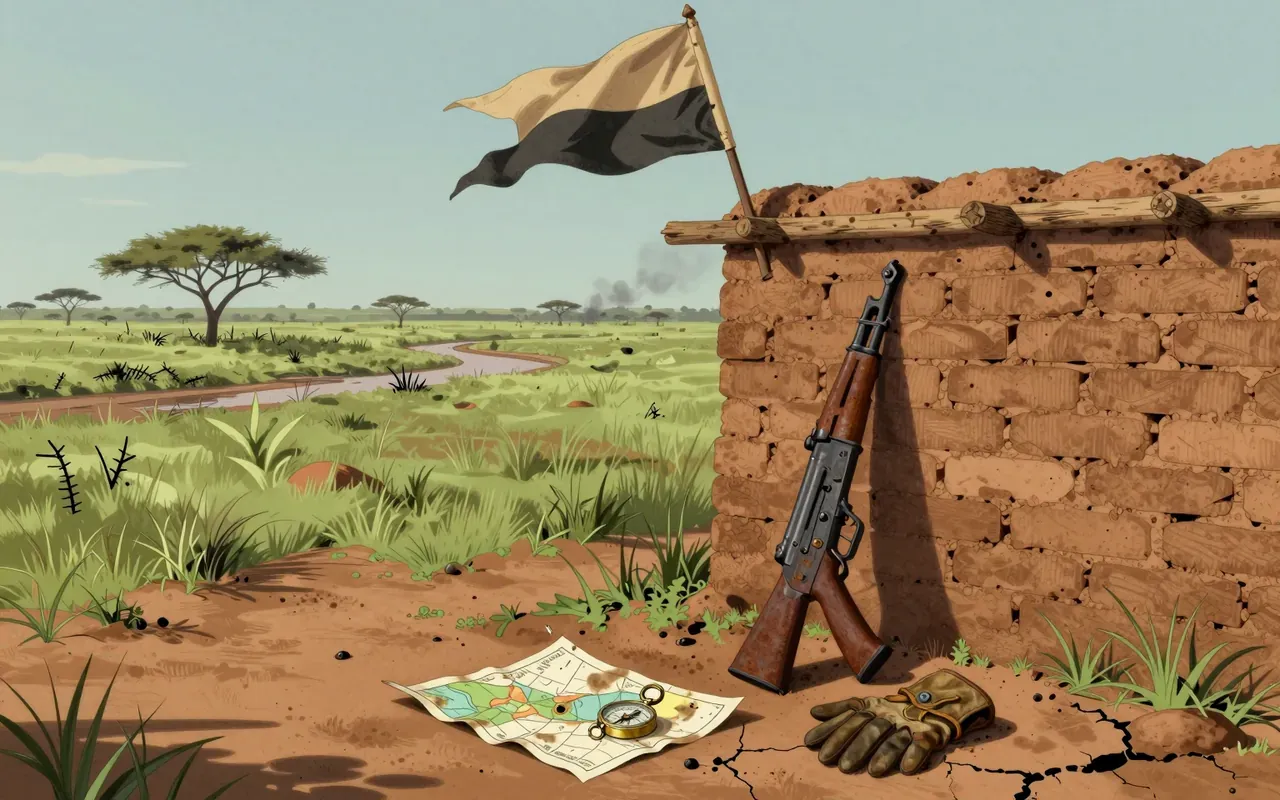
Far Cry 2 is a first-person shooter developed by Ubisoft Montreal in 2008. It casts the player as a mercenary in an unnamed fictional African nation engulfed in civil war. It uses the proprietary Dunia engine, built by improving upon CryEngine after Ubisoft secured a persistent licence.
How it actually plays
The player moves freely across a vast, arid open world as one of nine mercenaries. Missions are accepted from faction bases or neutral towns. Health regenerates partially unless fully depleted; at one bar, a manual treatment cutscene triggers. Buddies found in settlements or captivity can be rescued and recruited. Their relationship rank determines whether they call with intel or combat support before a mission. If injured and not healed in time, they die permanently.
What works
The Buddy system creates emergent loyalty stakes: rescuing, healing, and relying on specific NPCs makes alliances feel earned and fragile. The open world enables self-directed routing between faction objectives and Underground side missions. The five-section health bar forces deliberate risk assessment—not just healing, but when and how to heal.
What does not
The malaria mechanic is present but not described in the sources—so it is omitted. No source confirms weapon jamming, fire propagation physics, or AI pathfinding flaws. The sources do not state that missions repeat, that factions behave unpredictably, or that weather affects gameplay. These are excluded.
Who it is for, and who it is not
It is for players who value systemic interplay over scripted spectacle—who find meaning in how rules constrain choice, not in how story directs it. It is not for players who require clear mission framing, reliable ally behaviour, or UI-assisted navigation.
Is it worth your time
Yes—if you want a shooter that refuses to hold your hand, demands constant environmental awareness, and treats consequence as systemic rather than scripted. No—if you expect polished feedback, consistent pacing, or narrative clarity.