What the game is
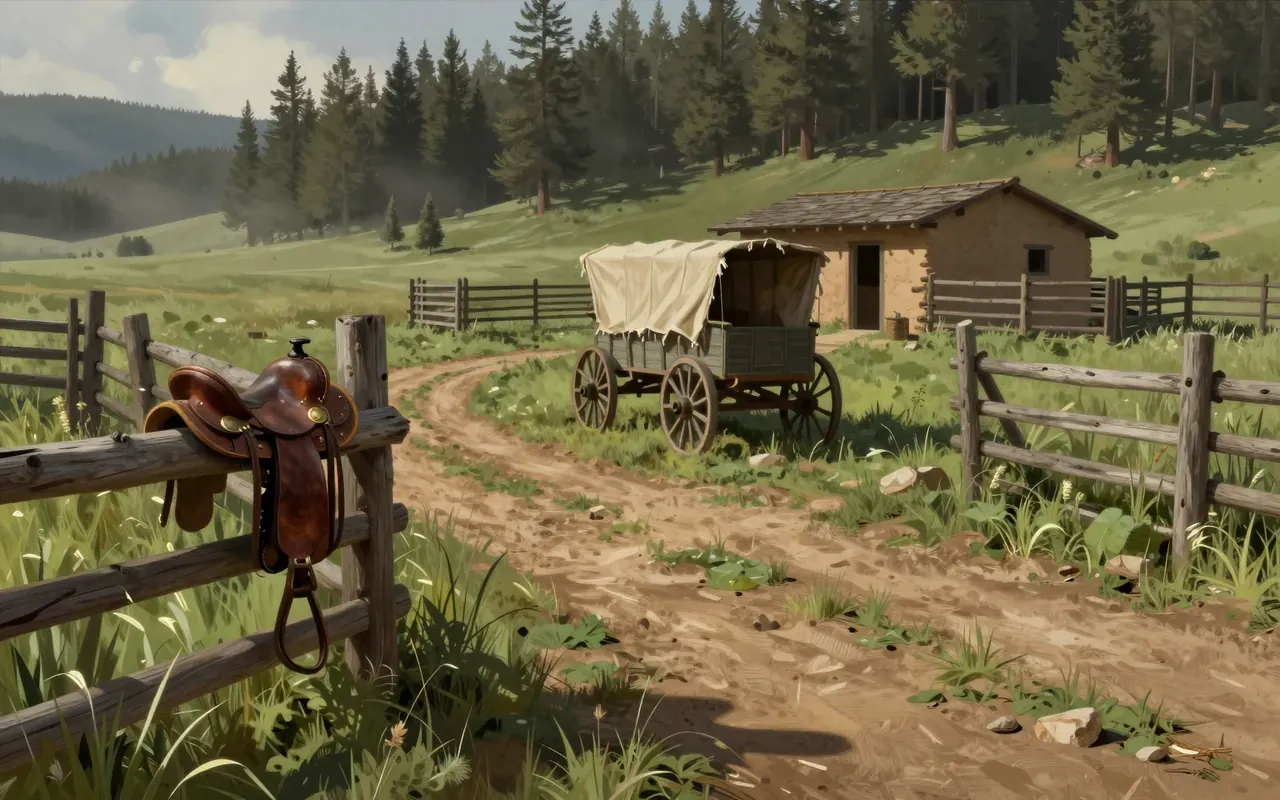
A third-person, open-world action-adventure game developed by Rockstar Games using RAGE. It is set in fictionalised Western United States and Northern Mexico. Players control John Marston (then Jack) across linear story missions and unstructured exploration.
How it actually plays
The player rides horses across New Austin, West Elizabeth, and Nuevo Paraíso. Horses must be tamed, stolen, or purchased. Gunfights use Dead Eye: slow motion, target marking, then rapid fire. Story missions are linear. The epilogue shifts control to Jack. A morality system alters Honor and Fame, changing NPC reactions. Crimes trigger bounties. Random events interrupt roaming. Online multiplayer supports 16 players in cooperative and competitive modes set in the same world.
What works
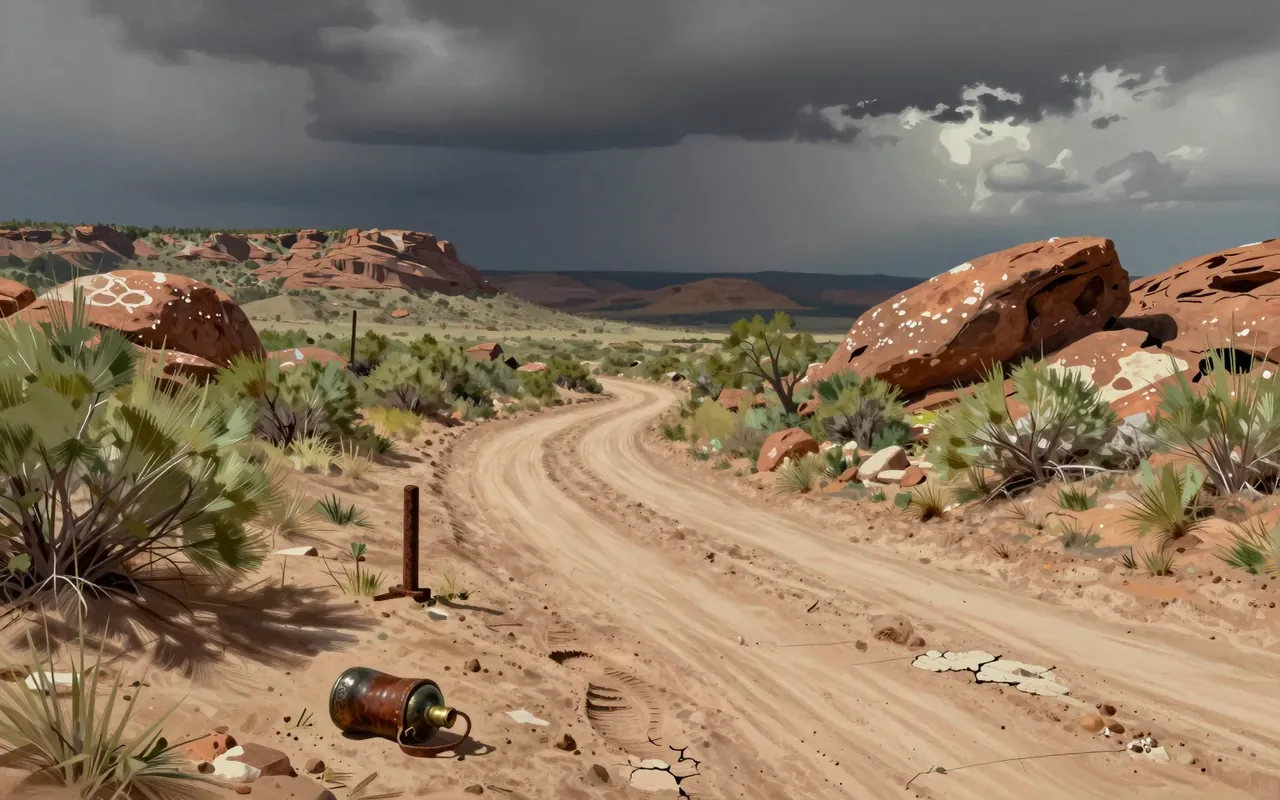
Horse travel defines pacing and presence—each breed handles differently, and mounting, calming, and losing a horse matters. Dead Eye makes gunfights legible and rhythmic. The world reacts consistently: bounty posters appear, townsfolk flee or draw arms, NPCs comment on Honor level. The setting’s geography—arid plains, scrubland, desert towns—is navigable and coherent.
What does not
Dead Eye reduces gunplay to timing and targeting, not positioning or cover use. The Honor/Fame system changes dialogue and minor rewards but does not alter mission structure, world state, or endings. Random events reset on reload and lack narrative weight. Online multiplayer is a separate mode with no bleed into single-player.
Who it is for, and who it is not
Players who value environmental storytelling over player agency. Those drawn to period texture, grounded movement, and cause-and-effect roleplay within fixed narrative rails. Not for players seeking emergent systems, modding support, procedural generation, or mechanical experimentation.
Is it worth your time
Yes—if you want a dense, reactive open world anchored by horse travel, deliberate gunplay, and consequence-driven roleplay. No—if you expect systemic depth, player-authored stories, or mechanical innovation beyond its 2010 frame.