What the game is
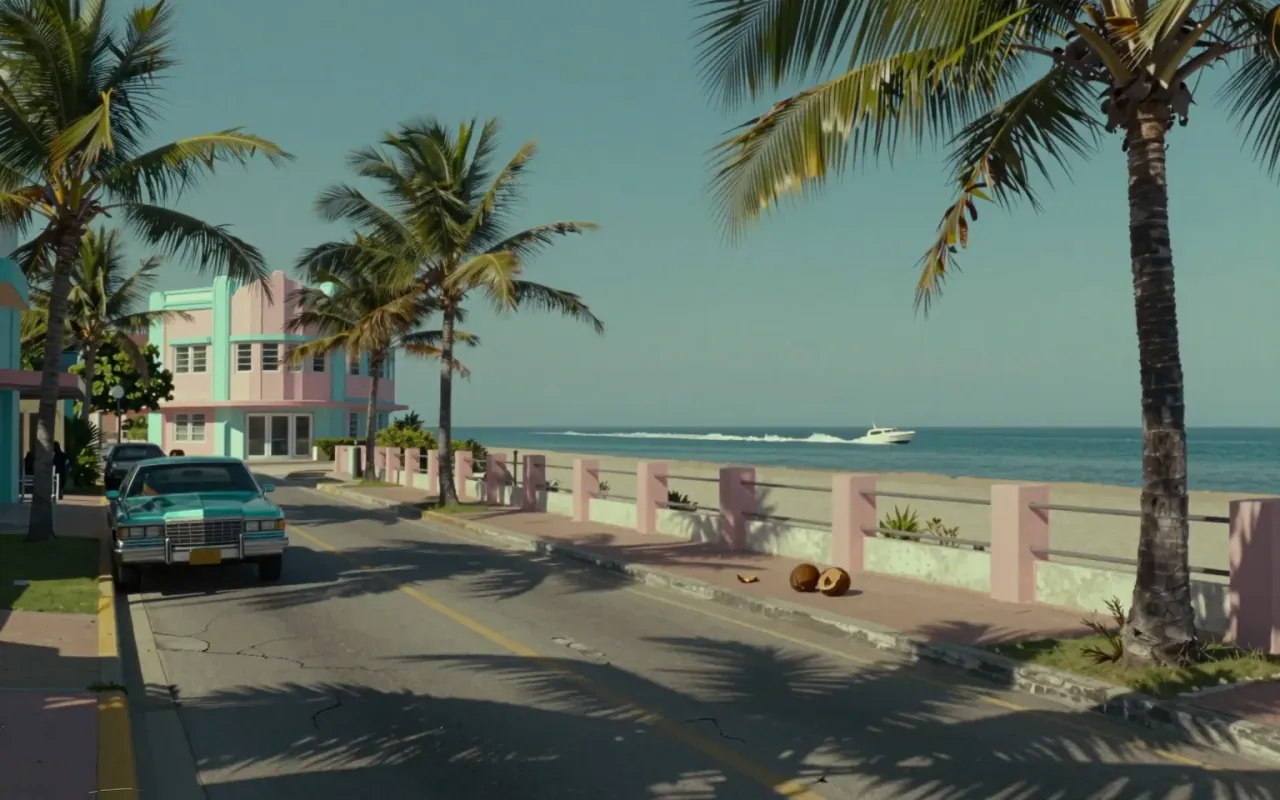
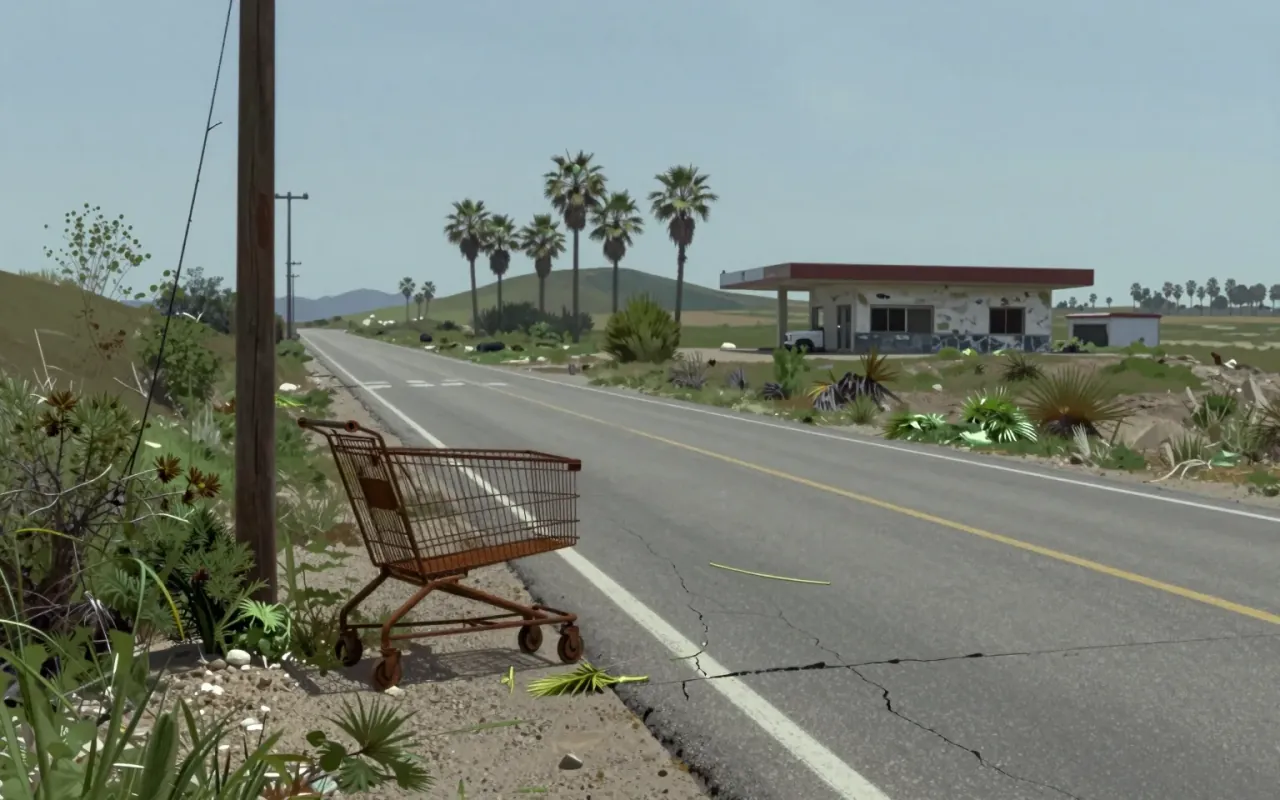
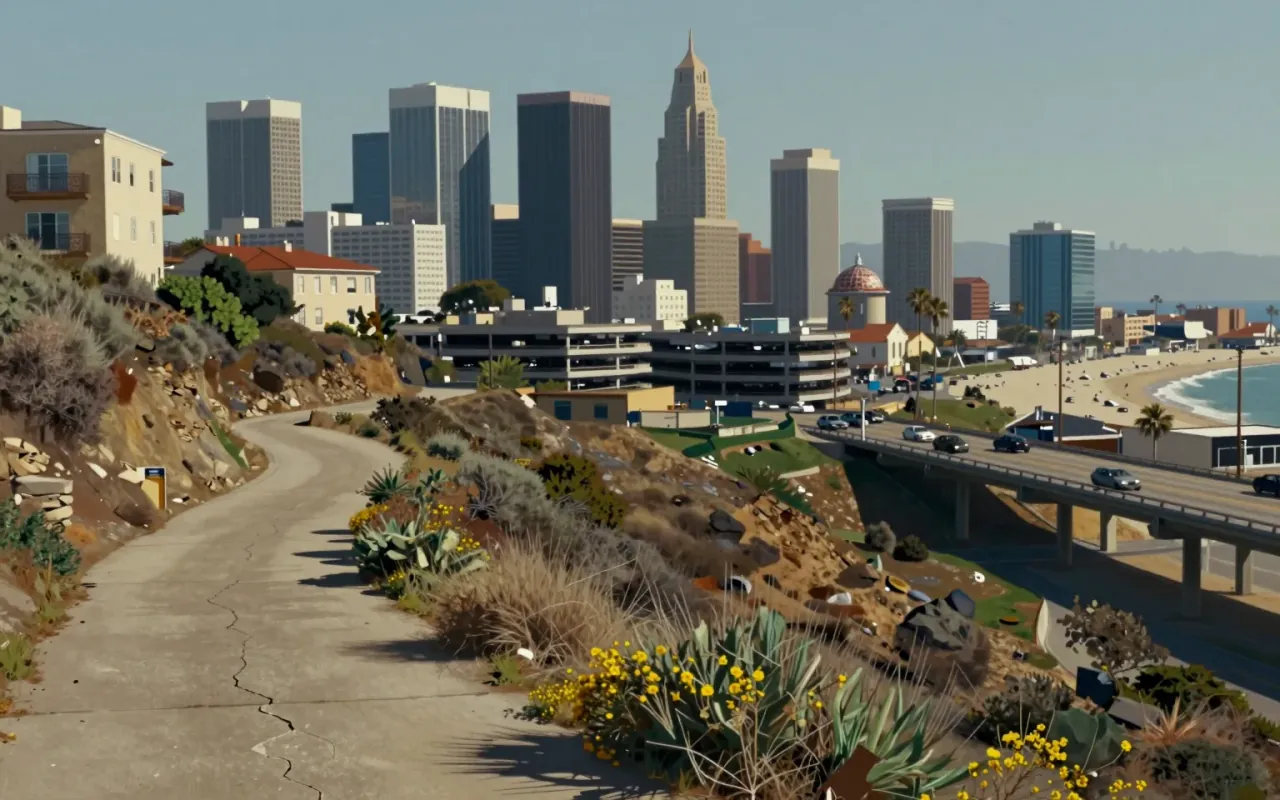
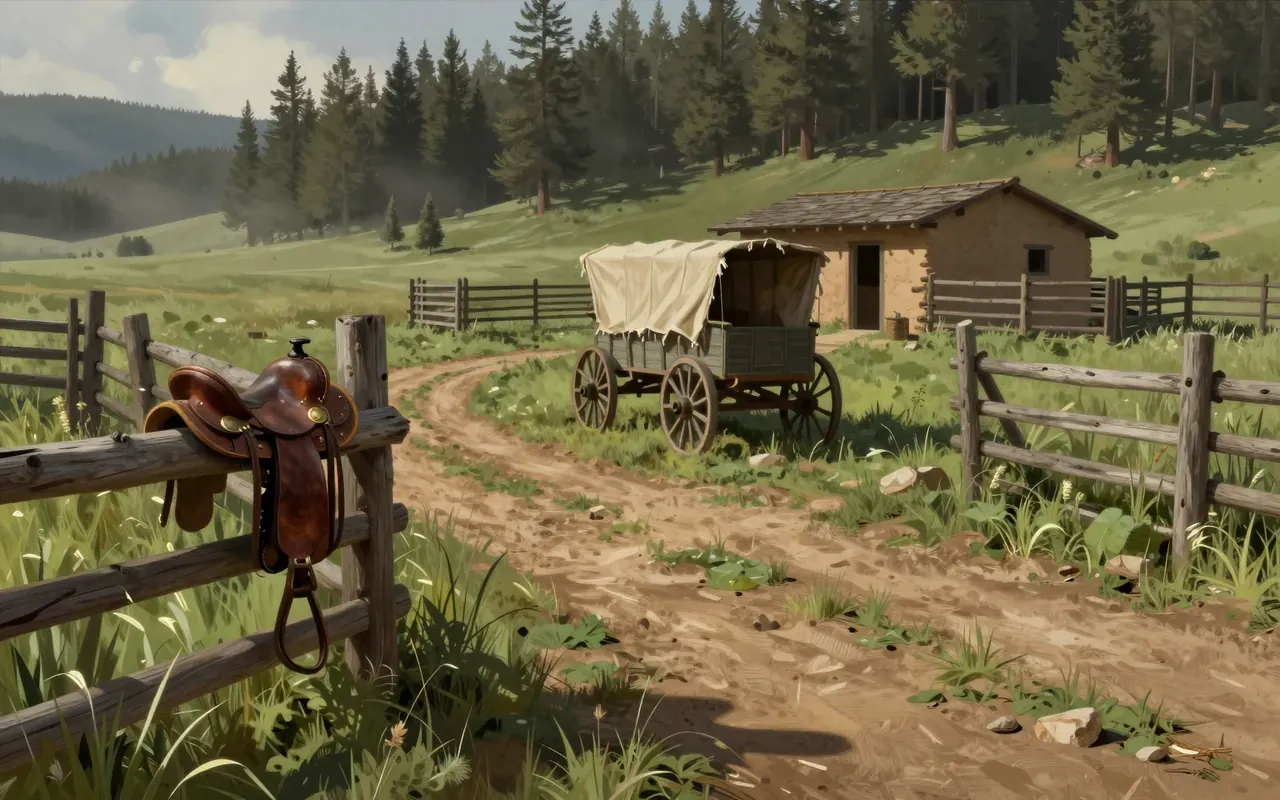
Red Dead Redemption 2 is an action-adventure game developed collaboratively across Rockstar Games’ global studios and credited solely to Rockstar Games. It is a Western-themed open-world title set in a fictionalised late-19th-century United States, where players control Arthur Morgan (then John Marston) across a linear narrative framed by systemic world simulation.
How it actually plays
The game runs on the Rockstar Advanced Game Engine (RAGE). Players control Arthur Morgan in first- or third-person while freely roaming an open world. Sessions consist of linear story missions punctuated by open-world activities: horseback riding, shootouts, robberies, hunting, swimming (Arthur only), NPC interaction, and managing a bounty system. Combat includes melee, firearms, bow and arrow, throwables, dynamite, and dual-wielding. Horses have breed-specific attributes. A rotating Honor rating responds to moral choices and deeds, altering dialogue and outcomes. Core systems enforce realism: rotting carcasses, weather-dependent core depletion, weight-based stat trade-offs, weapon maintenance, and time-slowing Dead Eye targeting.
What works
The interplay between horse breeds and terrain creates tangible physicality in movement. The bounty system makes crime feel consequential: law enforcement and bounty hunters respond dynamically to player actions. Rotting carcasses, weather-driven core depletion, and weapon degradation enforce material stakes. Dead Eye’s time-slowing targeting gives precision without abstraction — it is a rule-bound tool, not a magic power.
What does not
It does not sustain momentum between story missions. The open world’s density creates friction without direction. Swimming is unavailable as John Marston. Dead Eye and weapon maintenance impose rhythm-breaking micro-tasks. The Honor system affects dialogue and outcomes but never alters mission structure or world state in irreversible ways.
Who it is for, and who it is not
It is for players who value environmental storytelling over plot efficiency, who enjoy reading systems rather than mastering them, and who accept slow, embodied traversal as part of meaning-making. It is not for players seeking tight loops, clear progression metrics, or agency that reshapes narrative architecture.
Is it worth your time
It is worth your time if you want a dense, reactive Western world where consequence is procedural, not scripted — and if you accept that its pacing, scale, and systemic friction are inseparable from its intent.