What the game is
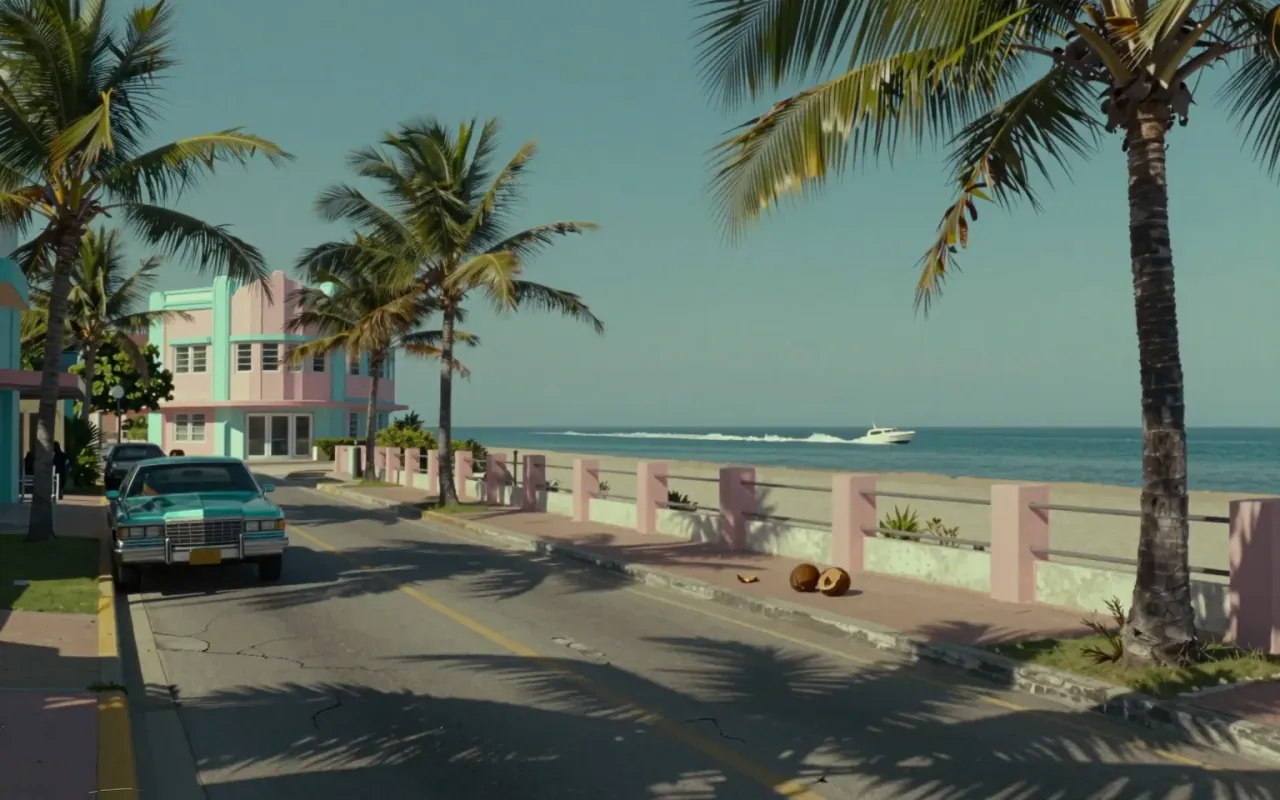
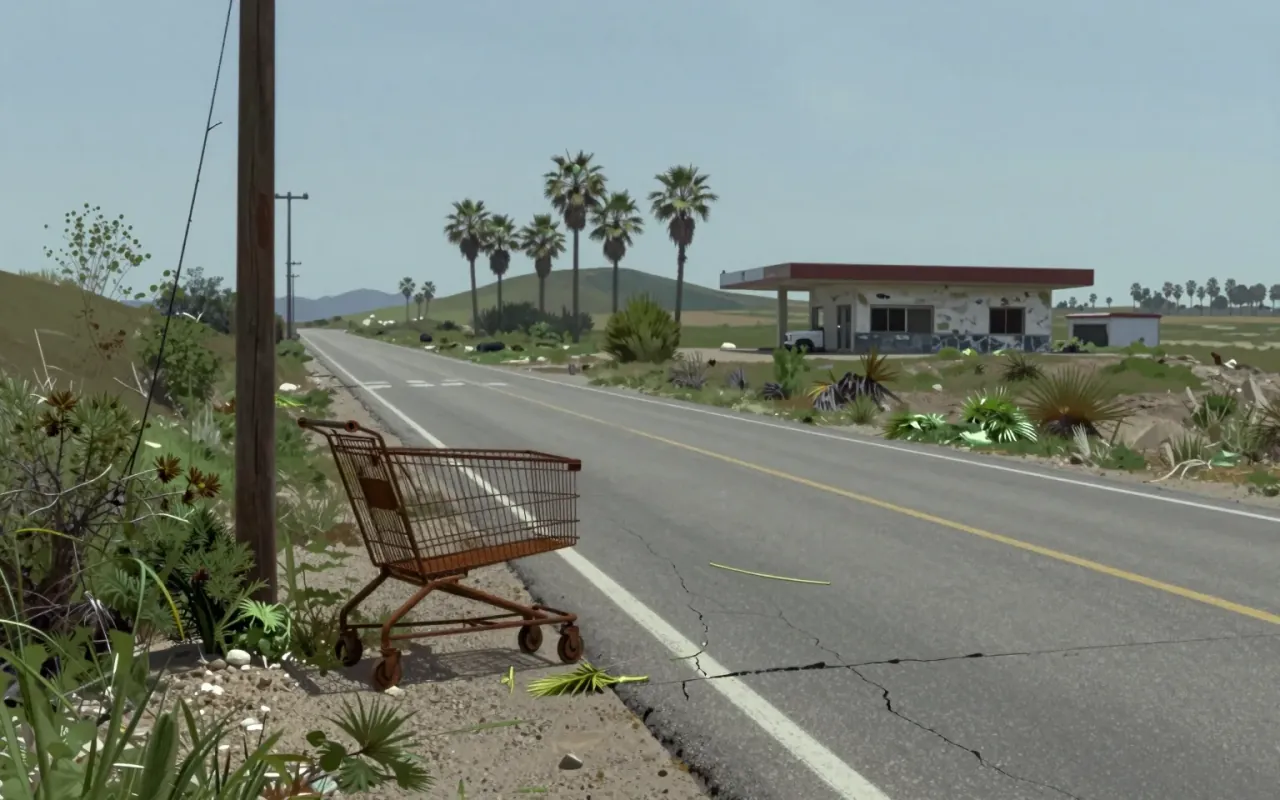
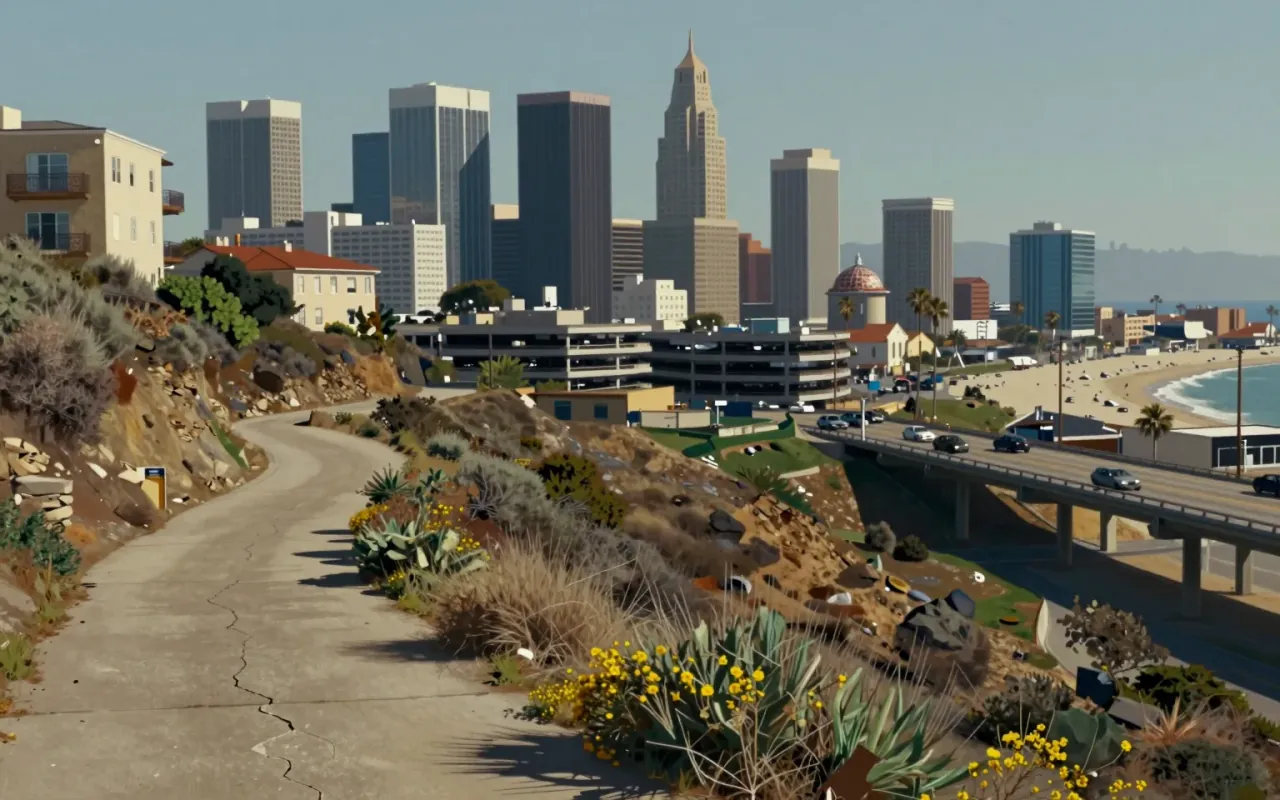
An action-adventure game released in 2013 by Rockstar Games. It is an open-world simulation of Southern California and Los Angeles, modelled as the fictional state of San Andreas and city of Los Santos. Players control three protagonists—Michael, Franklin, and Trevor—and switch between them during and outside linear story missions centred on heists.
How it actually plays
Players switch between three protagonists while navigating a Southern California–inspired open world on foot or by vehicle, in third- or first-person. Story progression happens through linear missions centred on heists, demanding shooting, driving, and tactical coordination with AI accomplices. A ‘wanted’ system escalates police response to crimes. Outside missions, players roam freely, engage in context-specific activities like scuba diving or BASE jumping, buy property, trade stocks, and develop character-specific skills. Health regenerates only to halfway; death triggers respawn at a hospital.
What works
The open world functions as a unified, systemic playground: driving physics, traffic logic, weather transitions, and the ‘wanted’ system all feed into one coherent feedback loop. Heists demand preparation, role assignment among AI accomplices, and adaptive execution—offering rare strategic weight in an action-adventure frame. Context-specific activities (e.g., scuba diving, BASE jumping) are fully integrated, not tacked-on minigames. The RAGE engine delivers consistent spatial continuity across scale—from street-level detail to distant mountain ranges—without loading breaks.
What does not
The three-protagonist structure creates persistent dissonance: switching mid-mission fractures immersion, and the characters’ motivations rarely align meaningfully with player action. The world’s density masks repetition—traffic, pedestrian routines, and police behaviour recycle without meaningful variation. The cover-based shooting and auto-aim flatten combat into rhythm rather than responsiveness. Stock trading and property systems exist but lack depth or consequence beyond scripted triggers.
Who it is for, and who it is not
It is for players who value environmental density over narrative unity, systemic reactivity over authored pacing, and long-session sprawl over tight, curated arcs. It is not for players who prioritise character-driven coherence, require consistent tone or moral framing, or dislike friction from UI-heavy menus, abrupt perspective shifts, or mandatory mission gating.
Is it worth your time
Yes—if you want a dense, reactive open world built for sustained, self-directed play across multiple narrative arcs. It asks for time, attention to systemic interplay (e.g., stock market shifts tied to mission outcomes), and tolerance for tonal whiplash between satire and brutality. It does not ask for precision platforming, moral consistency, or narrative cohesion across its three leads.