What the game is
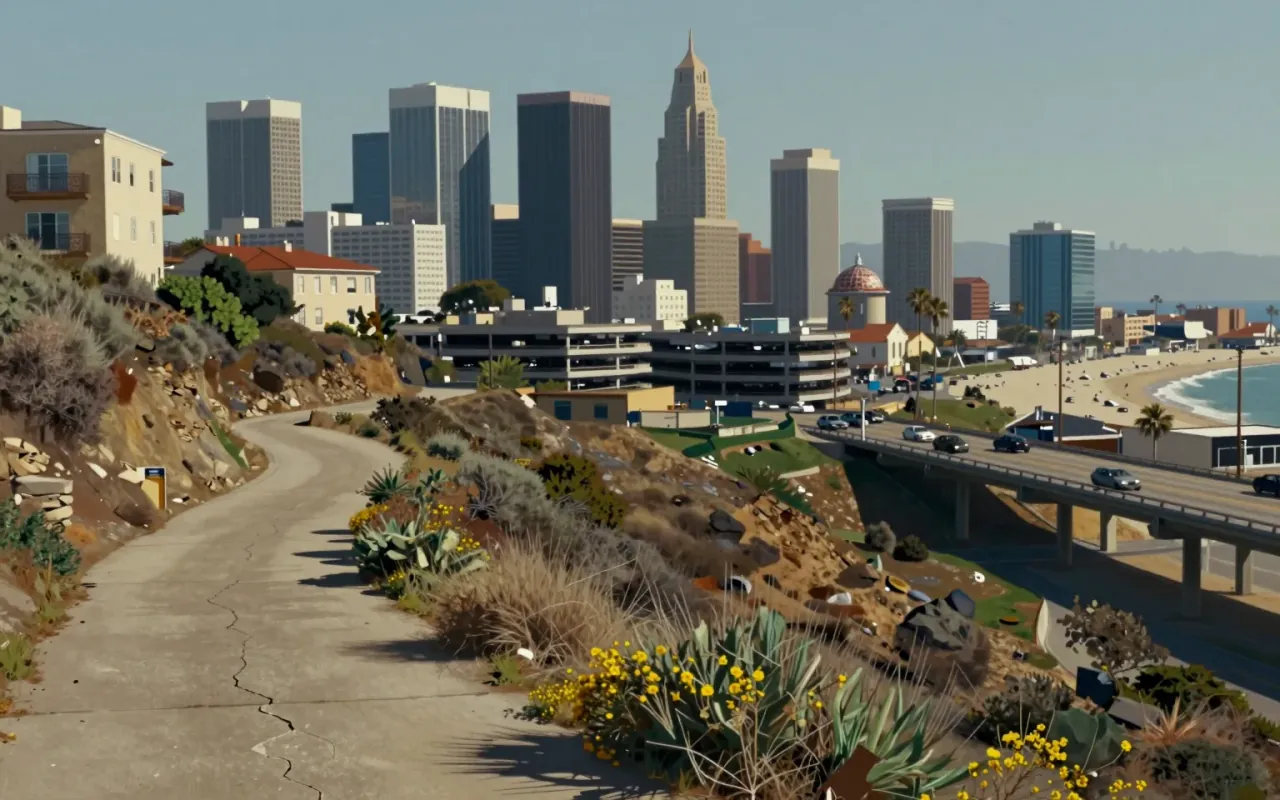
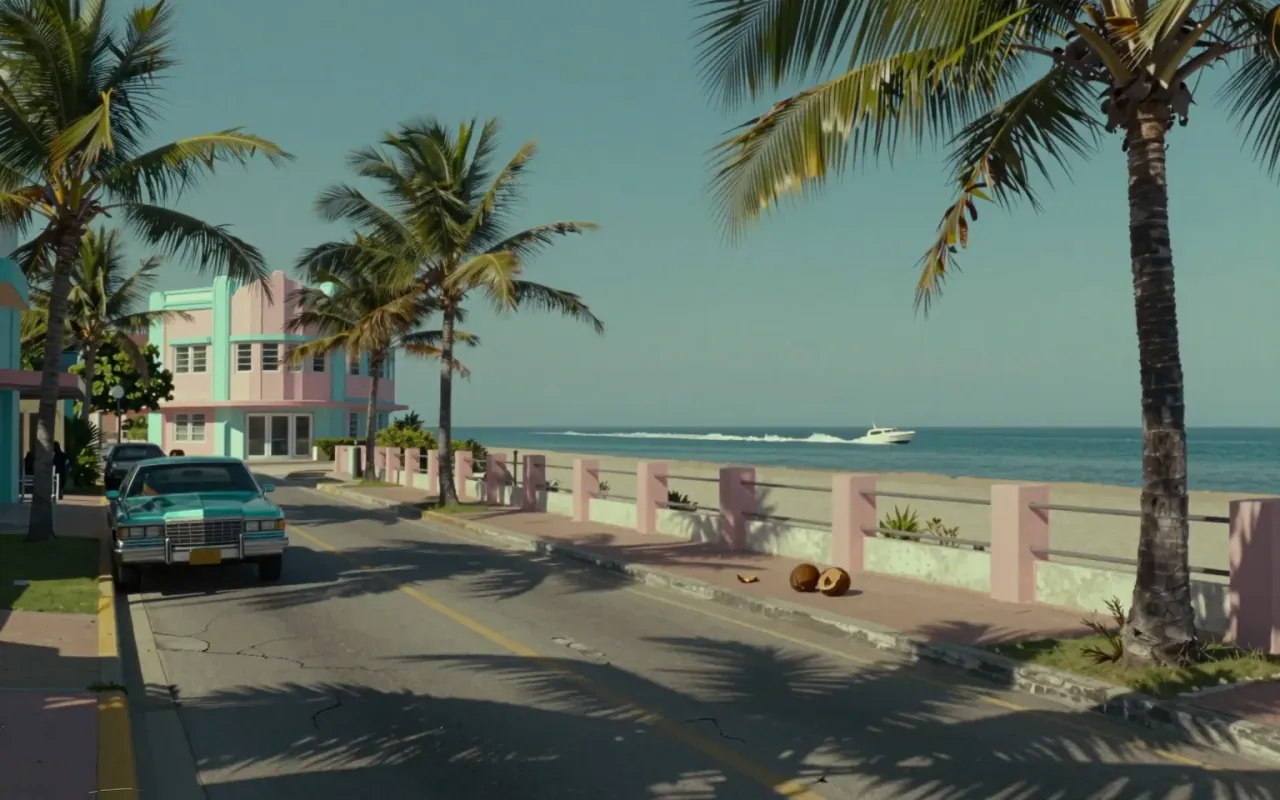
Grand Theft Auto: Vice City is an action-adventure game developed by Rockstar North and published by Rockstar Games in 2002. It is set in a fictional 1980s Miami-inspired city composed of two main islands. The player controls Tommy Vercetti to complete linear story missions and optional side activities while freely roaming the open world.
How it actually plays
The player moves Tommy Vercetti on foot or by vehicle across two islands. Missions are linear and objective-driven. Several may be active at once, some requiring the player to wait. Outside missions, the player roams freely and takes optional side activities. Combat uses melee, firearms, and explosives. The sniper rifle and rocket launcher switch to first-person aiming. Running, jumping, and driving are the core movement verbs.
What works
The mission design delivers clear cause-and-effect pacing: acquire asset → recruit crew → execute heist → claim territory. The two-island layout creates tangible geography—bridges act as chokepoints, not just scenery. Vehicle variety and first-person aiming on heavy weapons give combat distinct texture. Property purchases and gang alliances establish short-term goals that feed directly into mission unlocks.
What does not
It does not sustain long-term engagement through emergent systems. The world does not react meaningfully to player choices outside mission triggers. The ‘wanted’ meter, health, and armour are static systems—not evolving challenges. There is no persistent consequence to failure beyond mission restart.
Who it is for, and who it is not
It is for players who enjoy scripted, cinematic crime stories with tactile vehicle and weapon feedback—and who accept that freedom here means choosing which mission to do next, not how the world reshapes around them. It is not for players seeking procedural storytelling, moral ambiguity, or persistent world simulation.
Is it worth your time
Yes—if you want a tightly scripted, 2002-era open-world action loop built around property, gangs, and escalating crime. It is not for players who expect modern navigation aids, narrative nuance, or systemic depth beyond its mission-and-reward structure.