What the game is
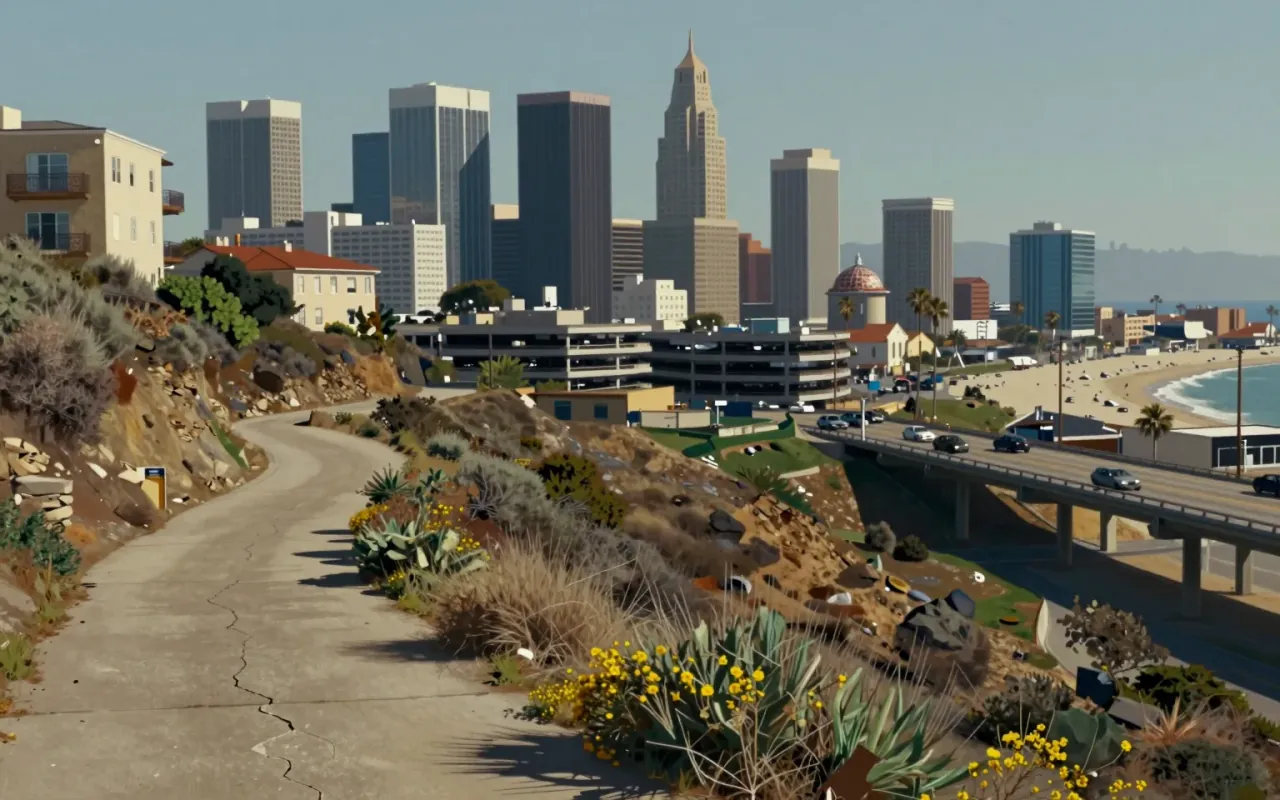
Grand Theft Auto III is a 2001 action-adventure game developed by DMA Design and published by Rockstar Games. It is the first 3D entry in the Grand Theft Auto series. It is set in Liberty City—a fictional, New York–inspired metropolis composed of three islands—and follows Claude, a silent protagonist pursuing revenge against his ex-girlfriend.
How it actually plays
The player moves through Liberty City on foot or in vehicles. Missions are linear, with set objectives, and multiple may be available at once. Some require waiting for instructions or events. The world is divided across three islands, unlocked progressively. A wanted-level system triggers escalating police response. Combat uses drive-by shooting, health and armour mechanics, and a wide array of weapons.
What works
It establishes a living city through density, not simulation: layered radio stations, ambient chatter, persistent weather, and traffic that fills streets without needing AI depth. The third-person perspective anchors spatial awareness in a way top-down predecessors could not. The wanted-level system creates immediate, scalable consequences for actions. Unlocking islands ties narrative momentum to geographical expansion.
What does not
The silent protagonist offers no interiority. Mission structure remains rigidly linear despite the open world. Vehicle handling feels unresponsive. Physics are inconsistent. The city breathes only in narrow ways—traffic follows fixed routes, pedestrians rarely react meaningfully. Progression is gated by story unlocks, not player skill or exploration.
Who it is for, and who it is not
It is for players curious about foundational open-world grammar—not those seeking polished interaction or narrative cohesion. It is not for players who require responsive controls, coherent character motivation, or systems that reward improvisation over sequence-breaking.
Is it worth your time
Yes—if you want to experience how open-world design first forced players to read city space as terrain, not backdrop. It demands patience with clunky controls and dated physics, but rewards attention to systemic friction: how traffic flows, how cops pathfind, how islands gate progression. It is not a smooth ride. It is a historical pressure point.