A toy disguised as a game—no win condition, no story, just endless domestic tinkering.
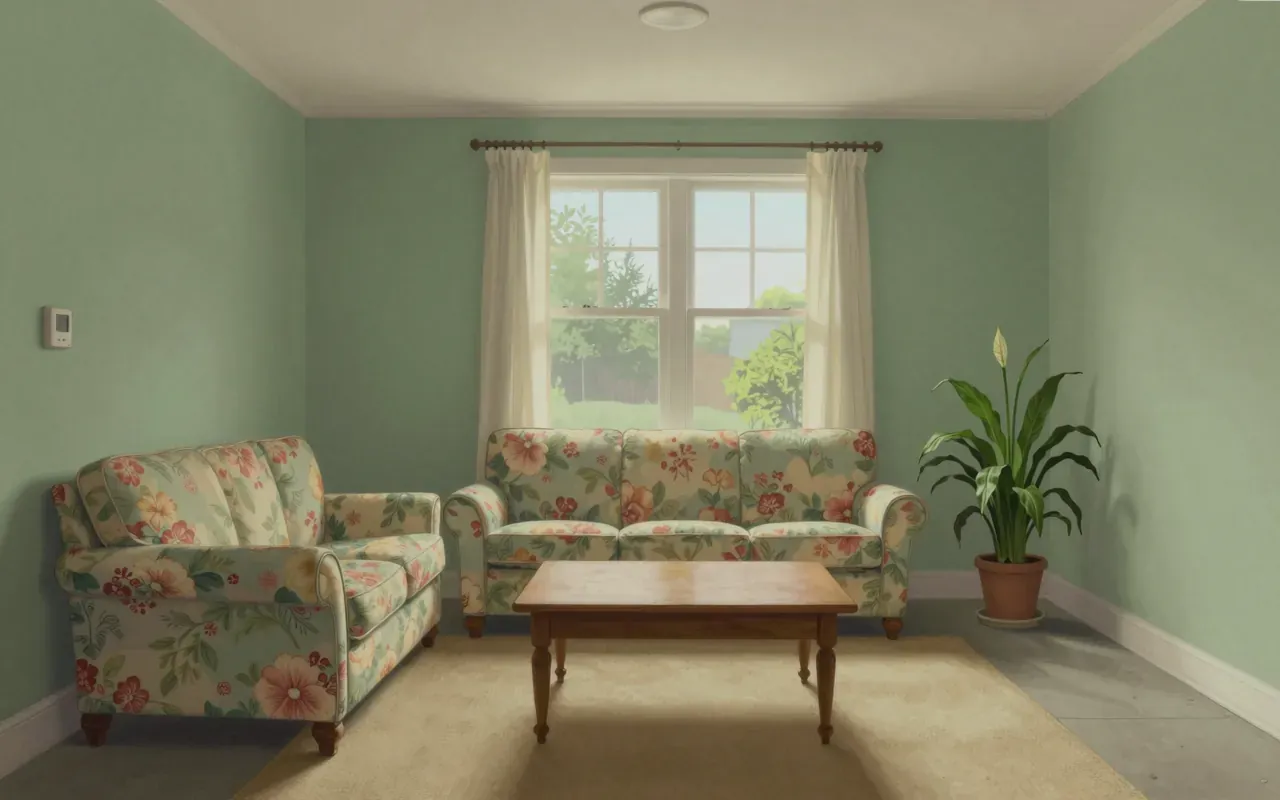
The Sims is a social simulation video game developed by Maxis and published by Electronic Arts in 2000. Designed by Will Wright, it allows players to create and control virtual people called Sims, build and furnish homes, and manage Sims' needs, relationships, careers, and household finances. Its open-ended gameplay has no fixed win condition. The Sims is an artificial life game built around simulated characters who respond to needs, objects, and other Sims. Although Sims can act autonomously when free will is enabled, the player usually directs their actions, manages their household, and decides how they develop relationships, skills, careers, and homes. Because the game has no fixed win condition, it can be played indefinitely and has been described as more like a toy than a traditional game. Sims are influenced by the player to interact with objects or other Sims. If enabled in the game's options, Sims have a certain amount of free will, allowing them to autonomously interact with their world; however, the player can override most of these autonomous actions by canceling them in the action queue at the top of the screen.
It is not a story-driven or goal-oriented game—it is an artificial life system built around needs, objects, and social response.
2:46
What do you actually do?
You do not compete or conquer—you place Sims, assign actions, and steer development across needs, homes, relationships, and careers.
4:30
How much control do you have?
Free will is optional—and always provisional—the action queue puts final authority in your hands, not the Sims’.
6:15
What ends the game?
There is no win condition, so there is no endpoint—only continuation, iteration, and self-imposed purpose.
Worth your time?
Yes. Play the whole thing.
4/ 5
What works
open-ended-play
precise-action-control
self-directed-purpose
What does not
win-condition
narrative-closure
systemic-consequence
Play it if
players-who-enjoy-emergent-behaviour
players-who-build-domestic-environments
players-who-direct-social-dynamics
Skip it if
players-who-rely-on-goals
players-who-need-endpoints
players-who-require-escalating-challenges
The written brief1 min read
What the game is
The Sims is a social simulation video game. It is an artificial life game built around simulated characters who respond to needs, objects, and other Sims.
How it actually plays
Players direct Sims to interact with objects or other Sims. They build and furnish homes. They manage needs, relationships, careers, and household finances. Free will can be enabled, letting Sims act autonomously—but the player overrides most actions via the action queue at the top of the screen.
What works
It works as a toy: players create Sims, build homes, and decide how relationships, skills, careers, and homes develop. Its open-endedness invites sustained, self-directed play. The action queue gives precise control over autonomy.
What does not
It does not establish stakes. It does not resolve conflict. It does not reward mastery with new capabilities or deeper systems. It withholds win conditions, narrative closure, and systemic consequence.
Who it is for, and who it is not
It is for players who enjoy observing emergent behaviour, constructing domestic environments, and directing small-scale social dynamics. It is not for players who rely on goals, endpoints, or escalating challenges to sustain engagement.
Is it worth your time
It is worth your time if you want open-ended simulation that asks you to shape lives without goals. It is not worth your time if you need clear objectives, narrative progression, or mechanical escalation.