What the game is
The Sims 2 is a 2004 PC social simulation game by Maxis. It replaces the original’s dimetric engine with full 3D. It simulates lifespans, genetics, and emergent relationships inside player-built homes and pre-designed neighborhoods.
How it actually plays
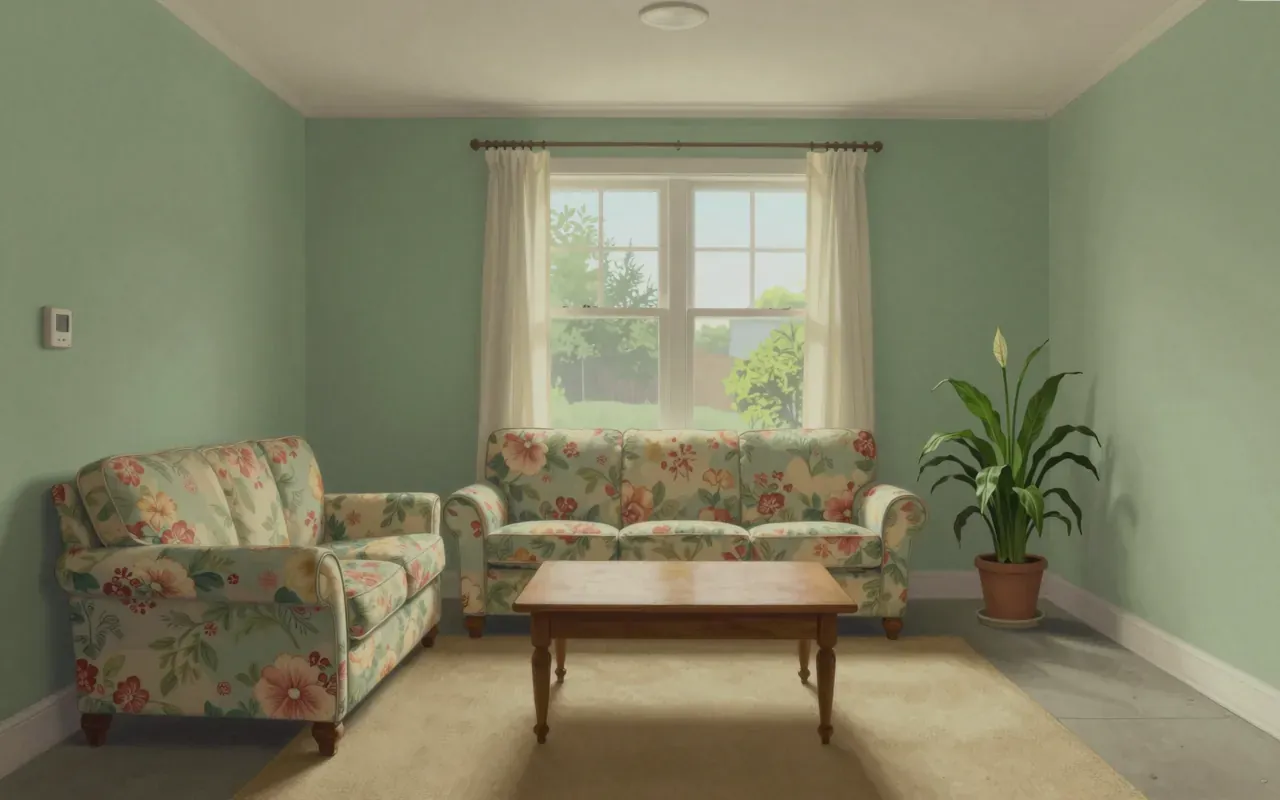
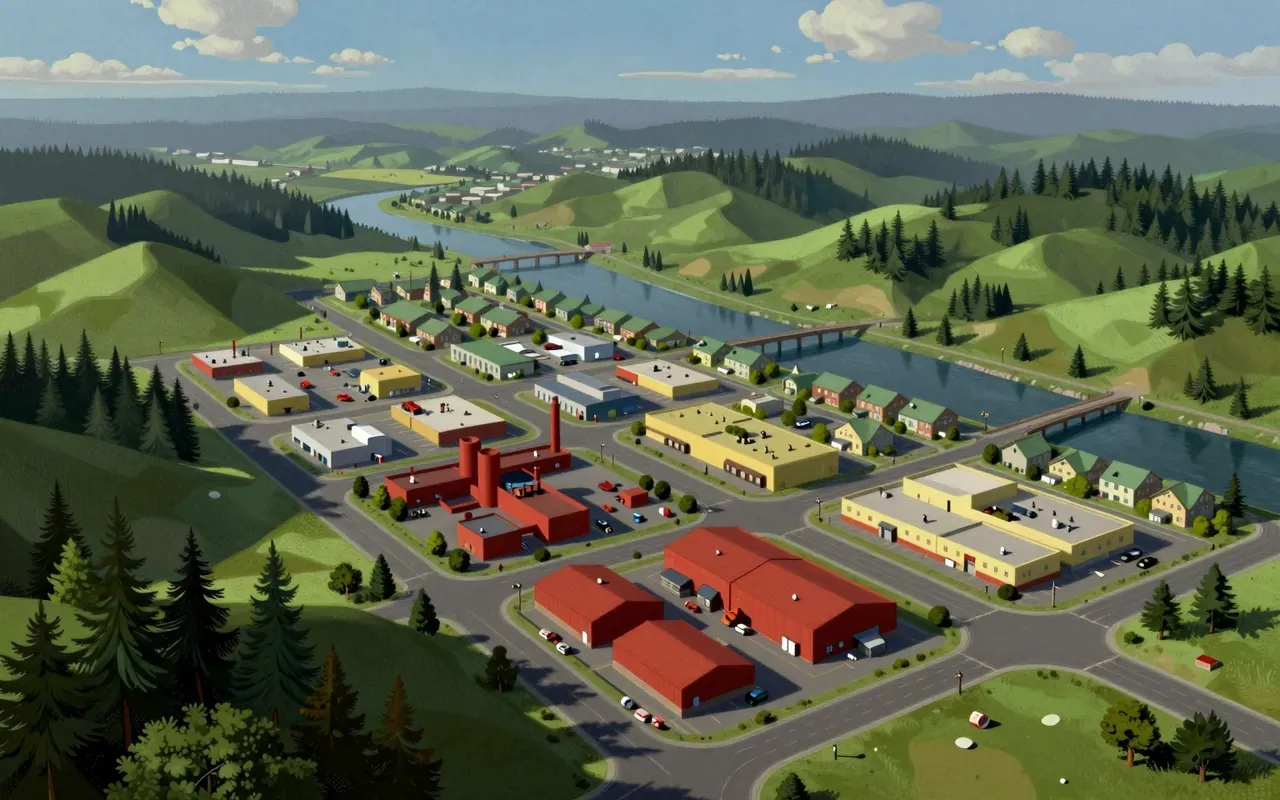
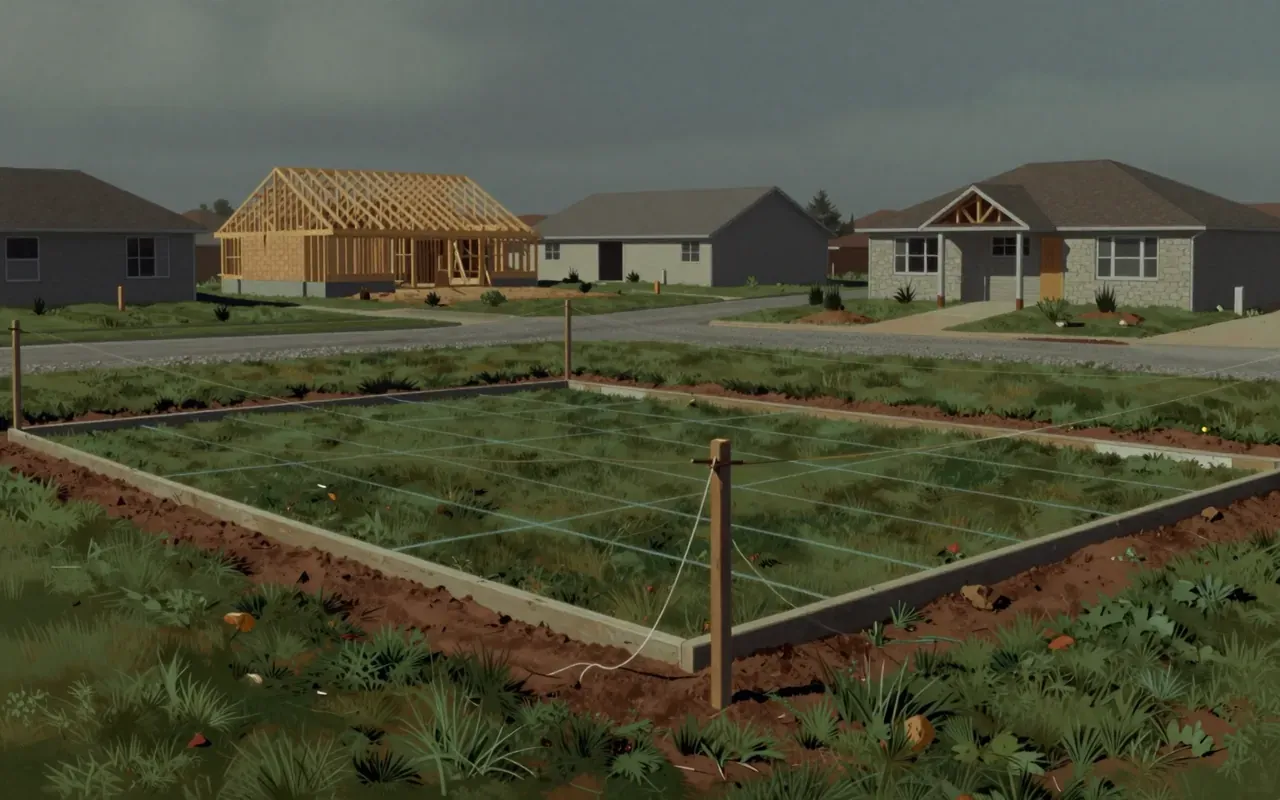
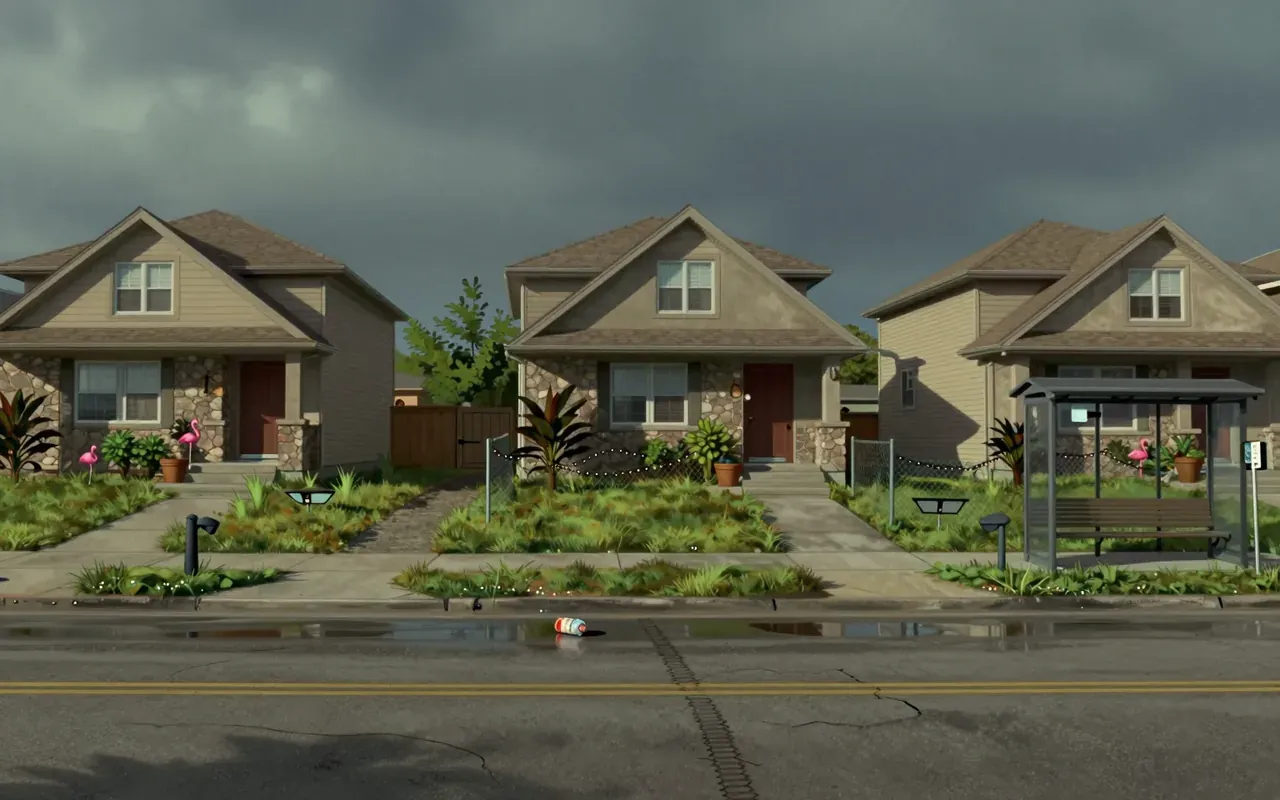
The player selects a lot from the neighborhood view and manages one household at a time. Sims age from birth to death. The player directs actions to satisfy wants, avoid fears, and pursue life goals. Genetics shape offspring appearance and traits. Camera rotates freely in 360°. Pre-built neighborhoods contain scripted events and storylines, but no overarching plot.
What works
Lifespan management gives weight to time. Genetics make offspring legible as descendants—not random sprites. 360° camera enables deliberate framing and spatial awareness. Wants and fears create immediate, readable feedback loops. Non-linear play supports long-term investment without gatekeeping.
What does not
It does not deliver directed storytelling. Scripted events are sparse and isolated. The neighborhood view is functional, not expressive. There is no persistent world state across lots. Wants and fears lack systemic escalation or decay over time. The loop remains action → reaction → reward, with no evolving stakes.
Who it is for, and who it is not
It is for players who value domestic world-building, intergenerational consequence, and tactile control over environment and character. It is not for players who require authored narrative, real-time cohabitation, or systems that evolve beyond individual Sim agency.
Is it worth your time
Yes—if you want open-ended simulation with generational continuity, tangible cause-and-effect for relationships and traits, and spatial freedom in a fully 3D domestic world. No—if you need narrative scaffolding, multiplayer, or mechanical novelty beyond what was introduced in 2004.