What the game is
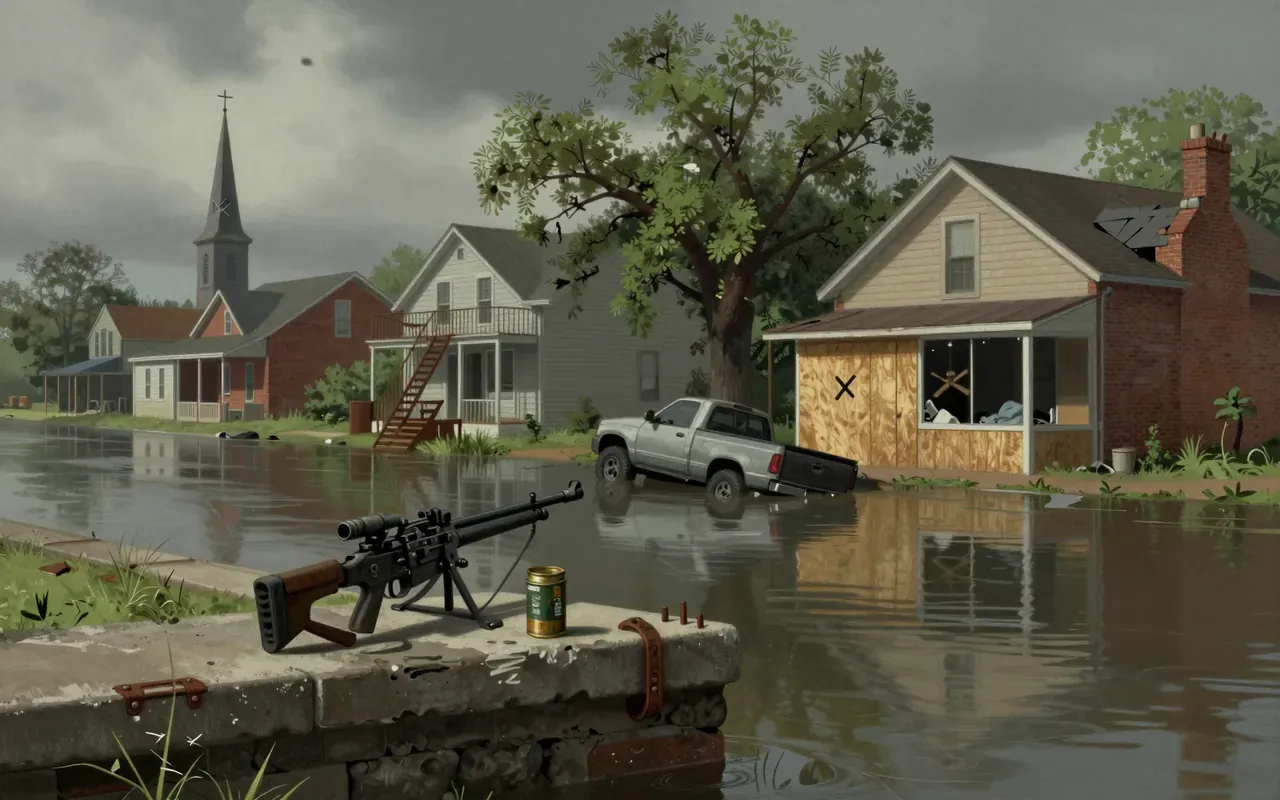
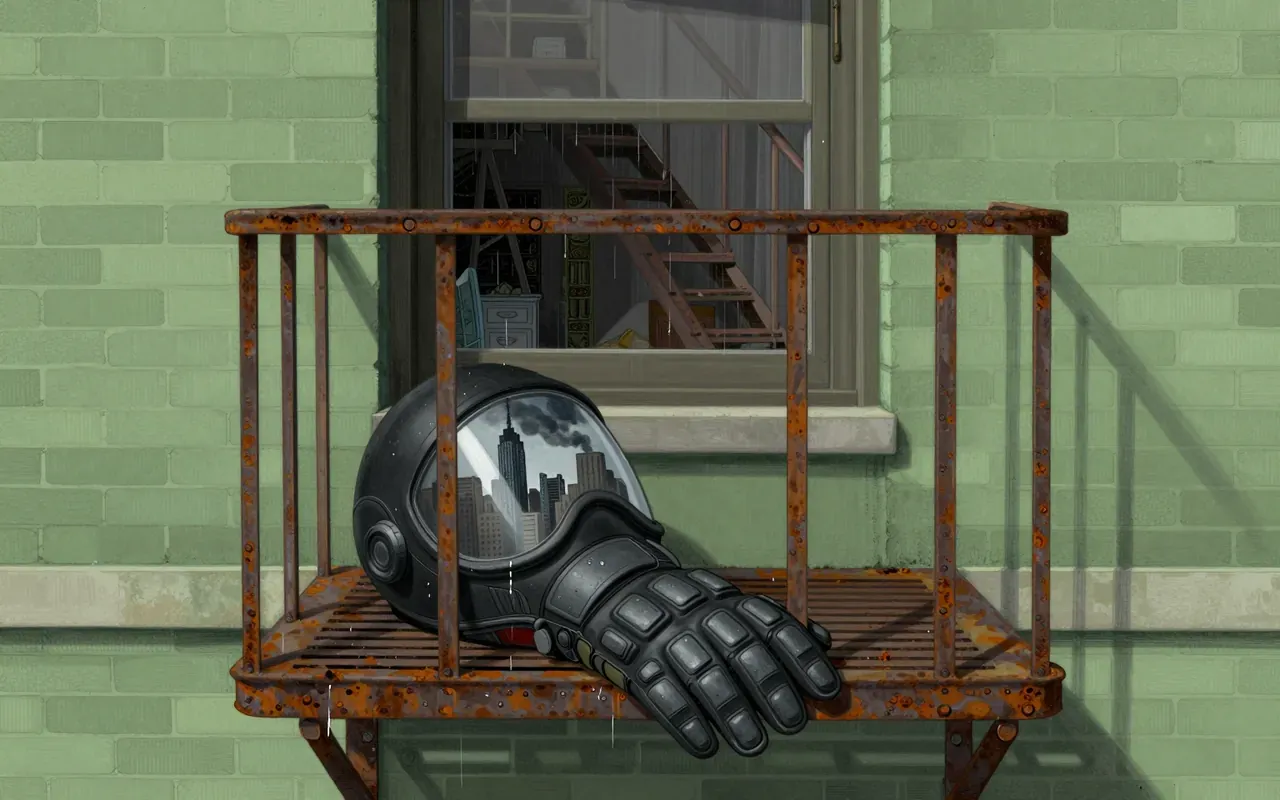
Crysis 2 is a first-person shooter developed by Crytek and released in March 2011. It is a direct sequel to Crysis. It casts you as Force Recon Marine Alcatraz in an evacuated, war-torn New York City—the ‘urban jungle’.
How it actually plays
You move as Alcatraz through ruined New York City. You climb between floors and buildings. You plan attacks using vertical sightlines and cover. You toggle Nanosuit modes—Power, Tactical, Stealth, Armor—often two at once. You customise weapons and abilities between missions. The loop is linear progression punctuated by tactical pauses: assess, suit-up, engage, adapt.
What works
The Nanosuit 2.0’s simultaneous mode use creates real-time trade-offs: Stealth lets you melee silently but drains energy; Armor protects but slows you; Tactical overlays threat data without disabling movement. Vertical navigation across collapsed buildings gives combat texture. Weapon and ability customisation lets you tune engagements to your rhythm.
What does not
It does not sustain the open-ended experimentation of Crysis 1. It does not let you reshape encounters through emergent physics or environmental interaction. It does not support co-op or multiplayer in the material. It withholds systemic freedom in favour of authored vertical set-pieces.
Who it is for, and who it is not
It is for players who value tactile, moment-to-moment control in a constrained but dense environment. It is not for players seeking narrative immersion, systemic simulation, or non-linear exploration. It assumes familiarity with FPS conventions and rewards spatial awareness over story investment.
Is it worth your time
Yes—if you want a tightly paced, hardware-conscious FPS that treats urban space as terrain to be climbed, scanned, and exploited. No—if you expect open-ended systems, narrative depth, or meaningful player agency beyond moment-to-moment combat choices.