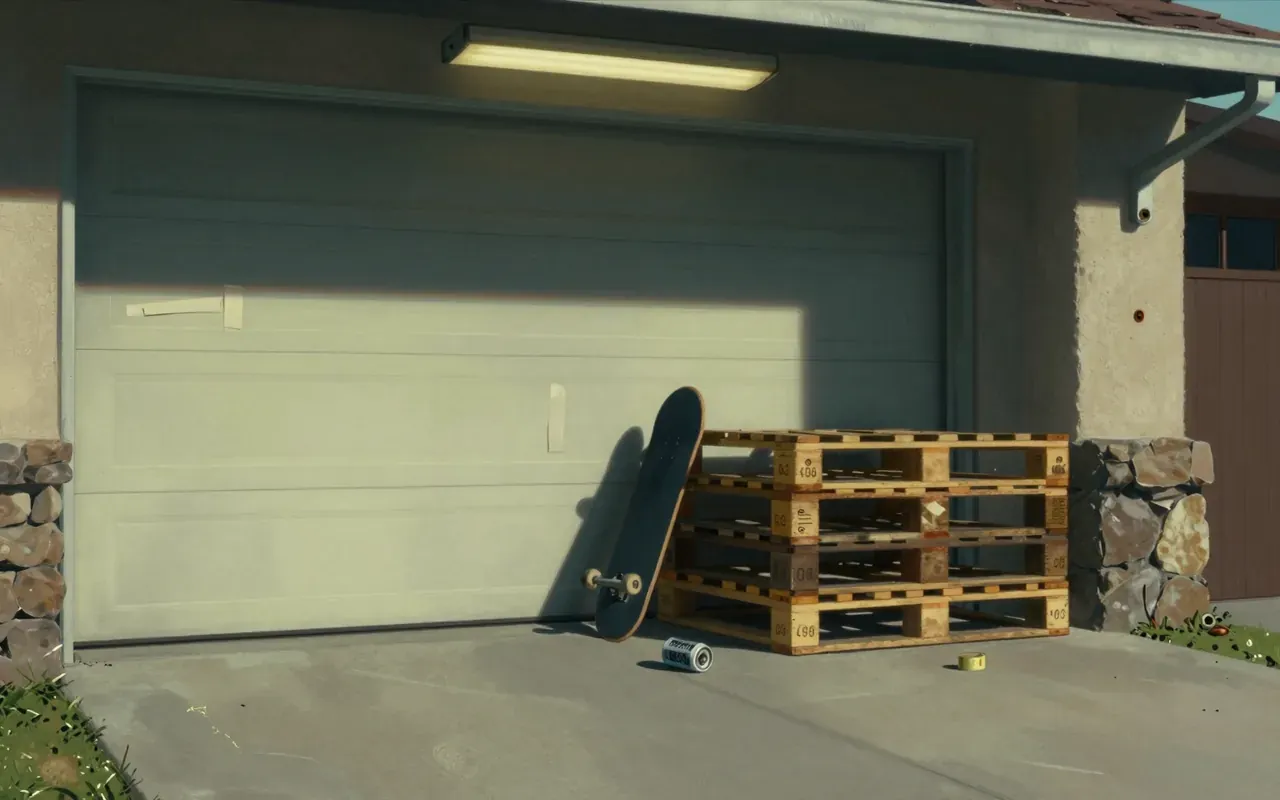
What the game is
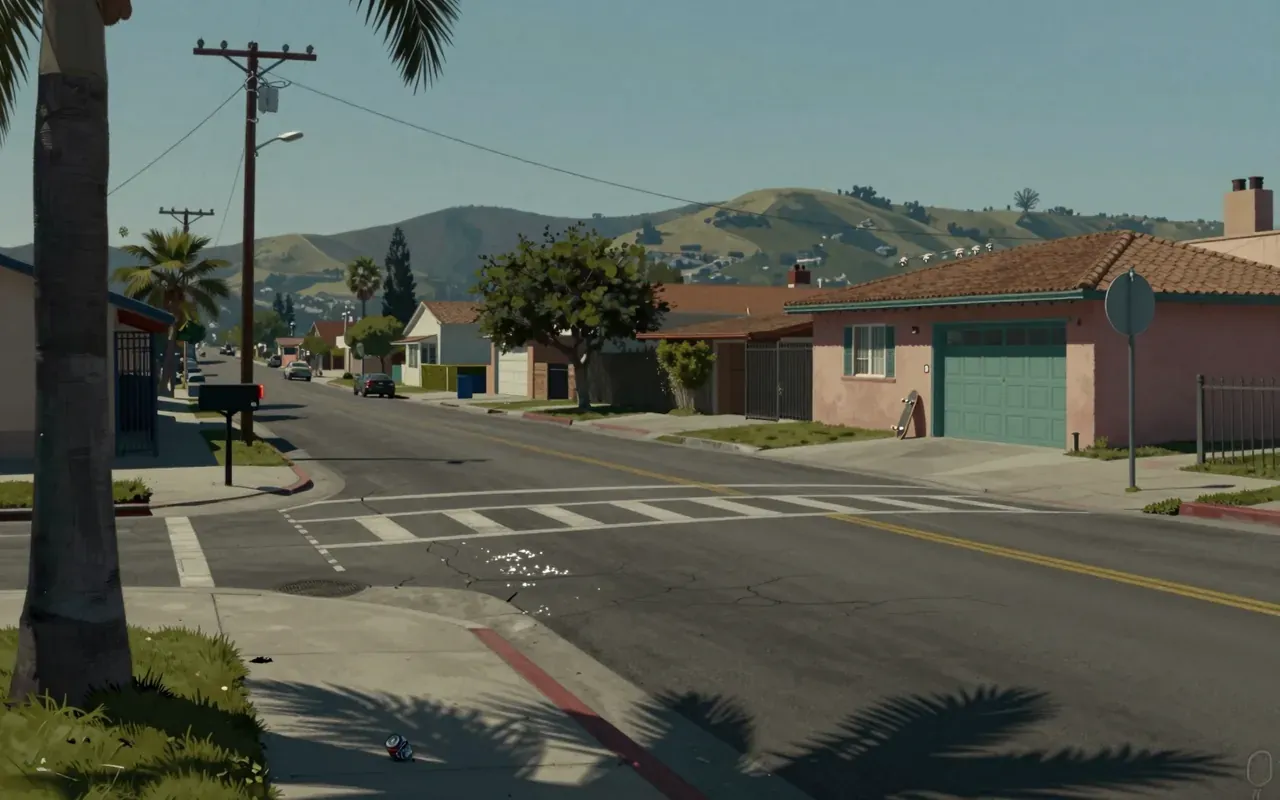
Skate 2 is a 2009 skateboarding game by EA Black Box set in the fictional city of New San Vanelona. It follows a skater recently released from jail, tasked with reviving skate culture after earthquakes while evading Mongocorp security. It uses the Flickit control scheme, supports local four-player party play and online multiplayer, and treats the city as a playground for trick-based scoring and challenge completion.
How it actually plays
Players control a custom skater in third-person across an open-world New San Vanelona. Tricks — ollies, flip tricks, grinds, grabs — are executed using the Flickit scheme: right-stick motion patterns map to foot movements. Points accrue from trick sequences and challenges. Money is earned through races, trick contests, and bets, then spent on clothes or property. Mongocorp zones impose security patrols that must be evaded. Sessions involve chaining tricks for points, navigating the city to trigger objectives, and managing risk versus reward in contested spaces.
What works
Flickit delivers immediate physical feedback: stick motions directly translate to board movement, making tricks feel earned, not selected. The open world rewards exploration with discoverable lines and improvised combos. Mongocorp patrols add low-stakes tension without breaking flow. Local party play turns trick attempts into shared spectacle. The loop — skate, score, spend, repeat — is tight, self-contained, and scales cleanly with player ambition.
What does not
The career mode’s jail-to-revival premise never translates into meaningful stakes or character agency. Mongocorp’s presence is environmental texture, not a coherent antagonist. The open world offers traversal and trick potential but no emergent systems beyond patrol evasion. Progression flattens after initial unlocks: money buys cosmetics and property, but neither meaningfully alters play.
Who it is for, and who it is not
It is for players who value tactile control over cinematic storytelling, who enjoy replaying city blocks to refine lines, and who treat sports games as physics sandboxes rather than competition simulators. It is not for players who require strong narrative scaffolding, persistent world change, or multiplayer modes with ranked structure or long-term progression.
Is it worth your time
Yes — if you want a tactile, consequence-light skate sim with systemic urban friction and room to improvise within its physical grammar. No — if you expect narrative depth, mechanical polish beyond its core loop, or sustained progression that outlasts the novelty of Flickit.