What the game is
Skate 3 is a third-person, open-world skateboarding game developed by EA Black Box. It tasks players with selling one million skateboards by completing challenges, after failing Jump The Shark. It introduces Easy and Hardcore difficulty modes, an optional tutorial (Skate School), and a park builder (Skate.Park).
How it actually plays
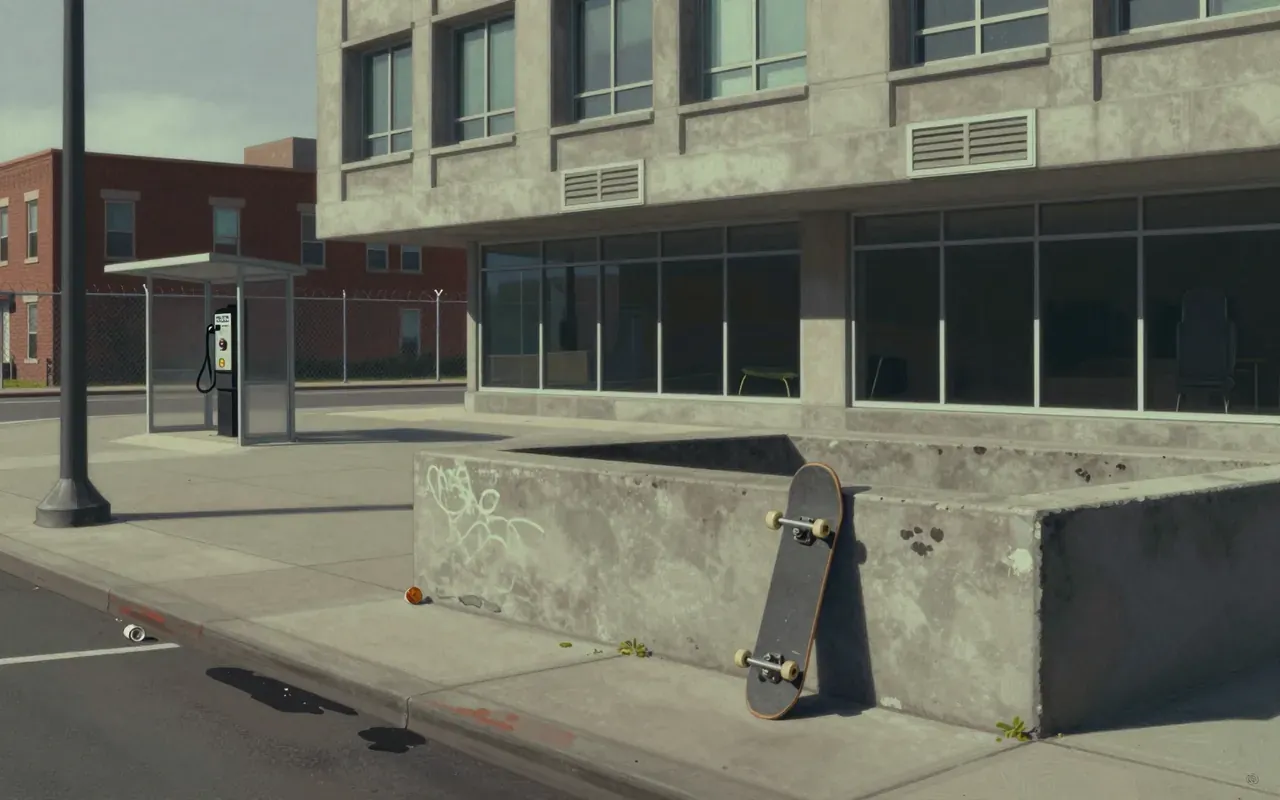
The game runs in third-person across an open world. Players control ‘The Legend’ to complete challenges that incrementally sell skateboards toward a target of one million. Trick execution shifts with difficulty: Easy Mode simplifies inputs and increases character control; Hardcore Mode demands precise timing and motion for tricks, enforcing simulation fidelity. Sessions consist of chaining tricks in environments, failing Jump The Shark early, then building a team and park via Skate.Park’s object dropper tool.
What works
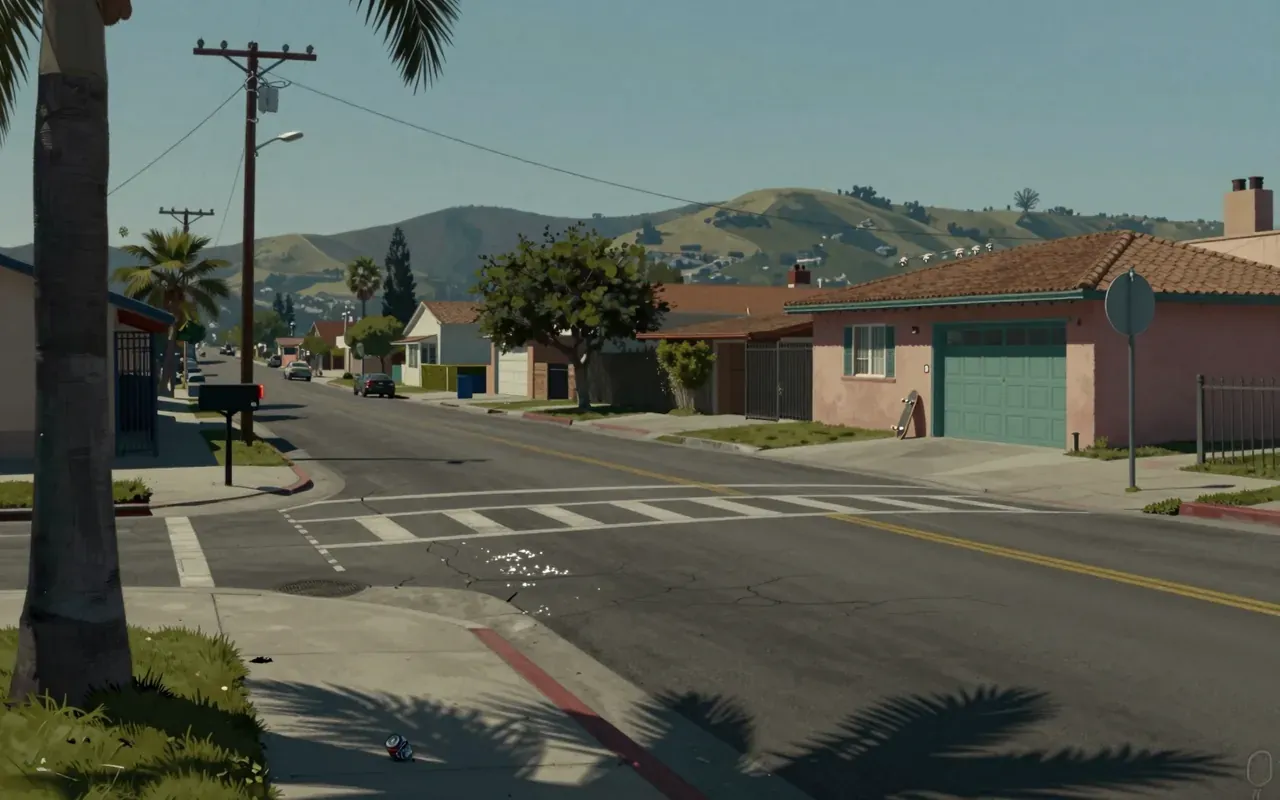
The dual difficulty system cleanly splits the audience: Easy Mode lowers the barrier to expressive trick flow; Hardcore Mode rewards deliberate, tactile input. Skate.Park gives tangible authorship—players drop objects to sculpt terrain, then skate it immediately. The open world functions as a continuous playground, not segmented levels.
What does not
Online-only multiplayer at launch cuts off local party play without DLC. The open world serves as challenge scaffolding, not lived-in place. Selling one million boards is a numerical goal with no mechanical or narrative weight behind it. Coach Frank’s tutorial exists but does not alter progression—it is optional and self-contained.
Who it is for, and who it is not
It is for players who value physical feedback over plot, enjoy iterative skill-building through repetition, and want tools to design and share spaces. It is not for players who require narrative cohesion, offline social play out-of-the-box, or systems that evolve beyond trick-completion loops.
Is it worth your time
Yes—if you want to shape space with physics-based movement, test muscle memory across two distinct difficulty philosophies, or build and share parks without narrative pressure. No—if you need offline multiplayer, story depth, or a cohesive world beyond functional skating terrain.