What the game is
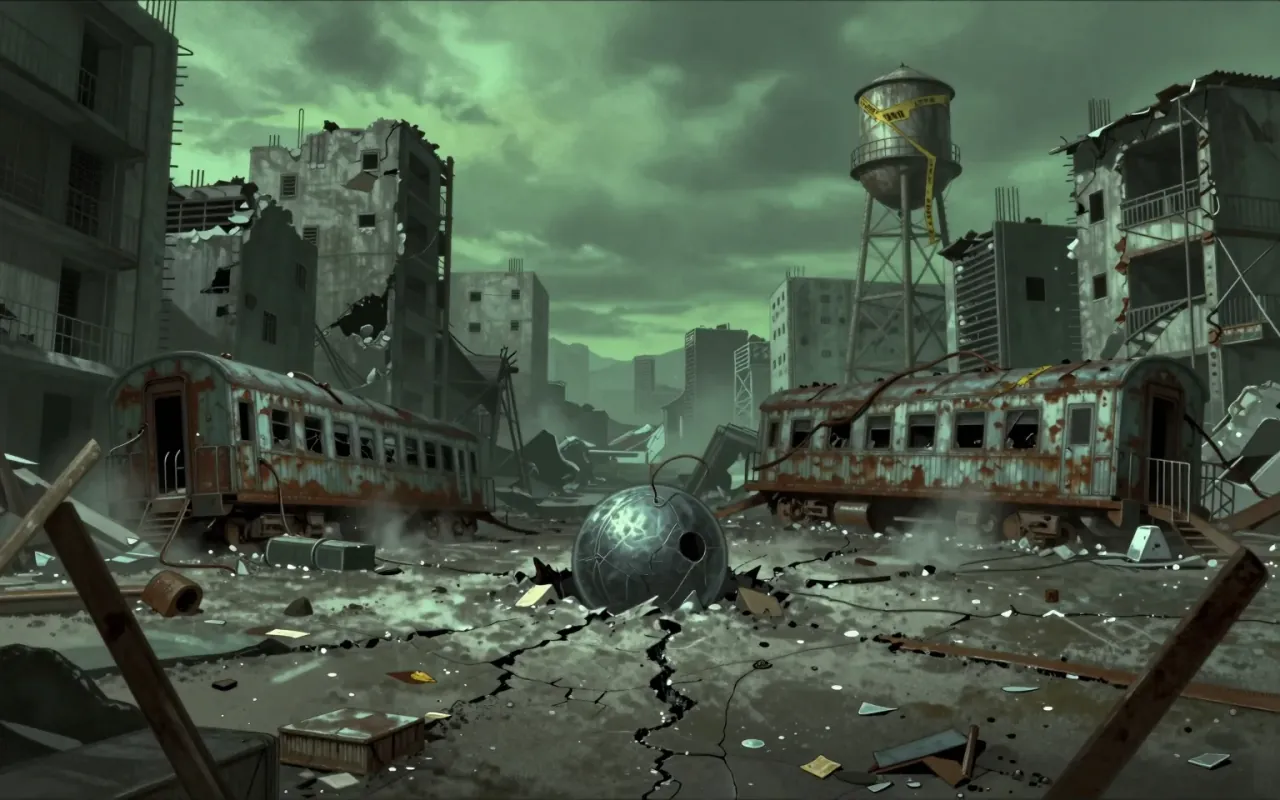
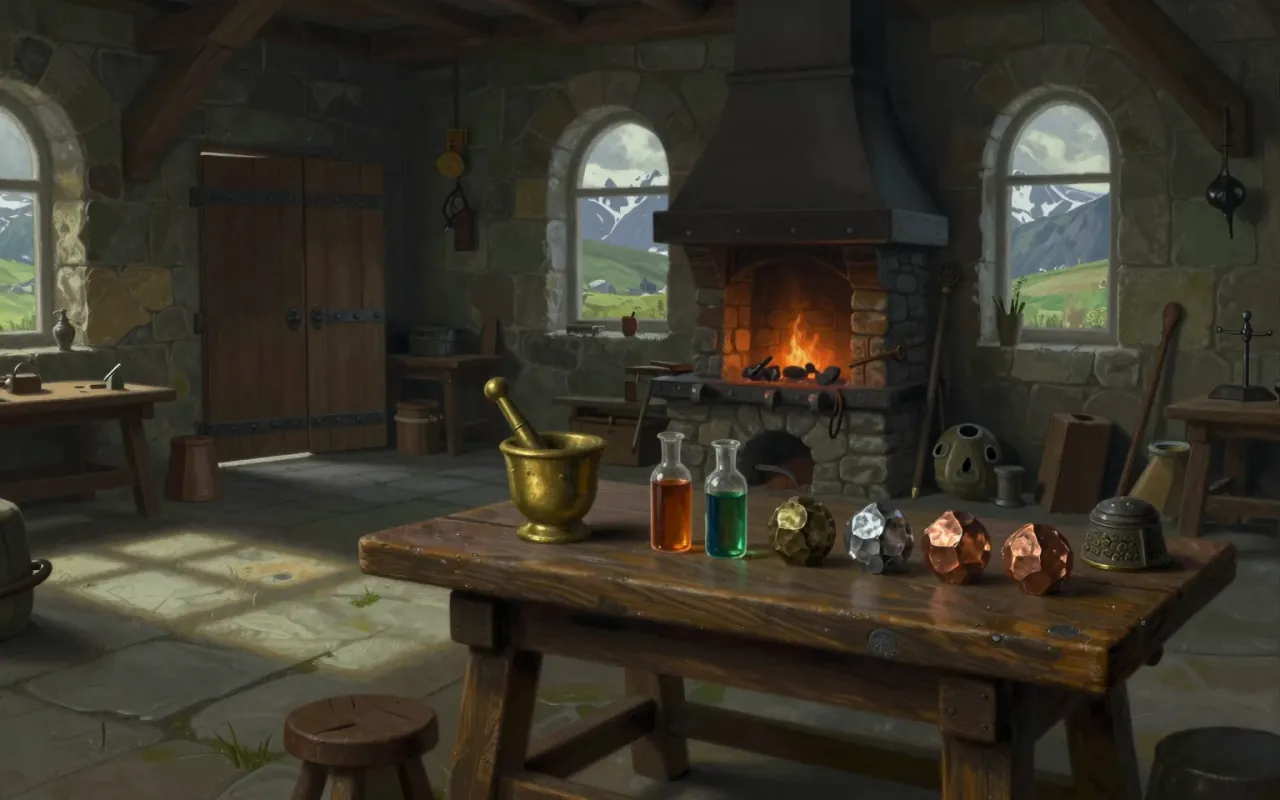
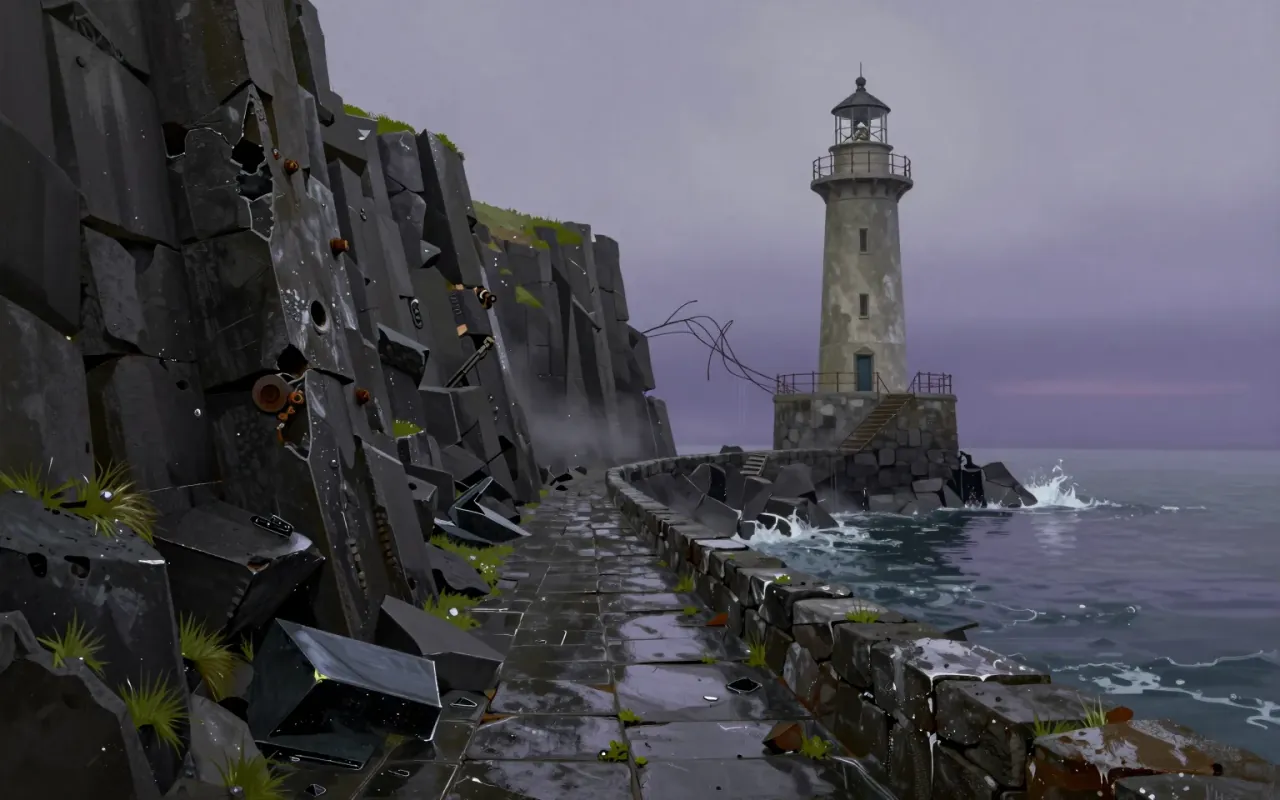
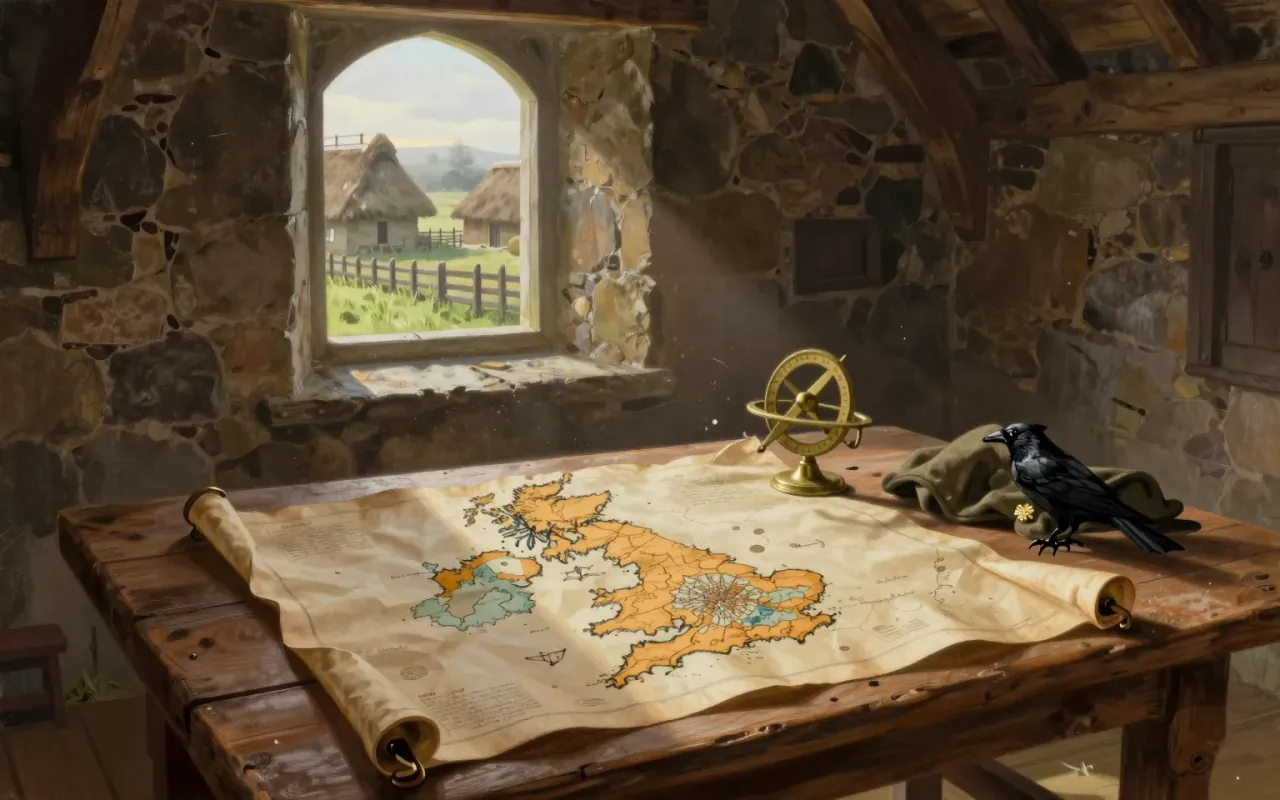
A massively multiplayer online role-playing game set after King Arthur’s death, when his kingdom fractured into three mythologically distinct realms—Albion (Arthurian), Hibernia (Celtic), and Midgard (Norse)—locked in perpetual realm versus realm warfare.
How it actually plays
You click or press number keys to activate actions on three customisable Quickbars. Combat is rigidly role-locked: healers heal, tanks tank, damage dealers deal damage. You fight monsters in PvE zones or join realm-wide RvR battles across contested borders. Your class’s abilities and specialisation points are tuned for RvR balance—not cross-realm parity. Movement and targeting rely on mouse or keyboard input. Each world runs on Linux servers handling ~4,000 players, constrained by a 10 kbit/s per-player data stream.
What works
Its three-realm RvR architecture creates persistent, large-scale conflict with tangible territorial stakes. Guilds and alliances manage shared chat, hierarchy, and zone control. The Quickbar system gives precise, customisable action execution. Class rigidity serves a clear design goal: RvR role fidelity over cross-realm symmetry.
What does not
It does not support flexible class roles. It does not let you meaningfully compare your character to equivalent classes in other realms. It does not scale action fluidity or responsiveness beyond its 2001 network and rendering constraints. It does not abstract or simplify its systems for accessibility.
Who it is for, and who it is not
It is for players who value systemic clarity over flexibility, who seek structured group conflict over solo narrative, and who accept that balance means enforced roles—not player choice. It is not for players who expect class versatility, real-time adaptability, or modern UI responsiveness.
Is it worth your time
Only if you want to experience the first persistent three-realm war system built for MMORPGs—not as nostalgia, but as a working model of asymmetric faction design. It demands time, tolerance for rigid roles, and willingness to engage with guild-led territory control. It does not reward solo play or mechanical improvisation.