gamesbriefs
Topic

Mythology

The stories a culture tells to explain itself to itself.

7
in games
10:22
average
73 min
in total
60
across the network
Mythology across the network →
All briefs7
9:35

Broken Sword II: The Smoking Mirror

Revolution Software · 1997

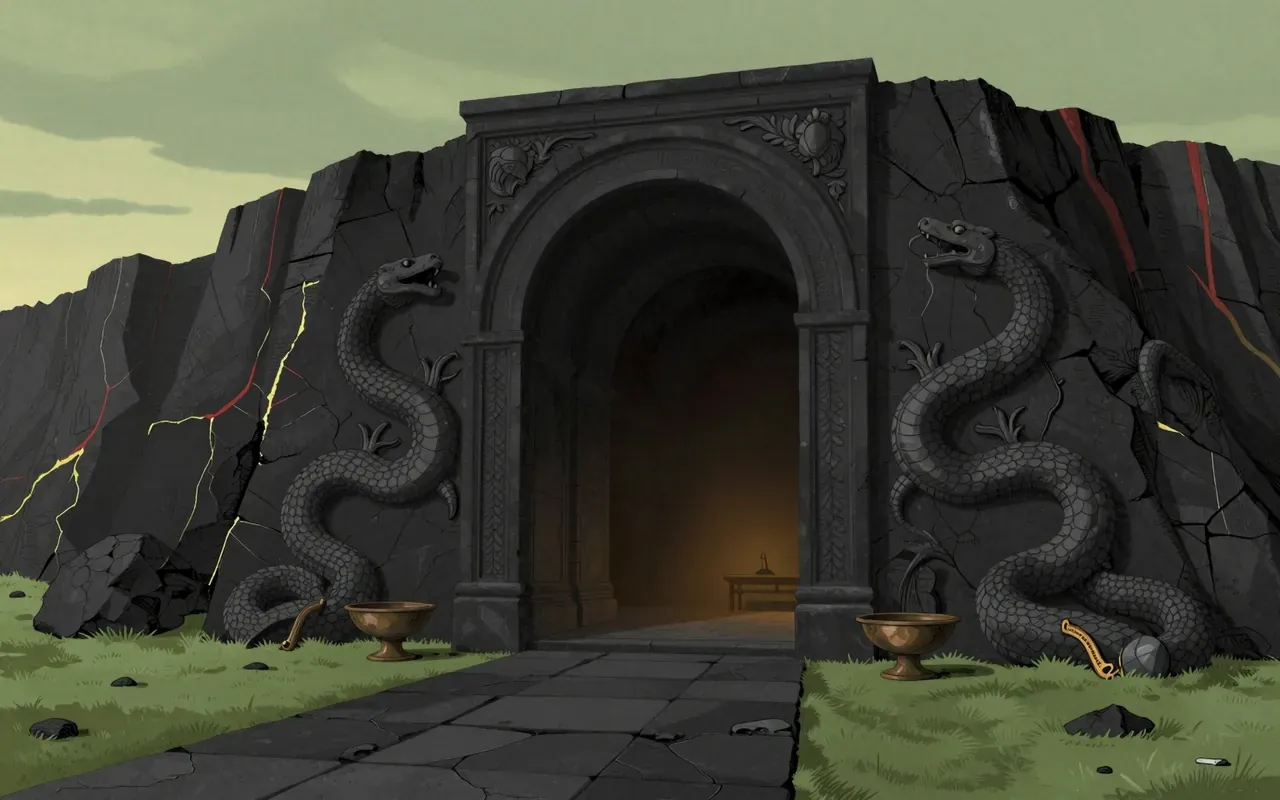
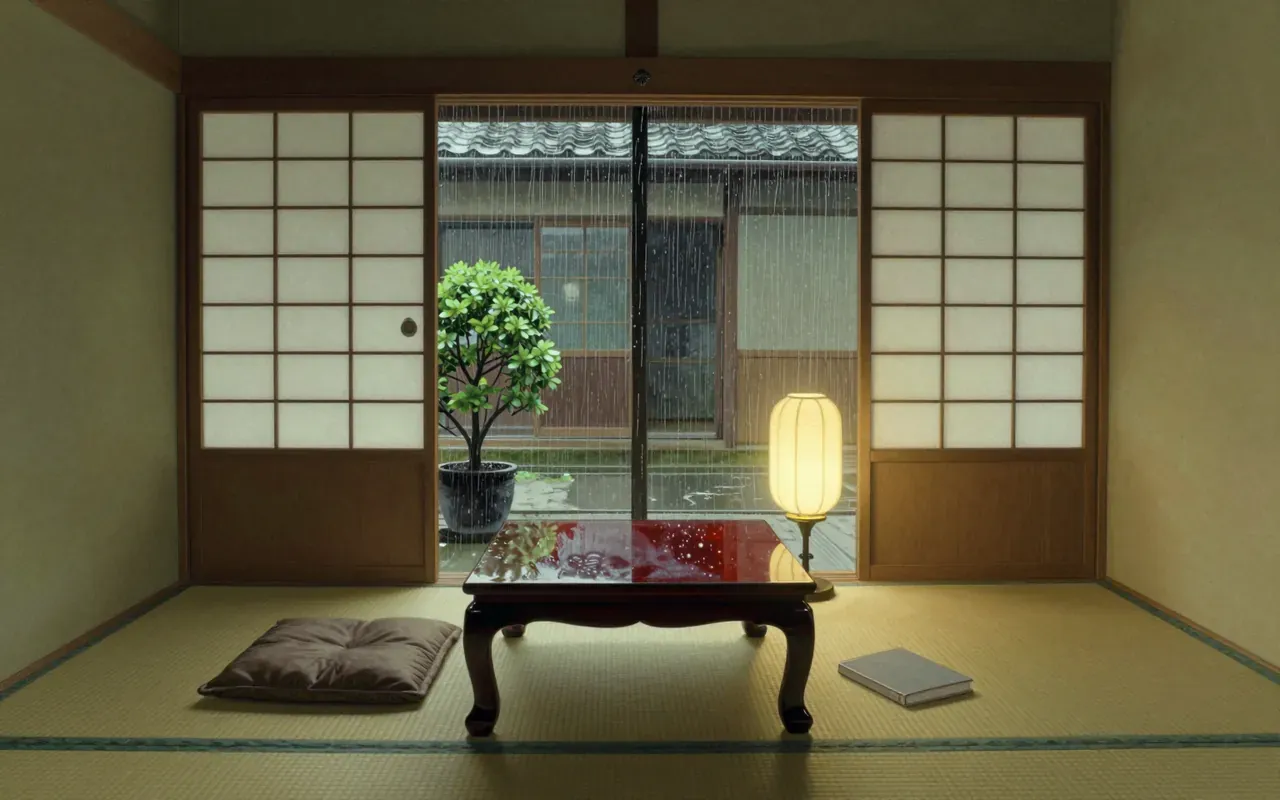
Broken Sword II: The Smoking Mirror is a 1997 point-and-click adventure by Revolution Software. It runs on PC and PlayStation. Players guide George Stobbart—and briefly Nicole Collard—through hand-drawn 2D environments using a mouse or gamepad. Interaction relies on right-clicking for clues, branching dialogue for exposition, and collecting/combining objects to solve puzzles. A dynamic map unlocks new locations as the story progresses. It sold one million copies in the mid-1990s and was well received.
11:34

Hades (video game)

Supergiant Games · 2018

Hades is a tightly wound action roguelike where Zagreus fights through randomized rooms in the Underworld to reach Mount Olympus. Combat relies on five precise inputs — attack, special, dash, magic, summon — with Boons from Olympians reshaping their effects each run. Death is frequent but productive: treasure funds permanent upgrades and narrative advances in the House of Hades between attempts. Rooms draw from pre-set layouts rather than generating freely, so variety emerges from enemy placement and Boon synergies — not spatial novelty. The game demands repetition, rewards pattern mastery, and ties every failure to forward motion. It is not about discovering new spaces, but mastering how known tools behave under shifting divine influence.

10:08

Shin Megami Tensei (video game)

Atlus · 1992

Shin Megami Tensei is a 1992 first-person, turn-based RPG developed by Atlus’s Creative Department 1st Production (Team Maniax). It is a mainline title in the Megami Tensei series. Players navigate dungeons, negotiate with demons, fuse allied demons at Cathedrals of Shadows, manage magnetite, and make moral choices that shape alignment and narrative outcomes.

10:06

Dark Age of Camelot

Mythic Entertainment · 2001

Dark Age of Camelot is the first MMORPG built explicitly around persistent, three-faction realm versus realm warfare. Its design enforces rigid class roles, prioritises RvR balance over cross-realm equivalence, and delivers action through customisable Quickbars—not adaptive AI or dynamic systems. It runs on Linux servers handling ~4,000 players per world, constrained by a 10 kbit/s per-player data stream. It is Mythic Entertainment's first MMORPG and the game for which the studio is best known.

11:08

Grim Fandango

LucasArts · 1998

Grim Fandango (1998) is LucasArts’ first 3D adventure game. It replaces UI cues with Manny Calavera’s head-turning and inventory management with coat-jacket animations. Players solve puzzles by collecting and combining objects, talking through dialogue trees, and navigating pre-rendered environments — all without death or unwinnable states. Its strengths are its writing, voice acting, soundtrack, and stylised world. Its weaknesses are stiff movement, fixed-camera disorientation, and repetitive environmental feedback. It rewards patience and attention. It resists speed and muscle memory.

9:37

Shin Megami Tensei II

Atlus · 1994

Shin Megami Tensei II is a first-person, post-apocalyptic RPG for the Super Famicom, developed by Atlus’s Creative Department 1st Production (Team Maniax). It uses lunar phase to gate demon negotiation, law/chaos/neutrality alignment to shape story and recruitment, and fusion with inheritance and accident mechanics to build party composition. It demands system literacy, tolerates opacity, and rewards consistent alignment play.

10:26

Tactics Ogre

Quest · 1995

Tactics Ogre is a tightly wound tactical RPG where turn order is dynamic, consequence is immediate, and narrative choice reshapes the world physically and morally.