Three Houses doesn’t let you have it all—it makes you choose, then holds you to it.
Fire Emblem: Three Houses is a tactical RPG released in 2019 by Intelligent Systems in partnership with Koei Tecmo. Intelligent Systems provided the main plot, game system, and mechanics; Koei Tecmo handled the bulk of the programming. Players choose their character's gender and name at the start. Gameplay alternates between story-driven battles and social simulation segments at Garreg Mach Monastery—the central hub for all activities. Selecting a house determines the narrative path from that point forward. The opening half focuses on school life, then the story skips ahead five years and shifts to war, locking the player to their chosen house. Players manage a calendar with limited days to allocate to varied monastery activities—including teaching, field exercises, greenhouse planting, fishing, and free-time interactions. Relationships are built via Support actions influenced by player choices and dialogue.
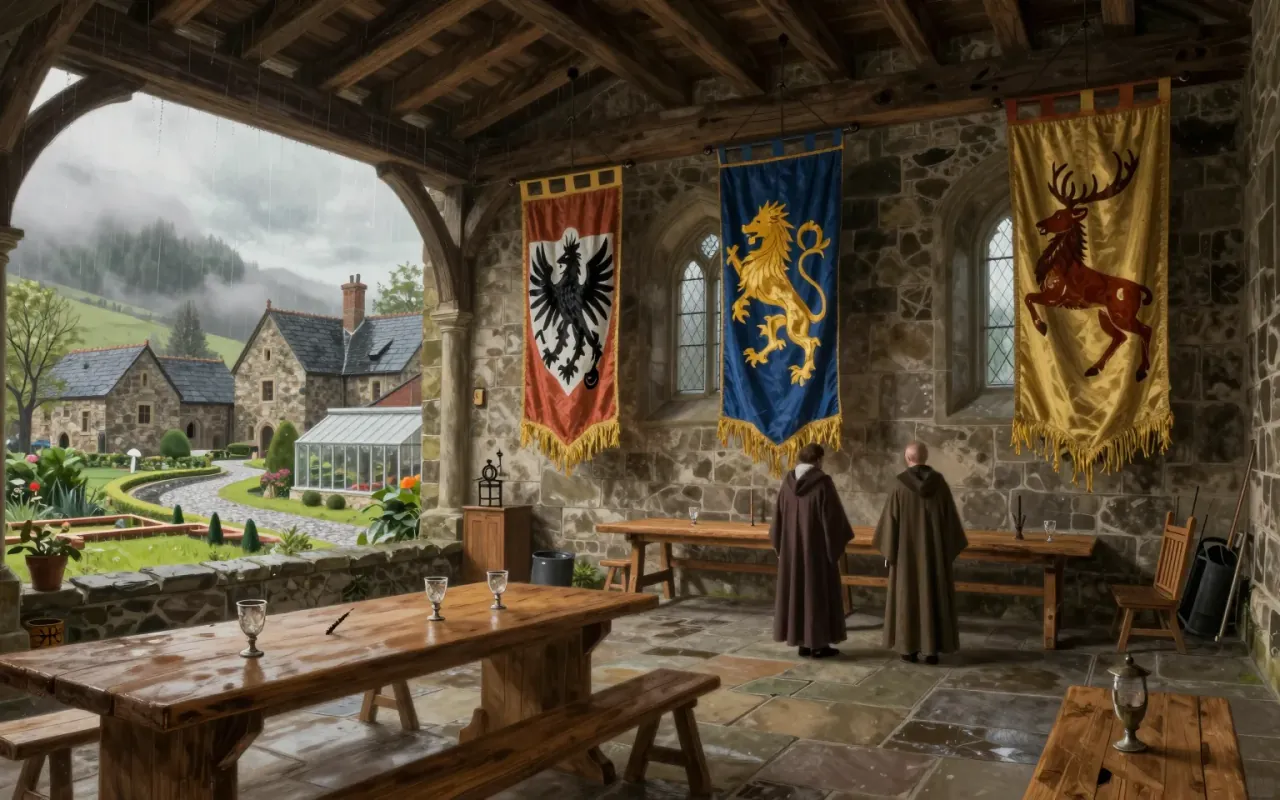
Garreg Mach Monastery is the only hub—every action ties back to its rooms, routines, and people.
2:32
One Choice, One Path
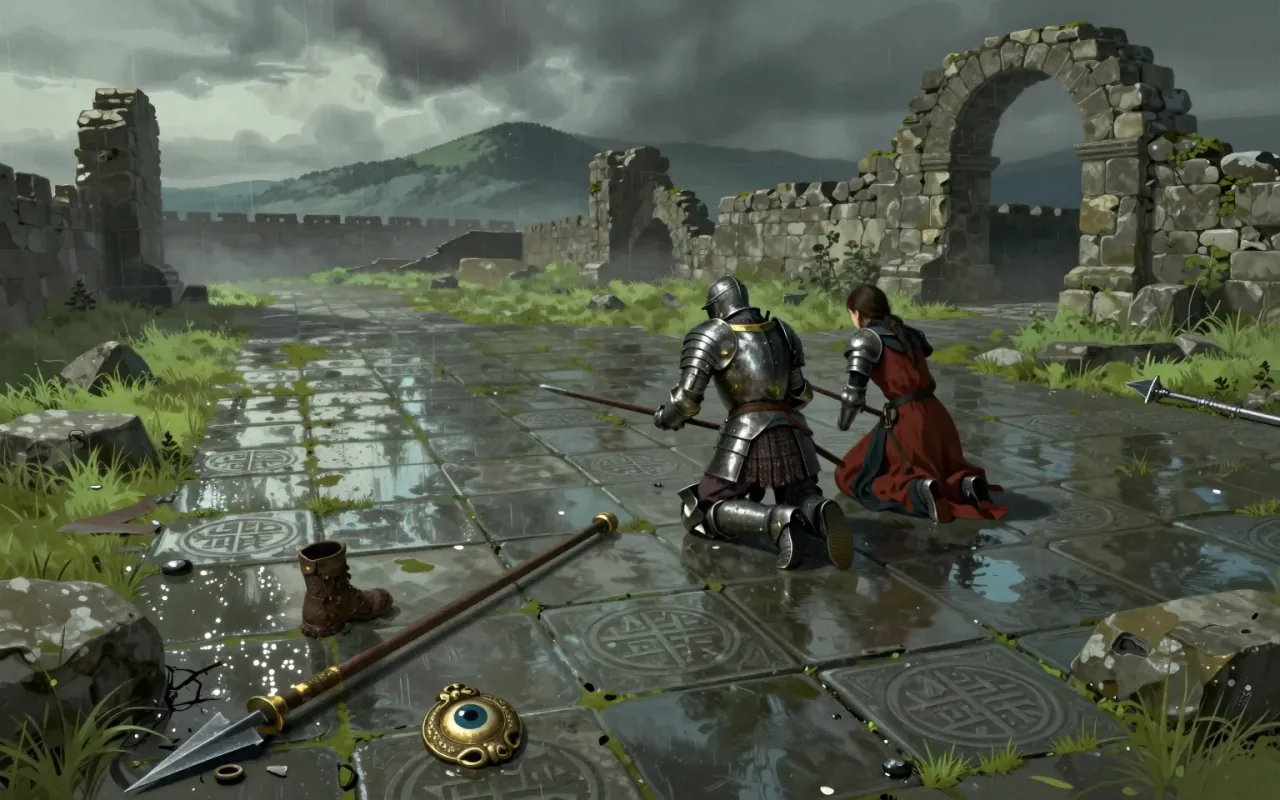
Pick a house, and you lock in your entire narrative arc—no retcons, no do-overs.
4:04
Friendship Is a Resource
Relationships are built in minutes, not cutscenes—through timed Support actions and calendar allocation.
5:25
Twelve Years in the Making
This is Fire Emblem’s first home console game in twelve years—and it carries that weight in scope, not polish.
Worth your time?
Yes. Play the whole thing.
4/ 5
What works
House selection creates real narrative divergence.
Support actions make relationships legible through gameplay.
The monastery as hub grounds every activity in place and purpose.
What does not
The game lacks a Weapon Triangle.
The five-year time skip severs emotional continuity.
Free-time events are scripted rather than emergent.
Calendar days offer diminishing returns after first playthrough.
Play it if
Players who enjoy systems-driven relationship simulators embedded in tactical combat.
Players who accept that 'choice' means committing early and living with cascading consequences.
Skip it if
Those seeking light, sessionable, or mechanically varied short bursts.
The written brief1 min read
What the game is
A tactical role-playing game split into two halves: a school-life simulation at Garreg Mach Monastery, followed by a war-focused second half locked to the player’s initial house choice.
How it actually plays
Players spend time on a calendar managing daily activities at Garreg Mach Monastery: teaching, field exercises, greenhouse planting, fishing, or free-time interactions. Each day consumes a fixed time point. Relationships grow via Support actions shaped by dialogue and choices. After story battles, the game skips five years — locking players into their chosen house’s war narrative. Combat is turn-based grid warfare with Battalions, Gambits, and Combat Arts, but no Weapon Triangle.
What works
The house-selection mechanic creates real narrative divergence—not just cosmetic differences. Support actions make relationships legible through gameplay, not just cutscenes. The monastery as hub grounds every activity in place and purpose.
What does not
The time-management loop collapses under repetition. Calendar days offer diminishing returns after the first playthrough. Free-time events feel scripted rather than emergent. The five-year skip severs emotional continuity without rebuilding it meaningfully.
Who it is for, and who it is not
Players who enjoy systems-driven relationship simulators embedded in tactical combat—and who accept that ‘choice’ means committing early and living with cascading consequences. Not for those seeking light, sessionable, or mechanically varied short bursts.
Is it worth your time
Yes—if you want a long-form tactical RPG that forces daily trade-offs between relationship-building and character growth, then pivots sharply into factional war. It demands sustained attention across dozens of hours, not an evening.