gamesbriefs
11:10in productionCh. 1 · Two Worlds, One Year/ 11:10 · ceiling 15 min
RPG

Persona 4

Persona 4 makes you choose between saving a friend and finishing your homework—and punishes you for getting either wrong.

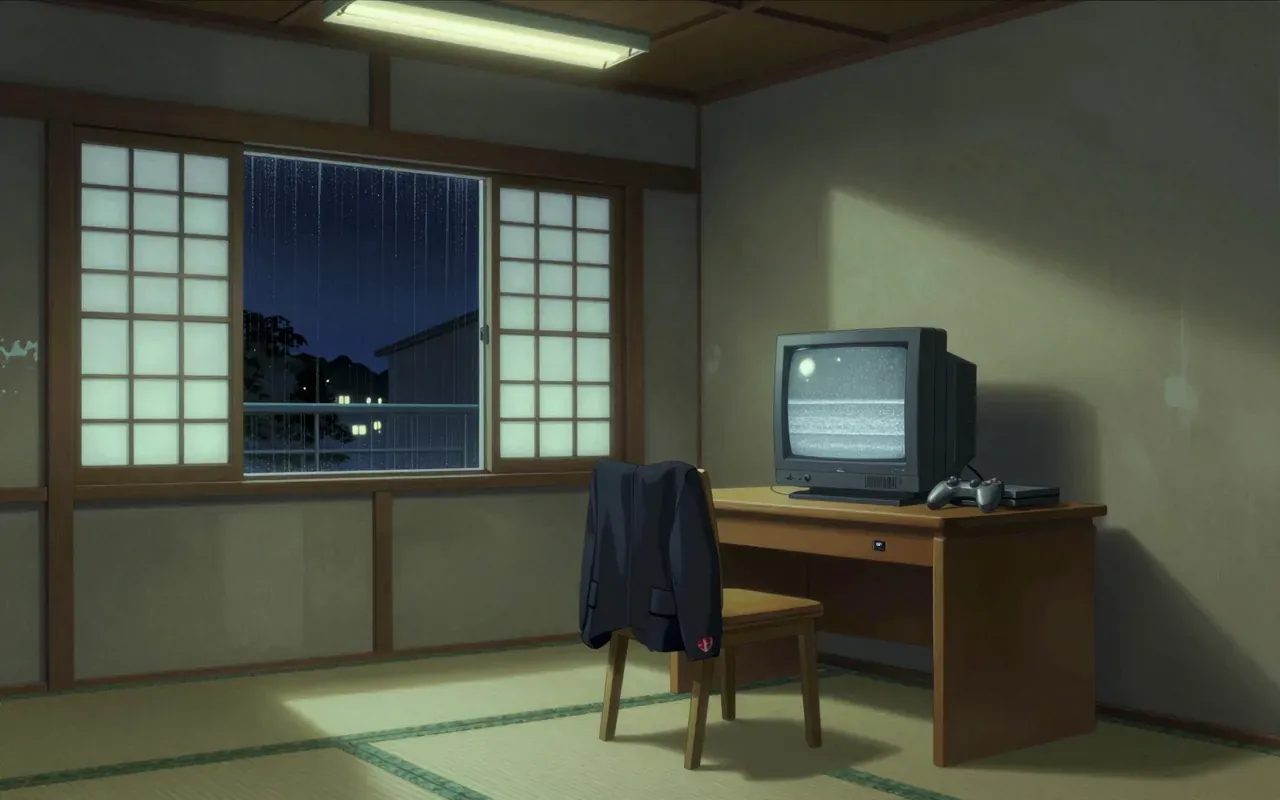
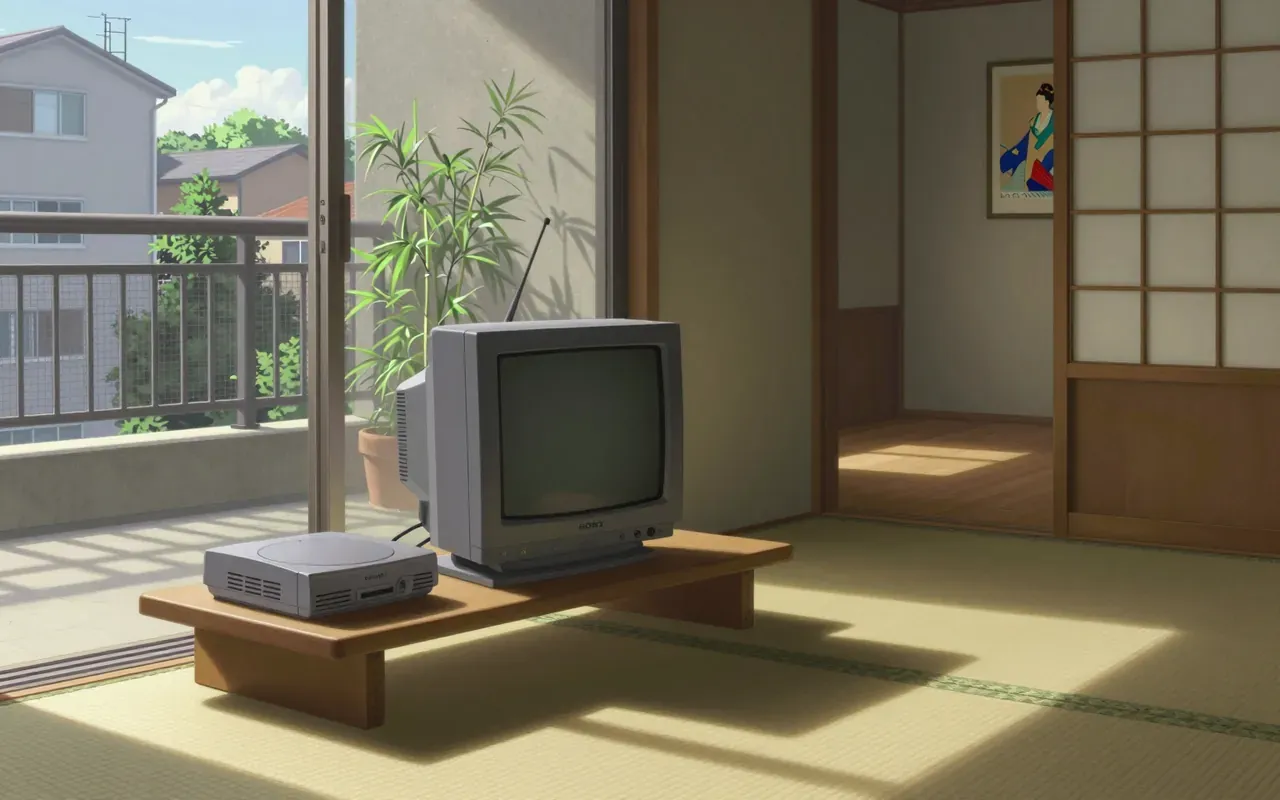
Persona 4 is a PlayStation 2 RPG by Atlus, set in the fictional Japanese countryside town of Inaba in 2011. It divides gameplay between daily life in Inaba and dungeon exploration in the surreal TV World, accessed through televisions. Players manage segmented days—'After School/Daytime' and 'Evening'—with most actions consuming one segment. Evening options vanish after visiting the TV World. Five attributes (Understanding, Diligence, Courage, Knowledge, Expression) gate activities and dialogue, growing through specific real-world actions. Social Links with characters map to the Major Arcana and enhance combat and Persona fusion. Fog appears after consecutive rainy days; failing to rescue a captive before fog triggers a permanent game over requiring reload or rewind. Developed by P-Studio—established in 2006—and directed by Katsura Hashino, it was published and localised for North America by Atlus USA.

Chapters & takeaways6
  1. 1:07
    Two Worlds, One Year

    It is a year-long simulation of rural Japanese adolescence, split between a quiet town and a television-born hellscape.

  2. 2:29
    Time Is Non-Renewable

    Every action costs a discrete time segment—and most evenings vanish if you go into the TV World.

  3. 3:48
    Fog Ends Everything

    Fog kills instantly, irreversibly, and without warning—unless you track rain streaks and rescue deadlines.

  4. 4:56
    Friendship Is a Stat

    Social Links are not flavour—they’re Major Arcana–tied upgrades that reshape fusion and combat.

  5. 6:12
    A New Studio, A New Persona

    P-Studio—formed in 2006—built Persona 4 under Katsura Hashino’s direction, not Team Maniax.

  6. 7:33
    Localised by Atlus USA

    Atlus USA published and localised it for North America, establishing the template for later localisations.

Worth your time?

Yes. Play the whole thing.

4.5/ 5
What works
  • tight integration of time, narrative, and mechanics
  • Social Links as functional upgrades rather than cosmetic
  • weather and fog as structural stakes
What does not
  • action-and-adventure
  • fighting
  • horror
  • puzzle
Play it if
  • players who value consequence-driven scheduling
  • fans of stat-driven social simulation
Skip it if
  • players who dislike irreversible failure states
  • those seeking flexible pacing or open-ended exploration
The written brief1 min read

What the game is

A PlayStation 2 role-playing game by Atlus, set in the fictional rural Japanese town of Inaba in 2011. It alternates between daily life in Inaba and dungeon crawling in the surreal TV World—a realm accessed through televisions. The protagonist lives there for one year.

How it actually plays

Players spend segmented days—‘After School/Daytime’ and ‘Evening’—choosing between real-world activities in Inaba or dungeon exploration in the TV World. Most actions consume one time segment. Evening options vanish after a TV World visit. Attributes (Understanding, Diligence, Courage, Knowledge, Expression) gate dialogue and activities. Social Links with characters, each mapped to a Major Arcana card, deepen through repeated interaction. Fog appears after consecutive rainy days; failing to rescue a captive before fog triggers permanent game over.

What works

The dual-world loop integrates narrative, simulation, and combat. Time segmentation creates urgency without timers. Social Links directly enhance Persona fusion and combat effectiveness. Weather and fog impose real stakes on pacing. Attribute growth ties mundane actions—reading, working, socialising—to tangible mechanical gains.

What does not

It withholds flexibility when it matters most: evening options vanish after dungeon runs, forcing binary choices with no recovery. The fog-based game over is unforgiving and opaque until triggered. Attribute gates sometimes block critical story paths without clear feedback. The loop offers little room for deviation once rhythm sets in.

Who it is for, and who it is not

It is for players who enjoy deliberate pacing, consequence-driven scheduling, and narrative systems where relationships shape mechanics. It is not for players who dislike irreversible failure states, rigid time constraints, or stat-gated progression that requires planning ahead.

Is it worth your time

Yes—if you want a tightly wound time-management RPG that forces daily trade-offs between relationship-building, stat growth, and dungeon progression. It demands attention to weather, schedule, and attribute thresholds. It does not reward passive play or skipping narrative beats.
Same shelf · RPG4 of 58
Up next in Games

Persona 5

Atlus · 2016 · 9:45

Persona 5 is not about rebellion — it’s about bureaucracy with style.

9:45