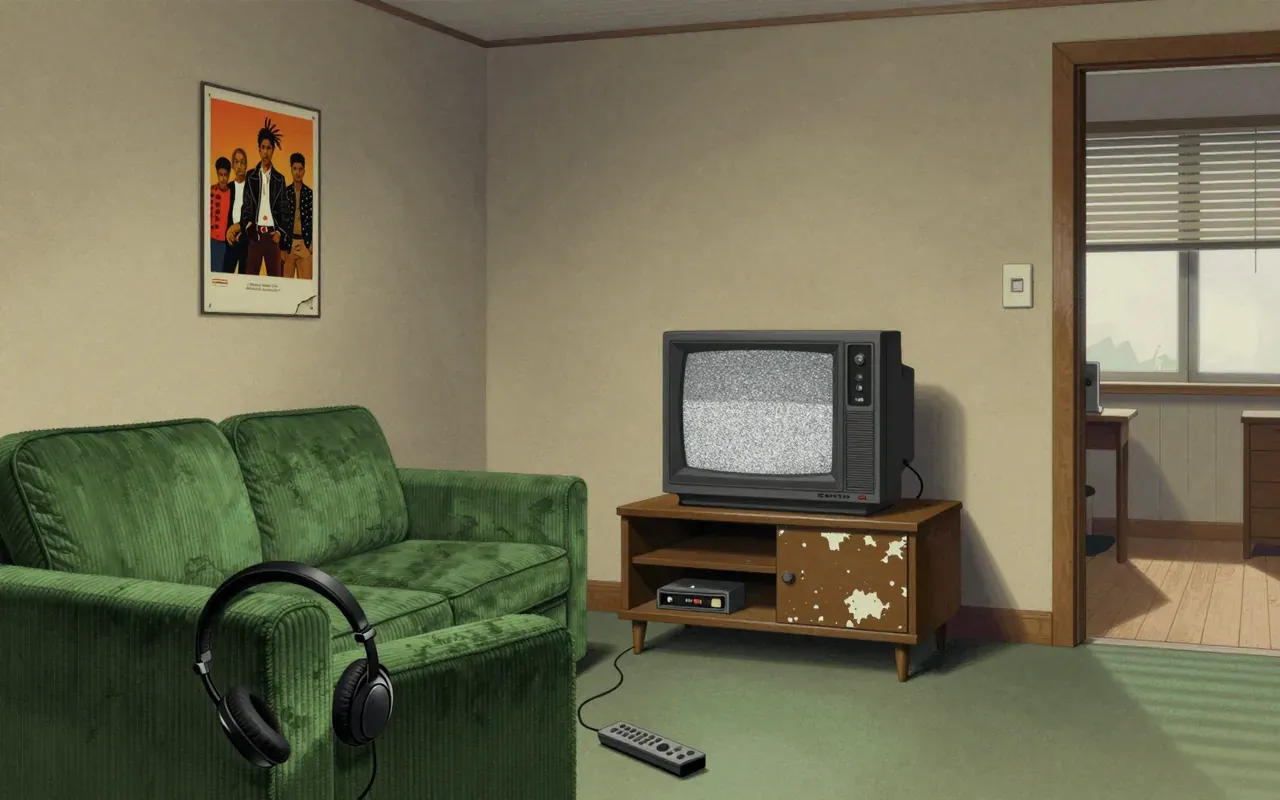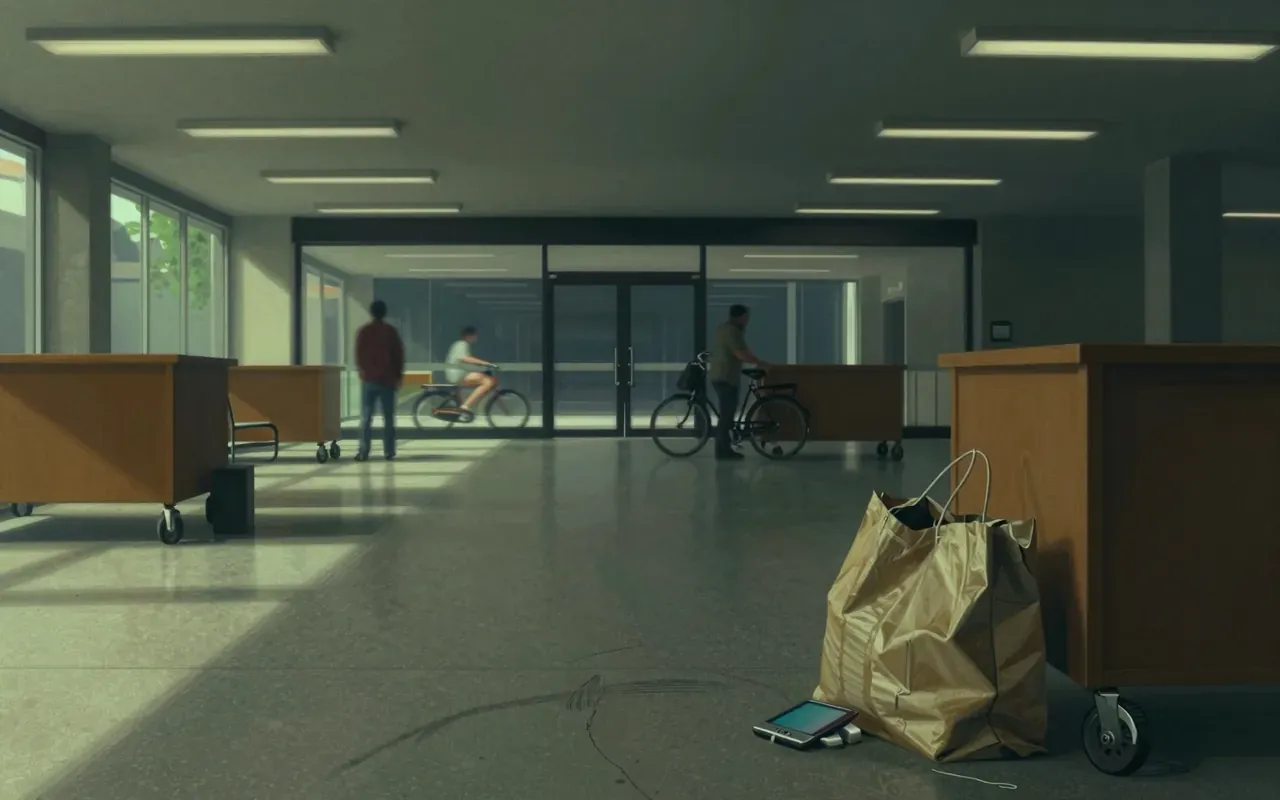
What the game is
An action role-playing game co-developed by Square Enix and Jupiter for the Nintendo DS. It uses the DS’s dual screens, touchscreen gestures, and microphone input to execute its Stride Cross Battle System. Its structure is three weekly chapters, each subdivided by day, set in Shibuya.
How it actually plays
You control Neku on the touchscreen and his partner on the top screen, sharing one health bar. A ‘light puck’ governs attack synergy: timing taps and swipes across both screens unlocks damage scaling. Missions unfold day-by-day across three weeks. You scan crowds to read NPC thoughts and spot drifting Noise symbols — tapping them triggers battle. Districts lock behind conditions: wear a brand, erase a symbol, carry an item. Timers are diegetic — they tick in-world but not in real time.
What works
The Stride Cross Battle System forces constant cross-screen attention — no autopilot. Scanning ties exploration to narrative: NPC thoughts expose motive, memes hint at plot turns, Noise symbols gate combat. District gating makes Shibuya feel reactive, not just decorative. Fashion affects item efficacy — a rare mechanical use of style.
What does not
The dual-screen combat does not translate cleanly to later ports. Partner control vanishes; pin-based substitutes lack the original’s physical coordination. The fashion-mechanic is under-explained. Scanning for memes and Noise symbols feels like homework when pacing tightens.
Who it is for, and who it is not
It is for players who value deliberate, tactile interface design and will treat the DS as a physical object — not a window. It is not for players who dislike diegetic timers, opaque progression gates, or systems that withhold feedback until you re-scan or re-visit.
Is it worth your time
Yes — if you want a tightly wound, hardware-native DS experience that demands attention across both screens. No — if you expect modern accessibility, single-screen port fidelity, or narrative clarity without active scanning and pattern recognition.