What the game is
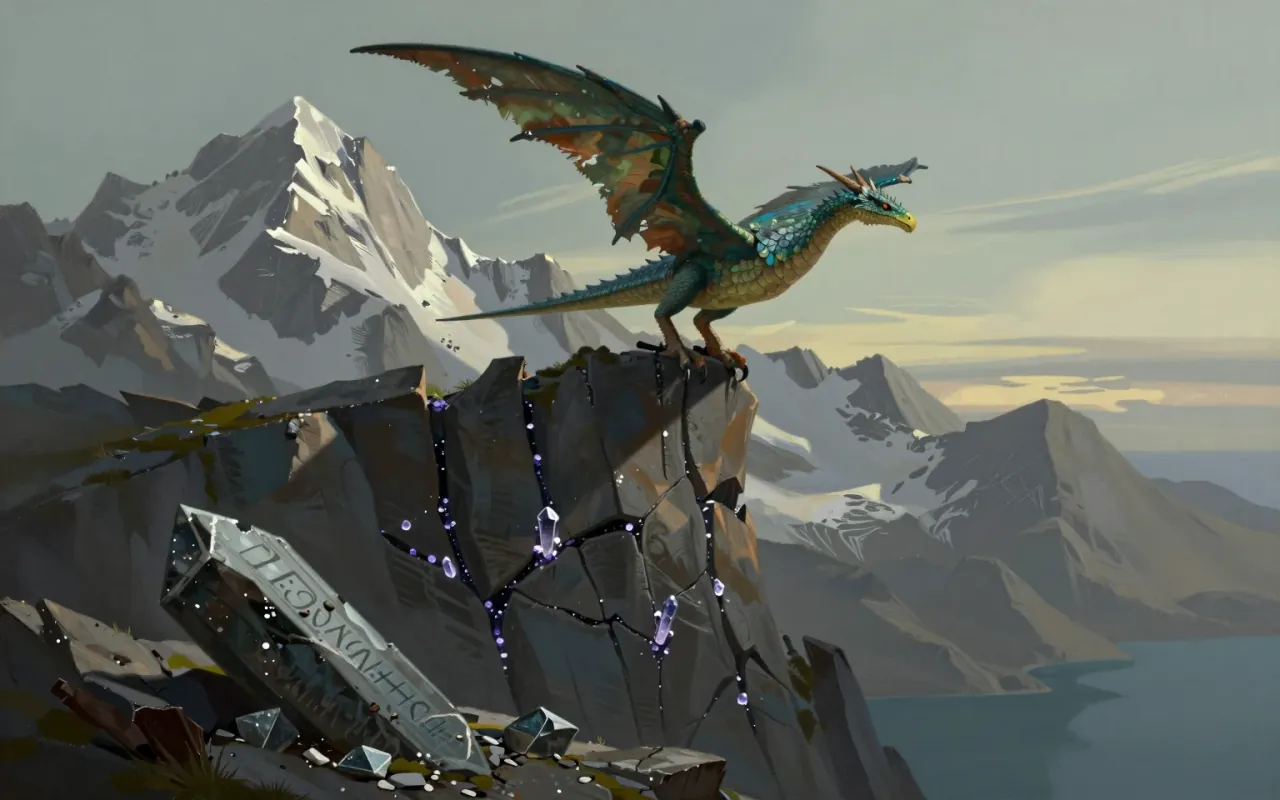
Guild Wars 2 is a free-to-play massively multiplayer online role-playing game developed by ArenaNet and published by NCSoft for Windows. It is set in the fantasy world of Tyria, where players join the re-emergence of Destiny’s Edge to fight Elder Dragons. It has no subscription fee.
How it actually plays
Players create a character from one of five races and nine professions. They enter Tyria’s persistent world and engage dynamic events instead of static quests. These events ripple — changing state as players interact, with outcomes depending on participation and timing. Combat requires positioning, skill timing, and environmental use: cliffs, traps, and terrain matter. Story progression happens in instanced environments, branching based on player choices. Sessions involve roaming open zones, joining public events, tackling personal story instances, and coordinating profession synergy in group encounters.
What works
Dynamic events replace quest logs and create shared, emergent moments across servers. Profession synergy and environmental interaction make combat tactile and team-dependent. The personal branching storyline gives narrative agency rare in MMOs. Biweekly updates sustained a ‘living world’ — first through temporary events, then through repeatable instances and new maps.
What does not
The ‘living world’ was not truly persistent early on: biweekly updates initially delivered temporary, non-repeatable content. That lack of permanence forced ArenaNet to pivot in 2014 toward repeatable story instances and new explorable maps. The responsive storyline remains branching and personal — but only inside instanced environments, never in the persistent open world itself.
Who it is for, and who it is not
It is for players who value moment-to-moment responsiveness over static progression, who prefer skill-based combat to loot-driven power curves, and who want story consequences without sacrificing multiplayer scale. It is not for players who require permanent world-altering events, full open-world narrative continuity, or subscription-free access from day one — it required purchase until August 2015.
Is it worth your time
Yes — if you want an MMO where your actions visibly shift world state, where combat rewards reflexes over gear, and where story choices carry weight across dozens of hours. No — if you expect seamless persistence, long-term event permanence, or a fully reactive world beyond scripted branches.