What the game is
A turn-based tactical role-playing game developed and published by Konami in 1996. It uses an isometric viewpoint, grid-based maps, rotatable 3D terrain, and 2D character sprites.
How it actually plays
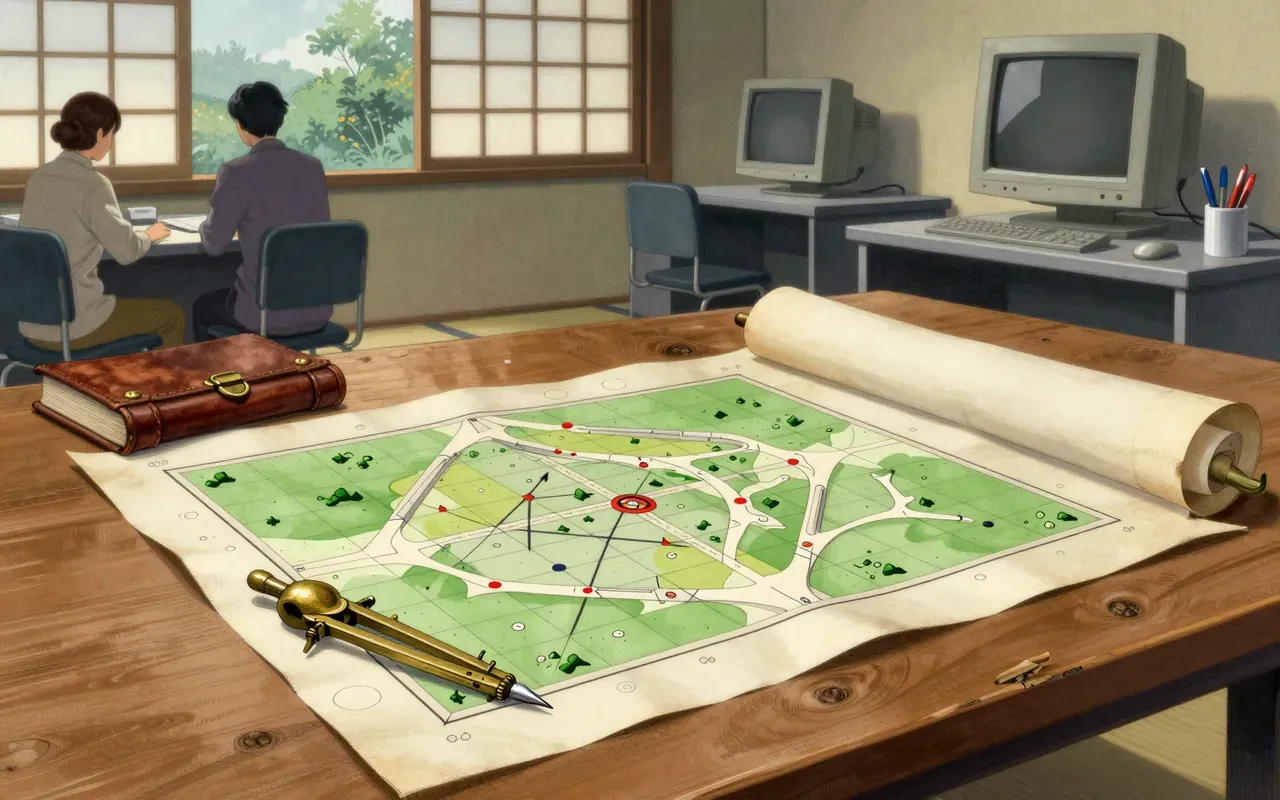
You rotate a 3D isometric battlefield to assess cover and elevation. You move each character using a flexible movement allowance—split or spent in one go. Then the AI moves all its units. Most stages demand total enemy elimination. Others require killing one target, reaching a location, or sparing specific units. Lose if your leader dies.
What works
Side-by-side turns create deliberate pacing. Rotatable terrain gives spatial agency without demanding 3D fluency. Flexible movement lets players adapt tactics mid-turn. Variable victory conditions prevent rote clearing.
What does not
It does not support real-time adaptation. It does not let you recover from leader death. It does not vary turn order or allow simultaneous action. It does not abstract terrain—it forces engagement with water, trees, and buildings as hard barriers.
Who it is for, and who it is not
Players who value clear cause-and-effect in combat, prefer terrain-as-rule over terrain-as-decoration, and want a self-contained tactical loop—not lore depth or party customisation. Not for players who need persistent progression, narrative weight, or shared turn resolution.
Is it worth your time
Yes—if you want a tightly scoped, hardware-conscious tactical RPG from 1996 that asks you to read terrain, manage risk per turn, and weigh movement economy against positioning. It does not ask for hours of grinding or narrative investment.