What the game is
Elite Dangerous is an online space simulation developed by Frontier Developments. It is the fourth game in the Elite series and the sequel to Frontier: First Encounters (1995). It simulates a 1:1 scale Milky Way with around 400 billion procedurally generated star systems. It supports solo, private group, and open multiplayer modes. It begins in the year 3300 and stays in sync with UTC +1286 years.
How it actually plays
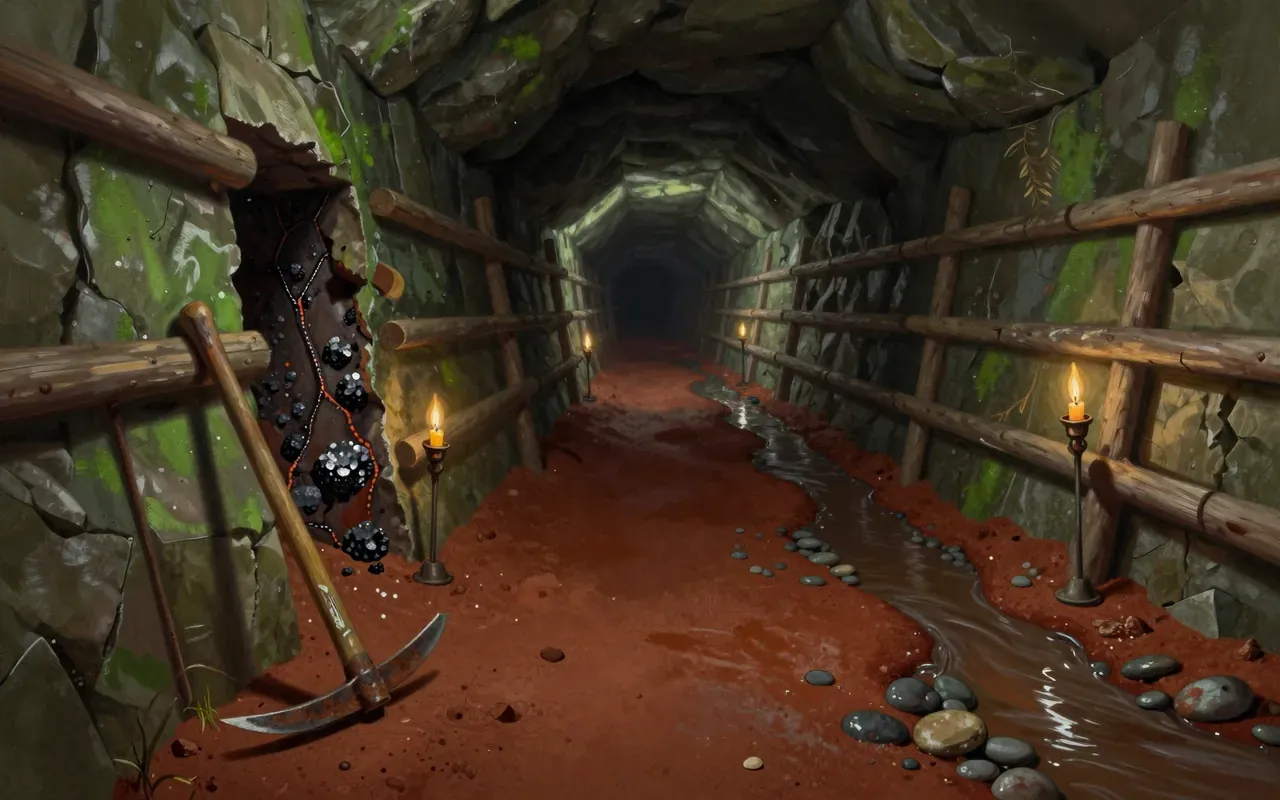
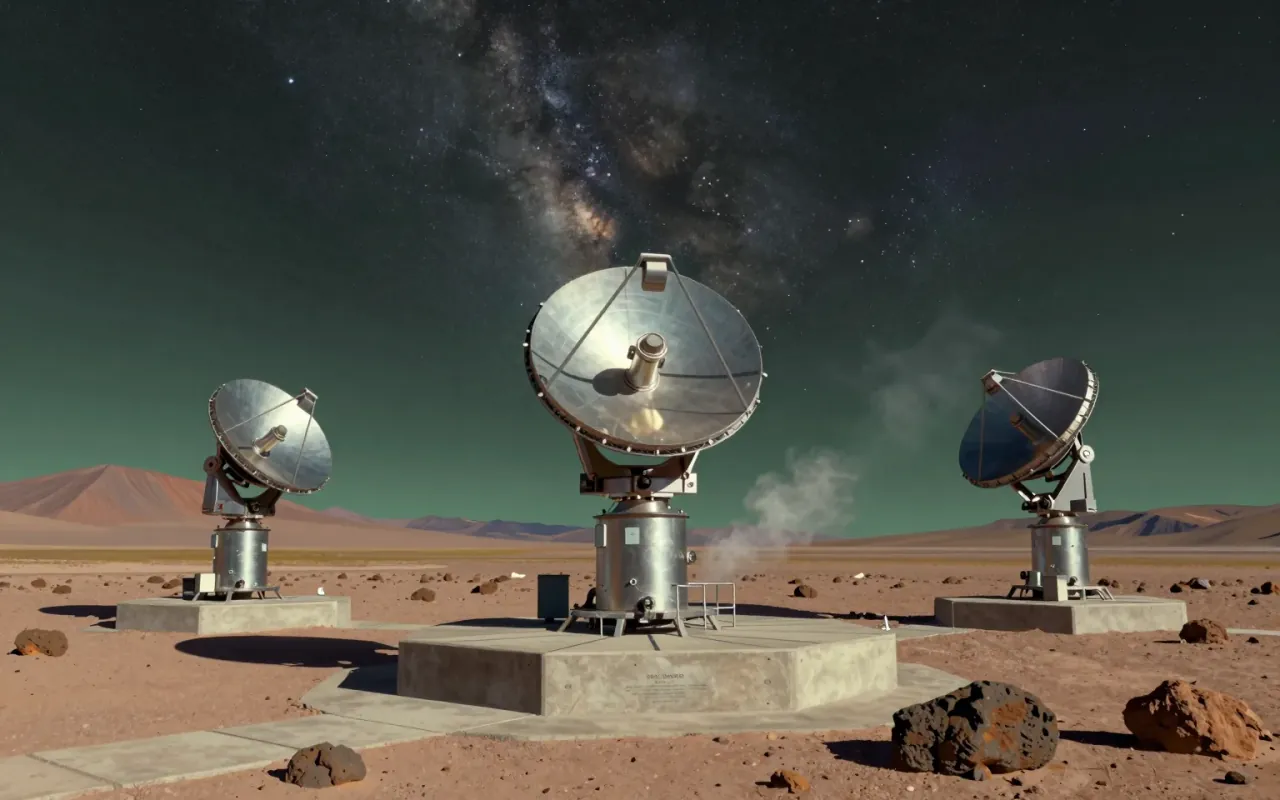
Players pilot a ship in a persistent, real-time Milky Way scaled 1:1. They jump between star systems, land on airless or thin-atmosphere planets, trade cargo, scan celestial bodies, engage in combat, and—after Odyssey—walk on foot in first-person. Sessions are long, self-directed, and shaped by the galaxy’s scale and procedural density. The loop is exploration → discovery → resource gathering or interaction → return or onward travel. No mission timers or hand-holding. The hardware constraint is not named, but the game demands sustained online connectivity and consistent UTC-synchronised timekeeping.
What works
The procedural galaxy delivers staggering scale and novelty: landing on barren worlds, scanning unknown systems, and witnessing emergent faction conflicts shaped by thousands of players. The three-mode architecture lets players choose their social risk. Player actions genuinely affect the persistent universe’s political narrative—faction control shifts, economies fluctuate, and community goals unlock new content. It retains a single-player mode while enabling massive multiplayer interaction.
What does not
It does not deliver coherent story structure, consistent on-foot gameplay across platforms (Odyssey was cancelled on consoles), or accessible entry points for new players. It withholds clear feedback loops for exploration, meaningful consequences for most individual actions, and reliable pacing. The real-time, 1286-year-future clock imposes no mechanical pressure—it is a setting, not a rule.
Who it is for, and who it is not
It is for players who treat scale as a feature, not a barrier—who find meaning in slow accumulation, systemic observation, and long-term participation in a shared fictional timeline. It is not for players who need tight feedback, authored set-pieces, or clear progression milestones. It assumes familiarity with space sim conventions and tolerance for technical friction.
Is it worth your time
It is worth your time only if you want to inhabit a vast, silent, indifferent galaxy where your actions ripple through faction politics and community-driven narratives—but only across years of play, not hours. It does not reward casual engagement. It asks for patience, tolerance for repetition, and comfort with ambiguity over narrative payoff.