What the game is
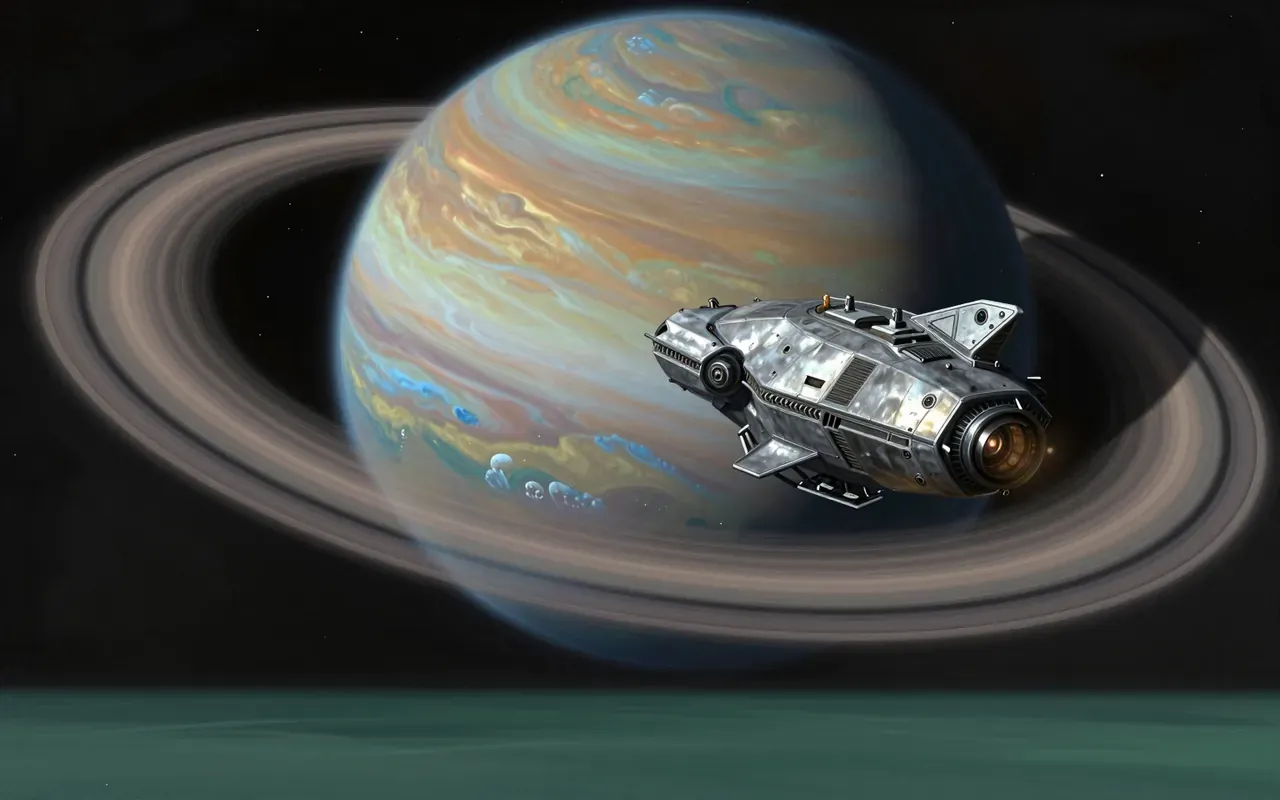
No Man’s Sky is a deterministic, procedurally generated open-universe survival game. It simulates 18+ quintillion planets using a 64-bit seed. It runs solo-first, with emergent social features added later. It was built by a four-person team at Hello Games.
How it actually plays
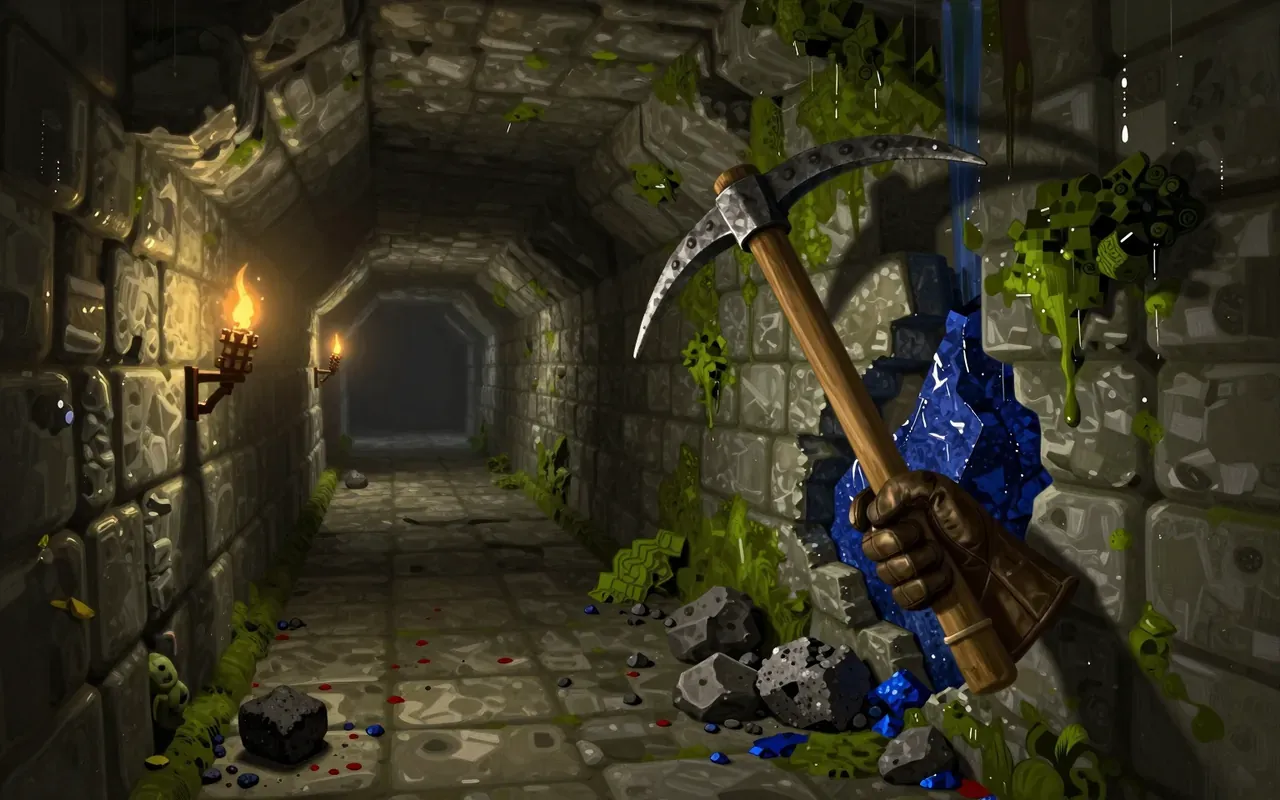
You begin on a random planet near a crashed ship. You wear an exosuit with jetpack and multitool. You scan, mine, collect, fight, and survive. You upgrade your suit, ship, and multitool. You travel between planets and star systems. You follow The Atlas toward the galaxy’s centre or go anywhere else. You encounter identical flora, fauna, and structures on identical coordinates — because everything is generated deterministically from a single seed.
What works
Its procedural engine delivers consistent, shareable locations across players. Its survival loop — scan, gather, craft, upgrade — sustains long-term engagement. Its deterministic generation means every planet is both infinite and knowable. Its post-launch updates delivered multiplayer, VR, and cross-platform play — all for free.
What does not
It does not support player-made planetary edits. It does not host persistent multiplayer worlds. It does not deliver story-driven missions or authored set-pieces beyond The Atlas path. It does not simulate ecosystems, physics, or societies — only surface-level procedural variation.
Who it is for, and who it is not
It is for players who value scale, consistency, and quiet autonomy over authored narrative or social permanence. It is not for players who require co-op world-building, scripted drama, or systemic depth beyond resource management and traversal.
Is it worth your time
Yes — if you want to spend evenings alone in a vast, consistent, self-generating universe where every planet feels real but no two are alike. No — if you need persistent shared edits, narrative stakes, or human-scale consequence.