What the game is
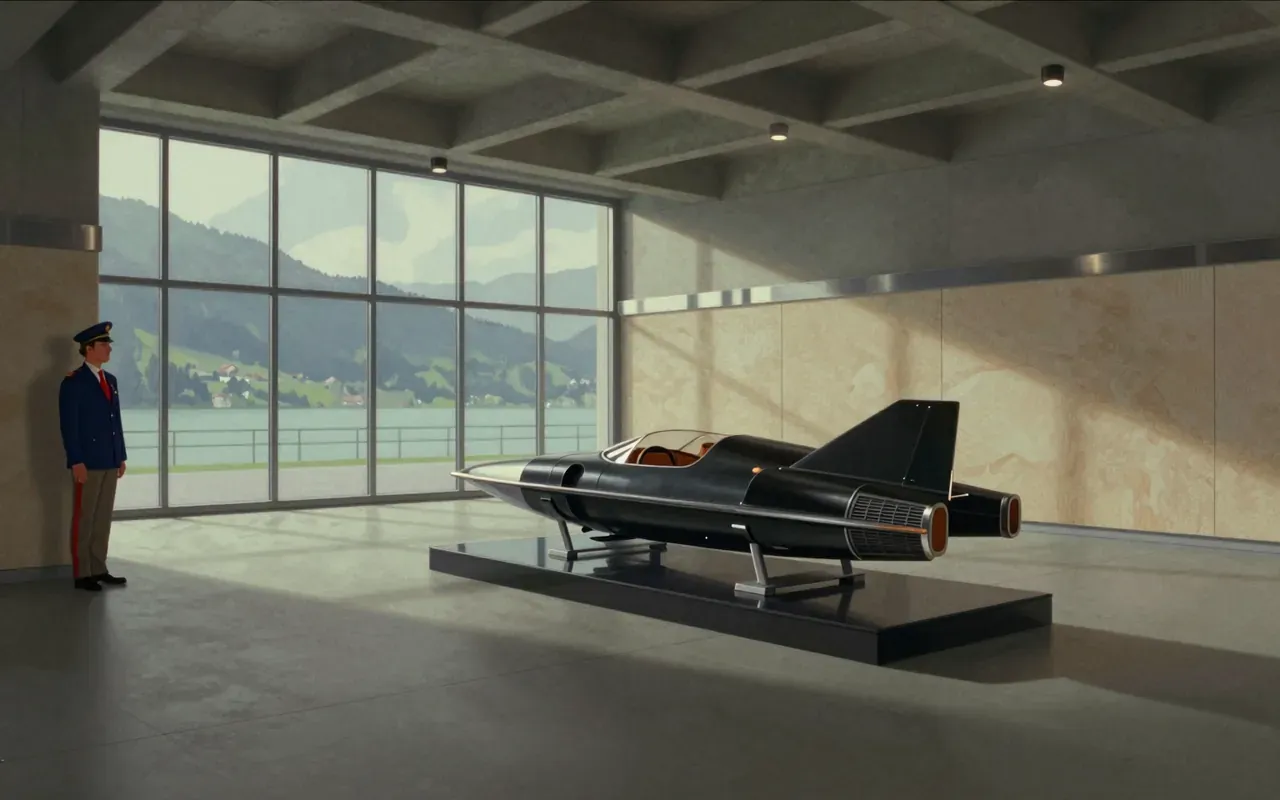
Spy Hunter is a vertical scrolling, top-down vehicular combat arcade game by Midway (1983). The player drives the G-6155 Interceptor—a fictional armed sports car—as a spy, using machine guns, oil slicks, smoke screens, and missiles to destroy enemy vehicles on a fixed road.
How it actually plays
The player steers the G-6155 Interceptor with a yoke, pedal, and gearshift. They fire an unlimited machine gun by holding a yoke button. Oil slicks, smoke screens, and surface-to-air missiles are available but limited; all special weapons vanish if the car is destroyed. Enemy vehicles—including a bomb-dropping helicopter—swarm the road, trying to hit or push the player off-road. The score ticks up while moving on the road, and spikes for destroying enemies or forcing them off-road. Boathouses let the car transform into a speedboat, swapping oil slicks for a flamethrower.
What works
The top-down perspective gives full situational awareness. The yoke-and-pedal controls deliver tactile immediacy. The machine gun’s unlimited fire enables aggressive pacing. Score accrues continuously while moving on-road, reinforcing forward momentum as both goal and survival tactic. The boathouse transformation is a clear, high-stakes pivot point that changes weapon function meaningfully.
What does not
It offers no progression beyond score thresholds. No new weapons, routes, or enemy patterns unlock. The transformation mechanic is binary and infrequent. Special weapons deplete without visual or auditory warning before vanishing. Collision detection feels ungenerous: minor contact with roadside objects ends a life.
Who it is for, and who it is not
It is for players who enjoy rhythm-based reflex challenges with clear win/lose states and minimal abstraction. It is not for players seeking narrative, systemic variety, or adaptive difficulty. It assumes familiarity with arcade conventions: lives, score chasing, and single-session intensity.
Is it worth your time
Yes—if you want a tightly wound arcade loop built around timing, spatial awareness, and weapon economy. It asks for constant attention to road position, enemy approach vectors, and ammo conservation. It does not ask for narrative investment, character attachment, or mechanical depth beyond its immediate feedback.