Wipeout 2097 doesn’t ask you to drive — it asks you to survive acceleration.
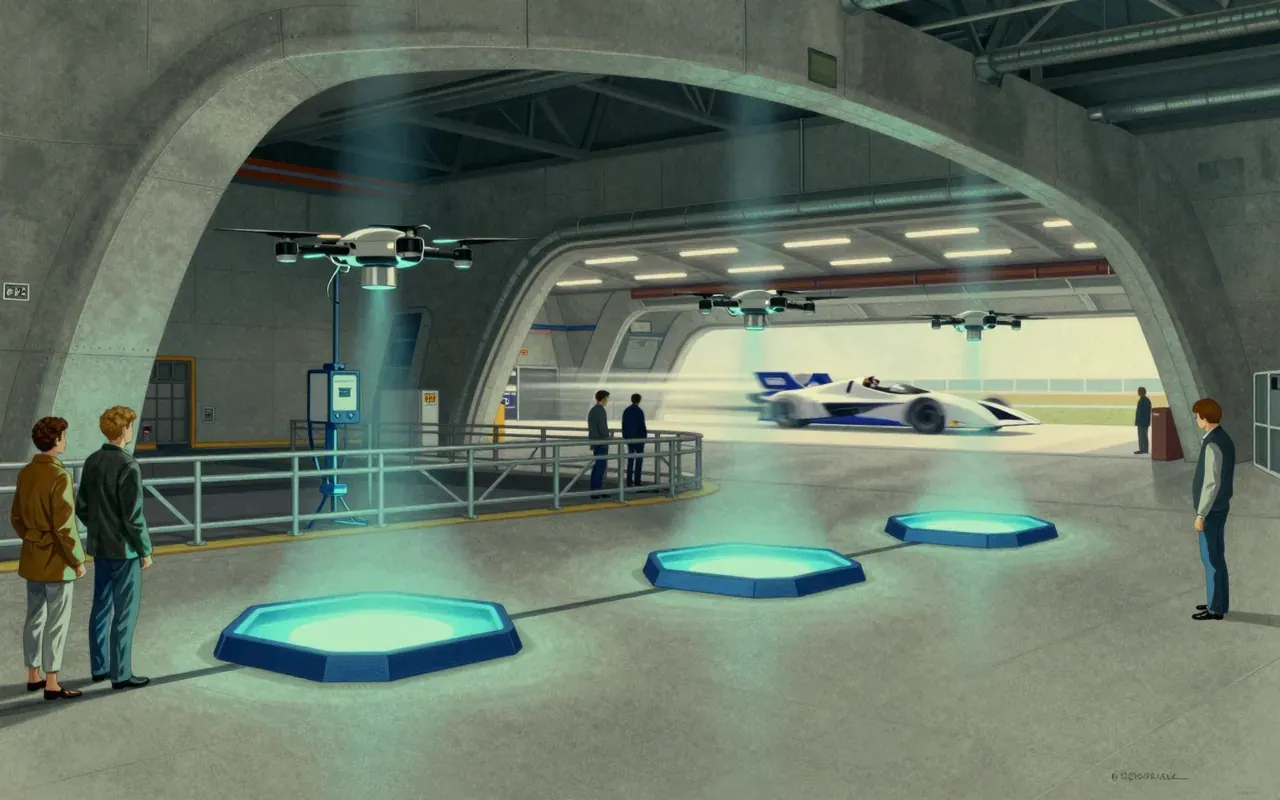
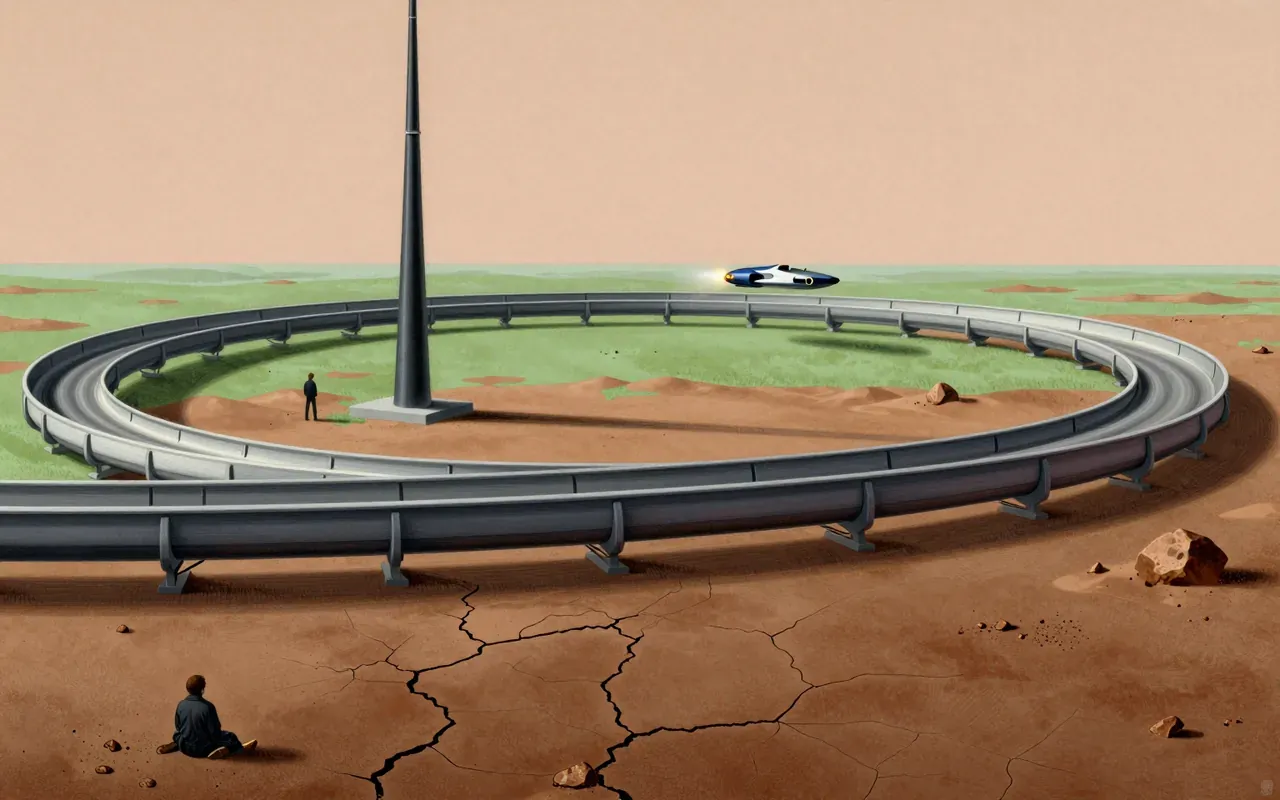
Wipeout 2097 is a PlayStation-era anti-gravity racing game developed by Psygnosis using the console as primary reference hardware in preparation for its September 1995 Western launch. Players race against AI opponents, aiming to finish in the highest position possible. Vehicles travel at high speeds and require air-brakes for cornering. A weapons system lets players eliminate opponents mid-race. Each vehicle has a shield energy quota; depletion from weapons or impacts destroys the craft. Destroyed ships can be recharged at pit stops at the cost of race time. The Quake Disruptor creates a wave effect that launches opponents into the air. Difficulty escalates across three classes — Vector, Venom, Rapier — each with higher speeds and more complex tracks.
players who want to master a single, unyielding mechanic under pressure
Skip it if
players who need feedback before consequence
players who expect narrative scaffolding
players who expect accessibility options or session flexibility
The written brief1 min read
What the game is
Wipeout 2097 is a PlayStation-era anti-gravity racing game developed by Psygnosis using the console as primary reference hardware in preparation for its September 1995 Western launch.
How it actually plays
Players race against AI opponents, aiming to finish in the highest position possible. Vehicles travel at high speeds and require air-brakes for cornering. A weapons system lets players eliminate opponents mid-race. Each vehicle has a shield energy quota; depletion from weapons or impacts destroys the craft. Destroyed ships can be recharged at pit stops at the cost of race time. The Quake Disruptor creates a wave effect that launches opponents into the air. Difficulty escalates across three classes — Vector, Venom, Rapier — each with higher speeds and more complex tracks.
What works
The air-brake + shield + pit-stop trinity forms a precise, punishing rhythm. Weapon use forces spatial awareness and timing, not just reflexes. Escalating classes deliver tangible, track-based progression — not just faster AI, but tighter corners, narrower straights, and longer sequences without recharge zones.
What does not
It does not accommodate casual pacing. There is no pause for reflection. No assists. No explanation beyond what the track and shield bar show. It withholds leniency, tutorialisation, and recovery time after mistakes.
Who it is for, and who it is not
It is for players who want to master a single, unyielding mechanic under pressure. It is not for players who need feedback before consequence, or who expect narrative scaffolding, accessibility options, or session flexibility.
Is it worth your time
Yes — if you want a tightly wound, hardware-aware racing loop built for PlayStation’s raw speed and limited memory, where every decision trades time for survival or aggression.