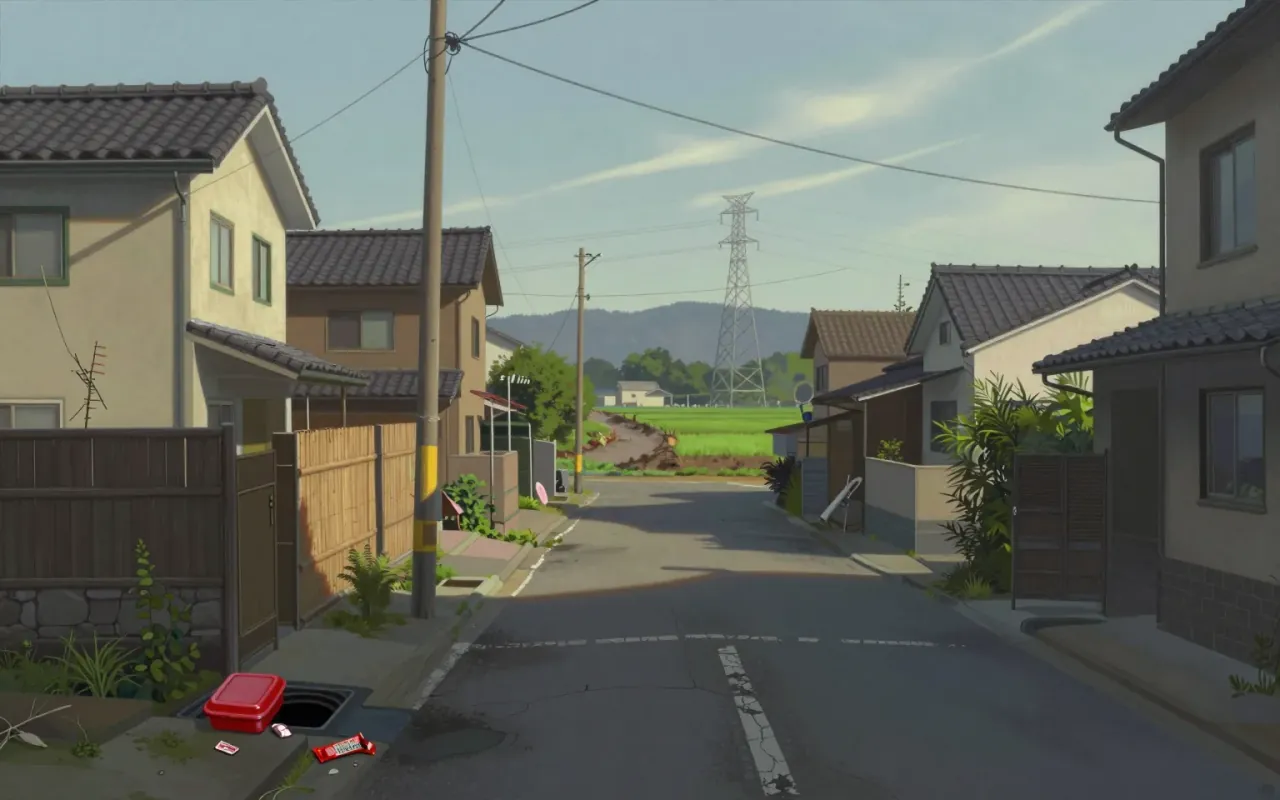
What the game is
A science fiction-themed PS4 game set in the 1980s, combining mecha with a shōjo manga aesthetic. It is a genre-mixing narrative engine built around three interlocking modes—Remembrance, Destruction, and Analysis—and structured by persistent keywords, timeline-jumping, and daily rewinds.
How it actually plays
You switch between three modes: Remembrance (non-linear 2D side-scrolling exploration where time flows independently and choices alter scene outcomes), Destruction (real-time strategy combat with mecha, resource management, cooldowns, and unit-type counters), and Analysis (a glossary that logs events, characters, and items). Keywords persist across scenes and unlock new dialogue or routes. A flowchart lets you jump between timelines to test keyword combinations. Wrong choices rewind the day. You can fast-forward through seen events.
What works
The Thought Cloud database makes knowledge tangible and actionable. The flowchart enables deliberate, iterative hypothesis-testing across timelines. Keyword carryover across earlier or parallel scenes creates genuine cause-and-effect in narrative space. The redesigned cutscene engine conveys character emotion within its 2.5D presentation.
What does not
It does not reward reflexes, mastery of combat, or linear progression. The Destruction mode lacks tactical depth beyond counters and cooldowns. The Remembrance mode’s real-time environmental movement creates friction without meaningful consequence. The thirteen-character structure demands constant context-switching but offers no mechanical scaffolding to manage it.
Who it is for, and who it is not
It is for players who treat story like code: those who enjoy mapping dependencies, testing variables, and rebuilding coherence from fragments. It is not for players who want action fluency, emotional immediacy, or narrative hand-holding.
Is it worth your time
Yes—if you want a dense, player-directed sci-fi narrative that treats story as a system to be reverse-engineered. It asks for patience, attention to cross-scene logic, and tolerance for slow pacing in exchange for structural coherence and layered payoff.