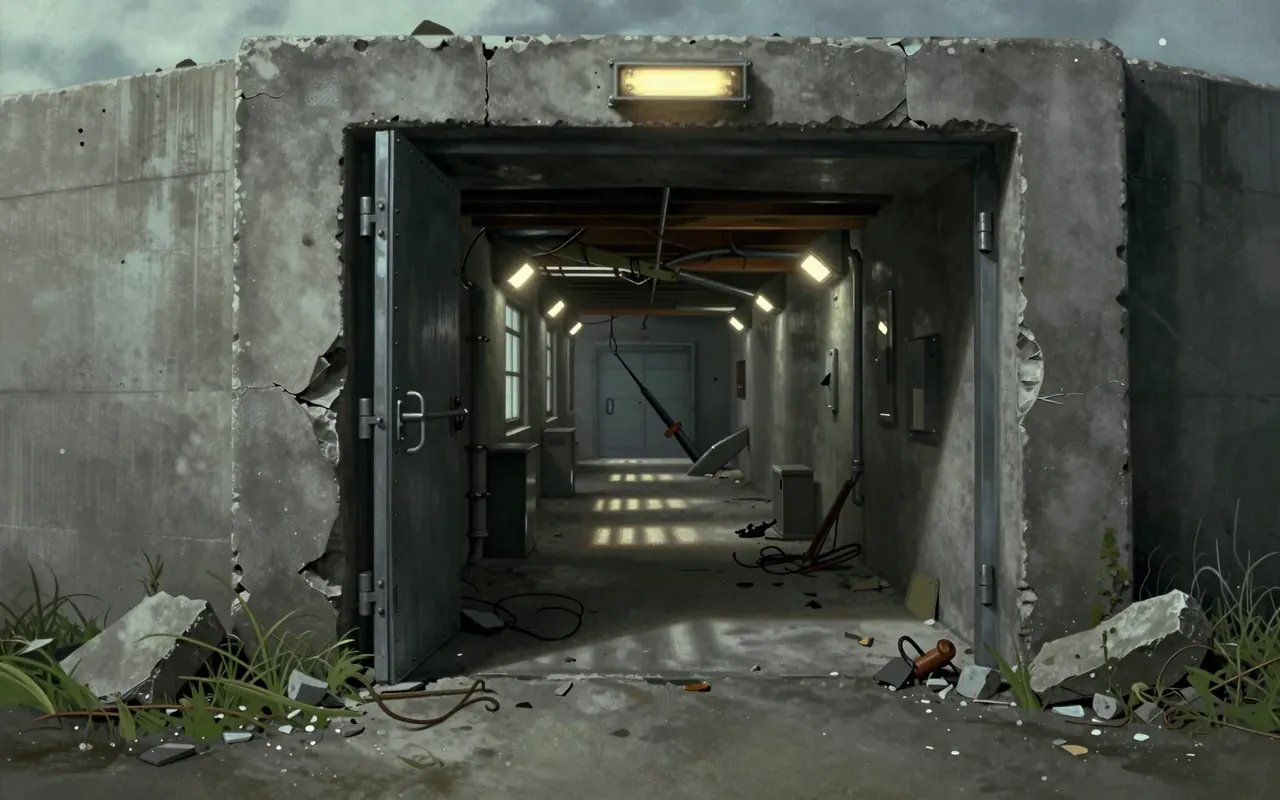
What the game is
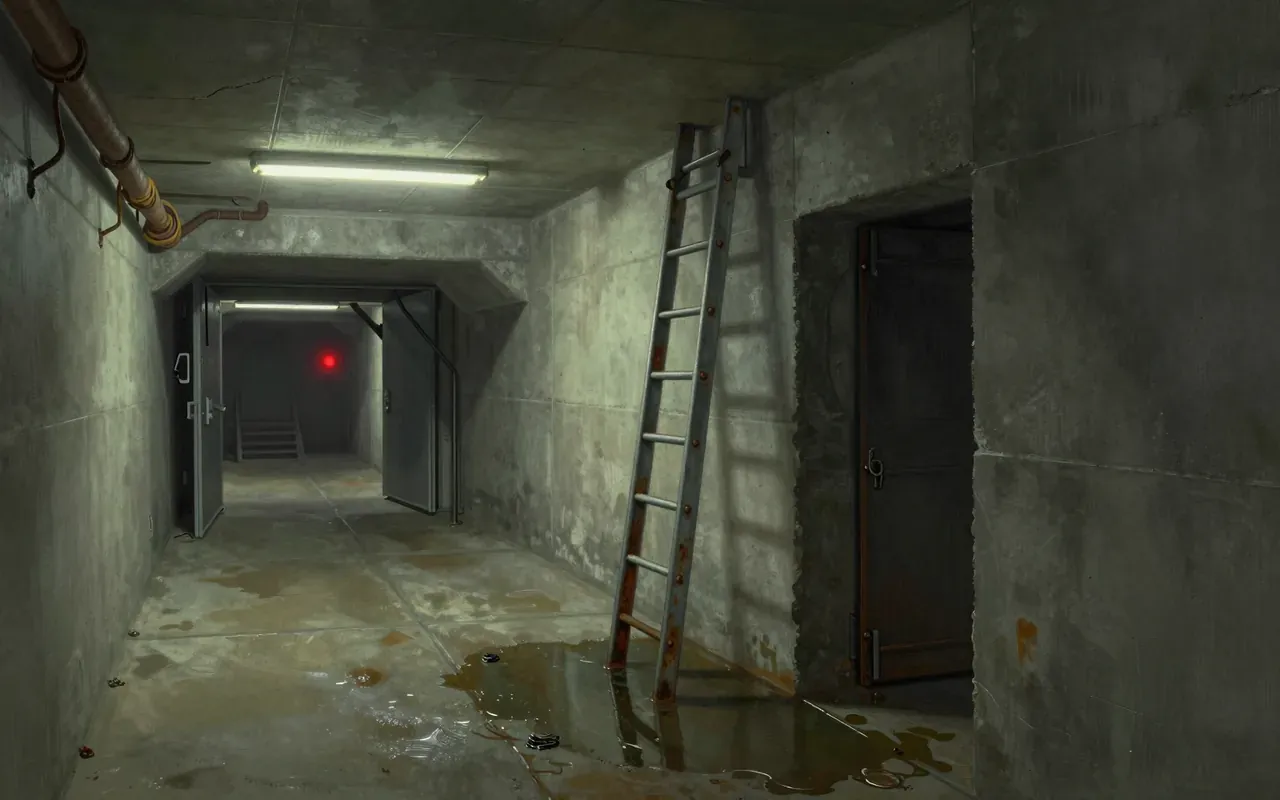
A 1997 first-person shooter by id Software, published by Activision for Windows 95. It is a mission-based, single-player campaign set on the alien planet Stroggos, where a space marine assaults the Strogg in retaliation for their attacks on Earth. It supports multiplayer deathmatch, cooperative play, and Capture the Flag via a client/server model with native OpenGL support.
How it actually plays
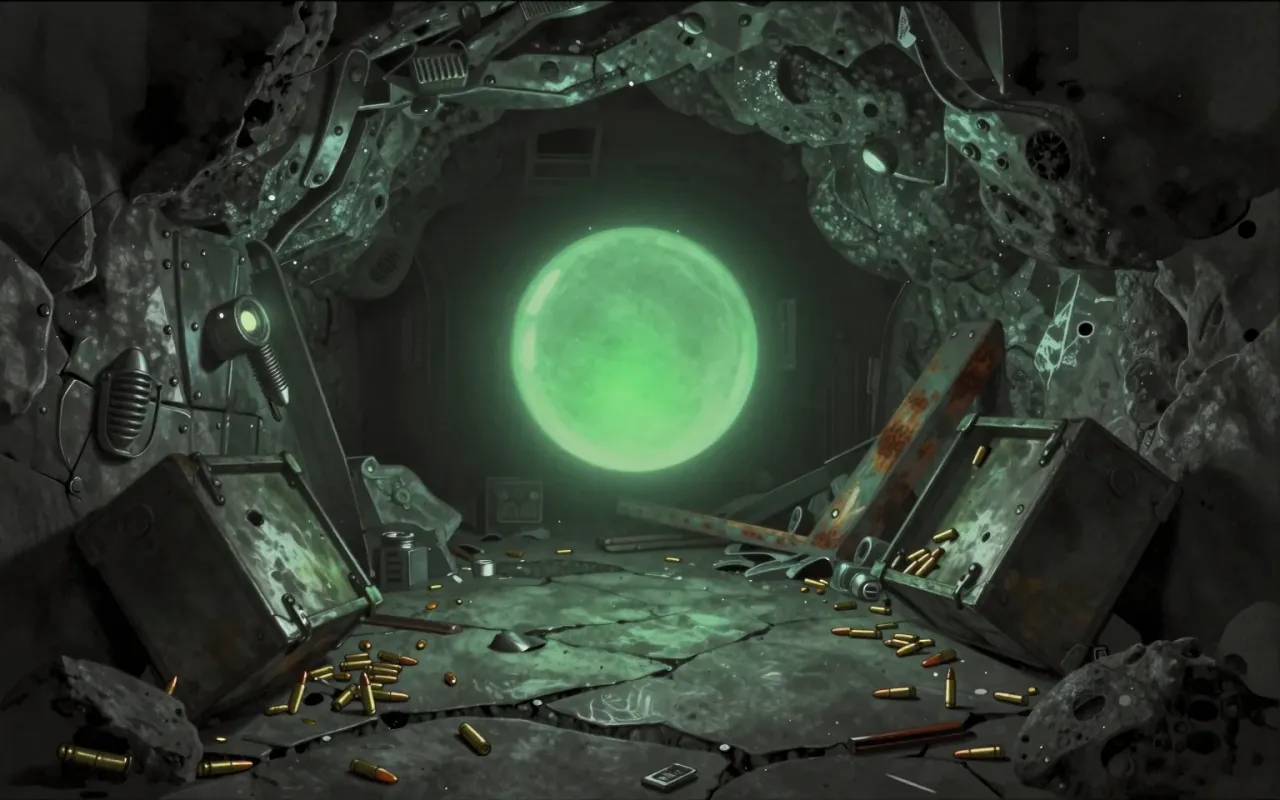
The player moves slower than in Quake and can crouch. They shoot enemies from a first-person perspective using six new weapons — Blaster, Machine Gun, Chain Gun, Hyperblaster, Railgun, BFG10K — plus four redesigned Quake weapons: Shotgun, Super Shotgun, Grenade Launcher, Rocket Launcher. Four Quake weapons — Axe, Nailgun, Super Nailgun, Thunderbolt — are absent. Power-ups include Quad Damage plus Ammo Pack, Invulnerability, Bandolier, Enviro-Suit, Rebreather, and Silencer. Single-player progression hinges on mission-based objectives — stealing a Tank Commander’s head, calling down an airstrike — not abstract combat. CGI cutscenes repeat the same video of the player character moving through levels.
What works
The slowed movement and crouching create deliberate, grounded pacing. Weapon differentiation is clear and consequential: the Railgun demands precision; the BFG10K enables room-clearing; the Machine Gun sustains pressure. Mission objectives tie action to plot beats without over-explaining. The client/server architecture and OpenGL support enabled modding and stable networked play at release.
What does not
The story is thin and mechanically disengaged: captured comrades are non-hostile and uninteractable; CGI cutscenes repeat identically. The human–Strogg war premise anchors later entries but delivers no internal logic or character motivation. Mission objectives are functional, not expressive. The shift from Quake’s continuity offers no tonal or thematic payoff — only a new setting and enemy type.
Who it is for, and who it is not
Players who value clean, rule-bound FPS design over lore or spectacle. Those comfortable with repetition as rhythm — in cutscenes, level geometry, and enemy behaviour. Not for players seeking narrative immersion, environmental storytelling, or mechanical experimentation beyond weapon tuning and movement adjustment.
Is it worth your time
Yes — if you want a tightly scoped, hardware-conscious FPS campaign that prioritises objective-driven pacing over open-ended exploration or narrative depth. No — if you expect story coherence, environmental variety, or mechanical novelty beyond weapon iteration and slowed movement.