What the game is
A hybrid strategy game: turn-based province management meets real-time battlefield tactics. Set in the Sengoku period. Developed by Creative Assembly. Released by Electronic Arts in June 2000.
How it actually plays
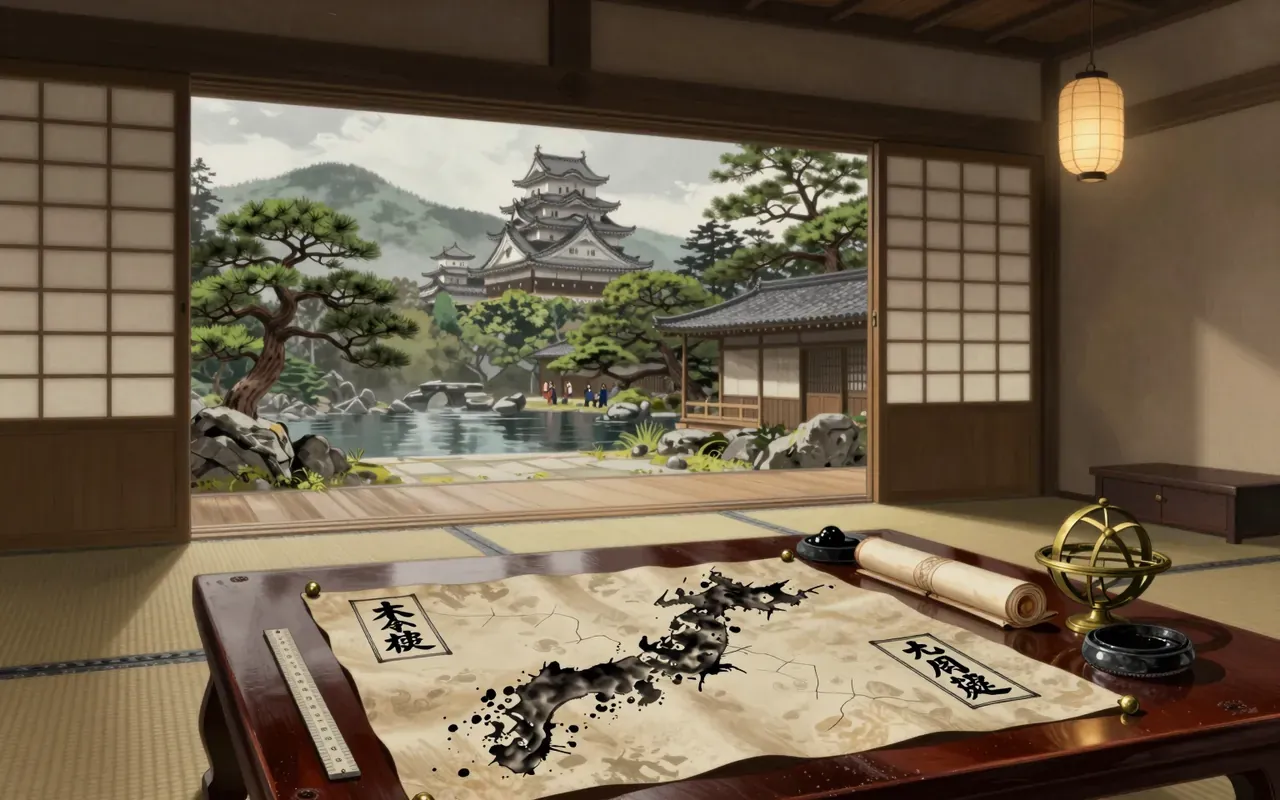
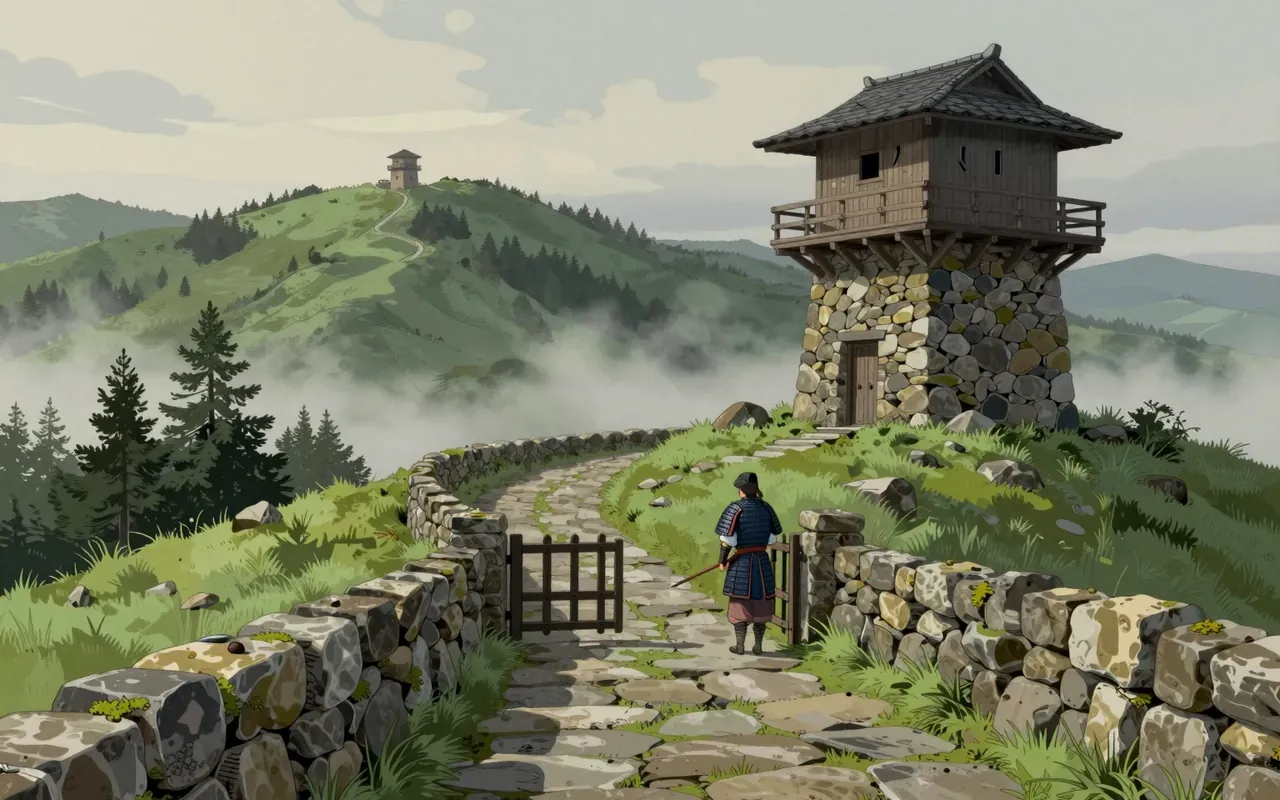
You manage a clan across a turn-based campaign map of Japan. You build farms, watchtowers and castles in provinces. You mine resources where available. You send agents on honour-based missions. You fight battles in real time, where terrain and morale decide outcomes. The campaign map was added mid-development to give context to otherwise isolated battles.
What works
The real-time combat loop—unit positioning, flanking, fatigue, morale collapse—feels grounded and consequential. Each of the seven clans has a distinct advantage, making faction choice matter beyond aesthetics. Province infrastructure (farms, mines, castles) creates tangible trade-offs between growth, defence and expansion.
What does not
It does not unify its systems. Religion, diplomacy and economics influence actions but lack meaningful feedback loops. Agent missions are abstracted into dice rolls with no visible consequence. Honour is a stat, not a mechanic. The campaign map feels tacked on—not woven in.
Who it is for, and who it is not
It is for players who enjoy systemic friction—where logistics constrain ambition, and victory emerges from managing scarcity across time and space. It is not for players who expect narrative scaffolding, UI clarity, or integrated diplomacy. It assumes historical literacy and tolerates opacity.
Is it worth your time
Yes—if you want to spend an evening learning how a feudal Japanese warlord consolidates power across provinces, balances economics and espionage, and commands troops whose cohesion hinges on sightlines and stamina. It does not hold your hand. It does not scale down. It asks you to think like a daimyō, not a general.