What the game is
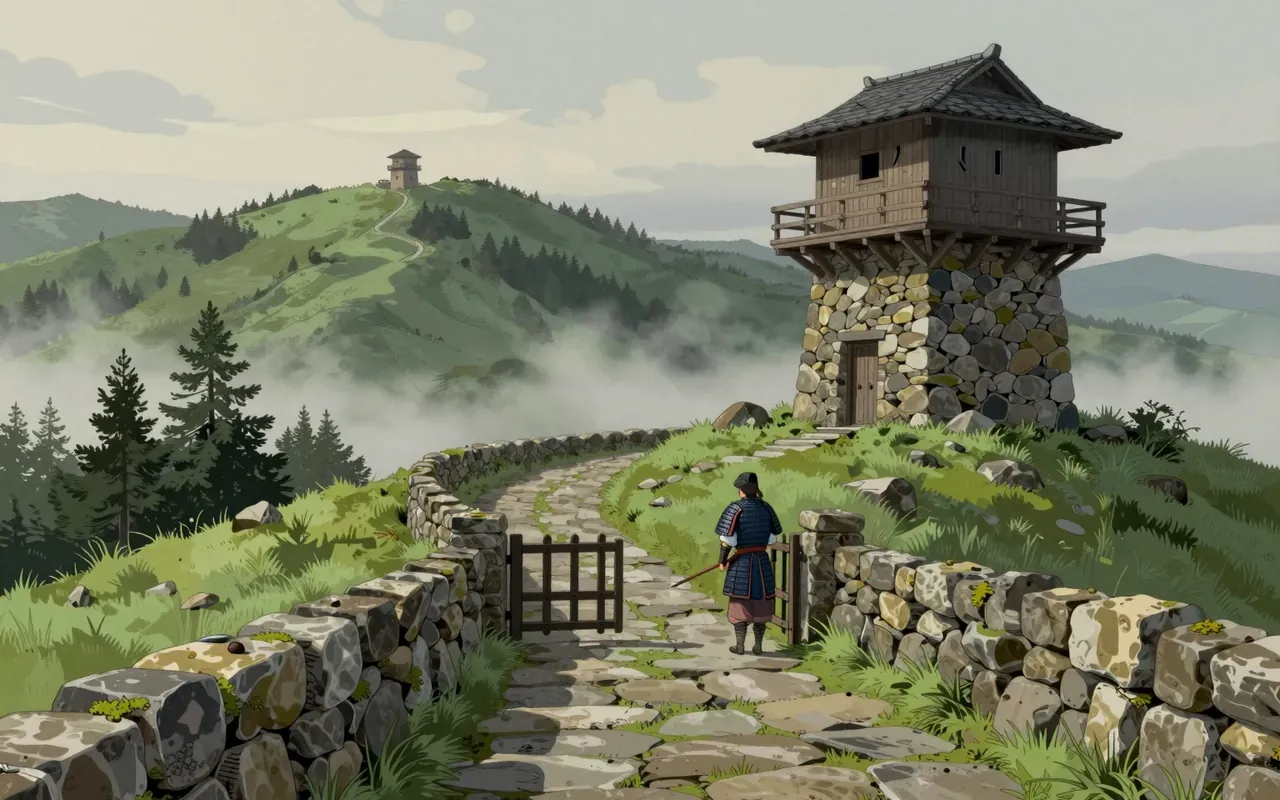
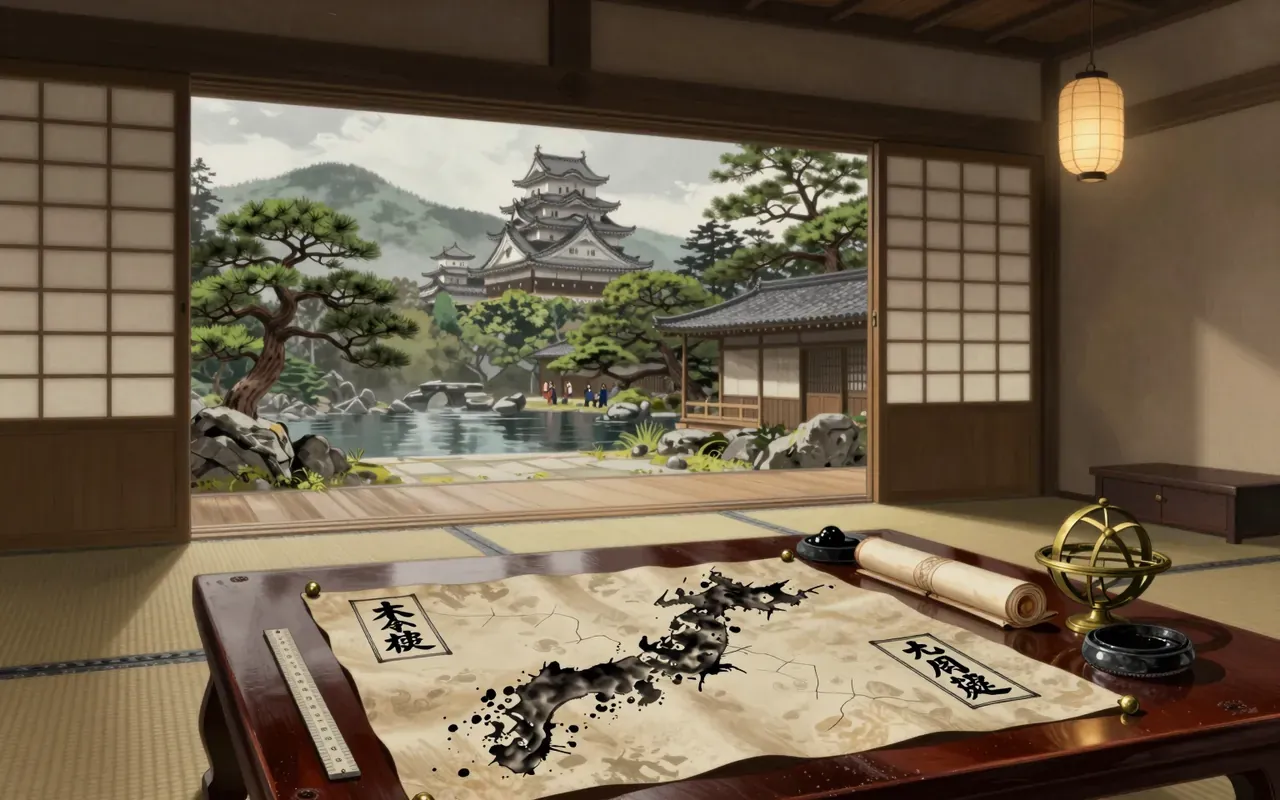
Total War: Shogun 2 is a PC strategy video game released by Creative Assembly in 2011. It blends turn-based campaign management with real-time tactical battles. It is set in feudal Japan during the Sengoku Jidai. It was the first Total War title to foreground ‘Total War’ as the main title for brand awareness.
How it actually plays
The player alternates between turn-based campaign management and real-time battlefield control. Settlements are developed, economies grown, armies built, and technologies researched across a stylised map. Armies move tile-by-tile; battles trigger when they meet. On the battlefield, units respond in real time to commands, terrain, weather, and attrition. Agents—ninja, geisha, metsuke, monks—operate independently on the campaign map, enabling assassination, espionage, suppression, or conversion.
What works
Ashigaru and samurai units create meaningful recruitment tension: ashigaru are cheap and flexible; samurai require specific buildings, cost more, and fill distinct roles like cavalry or archery. Siege units (mangonels, European cannons) and special agents (kisho ninja for wall-climbing, geisha for spying) deepen tactical variety. Religious systems—Shinto-Buddhism and Catholicism—directly affect unrest and unit access, making faith a strategic variable, not flavour.
What does not
It does not simplify its systems for accessibility. There is no tutorial that teaches agent interplay, religious unrest mechanics, or how siege unit positioning affects castle assault outcomes. Naval combat is present but shallow. The Realm Divide endgame trigger arrives abruptly, with no mid-campaign signalling or preparation phase.
Who it is for, and who it is not
It is for players who treat strategy as a language of constraints and trade-offs. It is not for players who prefer narrative-driven campaigns, streamlined progression, or session-based play under one hour.
Is it worth your time
Yes—if you want a deep, systemic strategy game that demands long-term planning, layered resource trade-offs, and tactical patience. It asks for sustained attention across sessions lasting hours. It does not ask for reflexes, speed, or narrative investment.