What the game is
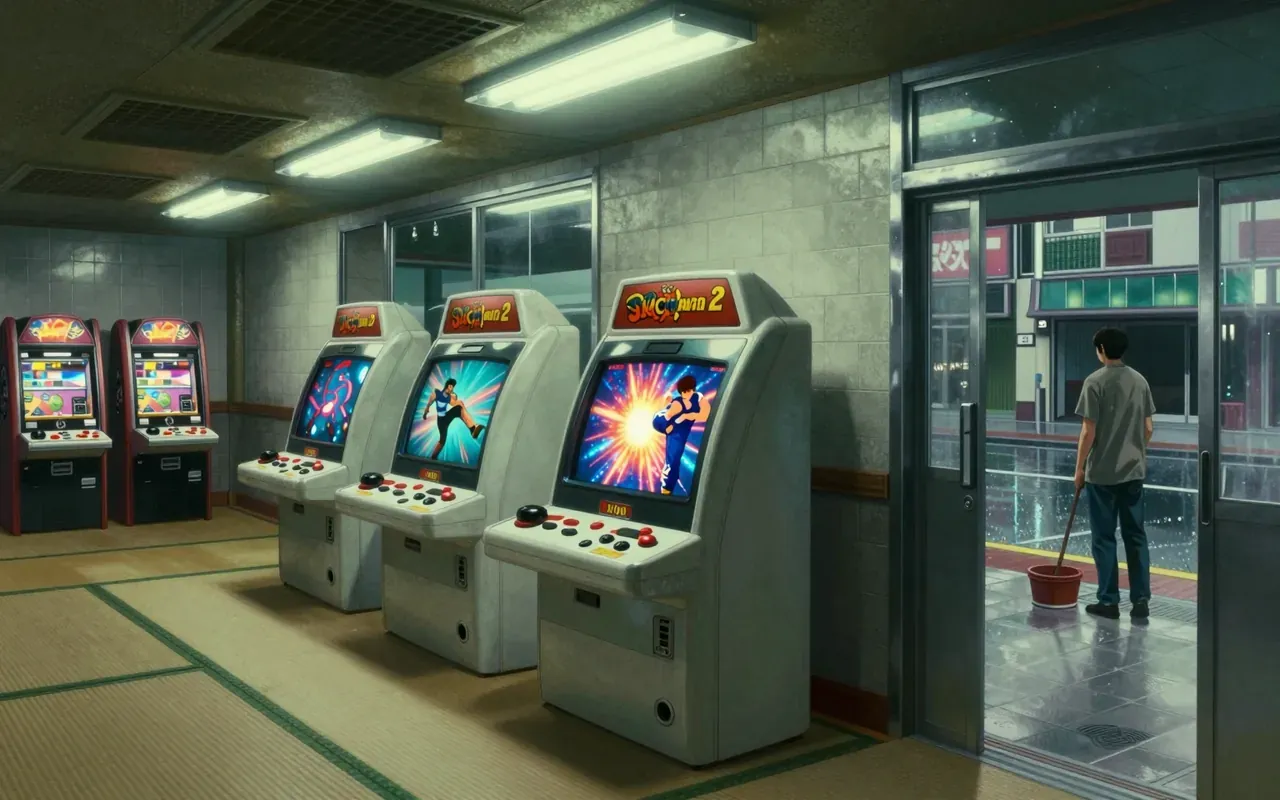
A 1991 arcade fighting game developed and published by Capcom. It is the second main entry in the Street Fighter franchise — one of Capcom’s flagship franchises and among the most popular fighting game series in the genre.
How it actually plays
Street Fighter II is a timed, one-on-one, close-quarters combat game. Each round ends when one fighter’s health bar is fully depleted or when time expires — with the fighter holding more health declared the winner. Ties occur if both fighters have equal health at time-up or knock each other out simultaneously. Matches are best-of-three rounds. The original arcade version allows up to 10 rounds per match. A second player can interrupt single-player mode to trigger head-to-head play; the winner continues solo. Every third single-player match triggers a bonus stage where the player smashes objects for points.
What works
The two-player head-to-head mode is immediate and brutal. Interrupting single-player to challenge a friend forces direct, unmediated competition. The round-based structure with health-and-time resolution creates clear stakes every 90 seconds. Bonus stages break rhythm without disrupting flow. The fixed 10-round cap in the original arcade version gives matches a distinct, escalating tension.
What does not
It does not scale gracefully for newcomers. There is no training mode. No in-game explanation of combos, block strings, or hitstun. Bonus stages are disconnected from combat skill. Draws in single-player default to computer victory — a punitive design that discourages experimentation. The 10-round match limit in the original arcade version creates pacing whiplash against the standard best-of-three structure.
Who it is for, and who it is not
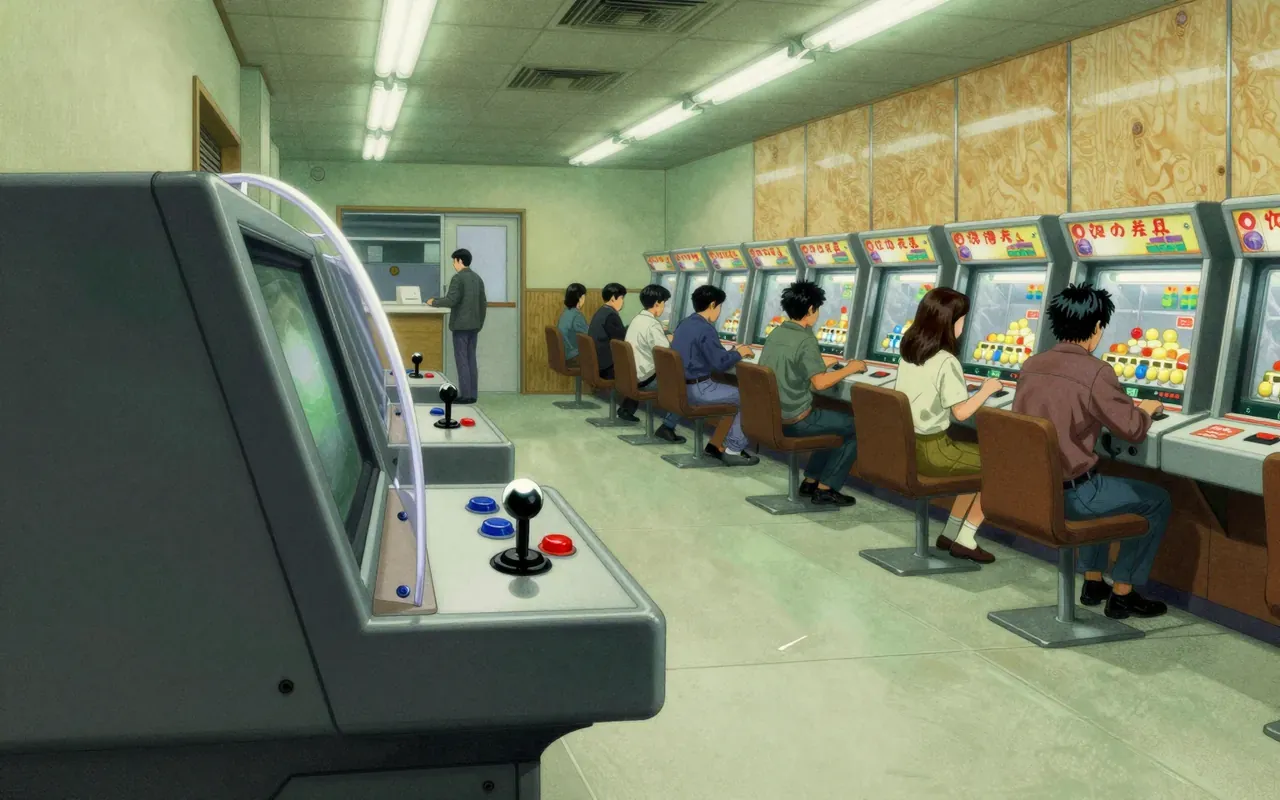
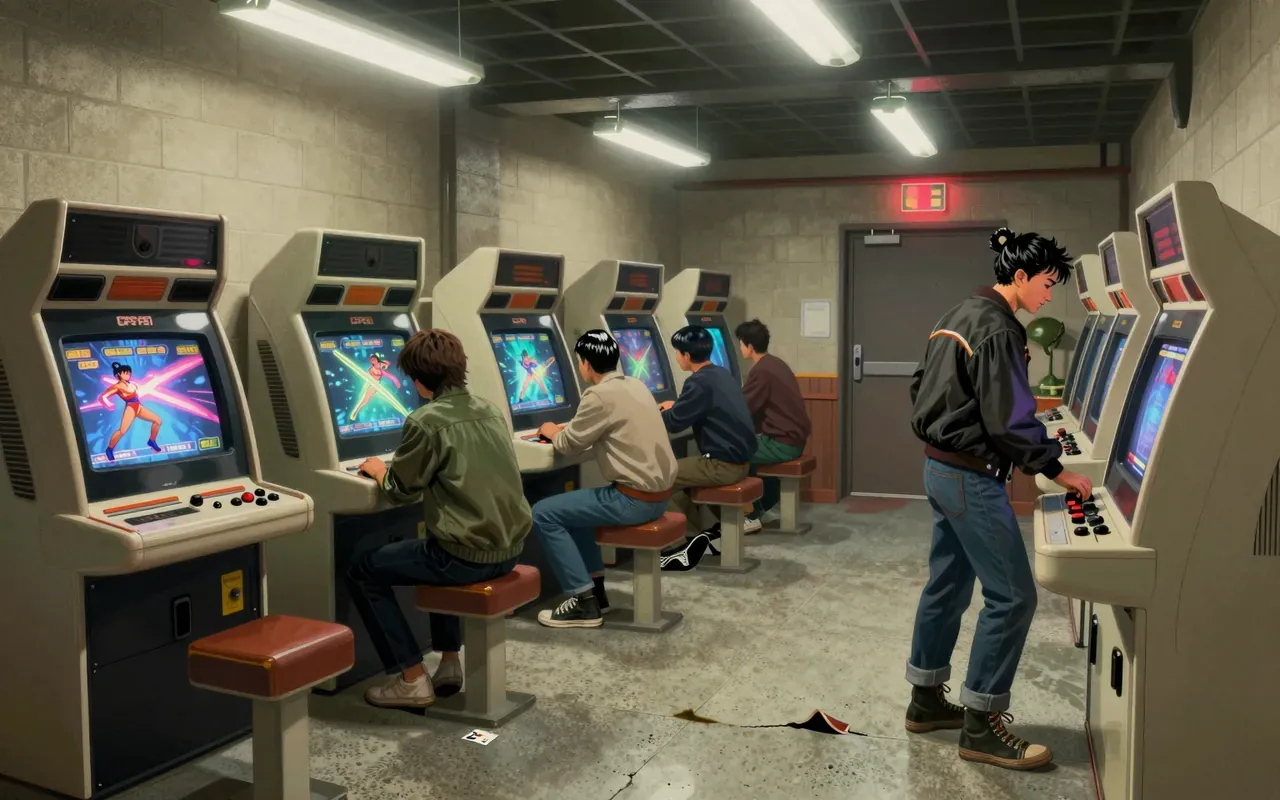
It is for players who value raw, unfiltered competition over guidance or progression. It is for those who treat arcade cabinets as social infrastructure — places to read opponents, adapt mid-match, and settle scores face-to-face. It is not for players who expect scaffolding, feedback, or fairness beyond what the rules state.
Is it worth your time
Yes — if you want to feel how competitive fighting games lock players into tight, reactive exchanges shaped by timing, spacing, and risk. It demands attention to frame-precise inputs and punishes hesitation. But it offers no tutorial, no adjustable difficulty, and no explanation of its systems. You learn by losing — repeatedly — in public.