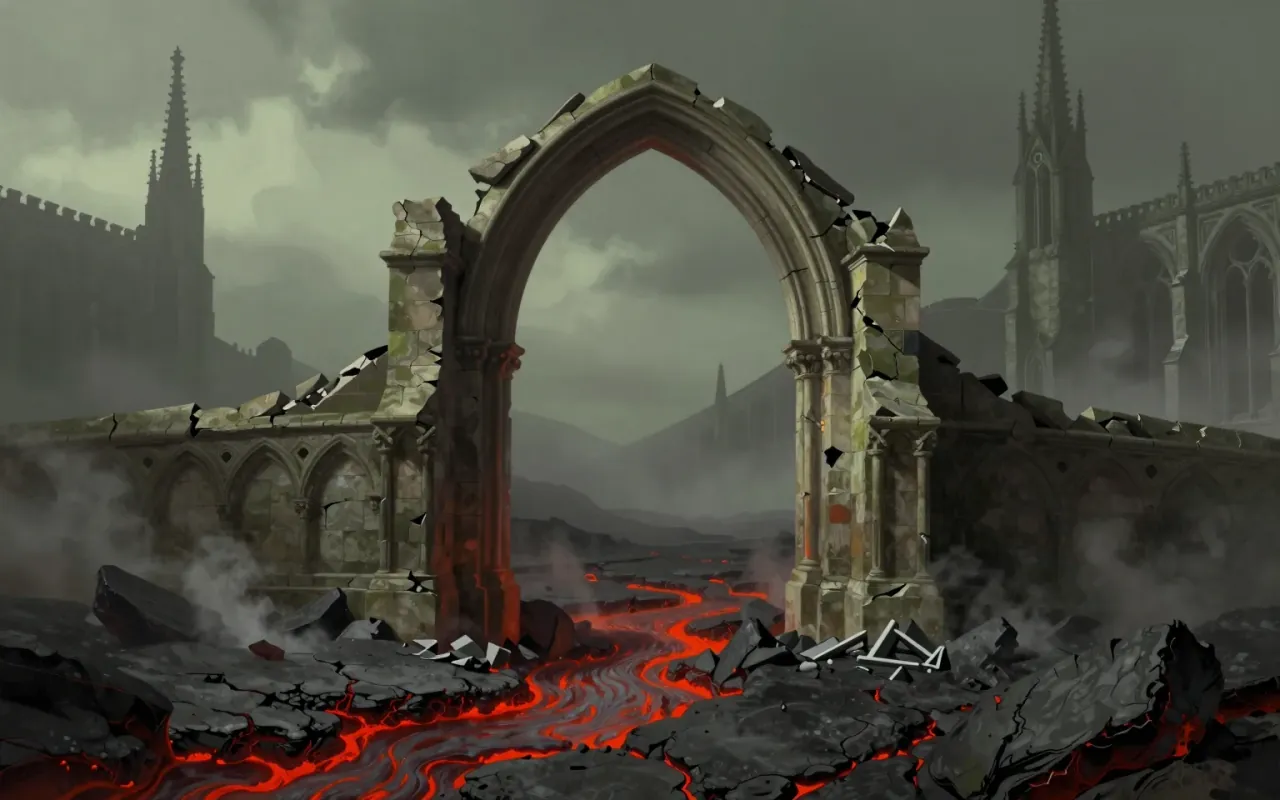
Doom 64 isn’t a port—it’s a recalibration: slower, darker, and built to make the N64 sweat.
Doom 64 is a first-person shooter for the Nintendo 64 developed and published by Midway Games. Its gameplay follows the established Doom formula: players advance through 28 story levels and 4 secret levels by battling demons, collecting weapons and keys, and activating switches to reach each level's exit while surviving deadly ambushes and traps. The game uses a customized version of the Doom engine enabling new level geometry and dynamic colored lighting, and features unique visual assets including redesigned weapons and monsters. All weapons from Doom II return with new sprites and sound effects, plus a new weapon—the Unmaker—which uses hitscan but appears projectile-based and can be upgraded via three ancient artifacts scattered across levels. Most enemies from Doom and Doom II appear with similar behavior and attributes, though some—including the revenant, arch-vile, spiderdemon, and 'heavy weapon dude'—are omitted, and one new enemy—the nightmare imp—is added. A unique final boss, the Mother Demon, appears. The game’s narrative follows the Doom Marine returning alone to exterminate resurrected demons in quarantined UAC installations, culminating in his permanent self-exile in Hell after defeating the Mother Demon.
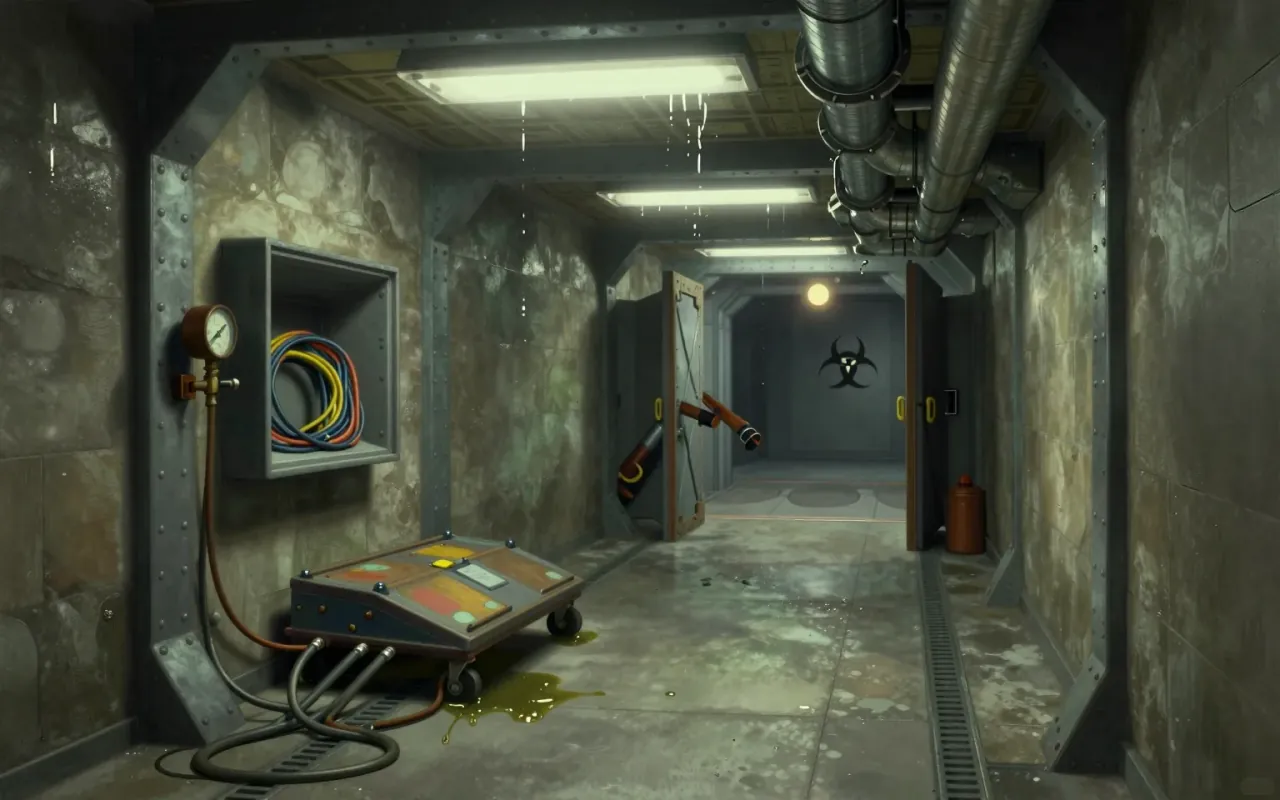
It’s 28 story levels plus 4 secrets—same loop, same stakes, same relentless forward pressure.
2:41
Everything Is Remade
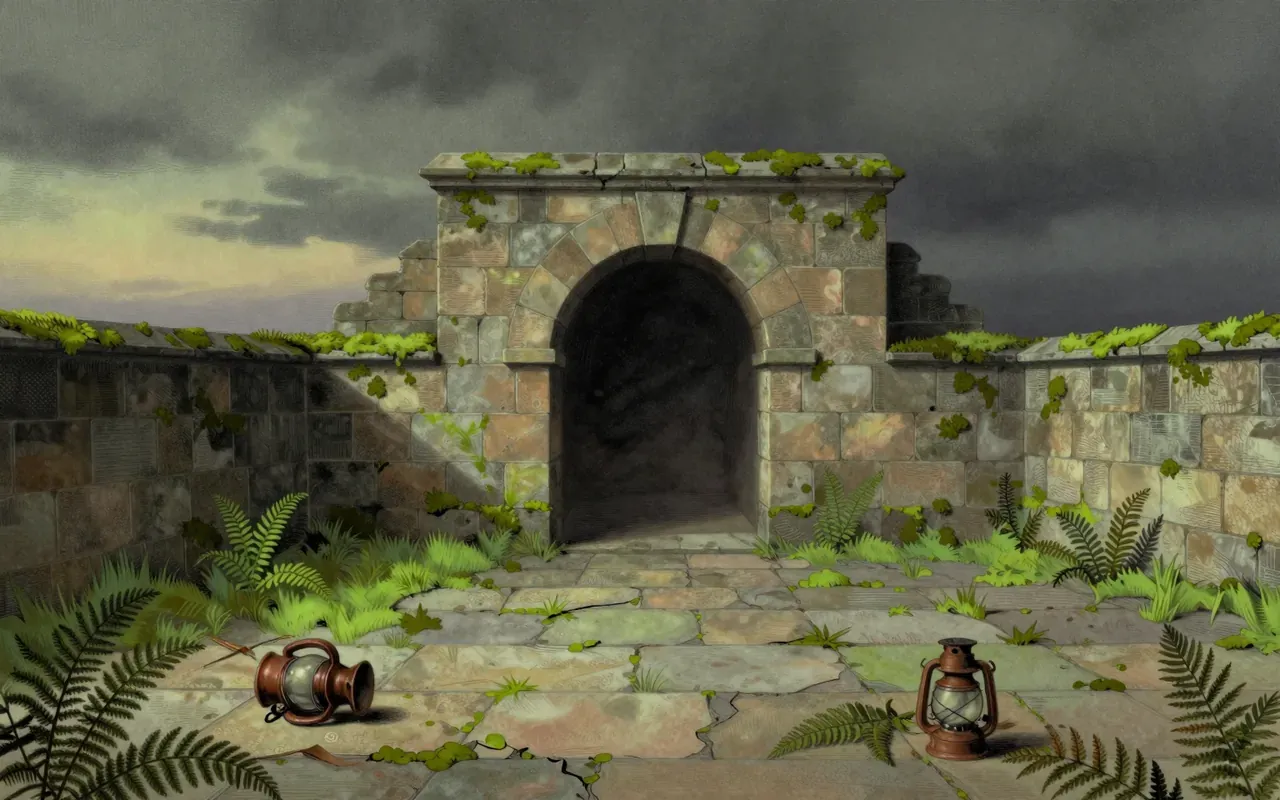
Every weapon, monster, and light effect is custom-built—not reskinned—to fit the N64’s limits and ambitions.
4:01
The Unmaker Is the Core Mechanic
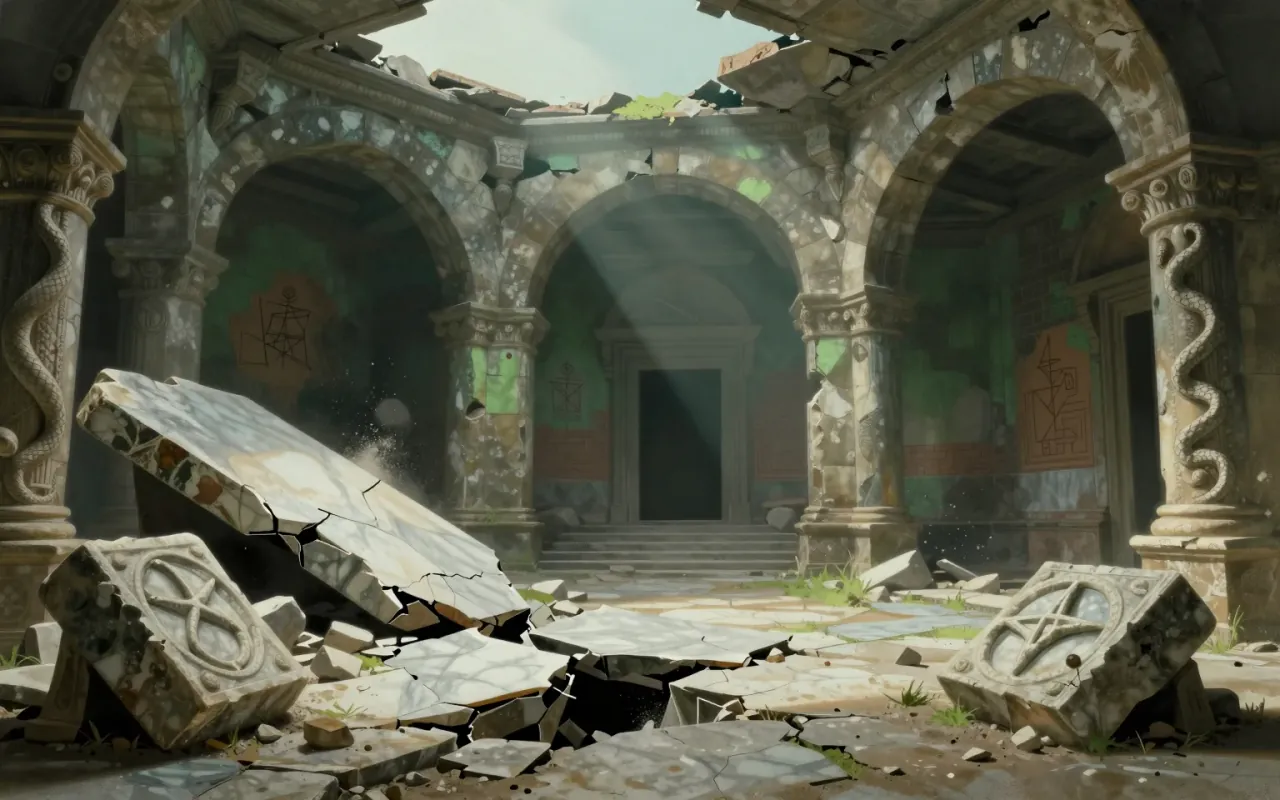
The Unmaker doesn’t just add firepower—it adds structure: three artifacts force exploration, reward patience, and escalate combat into autonomous tri-targeting.
6:10
Familiar Enemies, Missing Pieces
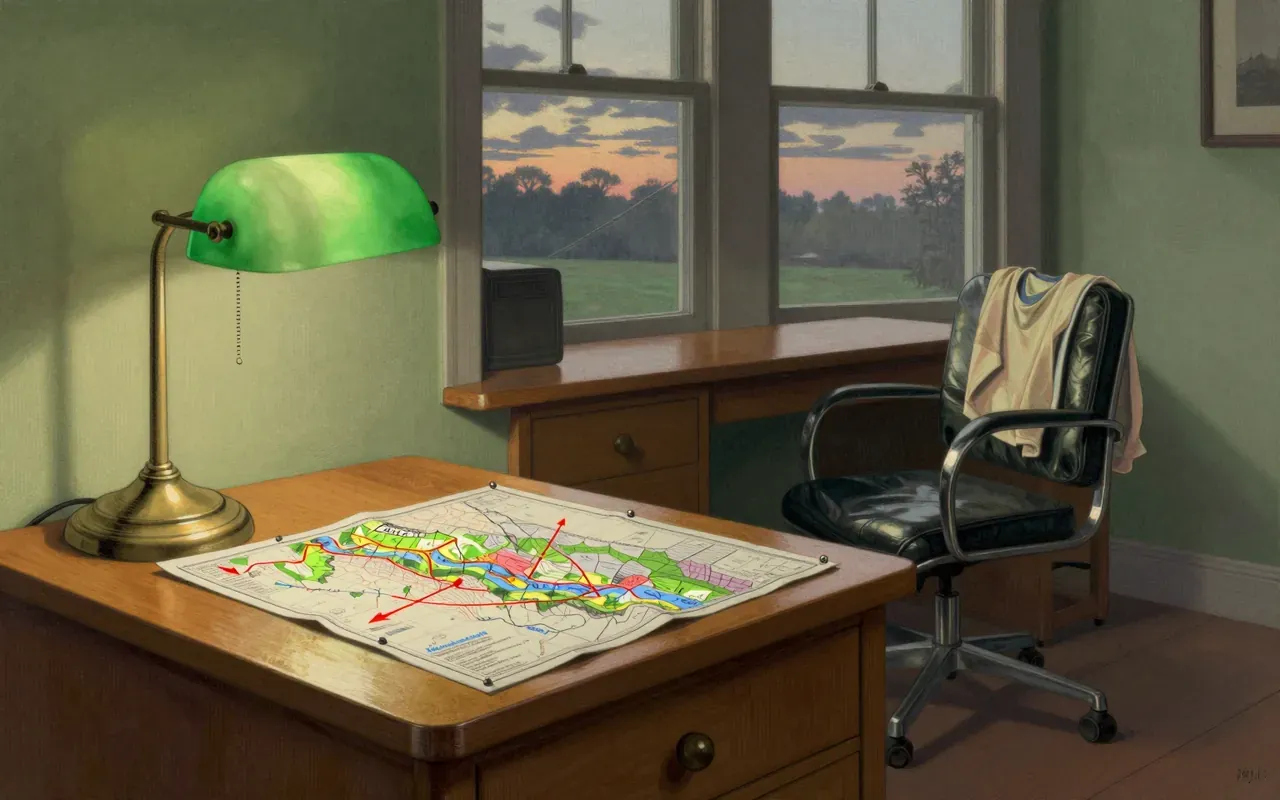
Most classic enemies return with identical behavior—but key absences (revenant, arch-vile, spiderdemon) reshape encounter design.
Worth your time?
Yes. Play the whole thing.
4/ 5
What works
Unmaker upgrade system
custom lighting and geometry
distinct visual identity
What does not
multiplayer
branching narrative
full enemy roster from Doom II
Play it if
players who value hardware-shaped design
fans of atmospheric, slow-burn FPS pacing
Skip it if
players expecting Doom II fidelity
those seeking co-op or competitive play
The written brief1 min read
What the game is
Doom 64 is a first-person shooter for the Nintendo 64 developed and published by Midway Games. It follows the established Doom formula but uses a customized version of the Doom engine enabling new level geometry and dynamic colored lighting, and features unique visual assets including redesigned weapons and monsters.
How it actually plays
The player advances through 28 story levels and 4 secret levels by battling demons, collecting weapons and keys, and activating switches to reach each level’s exit while surviving deadly ambushes and traps. All weapons from Doom II return with new sprites and sound effects. A new hitscan weapon—the Unmaker—appears projectile-like and upgrades in three stages via hidden ancient artifacts. Most enemies from Doom and Doom II appear with similar behavior and attributes.
What works
The Unmaker’s upgrade path creates escalating tactical variety: fire rate, dual-laser precision, then autonomous triple-laser targeting. Dynamic colored lighting and custom geometry deepen atmosphere without compromising the core run-shoot-dodge loop. Every weapon and monster has bespoke visuals, reinforcing a distinct identity within the franchise.
What does not
It omits the revenant, arch-vile, spiderdemon, and ‘heavy weapon dude’. It offers no multiplayer. Its narrative is minimal and linear, with no branching or player agency beyond progression.
Who it is for, and who it is not
It is for players who value deliberate, hardware-shaped design choices—and who accept that ‘Doom’ on N64 means trade-offs, not ports. It is not for players seeking completeness (missing enemies), flexibility (no co-op or deathmatch), or narrative depth.
Is it worth your time
Yes—if you want a tightly wound, hardware-constrained reimagining of the Doom loop on Nintendo 64, with deliberate visual and mechanical departures that sharpen its dread. No—if you expect fidelity to Doom II’s enemy roster or modern pacing.