What the game is
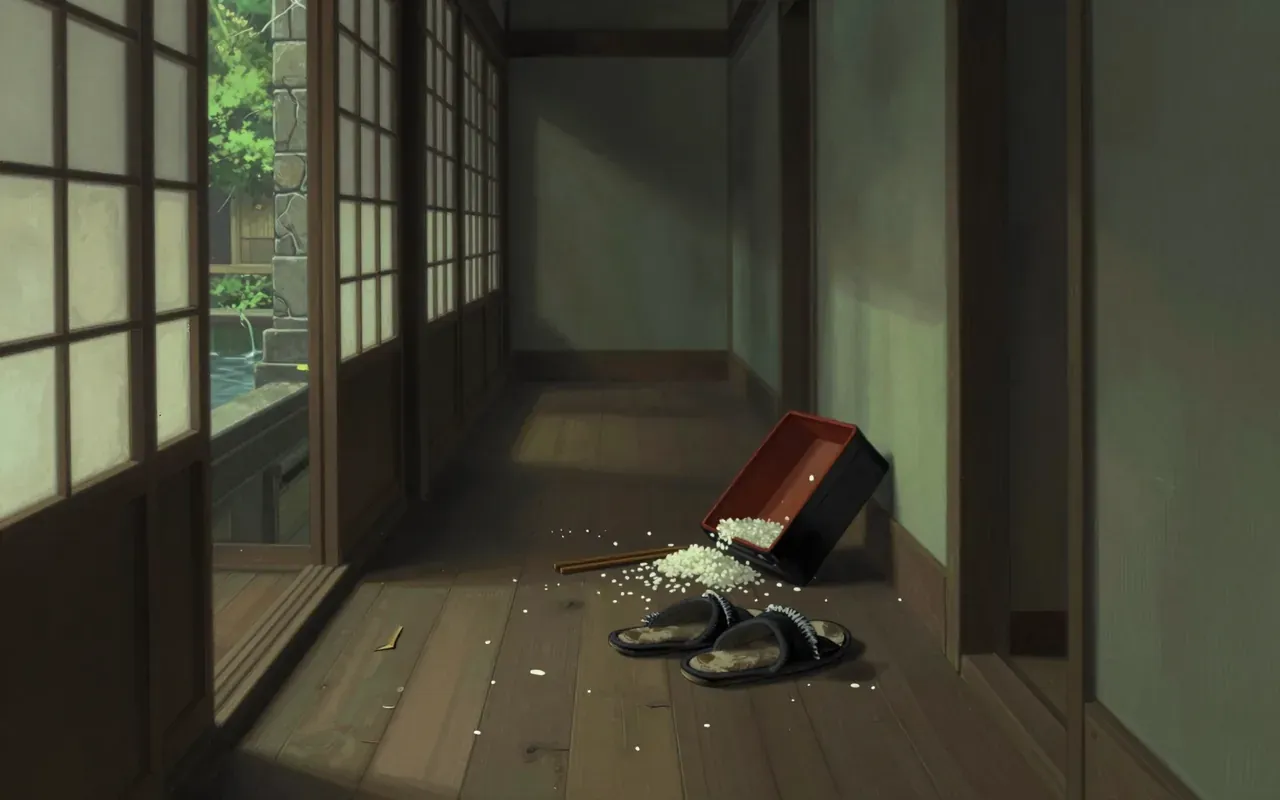
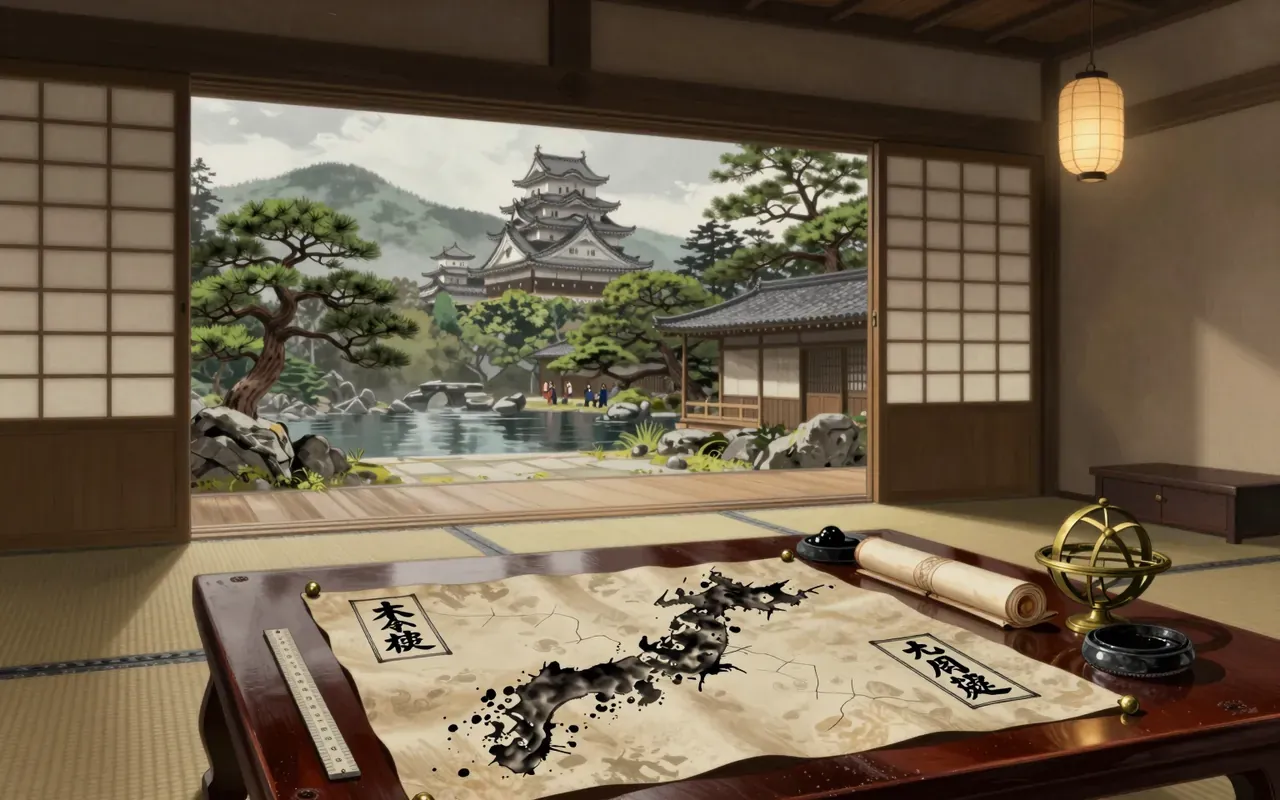
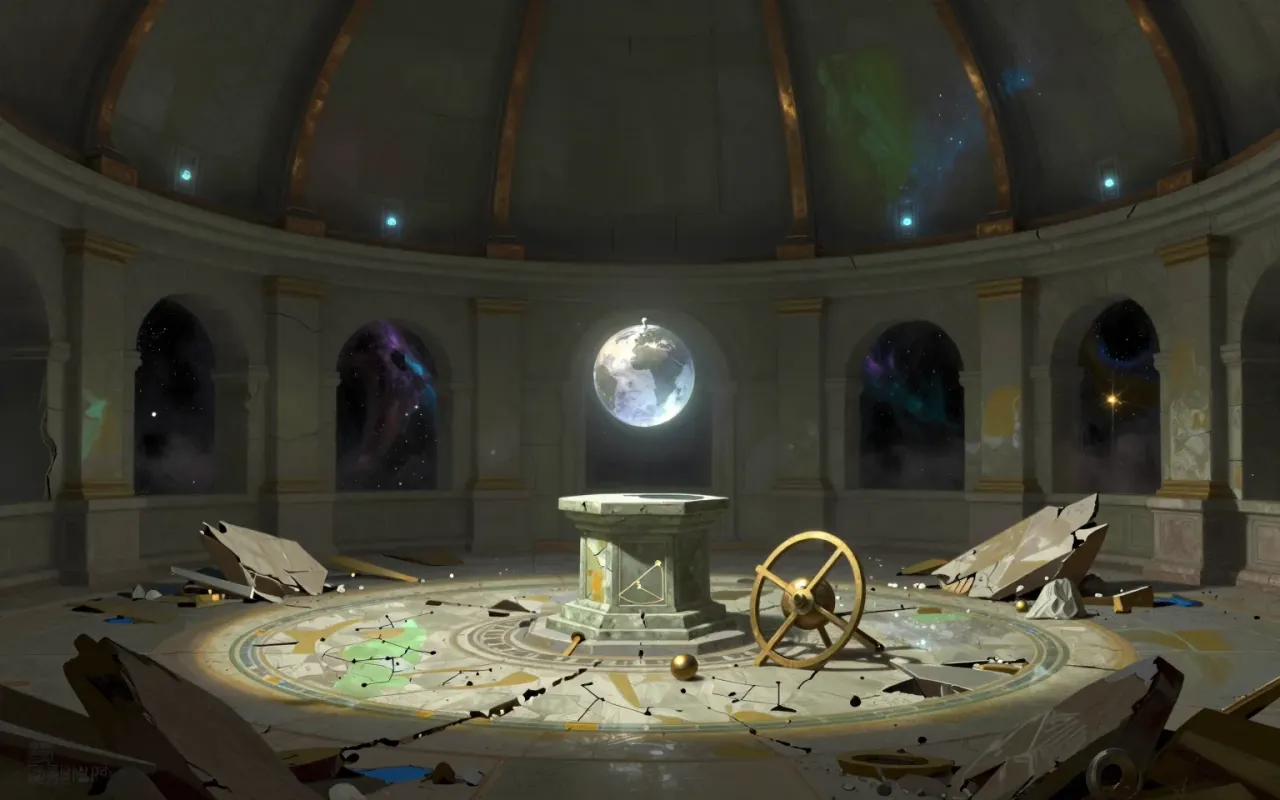
Fate/Stay Night is a PC-based visual novel released by Type-Moon on 30 January 2004. It is a commercially released adult game later re-released without erotic content. It is a dark fantasy story told through text, structured around three heroine-specific plot lines.
How it actually plays
Players read narrative text, inner thoughts, or dialogue for most of the session. At variable intervals, gameplay pauses at decision points offering two to three timed choices. Selecting an option advances one of three heroine-specific plot lines. To see all routes, players must replay the game multiple times, choosing differently each time. Completing one route unlocks the next. An affection meter rises only when players select responses that please the heroine.
What works
The affection meter gives immediate feedback on relationship progression. The route-unlocking system creates a clear progression scaffold. Variable decision-point spacing avoids rhythm fatigue. The heroine-specific routes establish distinct emotional logics and thematic payoffs — each route reshapes how the player understands the protagonist and the world.
What does not
It does not support branching within a single playthrough. It does not allow skipping previously seen text without disabling the feature manually. It does not offer narrative synthesis across routes during play — each route is sealed until unlocked. It does not accommodate players who dislike repetition or timed choices.
Who it is for, and who it is not
It is for readers who treat narrative as architecture — those who enjoy dissecting motive, revisiting scenes for subtext, and tracing how small choices cascade into divergent endings. It is not for players seeking mechanical depth, real-time interaction, or a self-contained first-playthrough experience.
Is it worth your time
It is worth your time only if you want a tightly structured, choice-driven dark fantasy story with layered character arcs and are willing to commit to multiple replays. It asks for patience, not skill. There is no combat, no exploration, no failure state — just reading, pausing, choosing, and returning.