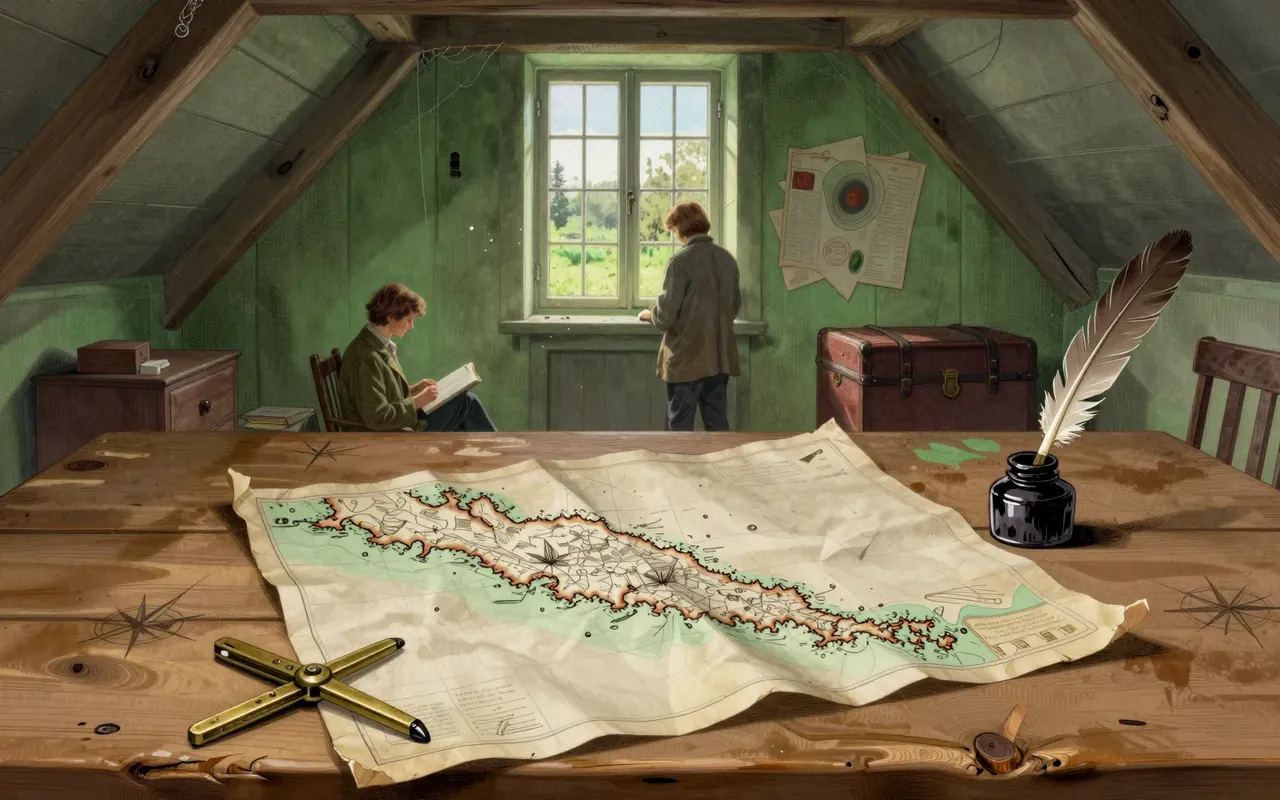
It asks you to listen closely, look twice, and wait—then rewards you with a world that holds together because its rules are consistent, not because its pace is urgent.
The Longest Journey is a third-person point-and-click adventure game developed and published by Funcom in 1999. It is structured in chapters where players advance the story by completing tasks like talking to characters and solving puzzles. Dialogue is expansive and mostly non-essential to progression, serving instead to build character, location, and lore. Input differs by platform: PC uses a context-sensitive mouse cursor, iOS uses touch-screen interaction. Interaction is guided by icons: Eye for examine, Mouth for talk/consume, Hand for use/pick up. On PC, the cursor changes colour to signal interactivity: red for exits, light blue for multi-action objects. A map screen enables travel between major locations, with new destinations unlocking as the story progresses. Puzzles rely on subtle environmental and conversational clues. Items are stored in an inventory and flash when usable on a compatible object. The game was very well-received both by critics and users. The game was published in 9 languages: English, Norwegian, French, Dutch, Swedish, Italian, Polish, Russian and Spanish.
subtle clues in locations and NPC speech reward close reading
What does not
pseudoscience
Play it if
players who value layered worldbuilding
players who enjoy patient puzzle logic
players who prefer character-driven exposition over action
Skip it if
players who need tight cause-effect feedback
players who dislike backtracking to re-examine environments after new information
players who expect every line of dialogue to matter
The written brief1 min read
What the game is
A third-person point-and-click adventure game developed and published by Funcom in 1999. It is structured in chapters. The player controls April Ryan across two parallel worlds—Stark and Arcadia—using environmental interaction, inventory-based puzzle-solving, and expansive dialogue.
How it actually plays
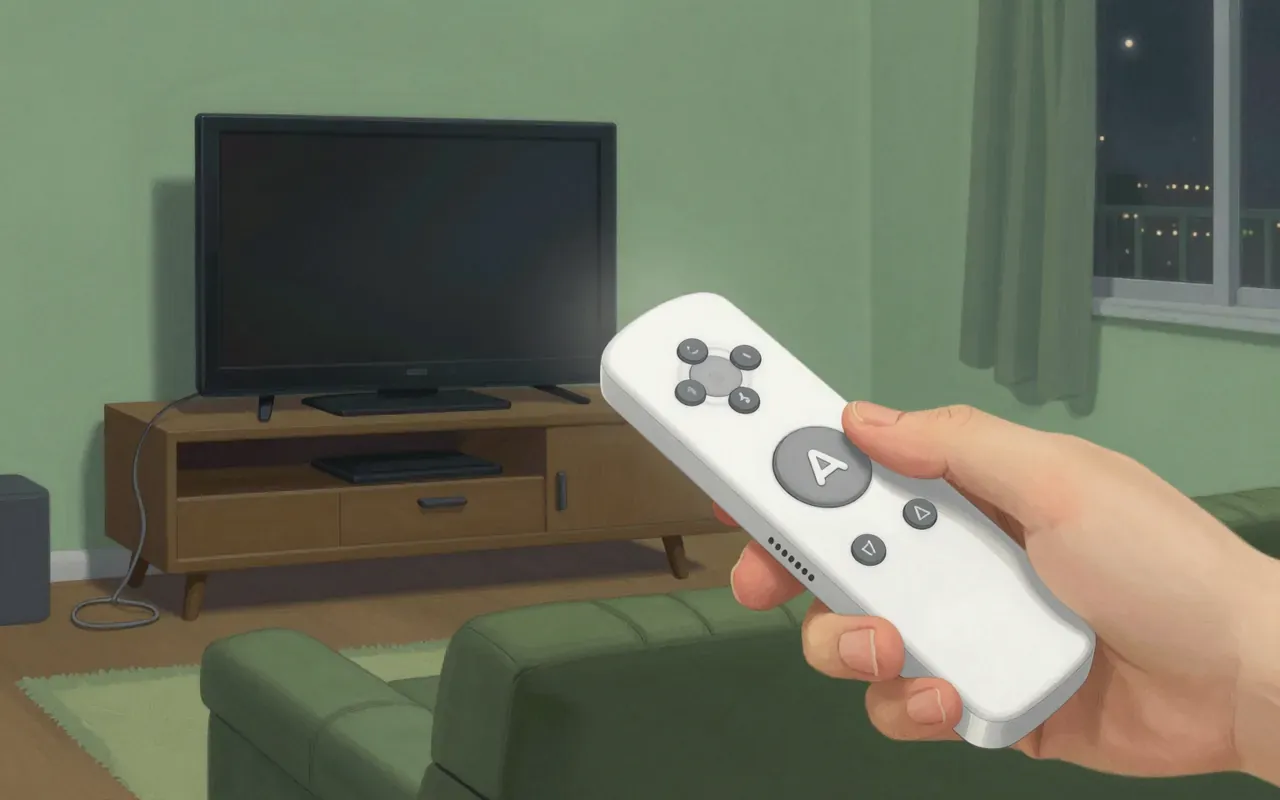
Players move April Ryan through a third-person world using a context-sensitive cursor on PC or touch icons on iOS. The cursor turns red for exits, light blue for multi-action objects. Icons guide interaction: Eye to examine, Mouth to talk or consume, Hand to use or pick up. A map unlocks locations as the story progresses. Inventory items flash when usable on compatible objects. Puzzles rely on subtle environmental and conversational clues.
What works
The dual-world structure shapes both story and gameplay constraints. The inventory system gives clear visual feedback: items flash when usable. The map unlocks organically, reinforcing narrative progression. Subtle clues in locations and NPC speech reward close reading—not just of text, but of spatial and tonal cues.
What does not
Dialogue rarely advances the plot. Most conversations are non-essential. Players who expect every line to matter—or who dislike backtracking to re-examine environments after new information—will stall. The game withholds explicit guidance, assuming sustained engagement with its world rather than accommodating short sessions.
Who it is for, and who it is not
It is for players who value layered worldbuilding, patient puzzle logic, and character-driven exposition over action or efficiency. It is not for players who need tight cause-effect feedback, frequent progression markers, or mechanical variety between chapters.
Is it worth your time
Yes—if you want a narrative-driven point-and-click adventure that trusts players to absorb lore through optional dialogue and solve puzzles with observational patience. It demands attention to detail, not reflexes or speed. Its pacing and structure assume time, not urgency.