gamesbriefs
Topic

Pseudoscience

Claims wearing the costume of evidence.

10
in games
10:23
average
104 min
in total
17
across the network
Pseudoscience across the network →
All briefs10
9:35

Broken Sword II: The Smoking Mirror

Revolution Software · 1997

Broken Sword II: The Smoking Mirror is a 1997 point-and-click adventure by Revolution Software. It runs on PC and PlayStation. Players guide George Stobbart—and briefly Nicole Collard—through hand-drawn 2D environments using a mouse or gamepad. Interaction relies on right-clicking for clues, branching dialogue for exposition, and collecting/combining objects to solve puzzles. A dynamic map unlocks new locations as the story progresses. It sold one million copies in the mid-1990s and was well received.

10:15

Braid (video game)

Jonathan Blow · 2008

Braid is a 2D puzzle-platform game developed by Thekla Inc., published by Microsoft, released on XBLA in 2008. Its art was created by David Hellman. It uses time manipulation as its central design pillar, delivered through six sequentially unlocked worlds, each governed by a distinct temporal rule. Narrative is conveyed through text between worlds, environmental art, and gameplay itself.

11:58

Gunpoint (video game)

Tom Francis · 2013

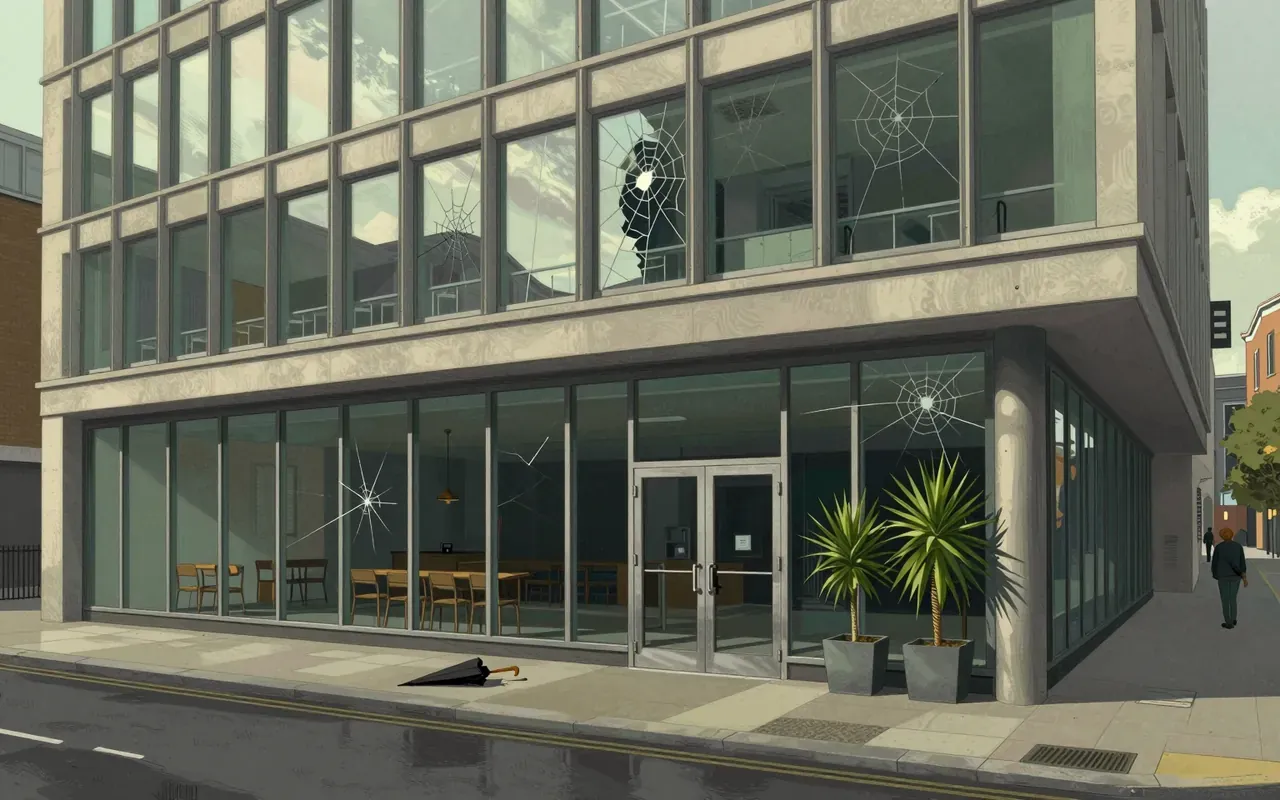
Gunpoint is a stealth-based puzzle-platform game where players control freelance spy Richard Conway to infiltrate buildings, avoid guards, and bypass security using gadgets like the Crosslink tool.

11:09

Sweet Home (video game)

Capcom · 1989

A 1989 Famicom RPG that uses mansion architecture, fixed-character utility, and irreversible consequences to build tension—not through jump scares, but through scarcity and spatial logic.

10:09

The Dig (video game)

LucasArts · 1995

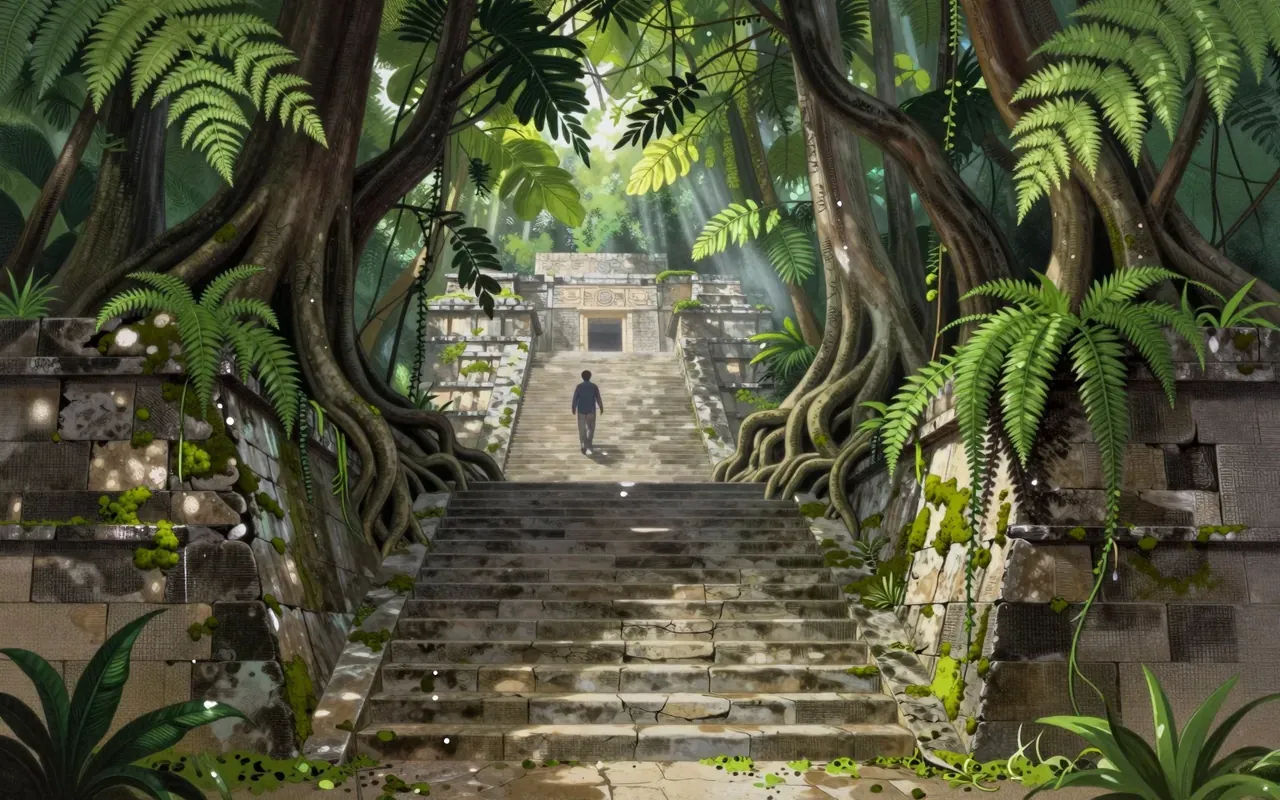
The Dig is a 1995 LucasArts point-and-click adventure game for PC and Macintosh. It casts the player as Commander Boston Low, stranded on an alien world after a failed lunar mission, investigating ancient ruins to understand a vanished civilisation and find a way home.

10:48

The Longest Journey (video game)

Funcom · 1999

The Longest Journey is a third-person point-and-click adventure game developed and published by Funcom in 1999. It is structured in chapters where players advance the story by completing tasks like talking to characters and solving puzzles. Dialogue is expansive and mostly non-essential to progression, serving instead to build character, location, and lore. Input differs by platform: PC uses a context-sensitive mouse cursor, iOS uses touch-screen interaction. Interaction is guided by icons: Eye for examine, Mouth for talk/consume, Hand for use/pick up. On PC, the cursor changes colour to signal interactivity: red for exits, light blue for multi-action objects. A map screen enables travel between major locations, with new destinations unlocking as the story progresses. Puzzles rely on subtle environmental and conversational clues. Items are stored in an inventory and flash when usable on a compatible object. The game was very well-received both by critics and users. The game was published in 9 languages: English, Norwegian, French, Dutch, Swedish, Italian, Polish, Russian and Spanish.

10:44

Puyo Puyo Tetris

Sonic Team · 2014

Puyo Puyo Tetris is a deliberate, unapologetic juxtaposition—not an integration—of two established puzzle systems. Its strength lies in clarity, consistency, and competitive rigour. Its limitation is structural separation: no rule, constraint, or feedback bridges Puyo and Tetris beyond shared menus and scoring.

9:28

Day of the Tentacle

LucasArts · 1993

Day of the Tentacle is a 1993 LucasArts point-and-click adventure built on the SCUMM engine. It uses time travel as a structural puzzle mechanic, splitting three protagonists across past, present, and future. Players switch between them and move items across eras using Chron-o-Johns or temporal placement. It features voice acting — a LucasArts first — and relies on cause-and-effect logic over reflexes or narrative choice.

10:54

Lode Runner

Brøderbund · 1983

Lode Runner is a tightly wound logic puzzle game built around a single, elegant mechanic: digging temporary holes to trap guards, then walking over them before they fill. It demands precision, foresight, and tolerance for opaque enemy behaviour. Its 150 levels escalate cleanly, and its shipped level editor made player authorship part of the core experience. It belongs to the Apple II era—not just chronologically, but architecturally.

8:47

Q*bert

Gottlieb · 1982

Q*bert is a 1982 Gottlieb arcade action-puzzle game where players use a diagonally mounted four-way joystick to hop Q*bert across a 28-cube pyramid, changing each cube’s colour by landing on it — with escalating rules per level — while avoiding deadly purple enemies, neutralising green enemies on contact, and surviving falls off the pyramid.