gamesbriefs
Topic

Censorship

Who gets to decide what cannot be said, and on what grounds.

3
in games
10:04
average
30 min
in total
110
across the network
Censorship across the network →
All briefs3
9:40

School Days (video game)

0verflow · 2005

School Days is a 2005 eroge visual novel by Stack Ltd. under its 0verflow brand. It uses branching narrative paths shaped by player decisions that track relationship states to produce romantic outcomes and endings — notably extreme 'bad endings' involving death or violence, especially those centred on Kotonoha Katsura. Its pornographic content varies by release: pixelated in original Japanese versions, uncensored in Western HQ, and omitted entirely in PS2 and PSP ports. It was adapted into a 12-episode anime series in 2007 and received manga adaptations.
10:56

Carmageddon

Stainless Games · 1997

Carmageddon is a 1997 vehicular combat game developed by Stainless Games. It subverts racing conventions by making wrong-way driving, crashing, and pedestrian killing explicit objectives. The player races a vehicle against computer-controlled competitors in city, mine and industrial areas. Time is limited but extendable by collecting bonuses, damaging opponents’ cars or running over pedestrians. A race ends when the player finishes the course, wrecks all opponent vehicles, or kills all pedestrians on the level. The game features thirty-six racetracks across eleven locations. Its fully featured physics engine — a world-first for video games — makes collisions unpredictable and tactile. Crashing feels consequential because the engine simulates damage, momentum and environmental interaction in real time. Wrong-way driving wasn’t a bug — it was the core design mandate. Pedestrian killing was added to distinguish it from Destruction Derby — and to provoke. It is worth your time if you want to experience how physics-driven chaos reshaped vehicular combat in 1997 — not as nostalgia, but as a working prototype of rule-breaking design.

9:37

World of Warcraft: Wrath of the Lich King

Blizzard Entertainment · 2008

World of Warcraft: Wrath of the Lich King is the second expansion for Blizzard’s MMORPG World of Warcraft, set in the frozen continent of Northrend and centred on confronting the Lich King.

More from games

All briefs →
11:06

1080° Snowboarding

Nintendo · 1998

1080° Snowboarding is a Nintendo 64 snowboarding game released in 1998. Players control one of five snowboarders in third-person across eight levels. Core gameplay splits between racing (Race, Time Attack, 2 Players, Match Race) and trick-based scoring (Trick Attack, Contest). Tricks — 24 standard and 5 secret — fall into grab or spin categories and require circular stick motions plus R, Z, and B inputs. Scoring rewards complexity, combos, and timing. Characters and boards have distinct stats affecting technique, speed, weight, balance, and edge control. The game emphasises realistic physics and responsive controls.

9:13

Advance Wars 2: Black Hole Rising

Intelligent Systems · 2003

Advance Wars 2: Black Hole Rising is a Game Boy Advance turn-based strategy game released in 2001 by Intelligent Systems. It refines the Wars series’ core loop with non-linear campaign progression, Super CO Powers, and terrain-specific objectives like capturing Black Cannons. It asks players to sequence actions across turns with precision, not flair. Its rigour is its strength—and its limit.

8:39

Alone in the Dark (1992 video game)

Infogrames · 1994

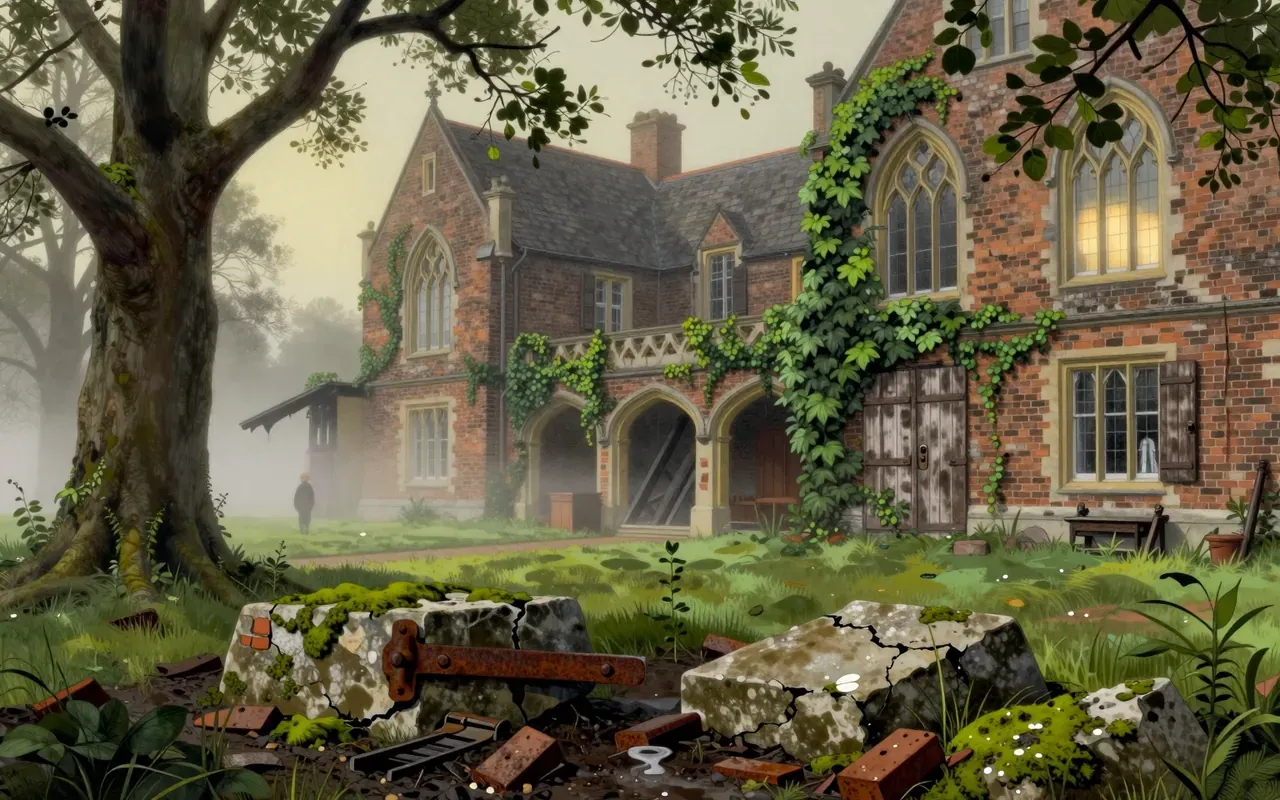
Alone in the Dark (1992) is a 3D horror adventure game set in 1920s Louisiana. The player selects Edward Carnby or Emily Hartwood and begins trapped in the attic of the haunted Derceto mansion. Escape requires exploration, weight-managed inventory use, and puzzle-solving—some enemies demand ritual solutions; others must be avoided entirely. Fixed camera angles and mixed 2D/3D visuals create deliberate tension. It received international attention upon release.

10:46

Apollo Justice: Ace Attorney

Capcom · 2007

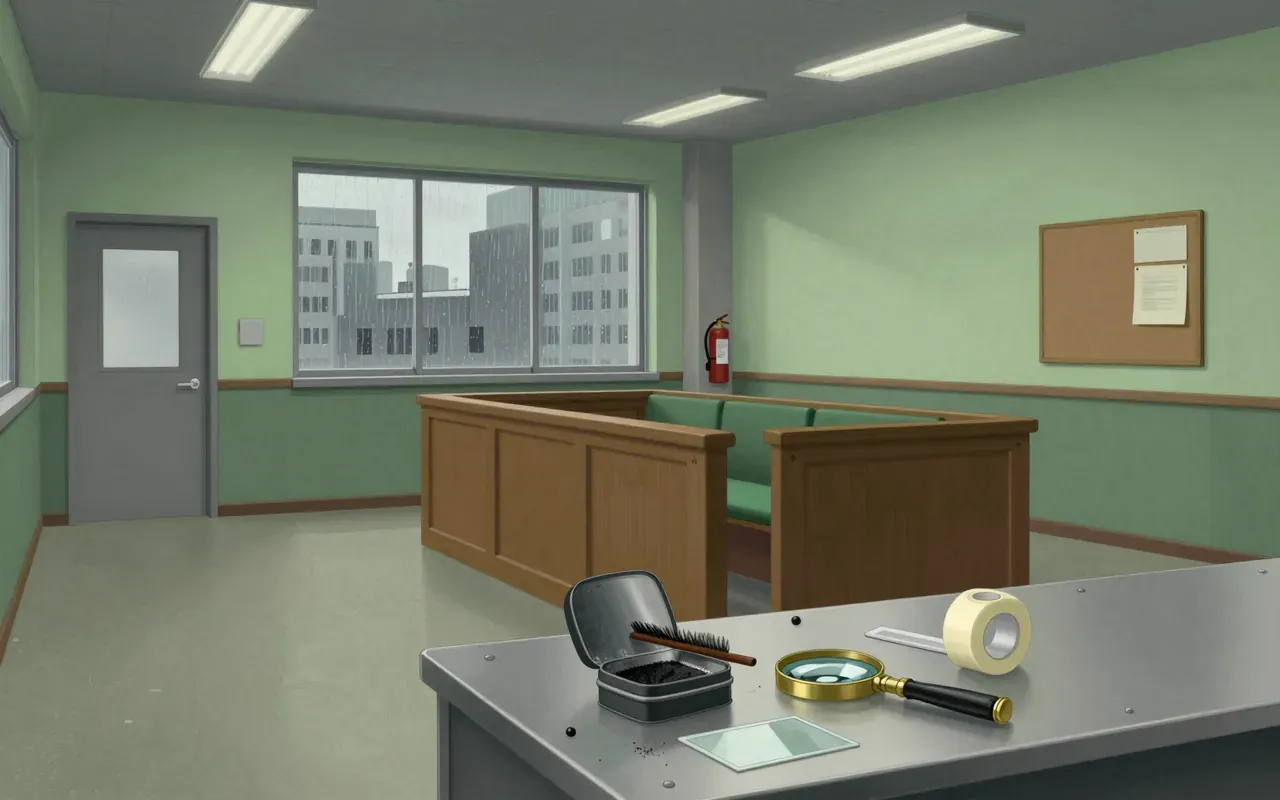
Apollo Justice: Ace Attorney is a DS courtroom game built on three fixed actions — Press, Present, Perceive — and one hard constraint: you cannot move forward until you trigger the correct response. It works because every phase feeds the next. It falters because it offers no deviation from that feed.