gamesbriefs
Topic

The Second World War

The event the modern world still measures itself against.

3
in games
9:49
average
29 min
in total
102
across the network
The Second World War across the network →
All briefs3
9:41

Wolfenstein (2009 video game)

Raven Software · 2009

Wolfenstein (2009) is a first-person shooter that adds a supernatural layer — the Veil — to id Tech 4. It lets players slow time, bypass obstacles, and kill shielded enemies. Raven Software built it using id’s engine technology. Development problems led to layoffs. The Veil is mechanically functional but narratively detached. It is a technical demonstration, not a unified experience.

9:18

Return to Castle Wolfenstein

Gray Matter Interactive · 2001

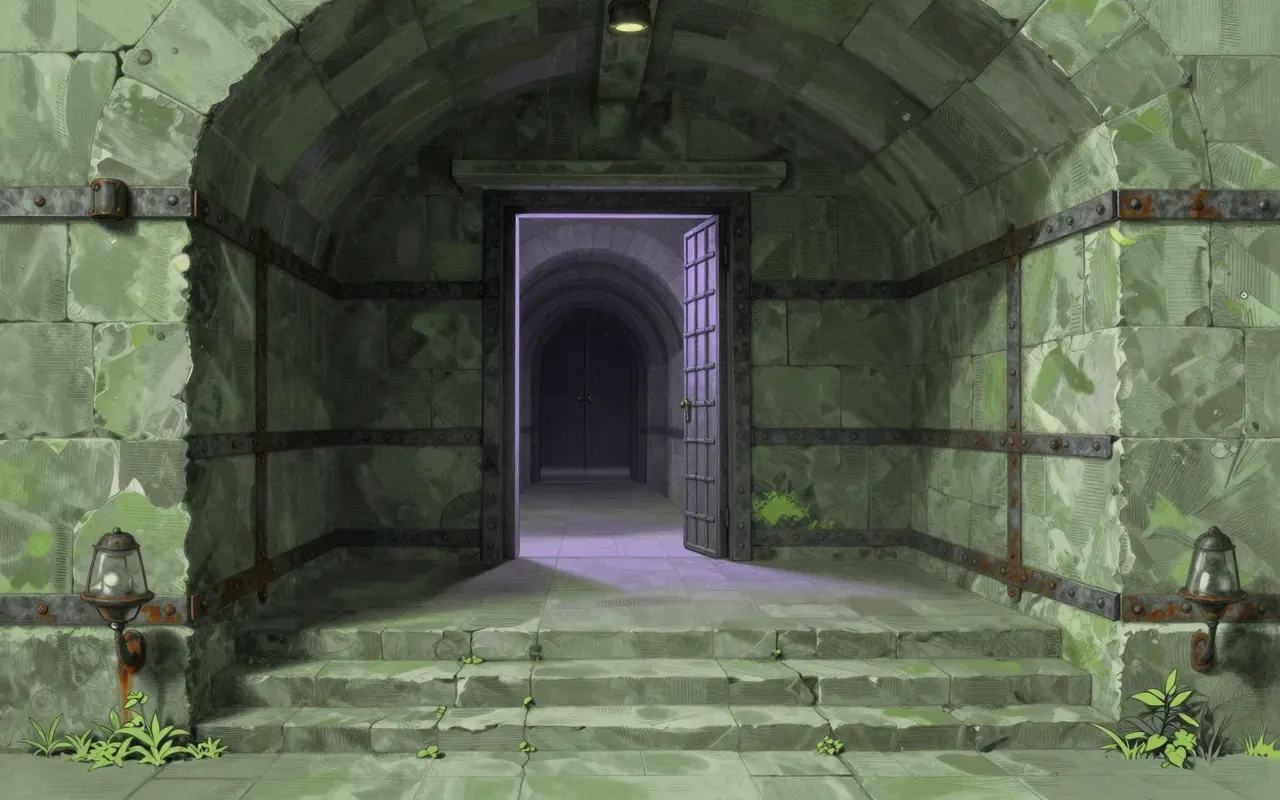
Return to Castle Wolfenstein is a first-person shooter built on id Tech 3, where the player navigates levels and fights enemies including Nazi soldiers, undead, and experimental mutants. In the game's single-player mode, players use combat and stealth to complete objectives across 27 levels in 7 missions. Missions begin with a mission briefing, providing information about objectives, and may include activities such as reaching the end of an area, defeating all the enemies, collecting certain items, eliminating specific enemies, or stealth missions. The player acquires weapons and ammo throughout levels, including for pistols, submachine guns, rifles, grenades, rockets, flamethrowers, and experimental weapons including the Venom, a minigun, and the Tesla Gun, which shoots electricity at enemies. Some weapons have alternate fire modes, such as rifles that have a scope, or shoot projectiles. The player can also engage in melee combat by either kicking or using a knife. Damage is location-specific, with headshots damaging enemies more than other areas. Special items can be collected that increase the player's health, ammo, armor, or stamina.
10:29

Wolfenstein 3D

id Software · 1992

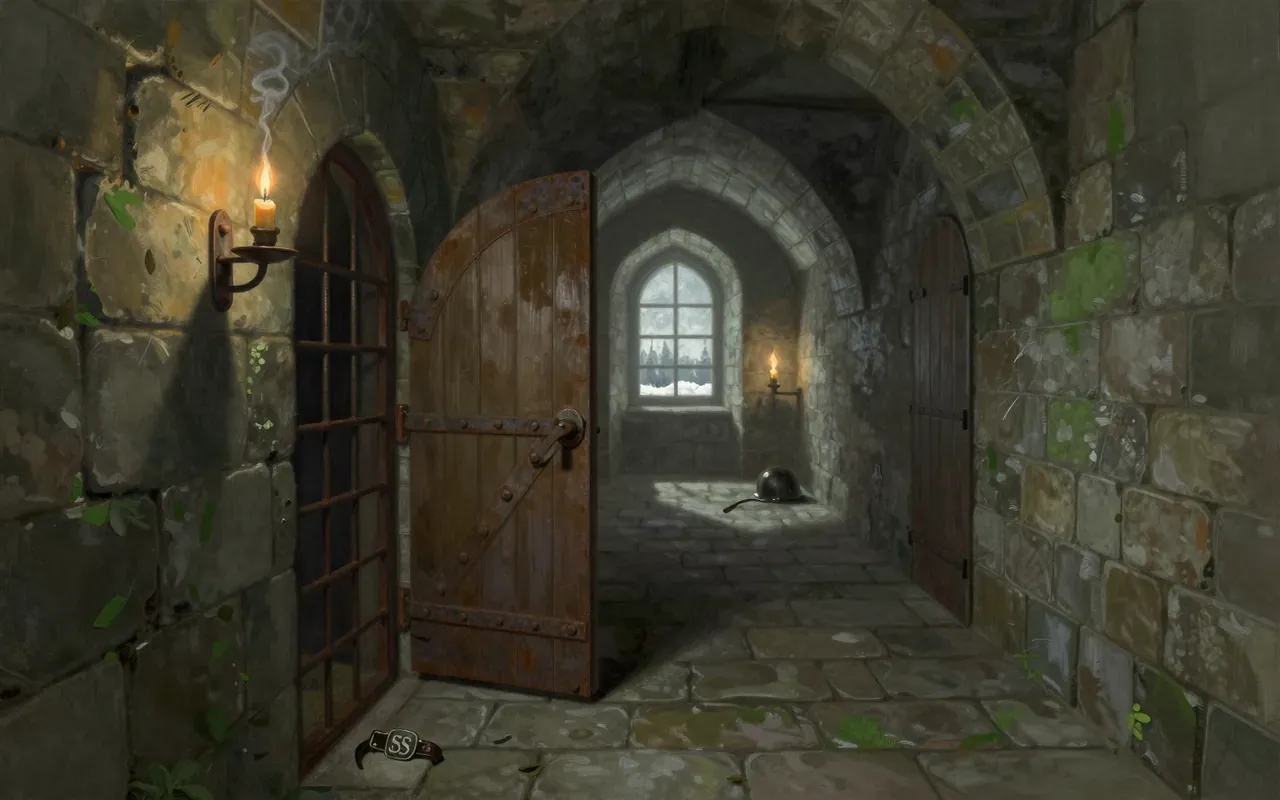
A foundational first-person shooter that uses rigid grid-based level design, fixed-height walls, and Nazi iconography as structural constraints—not just theme—to create a fast, lethal, and relentlessly focused combat loop.

More from games

All briefs →
11:06

1080° Snowboarding

Nintendo · 1998

1080° Snowboarding is a Nintendo 64 snowboarding game released in 1998. Players control one of five snowboarders in third-person across eight levels. Core gameplay splits between racing (Race, Time Attack, 2 Players, Match Race) and trick-based scoring (Trick Attack, Contest). Tricks — 24 standard and 5 secret — fall into grab or spin categories and require circular stick motions plus R, Z, and B inputs. Scoring rewards complexity, combos, and timing. Characters and boards have distinct stats affecting technique, speed, weight, balance, and edge control. The game emphasises realistic physics and responsive controls.

9:13

Advance Wars 2: Black Hole Rising

Intelligent Systems · 2003

Advance Wars 2: Black Hole Rising is a Game Boy Advance turn-based strategy game released in 2001 by Intelligent Systems. It refines the Wars series’ core loop with non-linear campaign progression, Super CO Powers, and terrain-specific objectives like capturing Black Cannons. It asks players to sequence actions across turns with precision, not flair. Its rigour is its strength—and its limit.

8:39

Alone in the Dark (1992 video game)

Infogrames · 1994

Alone in the Dark (1992) is a 3D horror adventure game set in 1920s Louisiana. The player selects Edward Carnby or Emily Hartwood and begins trapped in the attic of the haunted Derceto mansion. Escape requires exploration, weight-managed inventory use, and puzzle-solving—some enemies demand ritual solutions; others must be avoided entirely. Fixed camera angles and mixed 2D/3D visuals create deliberate tension. It received international attention upon release.

10:46

Apollo Justice: Ace Attorney

Capcom · 2007

Apollo Justice: Ace Attorney is a DS courtroom game built on three fixed actions — Press, Present, Perceive — and one hard constraint: you cannot move forward until you trigger the correct response. It works because every phase feeds the next. It falters because it offers no deviation from that feed.