gamesbriefs
Topic

The music business

Where the money goes, and how little of it goes to musicians.

3
in games
9:22
average
28 min
in total
169
across the network
The music business across the network →
All briefs3
9:44

StepMania

Chris Danford · 2001

StepMania is a cross-platform rhythm video game and engine originally developed as a clone of Dance Dance Revolution, evolving into an extensible rhythm game engine supporting various rhythm-based game types. Its core gameplay involves scrolling arrows meeting stationary targets in time with the song's beat, scored by timing accuracy, letter grade, and numeric score. Highest performance yields AAA+, requiring flawless timing, mine avoidance, and full hold arrow completion; failure results in an E grade when the life gauge fully depletes. It runs on Windows, Linux, FreeBSD, macOS, and Xbox.
7:45

Hatsune Miku: Project Diva

Sega · 2009

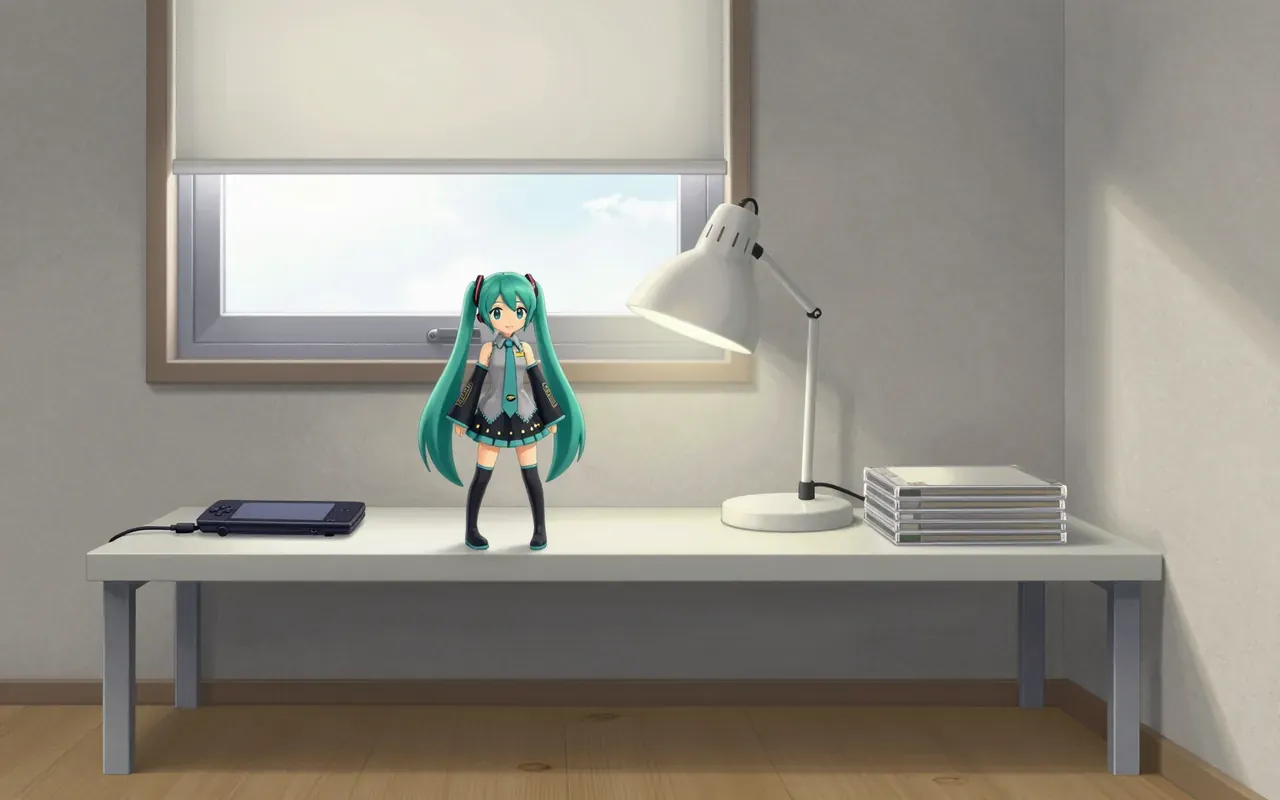
Hatsune Miku: Project Diva is a rhythm game where players press buttons in time with Vocaloid songs across five escalating difficulty levels. Modules — Vocaloid characters or costume variants — appear in music videos depending on song type (solo or duet), but are not controlled. Progression is strictly linear: clearing Normal unlocks Hard, and completing songs unlocks new songs. It was successful in Japan for Sega and linked to their 2010 holographic concert work. No narrative, no multiplayer, no customisation beyond module selection. It asks for timing discipline and rewards it with more timing challenges.

10:37

Rock Band 2

Harmonix · 2008

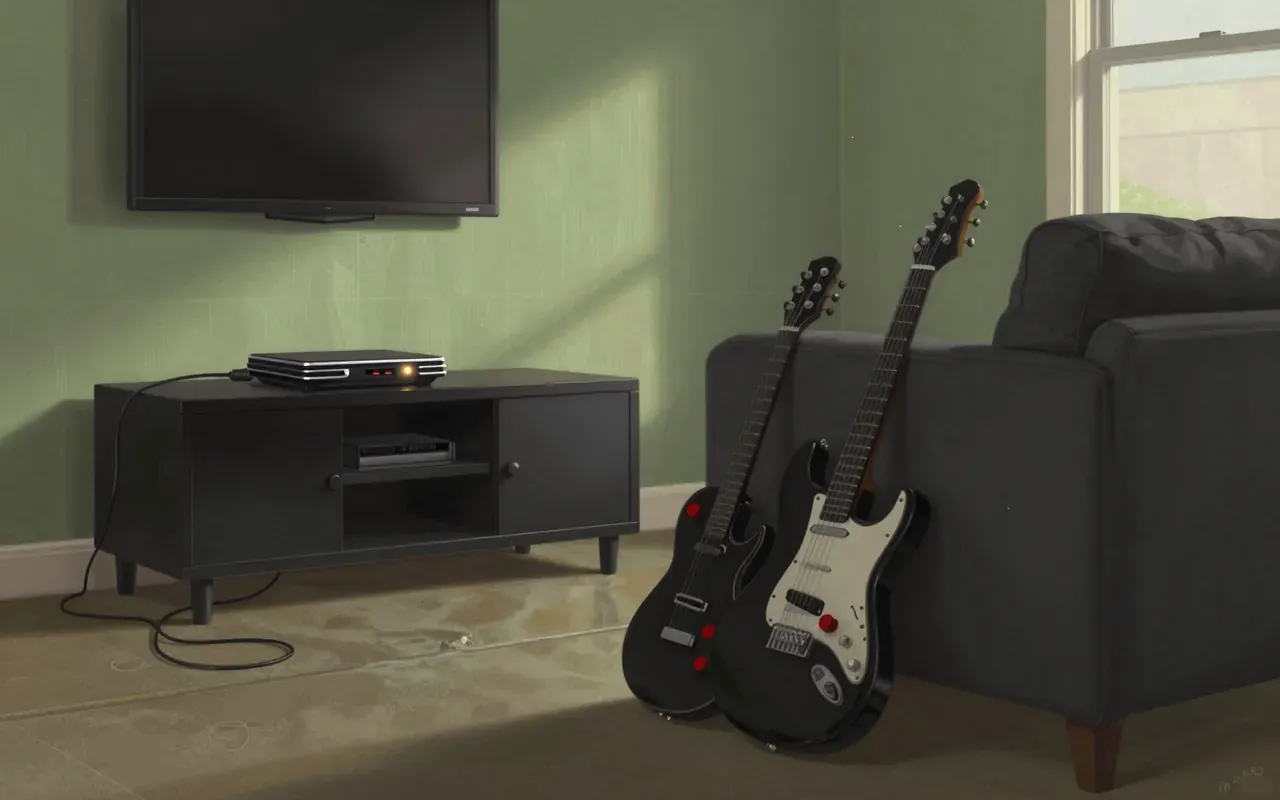
Rock Band 2 is a four-player rhythm protocol that turns living rooms into rehearsal spaces. It works only when all inputs are present and all players are physically engaged. Its design is procedural, not expressive. Its longevity came from weekly DLC, not depth.

More from games

All briefs →
11:06

1080° Snowboarding

Nintendo · 1998

1080° Snowboarding is a Nintendo 64 snowboarding game released in 1998. Players control one of five snowboarders in third-person across eight levels. Core gameplay splits between racing (Race, Time Attack, 2 Players, Match Race) and trick-based scoring (Trick Attack, Contest). Tricks — 24 standard and 5 secret — fall into grab or spin categories and require circular stick motions plus R, Z, and B inputs. Scoring rewards complexity, combos, and timing. Characters and boards have distinct stats affecting technique, speed, weight, balance, and edge control. The game emphasises realistic physics and responsive controls.

9:13

Advance Wars 2: Black Hole Rising

Intelligent Systems · 2003

Advance Wars 2: Black Hole Rising is a Game Boy Advance turn-based strategy game released in 2001 by Intelligent Systems. It refines the Wars series’ core loop with non-linear campaign progression, Super CO Powers, and terrain-specific objectives like capturing Black Cannons. It asks players to sequence actions across turns with precision, not flair. Its rigour is its strength—and its limit.

8:39

Alone in the Dark (1992 video game)

Infogrames · 1994

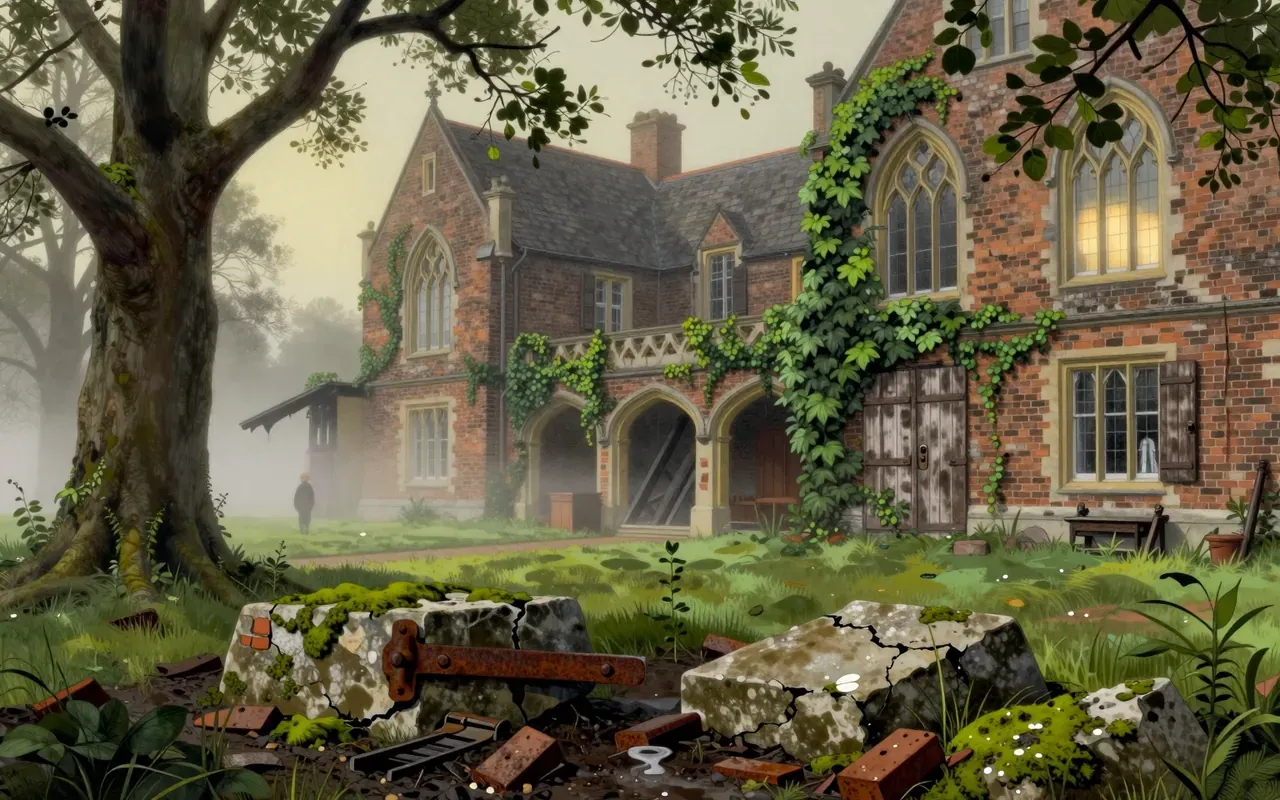
Alone in the Dark (1992) is a 3D horror adventure game set in 1920s Louisiana. The player selects Edward Carnby or Emily Hartwood and begins trapped in the attic of the haunted Derceto mansion. Escape requires exploration, weight-managed inventory use, and puzzle-solving—some enemies demand ritual solutions; others must be avoided entirely. Fixed camera angles and mixed 2D/3D visuals create deliberate tension. It received international attention upon release.

10:46

Apollo Justice: Ace Attorney

Capcom · 2007

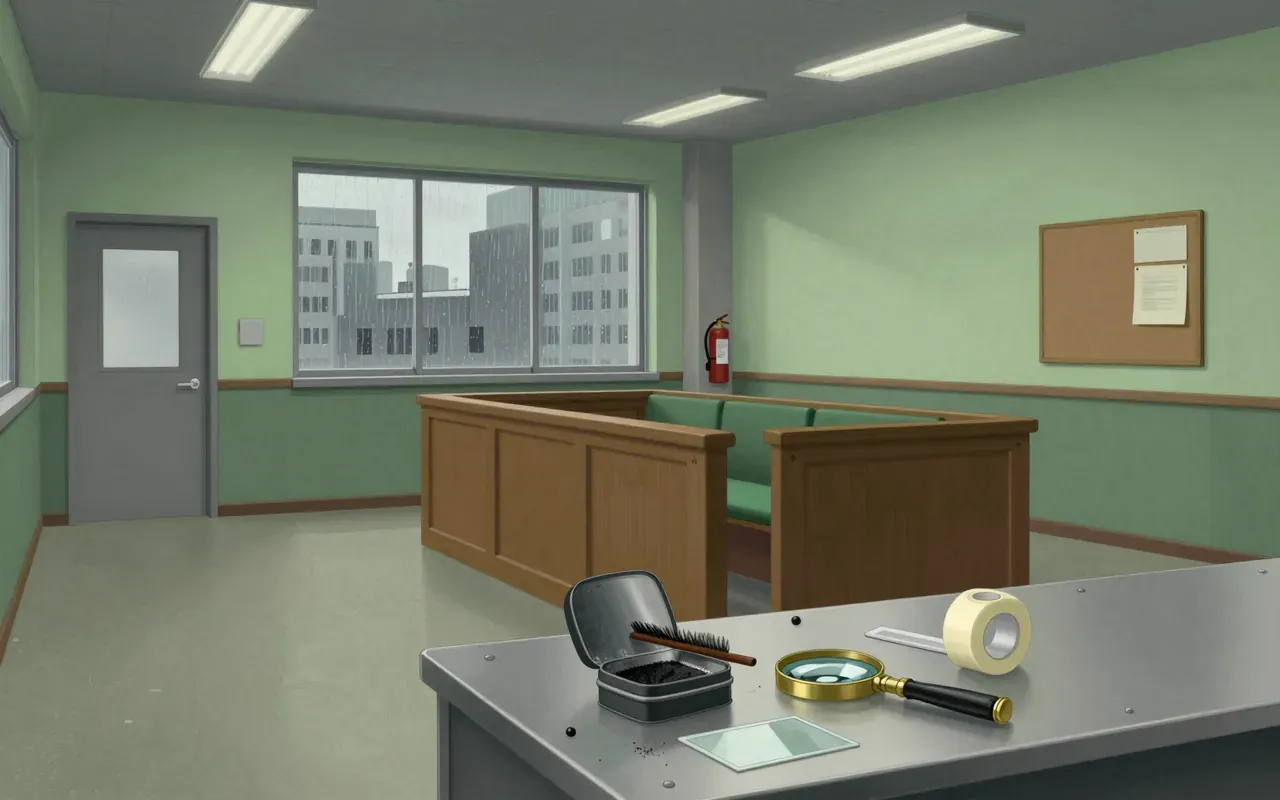
Apollo Justice: Ace Attorney is a DS courtroom game built on three fixed actions — Press, Present, Perceive — and one hard constraint: you cannot move forward until you trigger the correct response. It works because every phase feeds the next. It falters because it offers no deviation from that feed.