
The Bard's Tale (1985 video game)
Interplay · 1985
The Bard's Tale (1985) is a fantasy role-playing dungeon crawl developed by Interplay.

The Bard's Tale (1985) is a fantasy role-playing dungeon crawl developed by Interplay.
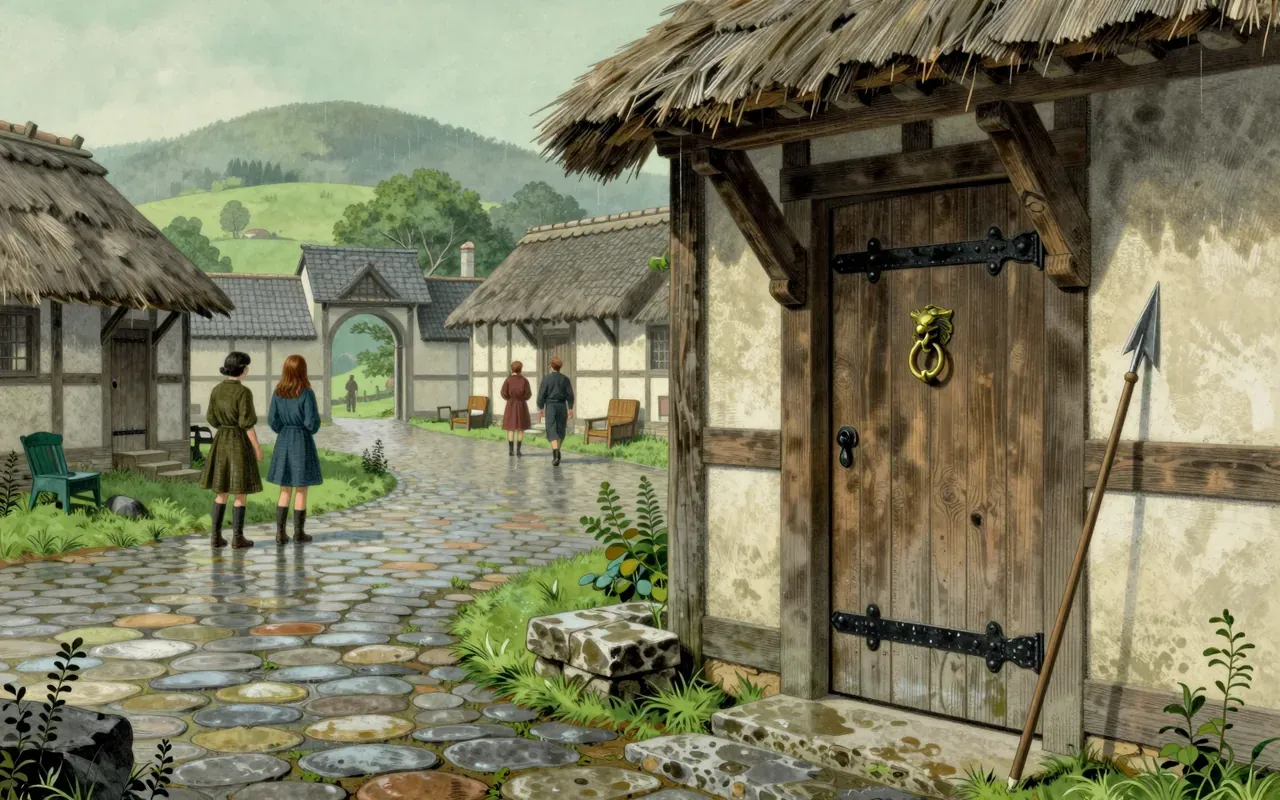
The Bard's Tale II: The Destiny Knight is a 1986 Interplay dungeon crawl that expands the first game’s scope with six cities, an explorable wilderness, banks, casinos, and the Archmage class — but retains its opaque interface and unrefined pacing.
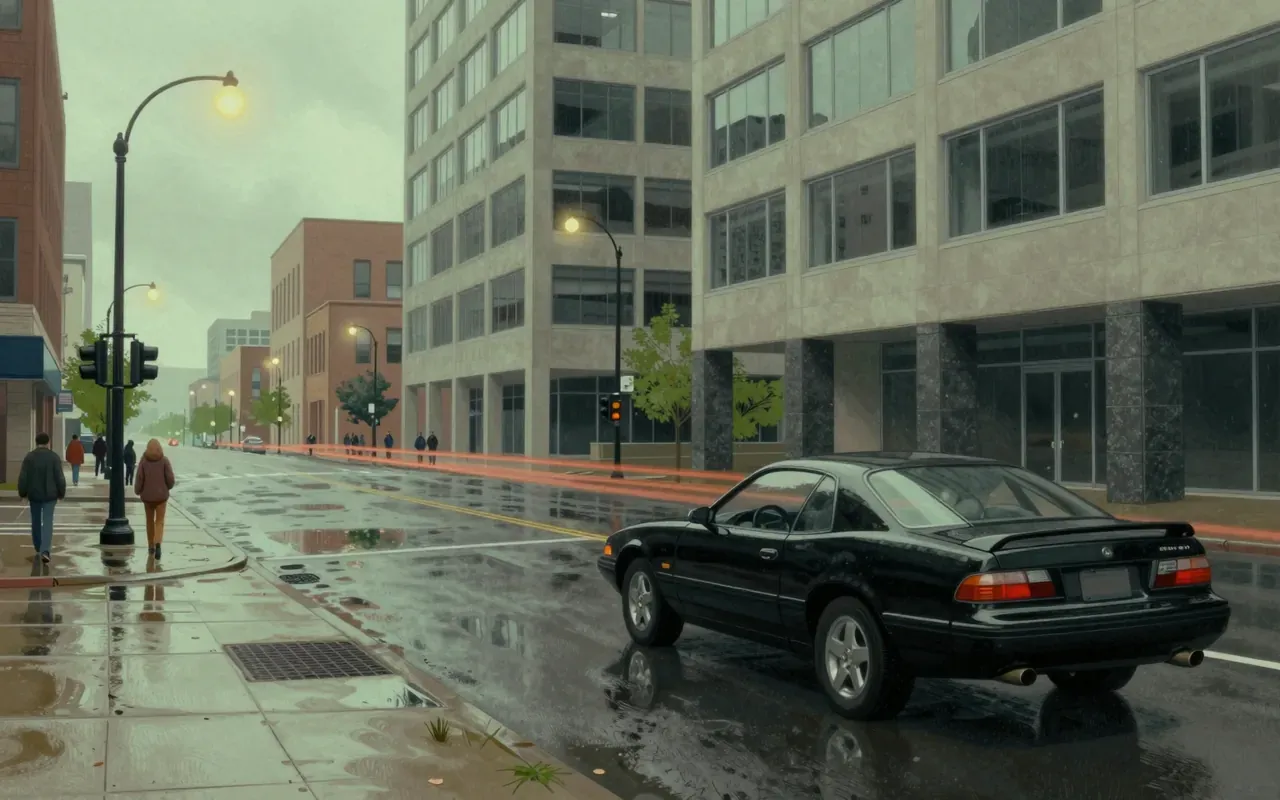
Need for Speed: Most Wanted (2005) is a street-racing game set in the fictional city of Rockport. Players use licensed real-world cars to defeat 15 Blacklist racers, complete varied race types—including Tollbooth and Speedtrap—and evade increasingly aggressive police pursuits governed by a heat-based escalation system. Cars can be upgraded and customised in Career mode. The game features Career, Quick Race, Challenge Series, and multiplayer modes on certain console editions.

Spore is a Maxis-developed simulation game released in 2008 where players guide a species from single-cell origins through five evolutionary phases toward spacefaring capability, with defined goals including spaceship construction and reaching the galactic core.
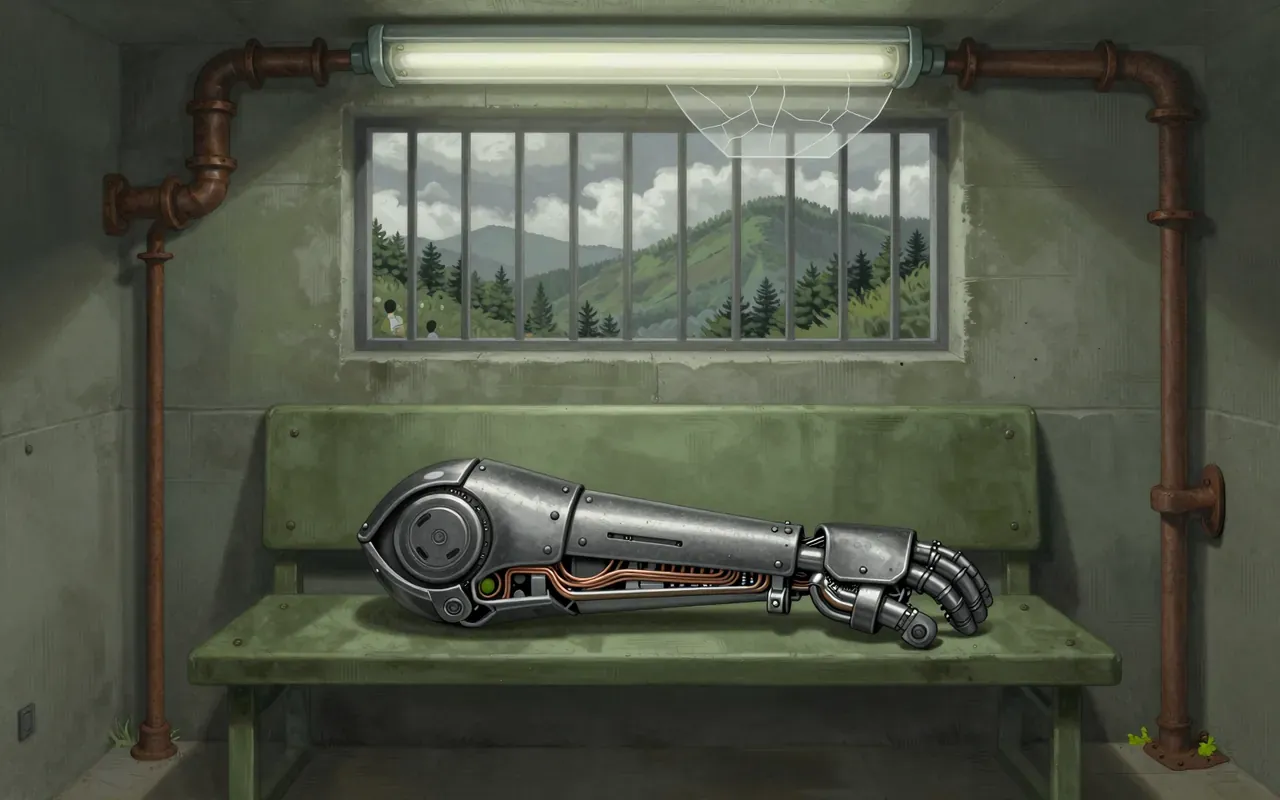
Crysis is a first-person shooter developed by Crytek and published by Electronic Arts. It was released on PC in November 2007. It casts the player as Delta Force soldier Nomad on a hostile tropical island. Its core design premise is 'adaptive tactics'—requiring players to shift between stealth, aggression, lethality and mobility based on terrain, enemy placement and Nanosuit energy state.

The Sims is a social simulation video game developed by Maxis and published by Electronic Arts in 2000. Designed by Will Wright, it allows players to create and control virtual people called Sims, build and furnish homes, and manage Sims' needs, relationships, careers, and household finances. Its open-ended gameplay has no fixed win condition. The Sims is an artificial life game built around simulated characters who respond to needs, objects, and other Sims. Although Sims can act autonomously when free will is enabled, the player usually directs their actions, manages their household, and decides how they develop relationships, skills, careers, and homes. Because the game has no fixed win condition, it can be played indefinitely and has been described as more like a toy than a traditional game. Sims are influenced by the player to interact with objects or other Sims. If enabled in the game's options, Sims have a certain amount of free will, allowing them to autonomously interact with their world; however, the player can override most of these autonomous actions by canceling them in the action queue at the top of the screen.
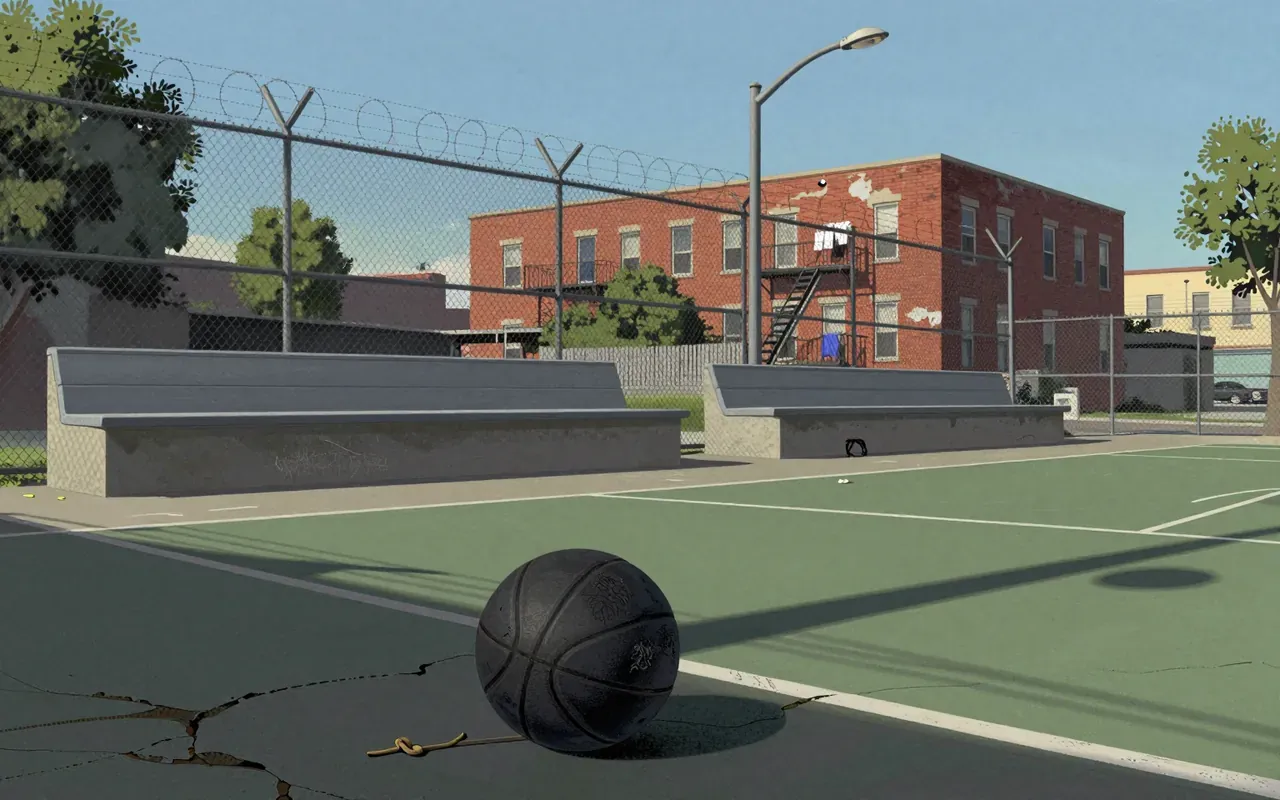
NBA Street is a deliberate departure from EA Sports’ simulation ethos. It trades authenticity for attitude, structure for swagger, and time limits for point thresholds. Its design insists on expression before execution—and rewards repetition, not mastery.
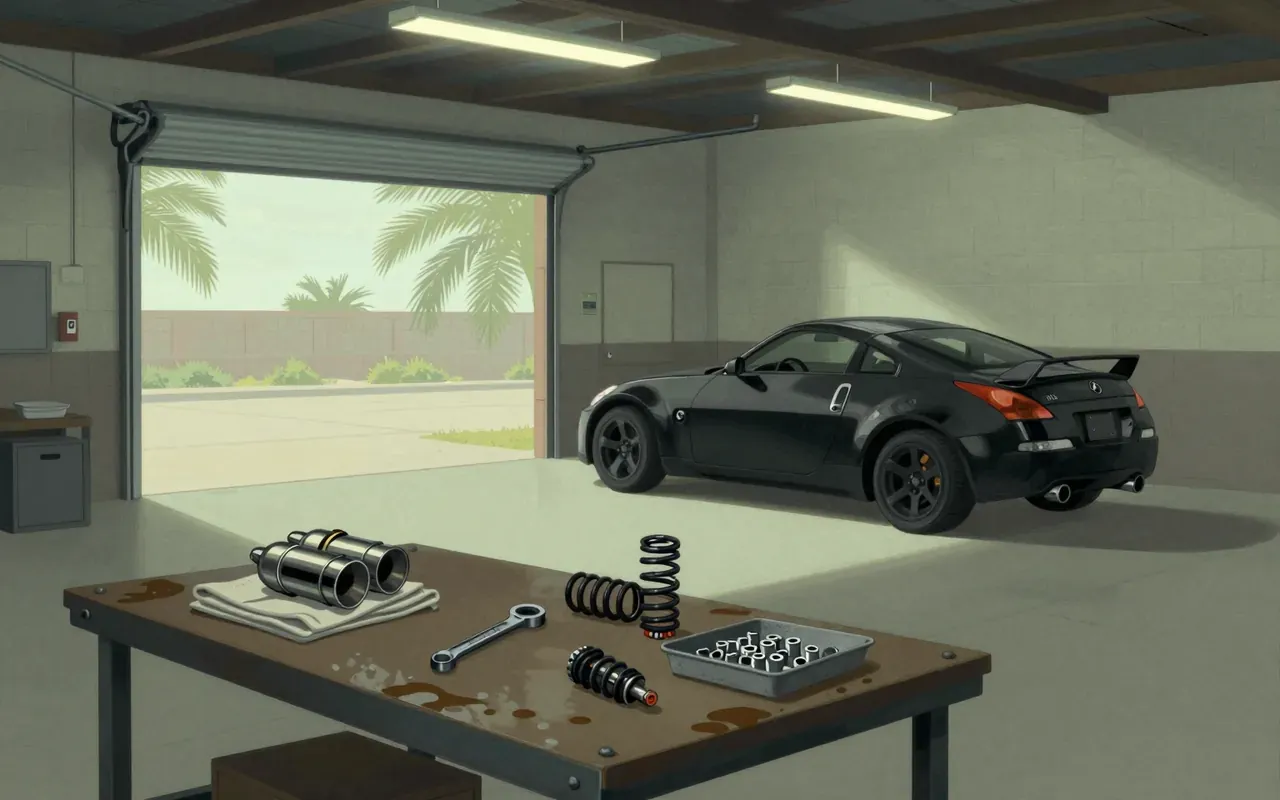
Need for Speed: Underground 2 is a racing game where tuning, driving, and discovery are inseparable. It asks you to treat Bayview as terrain—not backdrop—and rewards persistence over precision. Its constraints are deliberate: no fast travel, no race menus, no hand-holding for hidden events. It works because those constraints shape a specific kind of attention: one tuned to corners, shortcuts, and the hum of a modified engine echoing off concrete.
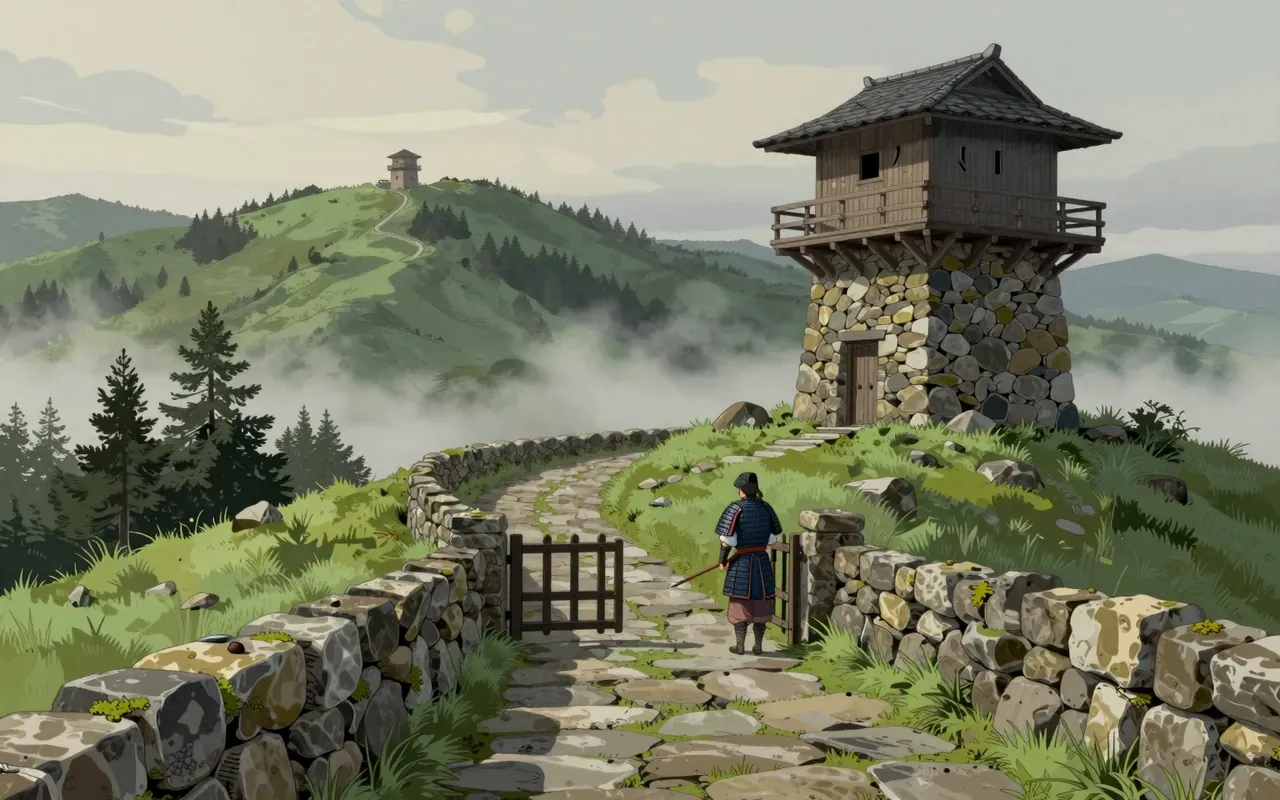
Shogun: Total War is a foundational strategy game that fused turn-based empire management with real-time battlefield tactics. Its ambition—to simulate feudal Japanese unification—was matched only by its structural compromises. The campaign map was added late. Systems coexist but rarely converse. Yet its combat loop remains legible, its faction asymmetry functional, and its provincial logic direct. It rewards patience, pattern recognition, and tolerance for abstraction.
Apex Legends is a squad-first, ping-driven, live-service hero shooter that prioritises coordinated entry, rapid adaptation, and long-term commitment over solo expression or narrative resolution.
Bulletstorm is a first-person shooter built around one idea: make killing absurdly creative, then reward it instantly. Its design forces constant verticality, slow-motion decision-making, and weapon-specific improvisation. It has no narrative weight, no competitive layer, and no ambition beyond its loop. It succeeds precisely where it narrows its focus—and fails where it tries to widen it.
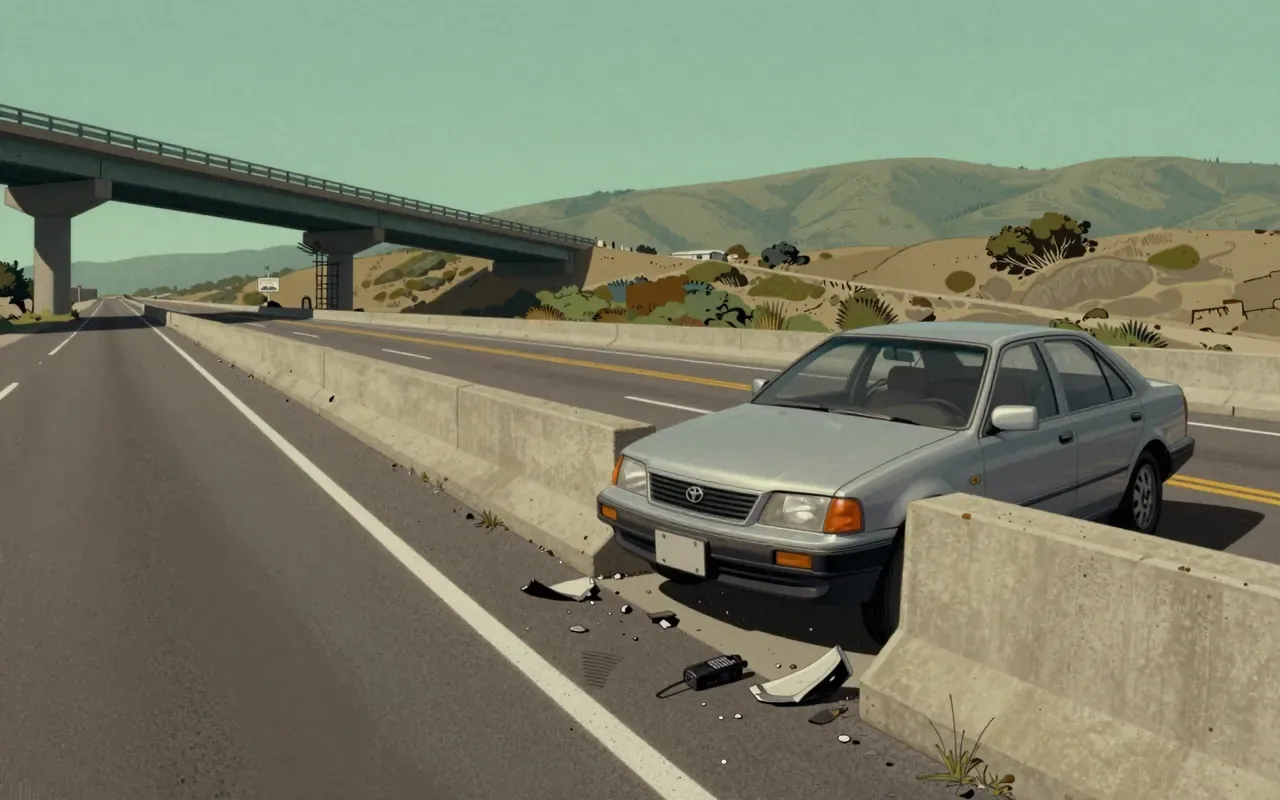
Burnout 3: Takedown is a 2004 arcade racing game developed by Criterion Games and published by Electronic Arts and Acclaim Entertainment. It is the third instalment in the Burnout series, defined by fast-paced arcade racing. Its central innovation is the Takedown mechanic: slamming opponents until they crash, which fills and extends the boost meter. Boost is earned through risky driving—including drifting, near misses with traffic, and driving in oncoming lanes—and used to rapidly increase speed. Standard circuit races take place on carriageways and city streets populated with traffic. Single Race mode pits the player against five AI opponents in a single or multiple lap race. Crash mode involves causing monetary damage in multi-vehicle pileups at junctions, featuring Crashbreakers and power-ups like Heartbreaker. Impact Time—a slow-motion state triggered by crashes—enables Aftertouch, letting players steer wrecked chassis into rivals. The game runs at 60 fps during driving for responsiveness, dropping to 30 fps during crashes to render more particles and debris.
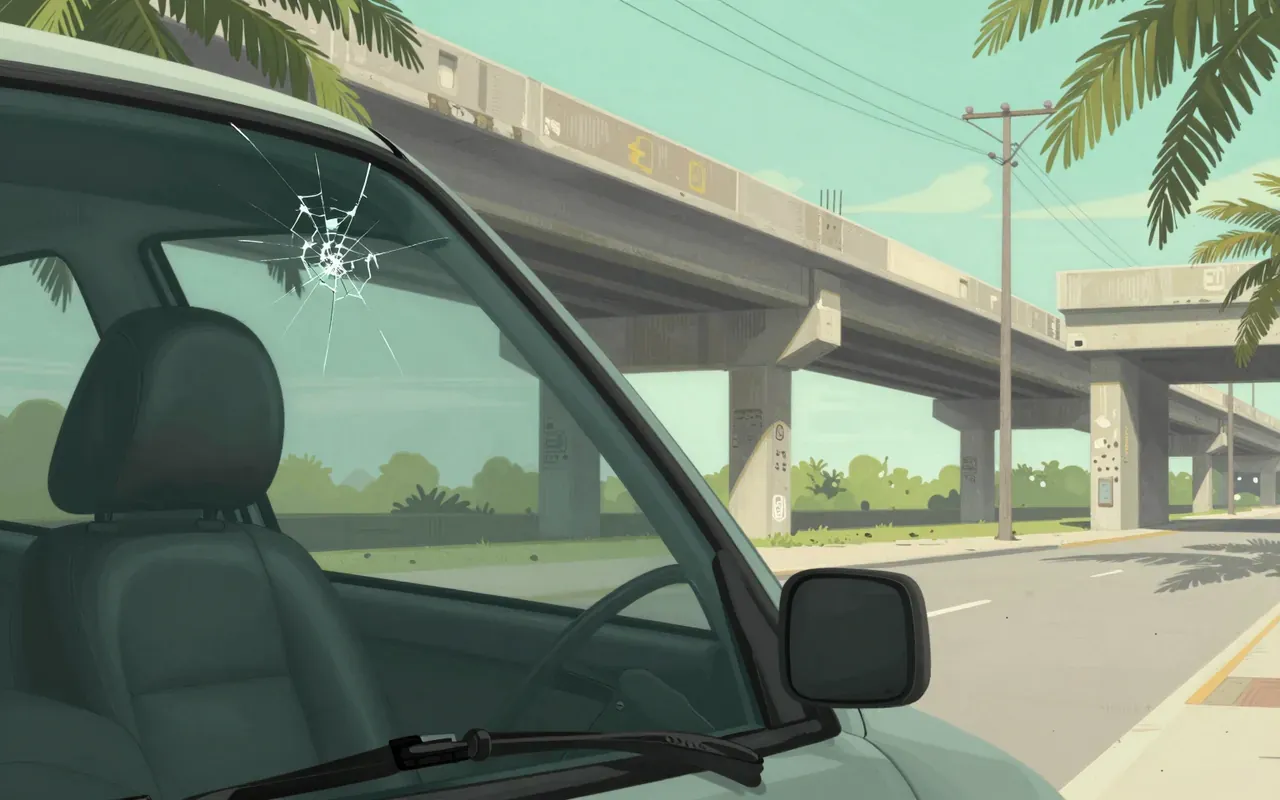
Burnout Paradise is a racing game where the city is the only level, the car is the only tool, and crashing is the only score.
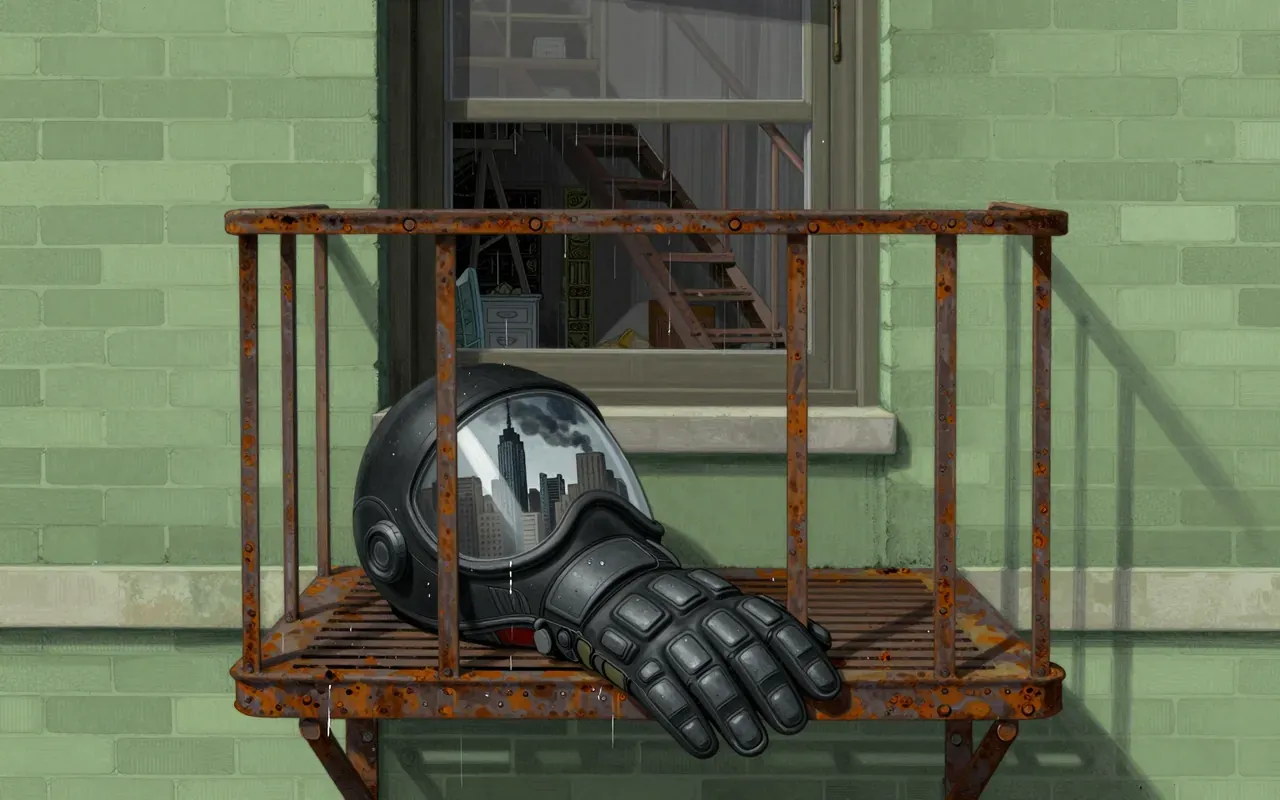
Crysis 2 is a first-person shooter developed by Crytek and released in March 2011. It is a direct sequel to Crysis. It casts you as Force Recon Marine Alcatraz in an evacuated, war-torn New York City—the 'urban jungle'.
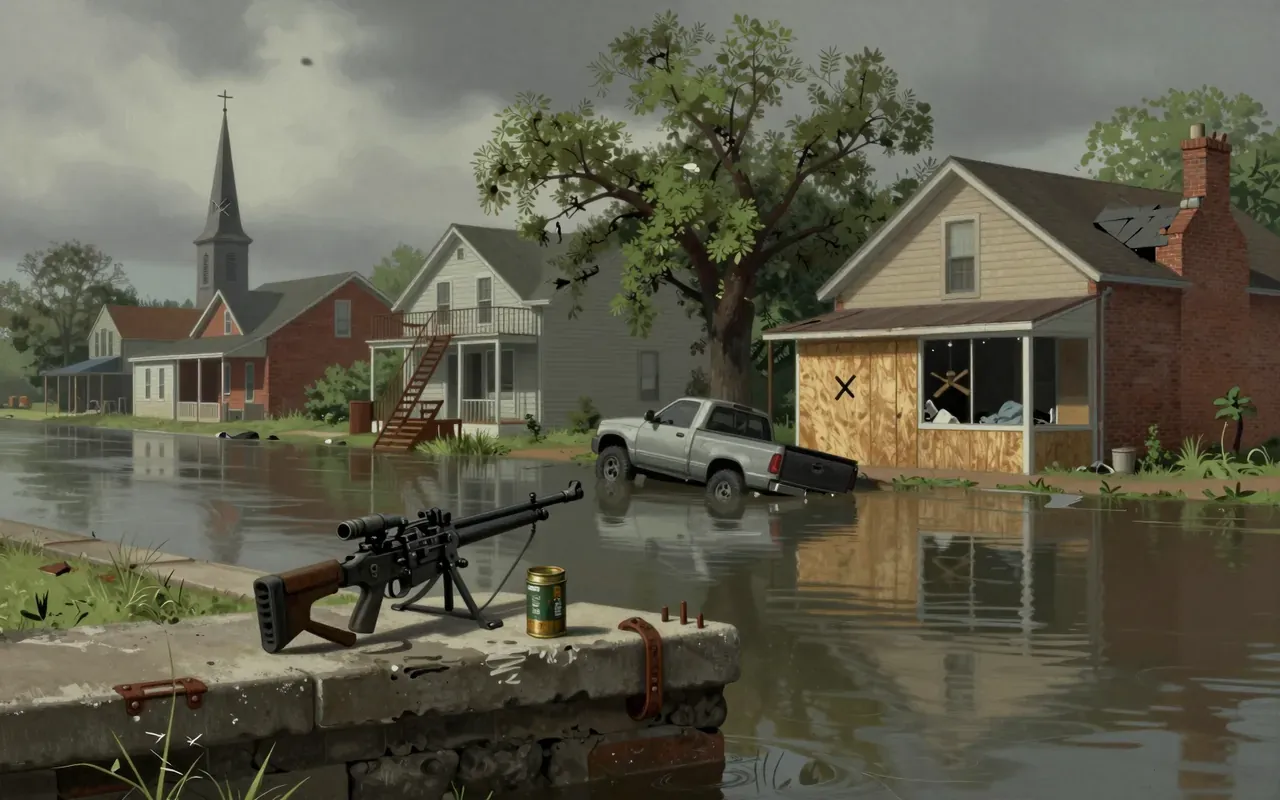
Left 4 Dead 2 is a tightly wound co-op FPS that uses procedural pacing and rigid inventory to forge intense, fleeting group cohesion — but collapses without live human coordination.
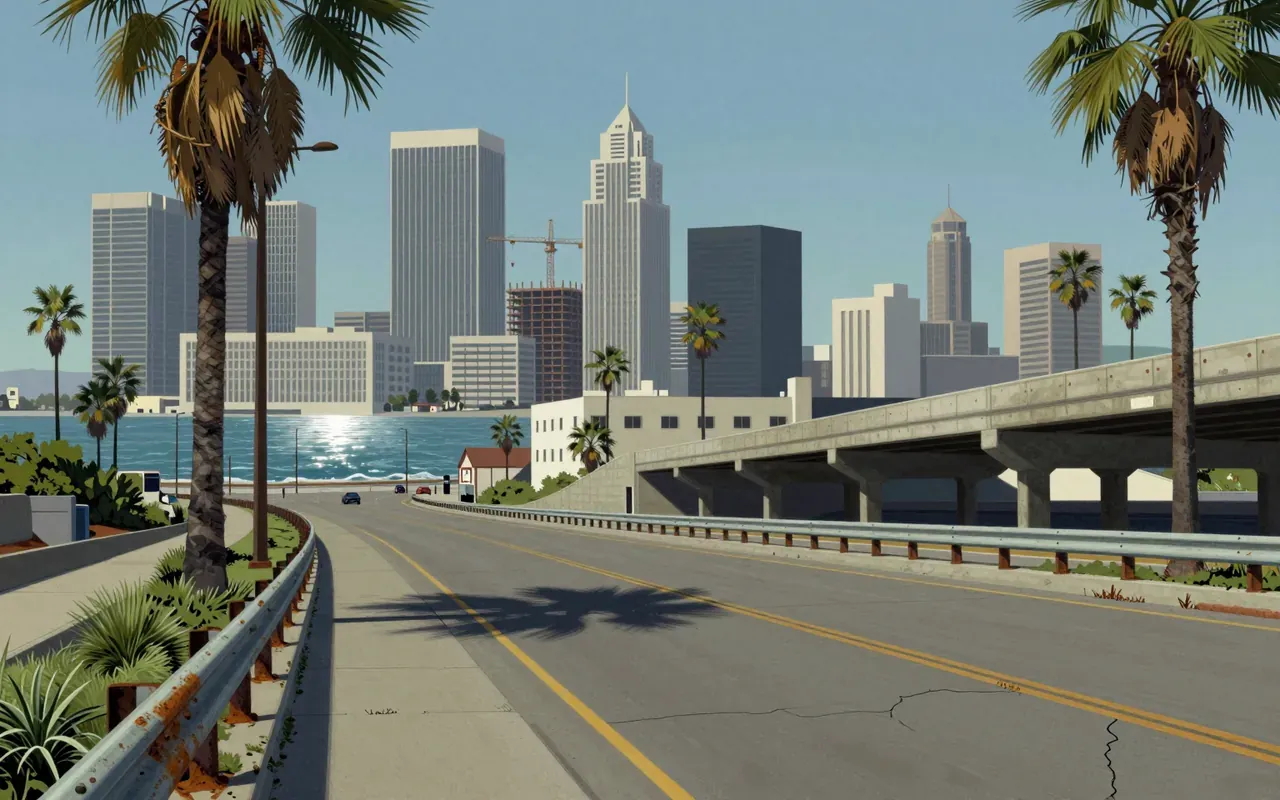
Need for Speed: Carbon (2006, Black Box) is a rhythm-driven street racer built on repetition, territory, and tight mechanical loops — not simulation or story.

NFL Street is a rule-simplified, style-driven take on American football that swaps realism for rhythm. It runs on the core loop of perform → earn style → trigger Gamebreaker → dominate drive. Its strength is immediacy and attitude. Its limit is repetition — there is no evolution beyond the next taunt or touchdown.
Plants vs. Zombies 2 tightens the original’s loop into a five-row, sun-gated, one-mistake-per-lane test—but adds time travel without mechanical consequence, and free-to-play friction without structural reinvention.
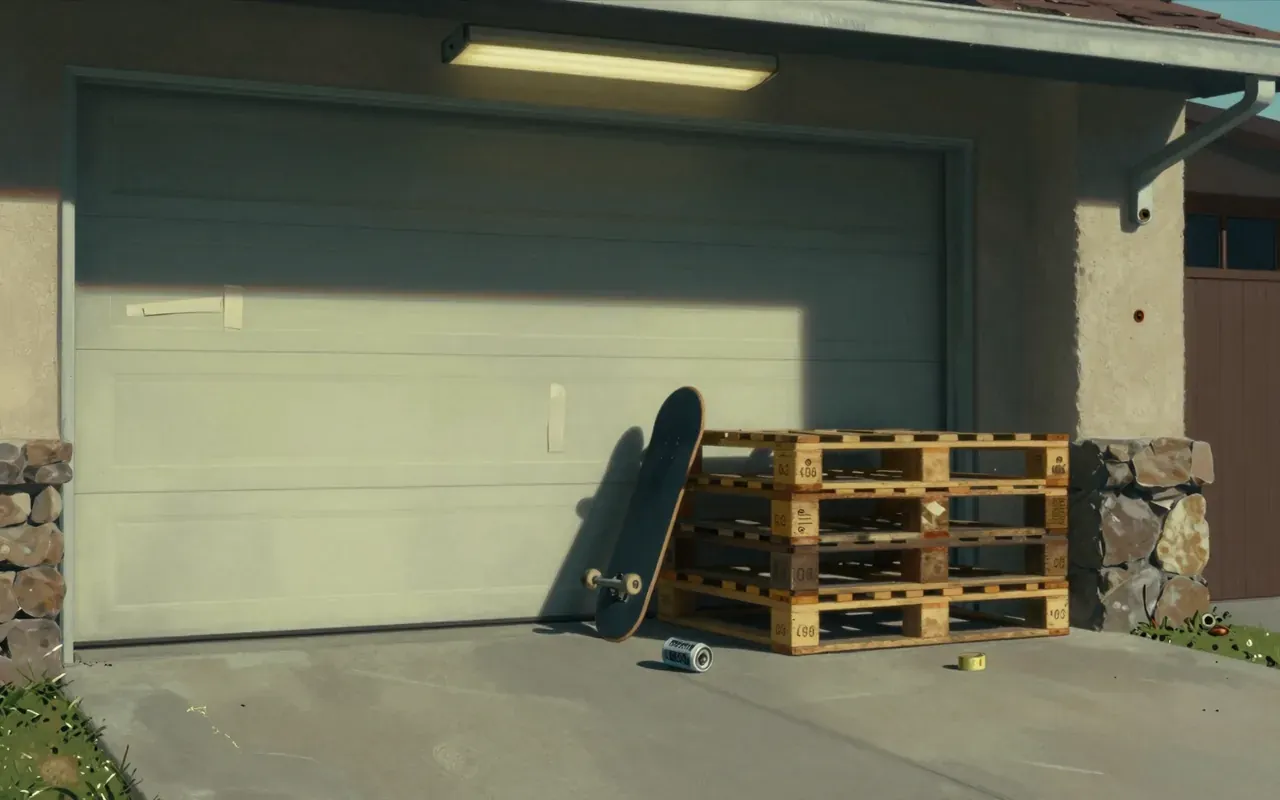
Skate 2 is a 2009 skateboarding game developed by EA Black Box and published by Electronic Arts. Set in the fictional city of New San Vanelona, the single-player career mode follows a skateboarder released from jail five years after being arrested in the first game, Skate, who is tasked with popularising skateboarding in the city again after devastating earthquakes, avoiding security guards hired by the company 'Mongocorp' who have bought most of the city's property.
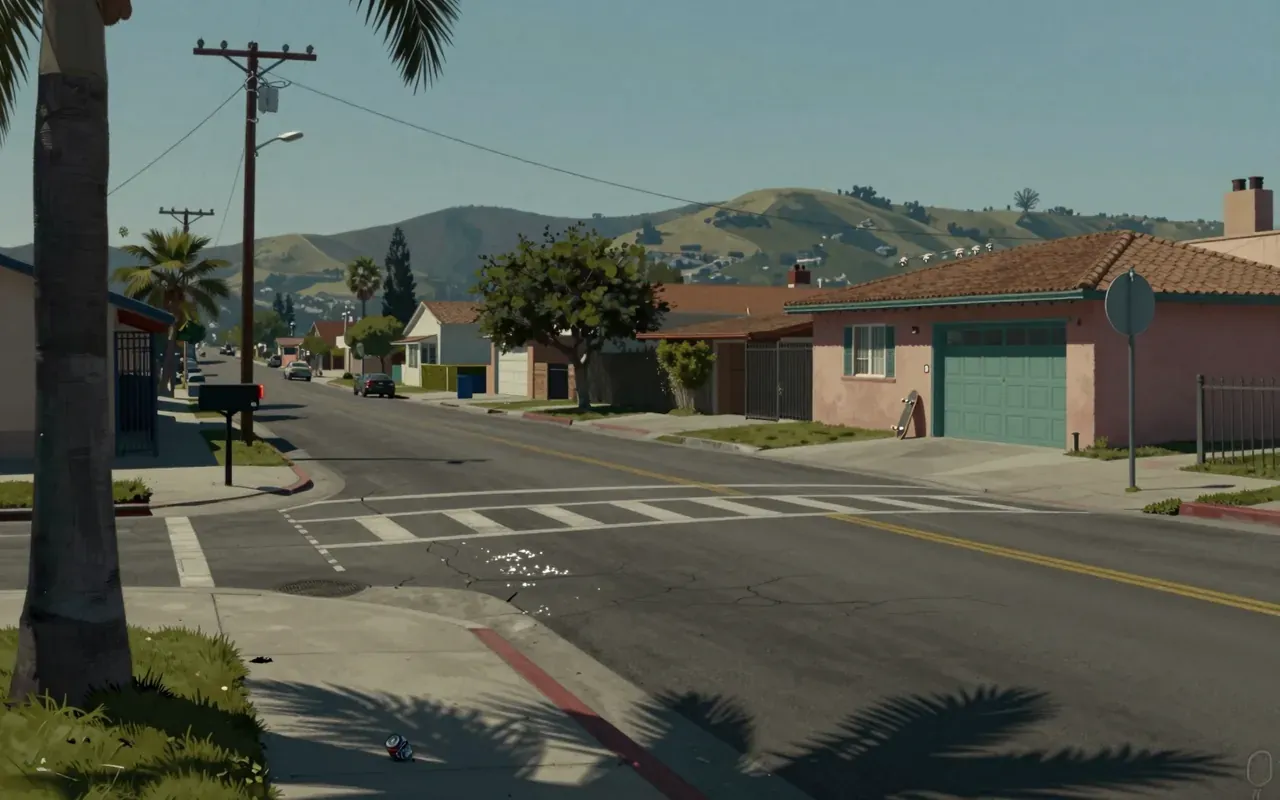
Skate 3 is a third-person open-world skateboarding game developed by EA Black Box in 2010. It tasks players with selling one million skateboards by completing challenges, after failing Jump The Shark. It introduces Easy and Hardcore difficulty modes, an optional tutorial (Skate School), and a park builder (Skate.Park). Online-only multiplayer at launch required DLC for offline party play.

SSX Tricky is a 2001 arcade snowboarding game developed by EA Canada for PlayStation 2, GameCube, and Xbox. It builds on SSX with twelve characters, Uber Tricks triggered by adrenaline, a rivalry system activated by knocking down opponents, and progression tied to medals and trick books. Tracks include remixes of Merqury City and Tokyo Megaplex, plus Garibaldi and Alaska.
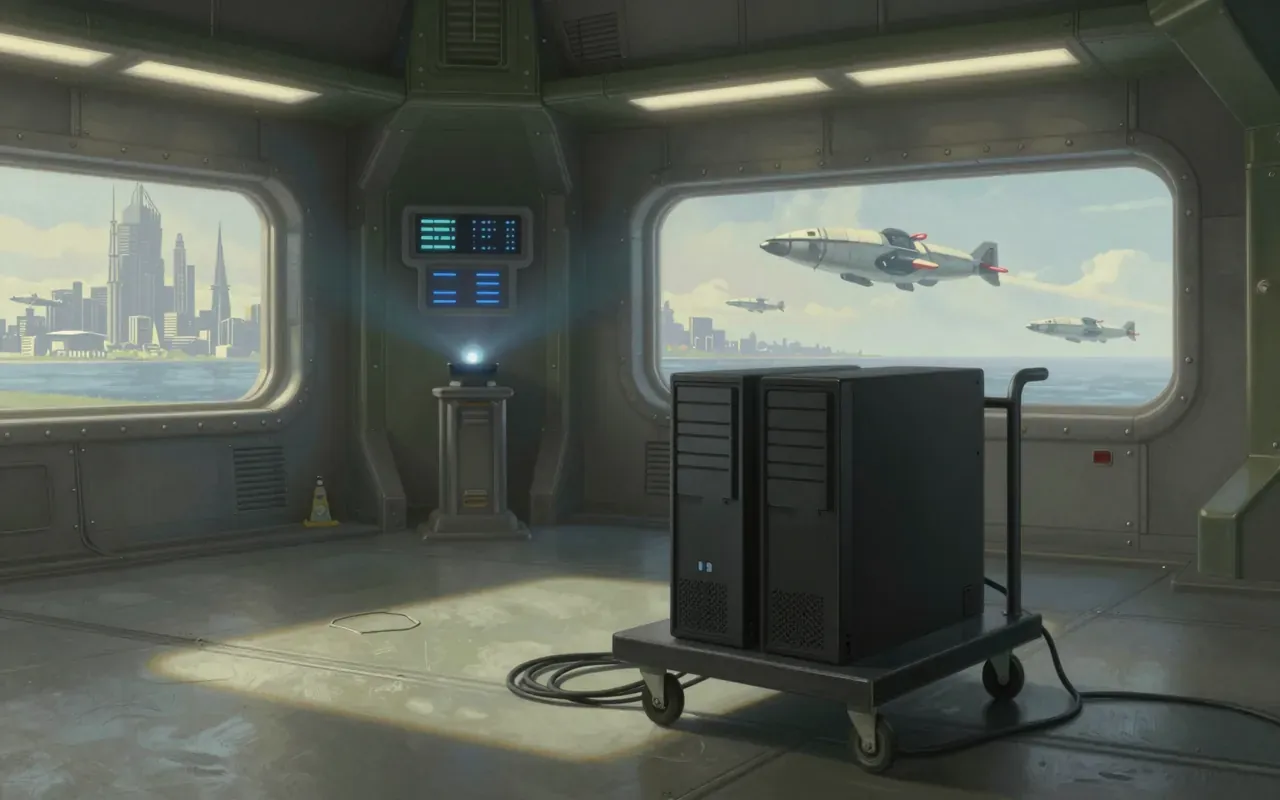
Star Wars: The Old Republic is BioWare’s first MMORPG. It launched in 2011. It is built around eight faction-locked classes, each with a three-act, level-gated storyline. Players choose Republic or Sith Empire but can align morally anywhere on the light/dark spectrum. Advancement comes through missions, exploration, and combat. Skills unlock automatically. Heroic missions require multi-player cooperation and reset daily. Player choices permanently alter storylines and affect NPC companions. All dialogue is fully voiced and uses a Mass Effect–style system. BioWare Austin was founded in March 2006 specifically for this project, with assistance from BioWare Edmonton. In 2023, BioWare Austin handed the game to Broadsword Online Games.
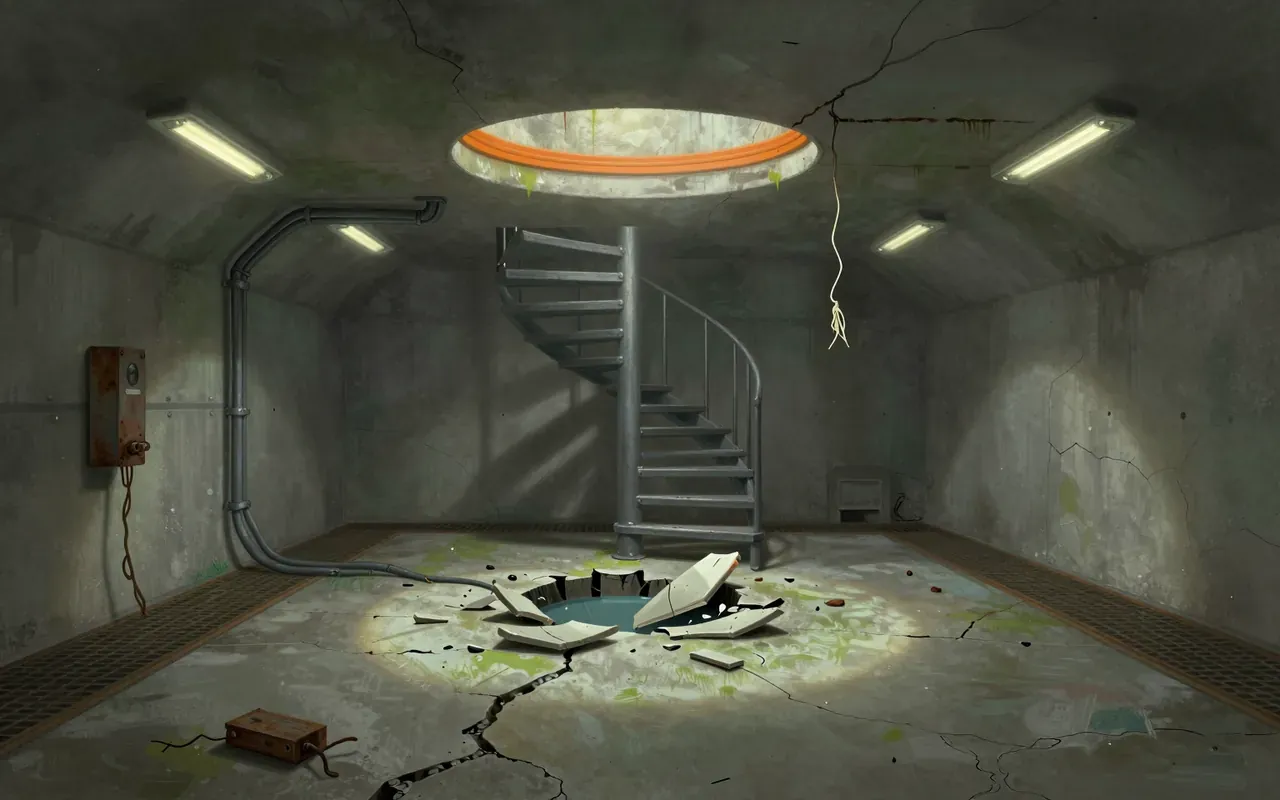
Portal 2 is a first-person puzzle-platform game developed by Valve and released in 2011. It builds on the original Portal's portal-gun mechanic with new tools—gels, lasers, tractor beams, and launch plates—and introduces cooperative play with two robot characters. All gameplay occurs in discrete test chambers inside the decaying Aperture Science facility.
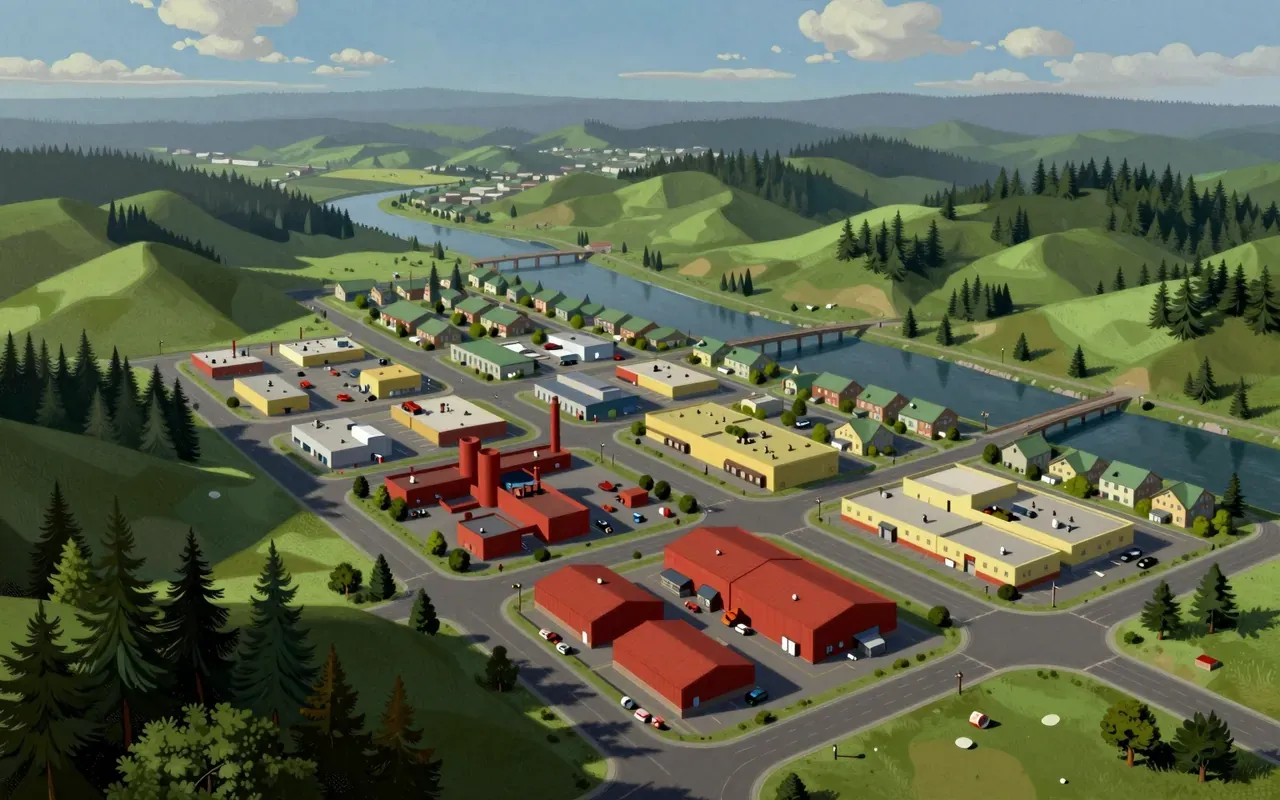
SimCity 3000 refines the city simulation loop with decay, density, and deal-making — but never asks why the city exists, only how to keep its accounts balanced.
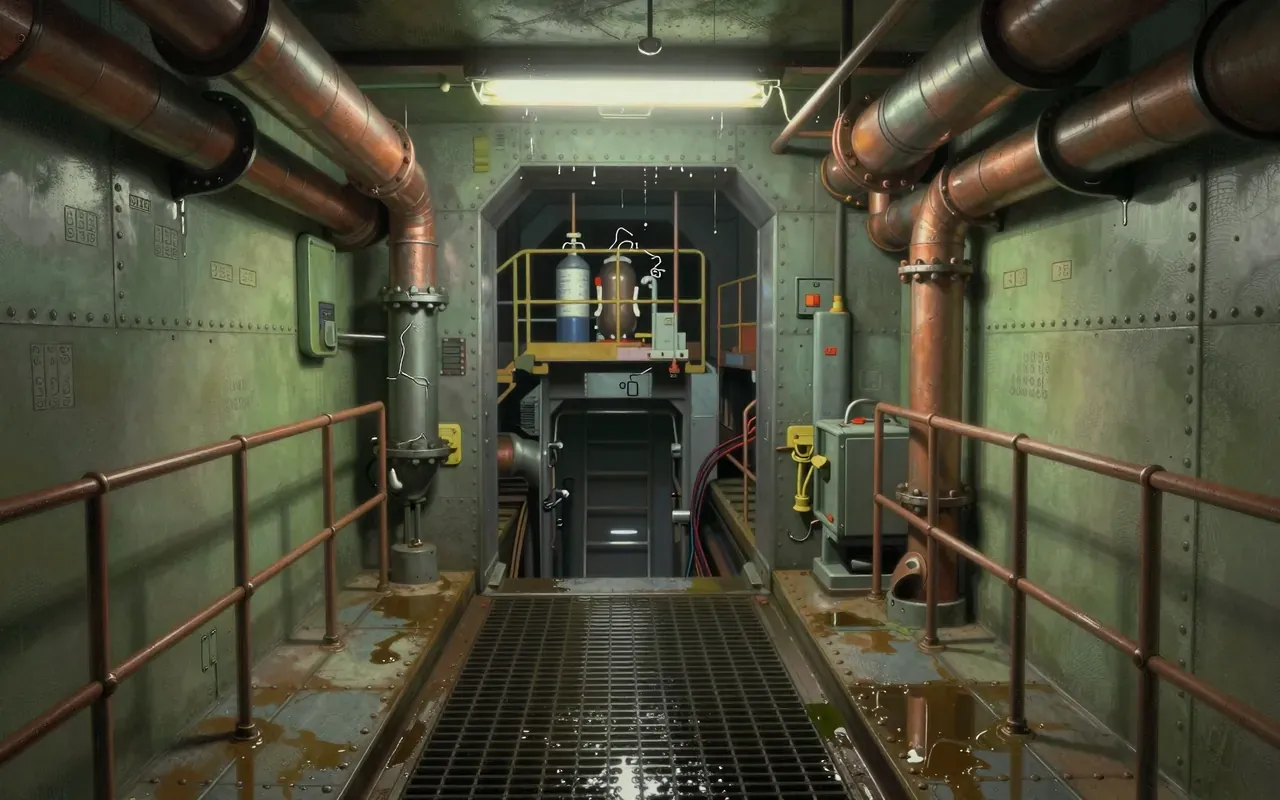
System Shock 2 is a first-person action role-playing survival horror game set aboard a starship in a cyberpunk 2114. You play as a soldier fighting a genetic infection through combat, exploration, and skill development. Gameplay consists of first-person combat and exploration, with role-playing elements including hacking and psionic abilities. Navigation is first-person with a HUD showing character/weapon info, map, and drag-and-drop inventory. The game fuses FPS immediacy with RPG consequence, demanding patience and attention from the player.
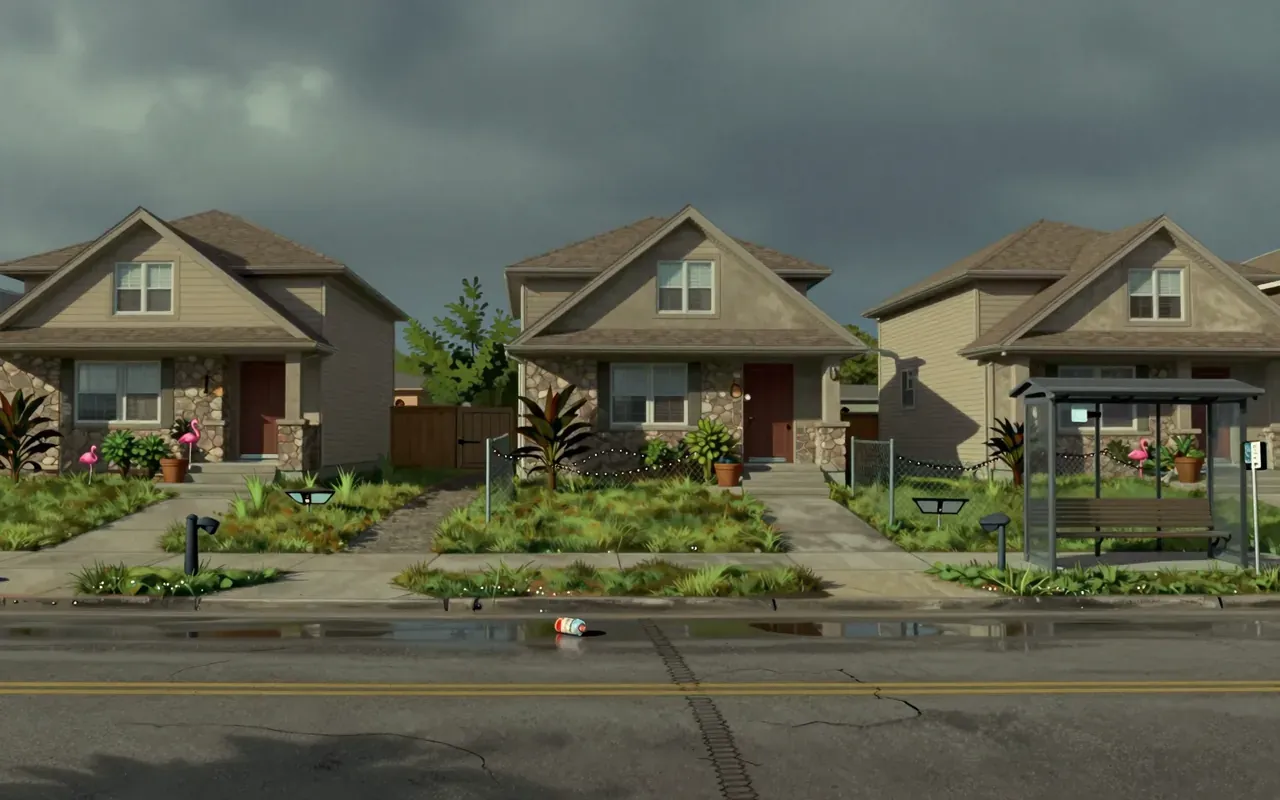
The Sims 2 is a 2004 Maxis simulation that introduces full 3D, lifespan management, genetics, and 360° camera control to the franchise. It expands domestic agency but offers no narrative cohesion across its pre-built neighborhoods.
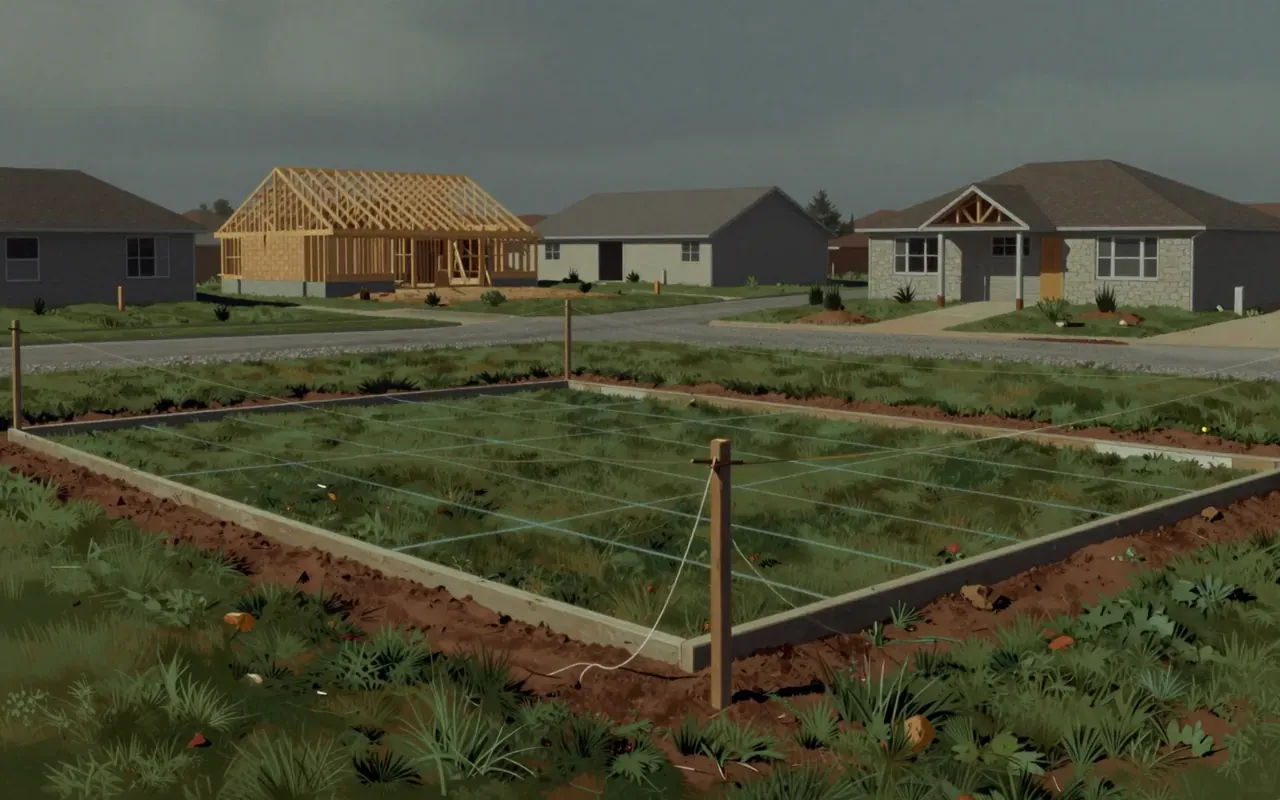
The Sims 4 is a social simulation game developed by Maxis and released in September 2014. It has no primary objectives or storyline. Players create Sims using Create-a-Sim, build homes in Build mode, and manage six depleting needs—hunger, bladder, hygiene, social, fun, and energy—through interactions with objects. Careers generate income, but advancement depends on developing linked skills. Aspirations and dynamic wants and fears provide optional goal-oriented structure. The game is open-ended and almost endless.