gamesbriefs
Oldest

All briefs

467 briefs · 4633 min · 385–467 on page 5 of 5
9:14

Clock Tower (1996 video game)

Human Entertainment · 1996

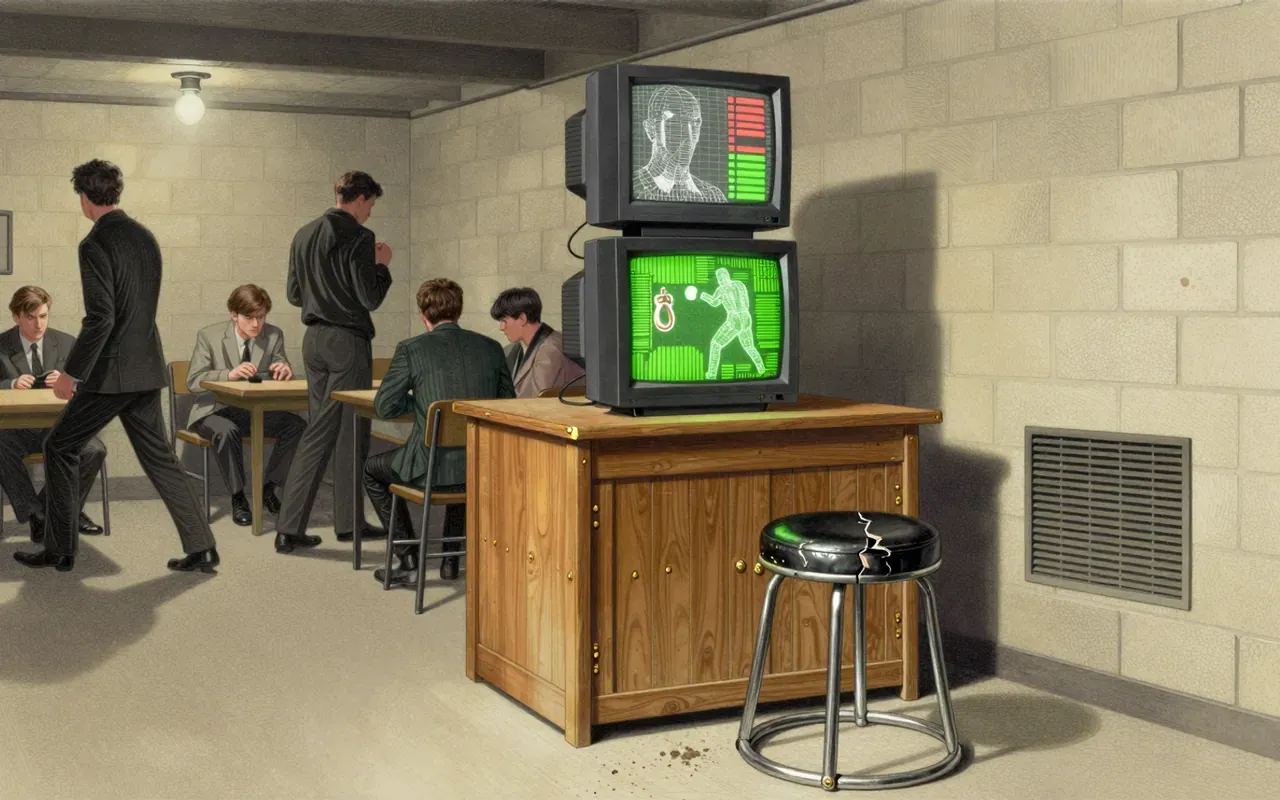
Clock Tower (1996) is a point-and-click survival horror game with 3D graphics, released by Human Entertainment on Super NES in 1995 and on PlayStation as Clock Tower 2 in 1996. Players navigate using cursor clicks, manage inventory via screen-top access, and survive Scissorman under a dynamic strength system shown by cursor colour. Narrative branches from early choices lead to ten possible endings.

10:22

Colin McRae Rally (1998 video game)

Codemasters · 1998

Colin McRae Rally (1998) is a Codemasters rally simulation built around the 1998 World Rally Championship. It structures progression across three difficulty tiers — Novice (F2 front-wheel-drive), Intermediate (WRC four-wheel-drive), and Expert (Group B classics) — each with distinct cars and increasing challenge. Colin McRae and Nicky Grist provide authentic voice work, with McRae serving as the tutorial instructor. The game supports LAN multiplayer for up to eight players and two-player split-screen. A cheat-enabled Easter egg parodies the Barney and Betty Hill alien abduction incident. It was distributed in North America by Warner Bros. Interactive Entertainment.

9:56

Command & Conquer (1995 video game)

Westwood Studios · 1995

Command & Conquer (1995) is a real-time strategy game developed by Westwood Studios. It builds on Dune II’s interface and adds pre-rendered 3D sprites, FMV briefings, and a streamed pop/rock/techno soundtrack. Players command GDI or Nod in a Tiberium-fuelled war. They deploy an MCV on flat land, gather Tiberium via harvesters, convert it to credits at refineries, store excess in silos, maintain power with plants, build units in faction-specific production structures, and advance along a tech tree. GDI prioritises firepower and armour at higher cost and slower speed; Nod prioritises speed, numbers, and unconventional tactics at lower durability and weaker weapons. Campaigns feature branching mission selection, FMV briefings, and objectives to destroy or capture enemy forces and bases. The DOS release supported up to four-player multiplayer; the Gold edition expanded this.

9:46

Dance Dance Revolution (1998 video game)

Konami · 1998

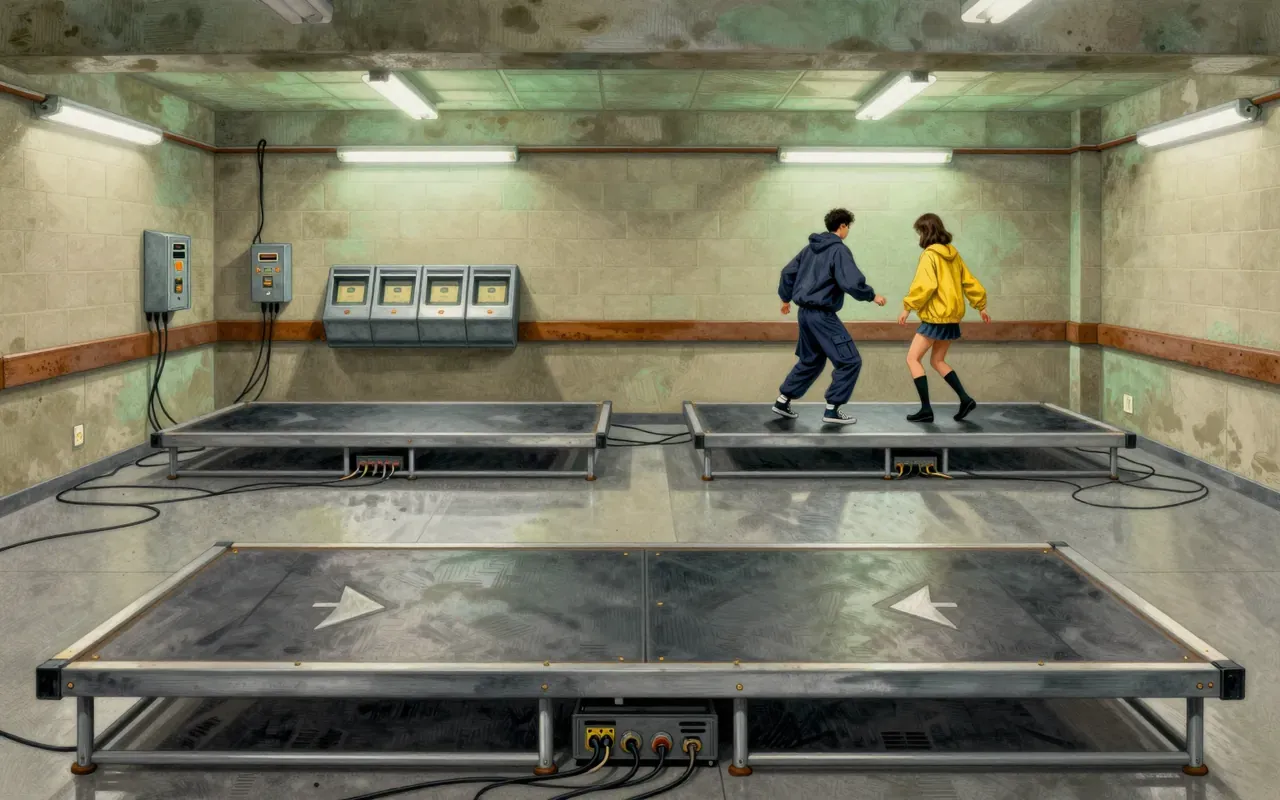
Dance Dance Revolution (1998) is a Konami arcade rhythm game that turns footwork into score. Players match scrolling arrows with steps on a dance pad. Timing judgments affect a life meter — the Dance Gauge — whose depletion ends the song. Combo tracking, step counts, and letter grades follow each performance. It runs under Konami’s Bemani brand. It has no narrative, no progression beyond song selection, and no solo longevity without hardware or social context.

9:28

Danganronpa 2: Goodbye Despair

Spike Chunsoft · 2012

Danganronpa 2: Goodbye Despair is a visual novel, adventure game, and role-playing video game developed by Spike before its 2012 merger with Chunsoft. Its structure divides time between Daily Life (dialogue-driven relationship building), Deadly Life (linear evidence collection after murder), and Class Trial (logic combat using Truth Bullets in a first-person shooter framework). Players earn Hope Fragments through Free Time conversations, exchange them for debate skills, and fund that loop with Monocoins earned from trial success and hidden Monokuma Figures. The game demands attention to verbal contradiction, rewards repetition as narrative escalation, and offers no mechanical evolution beyond its fixed, self-reinforcing systems.

11:11

Shin Megami Tensei: Digital Devil Saga

Atlus · 2004

Digital Devil Saga is a system-first RPG duology that treats combat as arithmetic and progression as inventory management. It runs on the PlayStation 2. It was made by Atlus’s Creative Department 1st Production (Team Maniax). It is a spin-off of the Megami Tensei series. It asks players to master a tight, punishing loop—not to lose themselves in a world.

8:20

Donkey Kong (1981 video game)

Nintendo · 1981

Donkey Kong (1981) is Nintendo’s first major arcade success and one of the first platform games. Developed by Shigeru Miyamoto after Radar Scope’s failure, it casts the player as Jumpman ascending a New York construction site across four single-screen stages—25, 50, 75, and 100 meters—to rescue Pauline from Donkey Kong. Gameplay revolves around running, jumping over gaps and obstacles, climbing ladders, and avoiding barrels, oil drums, cement pans, springs, and falling hazards—all under a shrinking bonus timer. Points reward precise actions: leaping, hammering, collecting items, and removing rivets. Lives end on contact, fatal falls, or timer expiry. Jumpman later became Mario.

7:58

Doom (1993 video game)

id Software · 1993

Doom (1993) is a first-person shooter for MS-DOS and Windows developed by id Software. It uses a 2.5D engine: environments render in 3D perspective but movement is confined to a 2D plane, and enemies are 2D sprites using billboarding. Players assume the role of a space marine fighting demons and possessed undead humans across labyrinthine levels grouped into episodes, each ending in a boss fight. Completion requires reaching a marked exit room while managing limited ammo, health, and armor—and avoiding hazards like toxic waste and crushing ceilings. Five difficulty levels scale enemy count, damage, speed, and aggression. The game supports cooperative and deathmatch multiplayer over local networks and modding via WAD files. Its design prioritises fast-paced action over narrative, with minimal plot conveyed through inter-episode text.

10:18

Dragon's Lair (1983 video game)

Cinematronics · 1983

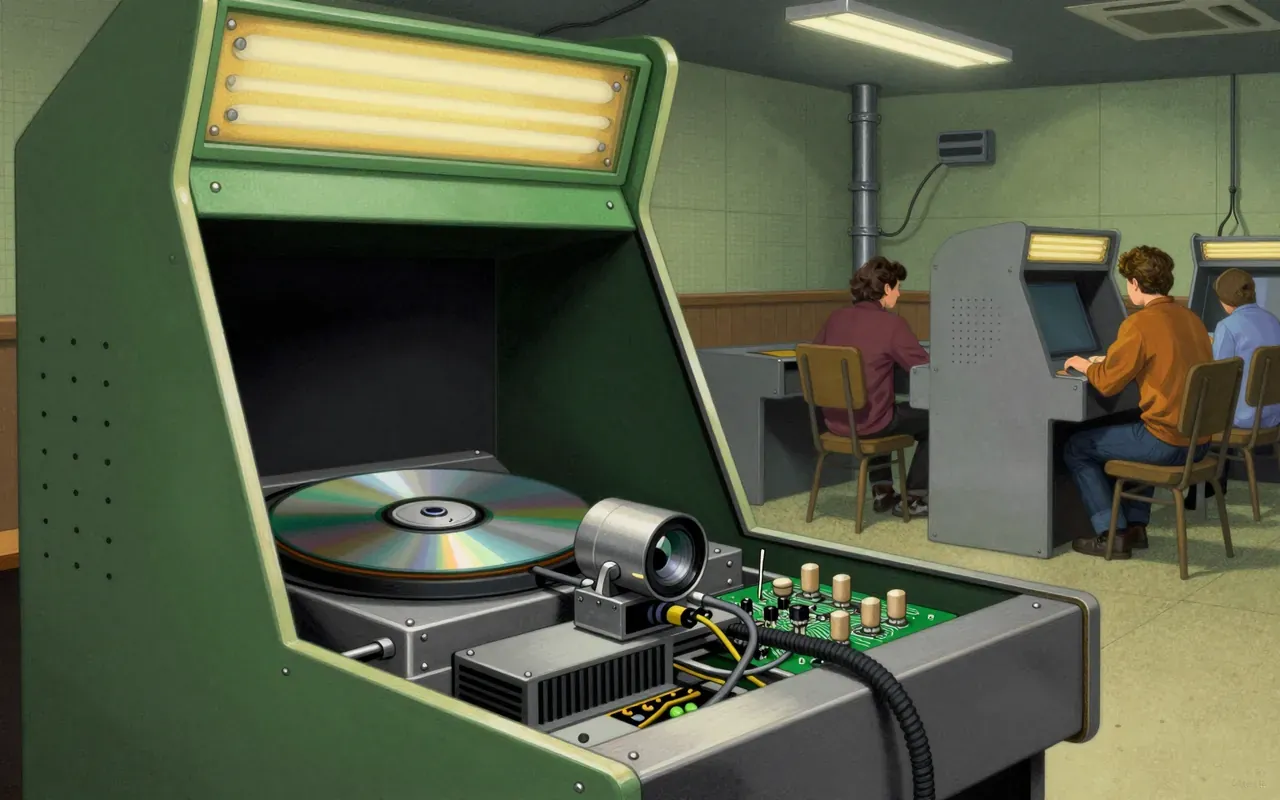
Dragon's Lair (1983) is an arcade-exclusive interactive film where players respond to quick time events during hand-animated cutscenes. It runs on LaserDisc hardware. Players control Dirk the Daring’s reflexes — not his movement or decisions. Narrative progression is predetermined. Levels are grouped into three cycles, selected dynamically. Dying moves the player forward. Failed levels must be repeated before reaching the Dragon's Lair. Some scenes repeat; some are mirrored, reversing required inputs. Operators could configure the cabinet to demand more coins mid-session. Cinematronics organised production in partnership with Advanced Microcomputer Systems and Don Bluth Productions. Starcom was formed to control rights. It was the first major LaserDisc video game.

11:36

Fatal Frame II: Crimson Butterfly

Tecmo · 2003

Fatal Frame II: Crimson Butterfly is a survival horror game developed and published by Tecmo in 2003. Players control Mio Amakura exploring the haunted Minakami Village, often alongside or searching for her sister Mayu. Exploration uses a fixed third-person camera, shifting to first-person when using the Camera Obscura—the primary tool for solving puzzles (via photographing objects and solving riddles) and fighting ghosts. Ghosts are signaled by coloured filaments (blue for friendly, red for hostile), and combat requires precise framing and timing, including mid-attack shots and the 'Shutter Chance' mechanic. Mayu’s presence aids puzzle-solving but also exposes her to ghost attacks, and both sisters’ health is critical—excessive damage ends the game. The narrative centres on a cursed twin ritual tied to the village’s history, with multiple endings determined by player choices, especially regarding Mayu’s fate.

10:22

F.E.A.R. (video game)

Monolith Productions · 2005

F.E.A.R. is a first-person shooter psychological horror game developed by Monolith Productions in Kirkland, Washington. It uses the studio’s LithTech engine and centres on reflex time, adaptive AI, and melee as a core combat pillar.

9:24

Final Fantasy XIV

Square Enix · 2013

Final Fantasy XIV (2013) is a subscription MMORPG rebuilt after failure. It runs on PlayStation 3 and Windows. Players choose a geolocated server and begin only as Disciples of War or Magic. Its UI unifies PC and console inputs. Translation enables basic cross-language communication. Crafting and gathering are locked at launch. The economy runs through market boards, not direct trade. It follows Final Fantasy XI (2002). It was developed by the Final Fantasy XI team using Crystal Tools.

9:20

Flashback (1992 video game)

Delphine Software · 1992

Flashback is a cinematic platformer whose gameplay resembles Prince of Persia and Another World. Each level spans many non-scrolling screens, nearly all of which feature multiple levels of altitude. Conrad exhibits realistic human running speed and jumping ability, and realistic weakness. He dies if he falls from a great height. Conrad carries a pistol with unlimited ammunition; a force shield, which absorbs a certain number of shots before needing recharging, acting as Conrad's health; and a portable force field with unlimited use, which can act as a temporary barrier to block enemies' shots. As Conrad progresses through the game's seven levels, he is increasingly presented with spatial puzzles, requiring the player to discover how to guide him toward his destination. Late in the game, Conrad receives a teleportation device, and is able to progress by throwing the device and teleporting into otherwise unreachable areas.

8:58

Fortnite Creative

Epic Games · 2018

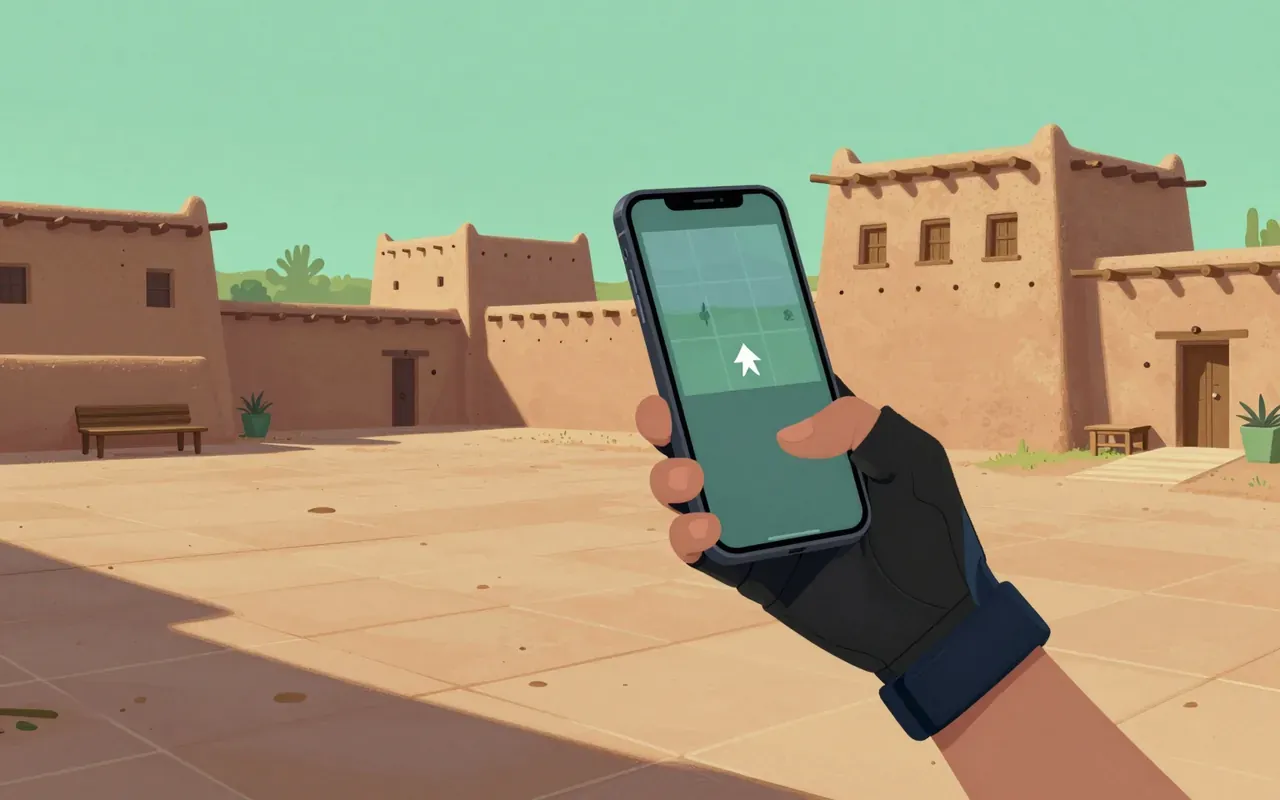
Fortnite Creative is a sandbox game mode developed by Epic Games. Players build custom worlds using Fortnite assets and publish them into the Fortnite Metaverse. Editing happens in real time via a handheld mobile phone tool. Players collaborate in Hubs capped at four people and teleport between islands using the Rift portal. Sessions support up to 100 players under custom rules. Each player may own up to 50 private islands. It is free-to-play across computer, console, and mobile platforms. Revenue comes from microtransactions, including the battle pass system.

10:18

Forza Motorsport (2005 video game)

Turn 10 Studios · 2005

Forza Motorsport (2005) is a simulation racing video game developed by Turn 10 Studios for Xbox. It was the inaugural title in a Microsoft Game Studios-commissioned series. It features licensed real-world cars, real and fictional tracks, arcade and career modes, driving assists, realistic vehicle damage, and deep car tuning.

9:47

Full Throttle (1995 video game)

LucasArts · 1995

Full Throttle is a 1995 LucasArts graphic adventure game built on SCUMM with INSANE for FMV, played from a third-person perspective using point-and-click navigation.

10:51

Gran Turismo (1997 video game)

Polyphony Digital · 1997

Gran Turismo (1997) is a PlayStation sim racing game developed by Polyphony Digital. It emphasises realism through physics-driven handling, two distinct modes—Arcade and Simulation—and a curated roster of 140 cars from Japanese manufacturers. It was the first game to fully support the DualShock controller. It does not feature car damage. Its design prioritises mechanical fidelity over spectacle, progression over immediacy, and menu clarity over visual density.

9:26

Gran Turismo 3: A-Spec

Polyphony Digital · 2001

Gran Turismo 3: A-Spec is a PlayStation 2 racing simulator built around linear, tiered progression, realistic driving physics, and graphical fidelity over breadth.

10:22

Hexen: Beyond Heretic

Raven Software · 1995

Hexen: Beyond Heretic is a 1995 first-person shooter with action-adventure and action role-playing elements. It is the second entry in the 'Serpent Riders' trilogy. It is set in the dark fantasy world of Silverspring. It runs on a modified Doom engine.

12:35

Hitman: Codename 47

IO Interactive · 2000

Hitman: Codename 47 is a foundational stealth-action hybrid built on compromise: a forced pivot from MMO to shooter, then reshaped by executive vision into something slower, tenser, and more systemic. It rewards silence with money, punishes civilian deaths with deductions, and forces players to drag bodies to avoid alerts — all while running on a bespoke engine that pioneered ragdoll physics. Its brilliance lies in how it stitches together ideas from Deus Ex and Thief, then bends them around corpse logistics. Its flaw is that it never fully sheds its run-and-gun roots — some levels abandon stealth outright, and movement remains stubbornly unrefined. It is not a polished experience. It is a working blueprint.

9:37

Indy 500 (1977 video game)

Atari · 1977

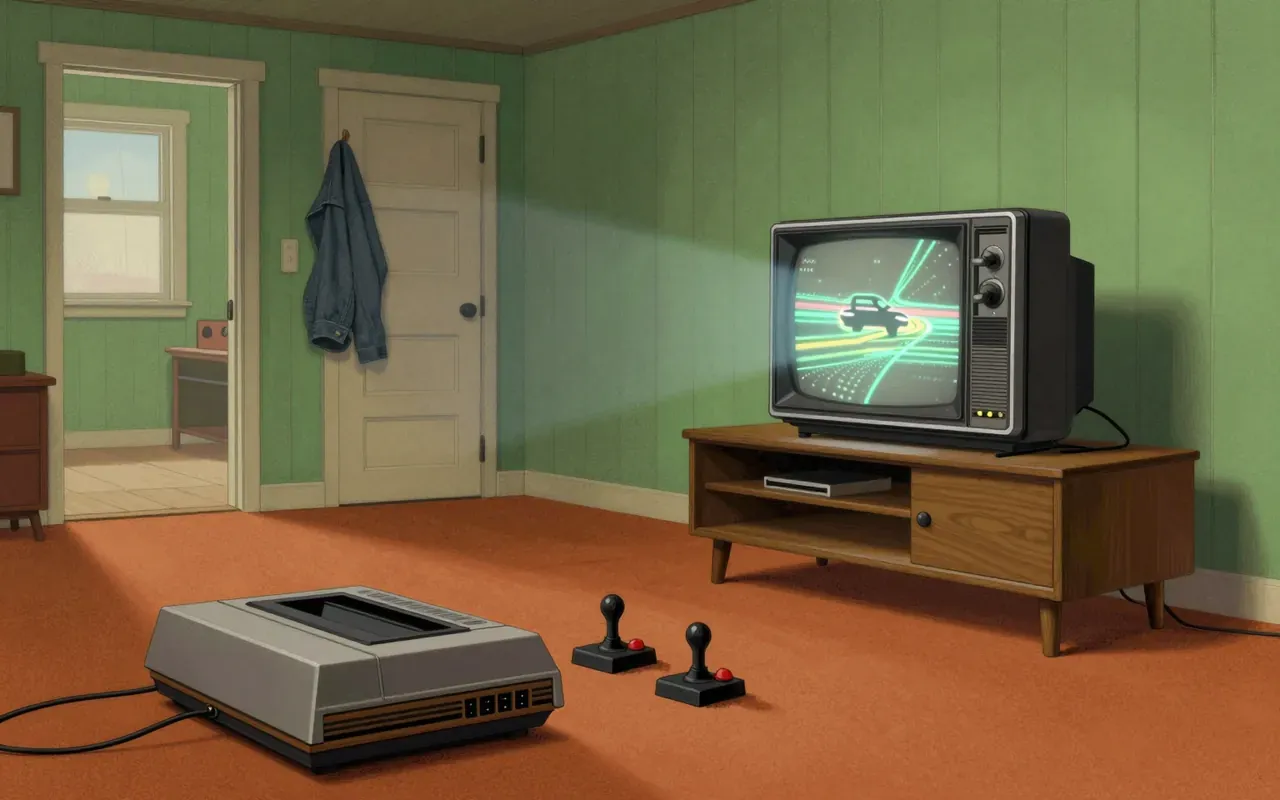
Indy 500 (1977) is a cartridge for the Atari 2600 offering fourteen variations across four gameplay modes — Race Car, Crash n' Score, Tag, and Ice Race — each defined by distinct win conditions, player configurations, and physics constraints.

8:25

Journey (2012 video game)

Thatgamecompany · 2012

Journey is a PlayStation 3 game where a cloaked figure walks across a desert toward a distant mountain. Flight is enabled by a magical scarf whose charge depletes and recharges near red cloth or glowing symbols. Players may meet one anonymous co-player per session, cooperating silently through chimes that transform cloth to alter the world — opening paths or levitating players — with no speech, text, or visible names until the credits.

9:44

The King of Fighters '94

SNK · 1994

The King of Fighters '94 is SNK’s inaugural team-based fighter, released in 1994 on the Neo Geo arcade system. It abandons round-based combat for sequential 3-on-3 matches using eight fixed teams. Players choose entry order, gain life restoration after each KO, and may call sidelined teammates for support attacks. A power gauge charges via blocking or damage — or manually, at high risk — and briefly strengthens basic attacks. It builds directly on SNK’s prior 2D fighting work in Fatal Fury and Art of Fighting, but shifts focus from individual mastery to team curation and structural rhythm.

8:53

King's Field (1994 video game)

FromSoftware · 1994

King's Field (1994) is FromSoftware’s debut PlayStation action role-playing game. It is a first-person dungeon crawler set in a vast underground labyrinth. The player explores five real-time 3D dungeon environments to uncover the source of a monster invasion.

10:04

King's Field (1995 video game)

FromSoftware · 1995

King's Field (1995) is FromSoftware’s second game and the first King's Field released outside Japan. It is Prince Aleph’s slow, solitary trek across the island of Melanat to recover the Moonlight Sword. Its design is defined by hardware-imposed slowness: movement, combat, and exploration all resist immediacy. It asks for patience, repetition, and tolerance of ambiguity — not engagement through clarity or reward.

10:48

King's Quest I

Sierra On-Line · 1984

King's Quest I is a foundational graphic adventure that trades player freedom for architectural control — every screen is a stage, every command a test of precise positioning, and every death a reminder that the machine holds all the cards.

9:20

Kirby 64: The Crystal Shards

Nintendo · 2000

Kirby 64: The Crystal Shards is a 2000 Nintendo 64 platformer developed by HAL Laboratory. It uses 3D rendering but locks movement to a 2D plane. Players collect 98 crystal shards across six worlds using Kirby’s core actions—walk, jump, inhale, fly—and seven copy abilities. Power Combos let players mix two abilities for 28 possible effects. Vehicle-based segments include riding King Dedede’s back, minecarts, and log flumes. Controls use the D-pad exclusively, following usability testing with children. All shards must be collected to reach the final boss and true ending.

9:58

League of Legends

Riot Games · 2009

League of Legends is a five-versus-five MOBA where two teams push lanes, level champions via XP, spend gold on items, and destroy the enemy Nexus. It launched free-to-play on 27 October 2009. It has no single-player mode. It draws from Defense of the Ancients and Asian free-to-play design. It asks for sustained attention, team coordination, and adaptation to constant change.

9:51

Lunar Lander (1979 video game)

Atari · 1979

Lunar Lander (1979) is a vector-based arcade game by Atari, Inc. that reduces piloting to rotation, thrust, and fuel. It offers no story, no characters, no world—only a side-view landscape, a fragile module, and the unblinking arithmetic of descent.

9:26

Marvel vs. Capcom: Clash of Super Heroes

Capcom · 1998

Marvel vs. Capcom: Clash of Super Heroes is a 1998 2D tag-team fighting game developed by Capcom’s Division 2 for the CP System II arcade system. Players select two fighters, swap between them mid-match, and rely on off-screen regeneration and randomly assigned guest characters with limited uses. It introduces the simultaneous 'Variable Cross' attack and grants unlimited use of the Hyper Combo Gauge. Its 2D animated cartoon-style graphics follow Capcom’s post-Darkstalkers aesthetic.

9:28

Metal Gear Solid 2: Sons of Liberty

Hideo Kojima / Konami · 2001

Metal Gear Solid 2: Sons of Liberty is a PlayStation 2 stealth-action game released in 2001 by Konami. It features two narrative chapters—the 'Tanker' prologue with Solid Snake and the 'Plant' main section with Raiden—set near New York City in an alternate-history timeline. Its stealth loop relies on observation, environmental interaction, and squad-based enemy AI. It explores memetics, information control, and freedom of thought through a postmodern, fourth-wall-breaking structure.

9:34

Metal Gear Solid 3: Snake Eater

Hideo Kojima / Konami · 2004

Metal Gear Solid 3: Snake Eater is a PlayStation 2 stealth game set in a Soviet tropical forest in 1964. It replaces abstract health with bodily injury tracking, swaps binary detection for a dynamic camouflage index, and ties stamina to foraging and rest. Its loop is observational, adaptive, and physically grounded—not cinematic, not reflexive, not narrative-first.

9:06

Monkey Island 2: LeChuck's Revenge

LucasArts · 1991

Monkey Island 2: LeChuck's Revenge is a 1991 LucasArts SCUMM-based point-and-click adventure game that introduced iMUSE, used Puzzle Dependency Charts, and offered dual puzzle-difficulty modes.

9:36

NBA Jam (1993 video game)

Midway · 1994

NBA Jam (1993) is a two-on-two arcade basketball game developed and published by Midway, featuring NBA-licensed teams and digitized likenesses of real players.

9:56

Need for Speed: Most Wanted (2005 video game)

Black Box · 2005

Need for Speed: Most Wanted (2005) is a street-racing game set in the fictional city of Rockport. Players use licensed real-world cars to defeat 15 Blacklist racers, complete varied race types—including Tollbooth and Speedtrap—and evade increasingly aggressive police pursuits governed by a heat-based escalation system. Cars can be upgraded and customised in Career mode. The game features Career, Quick Race, Challenge Series, and multiplayer modes on certain console editions.

8:21

Osu!

peppy · 2007

osu! is a rhythm game built on precision, community curation, and mouse-driven timing. It asks for sustained attention, fine motor control, and tolerance for repetition. It gives back measurable progress, granular difficulty tuning, and a vast library of player-made challenges. It withholds narrative, accessibility for non-mouse users, and any abstraction between intent and execution.

9:36

Overwatch (2016 video game)

Blizzard Entertainment · 2016

Overwatch is a team-based, online multiplayer first-person shooter released by Blizzard Entertainment in May 2016. It reuses assets from the cancelled Titan project but builds a new near-future world around the Omnic Crisis and the Overwatch peacekeeping force. Two teams of six select from over two dozen heroes—categorised as Damage, Tank, or Support—each with unique kits and an ultimate ability charged by combat actions. Players switch heroes mid-match to adapt to objectives like capturing control points or escorting payloads, all within time limits and asymmetric attacker-defender framing. Custom game modes are possible via limited scripting tools. Progression yields only cosmetic loot boxes. The setting is bright, cartoonish, and optimistic.

9:44

Overwatch (2023 video game)

Blizzard Entertainment · 2022

Overwatch (2023) is a live-service hero shooter built on enforced role discipline, rapid iteration, and seasonal storytelling. It discards the original’s six-player format and promised PvE to double down on PvP refinement—and on sustaining engagement through constant design recalibration.

9:17

Payday: The Heist

Overkill Software · 2011

Payday: The Heist is a 2011 cooperative FPS by Overkill Software. It establishes the core loop of theft-driven co-op play, hostage-based revival, and civilian protection. Its randomisation adds replayability without altering mechanics. It lacks progression, narrative, or solo support. It runs on PlayStation 3 and Windows.

9:46

Revelations: Persona

Atlus · 1996

Revelations: Persona is Atlus’s 1996 PlayStation RPG that introduces the Persona series. It casts high school students who summon Personas—Jungian self-manifestations—to fight supernatural threats in a town shaped by lunar cycles and branching narrative paths.

9:09

PUBG: Battlegrounds

PUBG Corporation · 2017

PUBG: Battlegrounds is a battle royale shooter where up to 100 players parachute onto an island, scavenge for gear, and fight to be the last survivor. The safe zone shrinks over time, forcing players into tighter spaces and more frequent encounters. Players choose solo, duo, or squad (up to four) modes, begin with no functional gear, and must rapidly adapt to dynamic conditions including shifting flight paths, red-zone bombings, and loot-dropping planes. It launched in early access on Windows in March 2017 and later on Xbox One, and was developed by Krafton's PUBG Studios and published by Krafton.

9:31

Pokémon Red, Blue, and Yellow

Game Freak · 1998

Pokémon Red, Blue, and Yellow are tightly constrained Game Boy RPGs built around three screens, turn-based battles, and enforced social play. They demand cooperation—not for story, but for completion. They reward patience, not improvisation. They are about checking boxes, not breaking rules.

10:48

Prey (2017 video game)

Arkane Studios · 2017

Prey (2017) is a first-person immersive sim set aboard the Talos I space station. You play as Morgan Yu, a scientist surviving a Typhon outbreak. You begin with a wrench and gradually unlock weapons, Neuromod abilities, and environmental tools. Talos I opens in stages—from linear missions to free exploration—and supports multiple solutions via systemic interactions: oil spills, turrets, explosive canisters, and the Gloo Cannon. It draws inspiration from System Shock and Arx Fatalis. It shares only its name with Human Head Studios’ earlier Prey series. It was developed by Arkane Austin under Raphaël Colantonio’s leadership.

10:14

Prince of Persia (1989 video game)

Brøderbund · 1989

Prince of Persia (1989) is a cinematic platformer where time, health, and animation are tightly coupled systems—not flourishes. It originated on the Apple II during Broderbund’s early, hardware-conscious phase. Its design forces rhythm, precision, and memory. It does not adapt. It does not forgive. It runs on clocks, triangles, and rotoscoped frames.

8:12

Prince of Persia 2: The Shadow and the Flame

Brøderbund · 1993

Prince of Persia 2: The Shadow and the Flame is a 1993 Broderbund-published cinematic platformer that escalates tension through larger environments, denser combat, and an unforgiving real-time clock—without altering the foundational verbs established on the Apple II.

9:33

Pro Evolution Soccer (video game)

Konami · 2001

The verified material establishes only that Pro Evolution Soccer (2001) is Konami’s first football sports simulation in the PES series, known in Japan as World Soccer: Winning Eleven 5, with region-specific commentary, and that it sits in a lineage from International Superstar Soccer to eFootball — but says nothing about how it plays, what it asks of a player, or what it delivers in practice.

8:20

Punch-Out!! (1984 video game)

Nintendo · 1984

Punch-Out!! (1984) is a rigid, reactive arcade boxing game built around telegraphed eye cues, fixed timing, and forced replay. It asks players to memorise patterns, not adapt to them. It gives no identity beyond initials and no outcome beyond repetition or defeat.

9:50

Quest for Glory: So You Want to Be a Hero

Sierra On-Line · 1989

Quest for Glory: So You Want to Be a Hero is a 1989 hybrid adventure/RPG by Sierra On-Line. It asks players to type commands, track time, manage hunger and fatigue, and develop skills organically—not through levels, but through action. Class choice (Fighter, Magic User, Thief) determines starting tools, puzzle solutions, and quest access—but cross-class skills are possible. Its systems behave like physical laws: predictable, persistent, and indifferent to player expectation.

9:27

RalliSport Challenge

Rainbow Studios · 2002

RalliSport Challenge is a 2002 offroad racing game developed by Rainbow Studios. It features four race types—Rally, Hillclimb, Ice Racing, and Rallycross—each defined by distinct terrain-based rules and consequences. Players progress through career mode to unlock cars, choose between Beginner (mid-rally restart) and Normal (full-rally restart) modes, and race either sequentially or against AI. It belongs to the same offroad lineage as Motocross Madness and MX vs. ATV.

10:07

Richard Burns Rally

SMS Developers · 2004

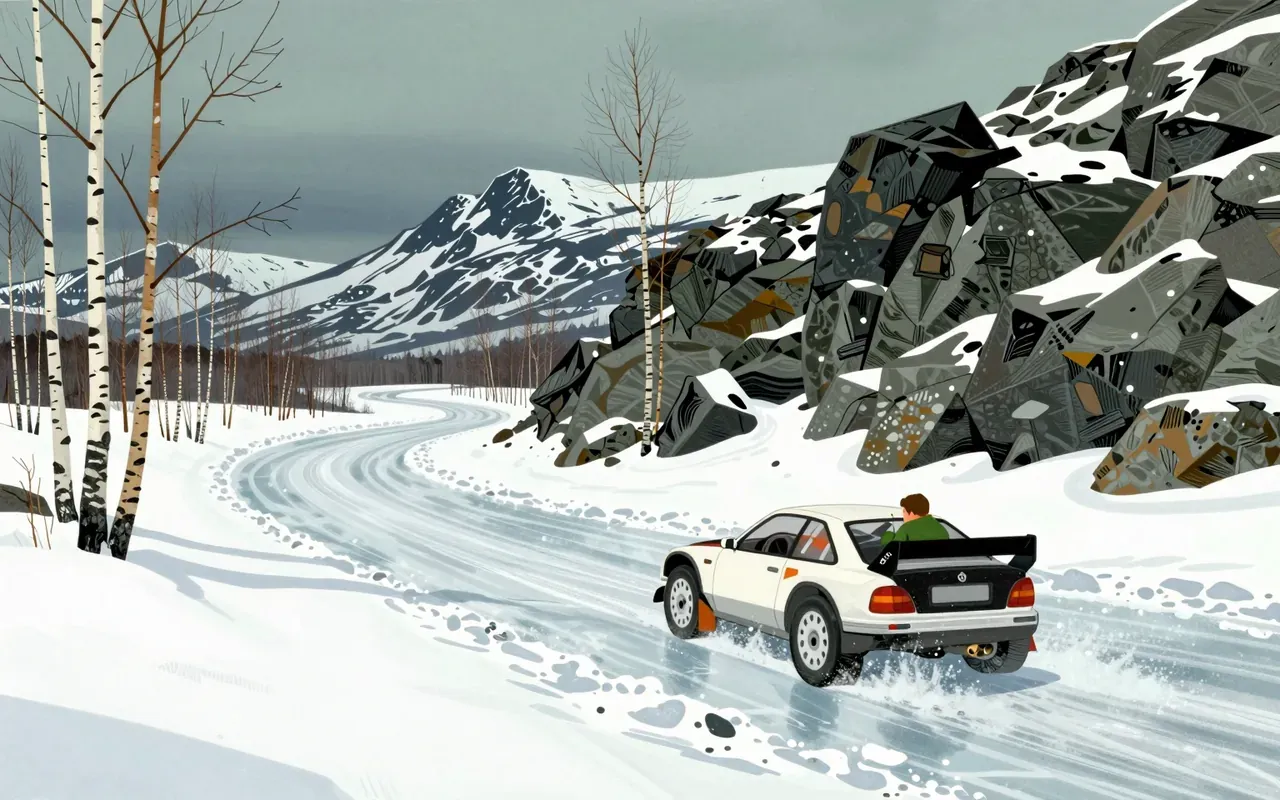
Richard Burns Rally is a sim racing game developed by Warthog and published by SCi in 2004. It features eight cars and thirty-six rally stages modelled from real locations including Gateshead forest, Nevada, Canberra, Hokkaido, the French Alps, and the Arctic Circle. Its defining trait is an uncompromising physics engine shaped by on-location scouting, precise measurement of road width, camber and texture, and direct input from rally drivers Richard Burns and Possum Bourne. It simulates both classic and modern rallying, and is defined by high difficulty—not as a flaw, but as a consequence of its fidelity-first design.

9:00

Ridge Racer (1993 video game)

Namco · 1994

Ridge Racer (1993) is a Namco arcade racing game built on System 22 hardware, defined by drifting, texture-mapped 3D graphics, and a lap-based race loop across one track in four difficulty tiers.

9:32

R4: Ridge Racer Type 4

Namco · 1998

R4: Ridge Racer Type 4 is a PlayStation racing game centred on powersliding — using either Drift (single brake tap) or Grip (brake/gas alternation) depending on car make — within a structured Grand Prix progression where qualifying positions determine vehicle unlocks and upgrades. It introduces team- and manufacturer-based story modes, Time Attack, two-player split-screen VS. Battle (a series first), four-player Link Cable support, car decoration, Extra Trials versus prototypes, and PocketStation integration for car trading in Japan.

10:19

Roblox

Roblox Corporation · 2006

Roblox is a platform for making and playing games. Released in 2006 by Roblox Corporation, it lets any user build and share games using Roblox Studio and Luau. It is free-to-play but relies on Robux for purchases and real-world payouts via Developer Exchange. Communication is limited to chat and direct messaging. There is no unified rule set, loop, or aesthetic — only the infrastructure that enables creation and exchange.

10:48

Samurai Shodown (1993 video game)

SNK · 1993

Samurai Shodown (1993) is a weapon-based 2D fighting game released by SNK for the Neo Geo arcade system. Set in late-1780s feudal Japan, it replaces hand-to-hand combos with deliberate, high-risk strikes. Slow motion highlights impact. A referee lifts white or red flags to confirm hits. Blood appears on contact. It is SNK’s first arcade fighter built around weapons.

9:03

Session: Skate Sim

crea-ture Studios · 2019

Session: Skate Sim is an open-ended sports video game that simulates skateboarding with strict adherence to physics, presented through a fish-eye lens mimicking mini DV format.

9:14

Shinobi (1987 video game)

Sega · 1987

Shinobi (1987) is a Sega arcade game where Joe Musashi fights Zeed across timed stages using shurikens, melee, and one-per-stage ninjutsu techniques. Movement is precise. Death is absolute. Progression is hostage-driven. It is not about lore, scale, or stamina — it is about reading space, committing to motion, and choosing when to spend your one irreplaceable power.

9:50

Shivers (video game)

Sierra Online · 1995

Shivers is Sierra On-Line’s first first-person, point-and-click PC adventure game, released on CD-ROM in November 1995. It places a nameless, unseen, silent teenage protagonist inside a haunted museum to trap ten Ixupi spirits by solving puzzles, collecting vessel fragments, and matching talismans — all while managing a life-essence health bar and navigating a non-linear, open-ended environment with strict one-item inventory.

9:48

Skate (2007 video game)

EA Black Box · 2007

Skate (2007) replaces animation with physics, and menus with motion. Its 120 Hz input loop forces players to internalise flick timing. It gives full control of trick execution — then withholds walking, dismounting, and female skaters. It asks for wrist discipline, not button memorisation. It rewards patience with authenticity, not spectacle.

10:14

Space Quest I

Sierra On-Line · 1986

Space Quest I is a 1986 graphic adventure built on Sierra’s AGI engine. It asks players to type commands, navigate layered 2D spaces, consult the manual constantly for copy protection, and tolerate platform-specific interface splits—including no menus on Apple II. Its humour relies on parser friction, hardware constraints, and satirical worldbuilding. It works as a design document for early Sierra adventure grammar—not as a frictionless play experience.

9:45

Tom Clancy's Splinter Cell (video game)

Ubisoft Montreal · 2002

Tom Clancy's Splinter Cell (2002) is a stealth action-adventure developed by Ubisoft Montreal, built from assets of the cancelled third-person shooter The Drift. It establishes light as a core gameplay stat via a persistent light meter, forces players into shadows, limits ammunition, and ties all vision modes—including night and thermal—to that same visibility logic. It was Ubisoft Montreal’s breakout title and a direct competitive response to Metal Gear Solid.

9:59

Tom Clancy's Splinter Cell: Blacklist

Ubisoft Toronto · 2013

Tom Clancy's Splinter Cell: Blacklist is a 2013 action-adventure stealth game developed by Ubisoft Toronto — its debut project. It gives players three clear paths: silent infiltration, aggressive stealth, or direct combat — each supported by tools like the Tri-Rotor drone, light destruction, corpse hiding, and sensor goggles. It runs in third-person. Players rotate the camera, crouch, run, and scale ledges. Killing alerts enemies who see corpses — so hiding bodies is essential. The game’s strength is its tight, readable cause-and-effect loop. Its weakness is the separation of its systems: stealth, action, and progression never fully converge.

8:40

Tom Clancy's Splinter Cell: Chaos Theory

Ubisoft Montreal · 2005

Tom Clancy's Splinter Cell: Chaos Theory is a 2005 stealth action game developed by Ubisoft Montreal. It refines the series' core stealth loop around two interdependent detection systems: light exposure and relative noise. Guards react intelligently to environmental changes and coordinate tactically. Alarms trigger only on discovery—not on being seen—and no longer cause automatic failure. It expands close-quarters options and introduces equipment loadouts tied to lethality constraints.

11:14

Spore (2008 video game)

Maxis · 2008

Spore is a Maxis-developed simulation game released in 2008 where players guide a species from single-cell origins through five evolutionary phases toward spacefaring capability, with defined goals including spaceship construction and reaching the galactic core.

9:44

StepMania

Chris Danford · 2001

StepMania is a cross-platform rhythm video game and engine originally developed as a clone of Dance Dance Revolution, evolving into an extensible rhythm game engine supporting various rhythm-based game types. Its core gameplay involves scrolling arrows meeting stationary targets in time with the song's beat, scored by timing accuracy, letter grade, and numeric score. Highest performance yields AAA+, requiring flawless timing, mine avoidance, and full hold arrow completion; failure results in an E grade when the life gauge fully depletes. It runs on Windows, Linux, FreeBSD, macOS, and Xbox.

8:40

Street Fighter: The Movie (console video game)

Capcom · 1995

Street Fighter: The Movie (console video game) is a 1995 Capcom release for PlayStation and Sega Saturn. It adapts the 1994 film using digitised actor footage and bases its combat on Super Street Fighter II Turbo. Four modes exist: Movie Battle (Guile infiltrating Shadaloo City), Street Battle (twelve-fighter ladder), Vs. Mode, and Trial Mode. Super Special Moves require a half-full Super Combo gauge and two-button inputs. Regional versions differ in naming and voice samples. The Japanese release is titled Street Fighter: Real Battle on Film.

9:50

TERA (video game)

Blue Hole · 2011

TERA replaces tab-targeting with muscle memory — and demands you learn the difference between aiming and reacting.

9:32

The Witcher 3: Wild Hunt

CD Projekt Red · 2015

The Witcher 3: Wild Hunt is an open-world RPG built around authored consequence, not systemic simulation. Its combat demands precision, stamina, and resource management. Its world feels lived-in because of writing—not physics. It was made at great cost, with no DRM, and shipped with free DLC. It remains worth playing if you want narrative weight over procedural noise.

9:39

The Witness (2016 video game)

Jonathan Blow · 2016

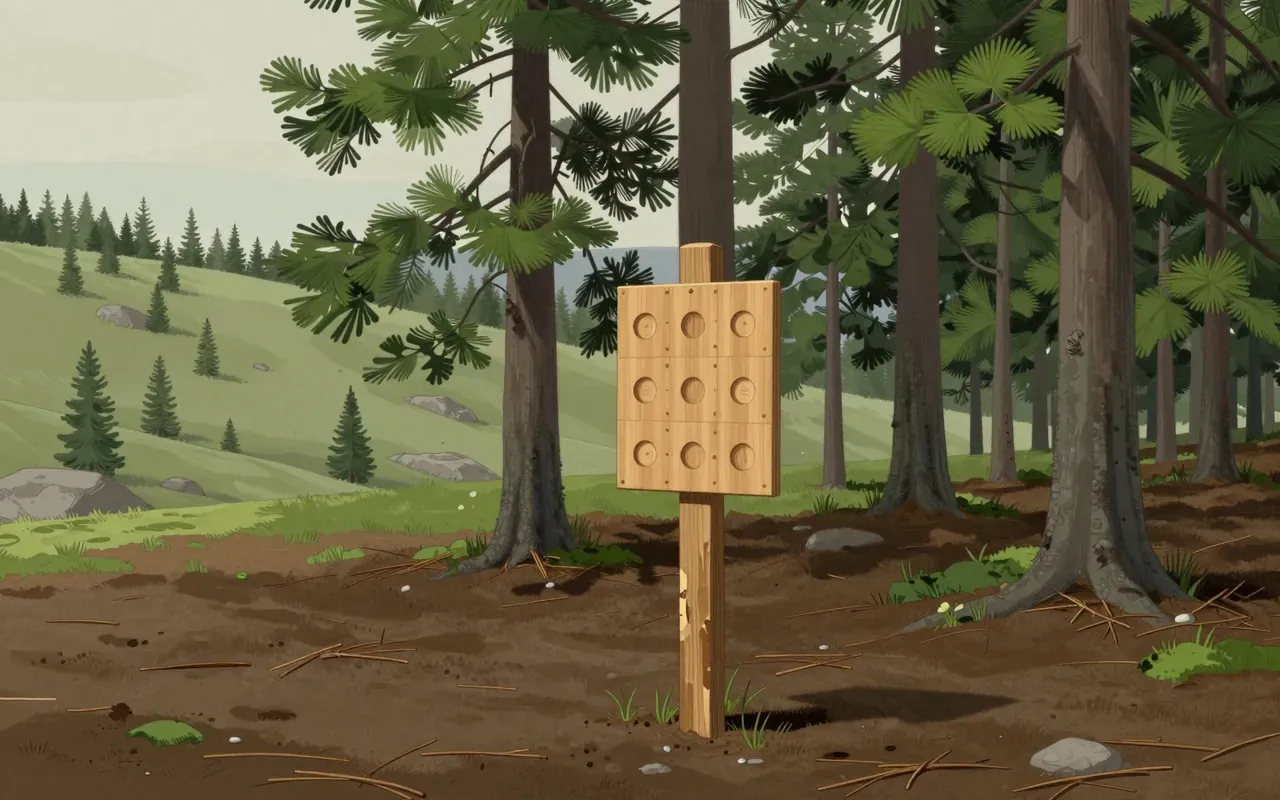
The Witness is a first-person puzzle game developed and published by Thekla, Inc., released in 2016 on Windows and PlayStation 4. It is an open-world island filled with natural and human-made structures, where players solve over 650 puzzles by drawing paths on grids or across environments.

10:58

Thief: The Dark Project

Looking Glass Studios · 1998

Thief: The Dark Project is a 1998 stealth game by Looking Glass Studios. It uses light and sound as core mechanics. Players assume the role of Garrett in a first-person, unscripted 3D world. Objectives are discrete—like stealing a specific object—and must be completed to advance. A visibility gem on the HUD indicates detectability. NPCs react to environmental cues. Eidos Interactive published it.

12:14

Thief II

Looking Glass Studios · 2000

Thief II is a foundational immersive sim built on light, sound, and consequence. It asks players to move like a thought — unseen, unheard, deliberate. Its design remains coherent decades later. Its pacing and opacity do not.

10:48

TrackMania Turbo (2016 video game)

Nadeo · 2016

TrackMania Turbo is a 2016 arcade racing game by Nadeo. It delivers stunt-focused, high-speed racing across four themed locations—Canyon Grand Drift, Valley Down and Dirty, Rollercoaster Lagoon and International Stadium—with over 200 tracks. It includes a single-player campaign, cooperative Double Driver mode, local split-screen for up to four players on PlayStation 4, Xbox One and PC, and a track editor with random generation.

9:00

Ultima I: The First Age of Darkness

Origin Systems · 1981

Ultima I: The First Age of Darkness is a foundational computer RPG where 'The Stranger'—summoned from another world—must destroy the Gem of Immortality to end Mondain's rule in Sosaria.

9:16

Ultima Online

Origin Systems · 1997

Ultima Online is a fantasy massively multiplayer online role-playing game released by Origin Systems on 24 September 1997. It was Origin’s first persistent online game. It was partially designed as a social and economic experiment. Its initial features included persistent player housing, skill-based character progression without levels or classes, a craft-based and player-driven economy, and unrestricted player-versus-player combat. Servers enforced either consensual or non-consensual PVP depending on type — Trammel, Felucca, or Siege — each with distinct rules for combat, travel, and item loss. The release of Trammel led developers to rename the original world Felucca and make its environment more grim. Siege servers restrict players to one character slot and limit travel options. Ultima Online is one of the earliest graphical MMORPGs. Its success was pivotal in EA’s decision to make Origin an online-only company after the completion of Ultima IX: Ascension in 1999.

12:27

Uncharted 2: Among Thieves

Naughty Dog · 2009

Uncharted 2: Among Thieves is a third-person action-adventure platformer for PlayStation 3. It is developed by Naughty Dog. It continues the studio’s first approach to realistic worlds and characters. It constrains player action through fixed weapon loadouts, scarce grenades, and environment-locked traversal. It ties puzzle-solving to journal entries. It runs on a proprietary engine built for the PlayStation 3’s Cell architecture.

8:50

Unreal (1998 video game)

Epic Games · 1998

Unreal (1998) is a 3D first-person shooter co-developed by Epic MegaGames and Digital Extremes. You play Prisoner 849, a survivor of the crashed prison ship Vortex Rikers on the alien planet Na Pali. You fight through Skaarj-controlled mines, ruined Nali temples, a water temple, a Titan arena, alien installations, and the Skaarj Mothership — uncovering narrative via journals and environmental decay. Its strength lies in atmosphere, scale, and scripted set-pieces. Its limits are linearity, shallow combat, and fragmented storytelling.

9:41

Unreal Tournament 2004

Epic Games · 2004

Unreal Tournament 2004 is a multiplayer-first first-person shooter built around movement systems, weapon dual-fires, and vehicle-integrated game types. It establishes clear win conditions per mode—objective sequencing in Assault, node capture and core destruction in Onslaught, hoop scoring in Bombing Run, flag retrieval in Capture the Flag. It falls short as a solo experience and offers no scaffolding for players unfamiliar with its movement grammar or objective logic.

7:56

Unreal Tournament 3

Epic Games · 2007

Unreal Tournament 3 is a 2007 PC arena shooter built for online multiplayer. It delivers eight distinct modes, each with explicit rules: Duel’s winner-stays queue, Warfare’s orb-driven node capture, and Vehicle Capture the Flag’s hover board–only traversal. The hover board disables weapons and leaves players vulnerable when hit — a hard constraint, not a flourish. Single-player is AI-driven re-skins of multiplayer maps. It asks for rhythm, precision, and tolerance of enforced limitations — nothing more.

9:42

Warcraft III: Reign of Chaos

Blizzard · 2002

Warcraft III: Reign of Chaos is a 2002 real-time strategy game by Blizzard. It uses fog-of-war, upkeep penalties, fixed top-down perspective, and hero progression to enforce tight, consequential decision-making.

8:54

Warsow (video game)

Amanieu d'Ohsson · 2005

Warsow is a movement-first FPS built on Quake II. Its design forces mastery of physics-based tricks—dash, dodge, wall jump, rocket jump—as the sole path to advantage. It trades narrative, progression and accessibility for purity of motion and competitive clarity.

10:45

Call of Duty: Warzone (2020 video game)

Infinity Ward · 2020

Call of Duty: Warzone (2020) is a free-to-play battle royale built on the IW 8.0 engine, supporting up to 150 players per match. It uses an in-game Cash system to gate access to weapons, perks, and respawns via Buy Stations and Loadout Drops. Players begin each match with a basic pistol and two armor plates, then scavenge weapons, equipment, and killstreaks across large photogrammetry-rich maps including Verdansk, Rebirth Island, Caldera, and Fortune's Keep. Battle Royale features shrinking zones and the Gulag respawn mechanic; Plunder and Resurgence offer alternative loops. The game integrated progression with Modern Warfare, Black Ops Cold War, and Vanguard before server shutdown on September 21, 2023.

10:00

Wizardry: Proving Grounds of the Mad Overlord

Sir-Tech · 1981

Wizardry: Proving Grounds of the Mad Overlord is a 1981 dungeon-crawl RPG by Sirotech Software. It demands manual mapping, enforces strict party alignment rules, and offers no in-dungeon saving. Its ten-level dungeon beneath Trebor's castle exists solely to be descended — one floor at a time — until the party reaches Werdna and retrieves the amulet.

9:41

Wolfenstein (2009 video game)

Raven Software · 2009

Wolfenstein (2009) is a first-person shooter that adds a supernatural layer — the Veil — to id Tech 4. It lets players slow time, bypass obstacles, and kill shielded enemies. Raven Software built it using id’s engine technology. Development problems led to layoffs. The Veil is mechanically functional but narratively detached. It is a technical demonstration, not a unified experience.

11:08

UFO: Enemy Unknown

Julian Gollop · 2013

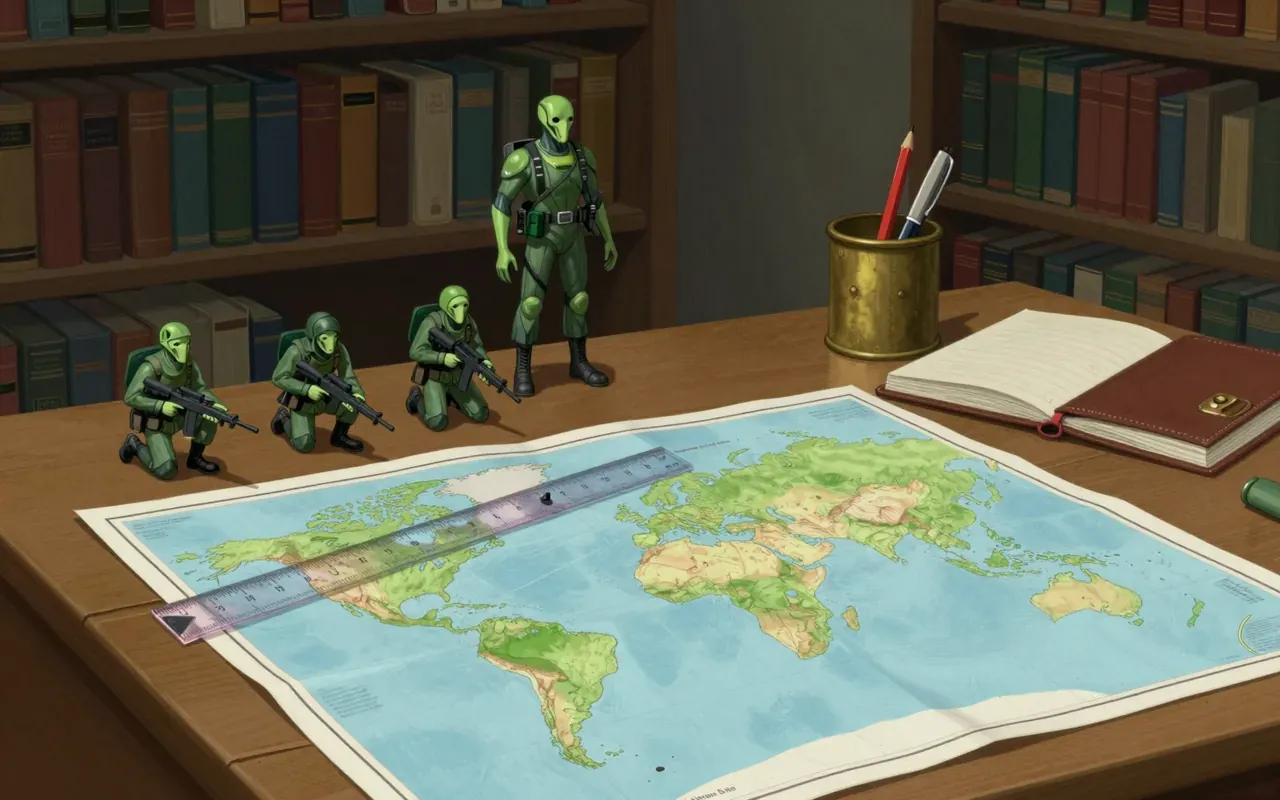
UFO: Enemy Unknown is a 1994 strategy game developed by Julian and Nick Gollop under Mythos Games. It divides play between the Geoscape—a global strategic layer beginning 1 January 1999—and the Battlescape—a voxel-based, turn-based tactical layer triggered by alien contact. It establishes the X-COM franchise. It asks players to manage finite resources, absorb permanent loss, and reconcile two deeply asymmetrical systems. It falls short in explanation, feedback, and accessibility—but not in consequence.