Path of Exile
Grinding Gear Games · 2013
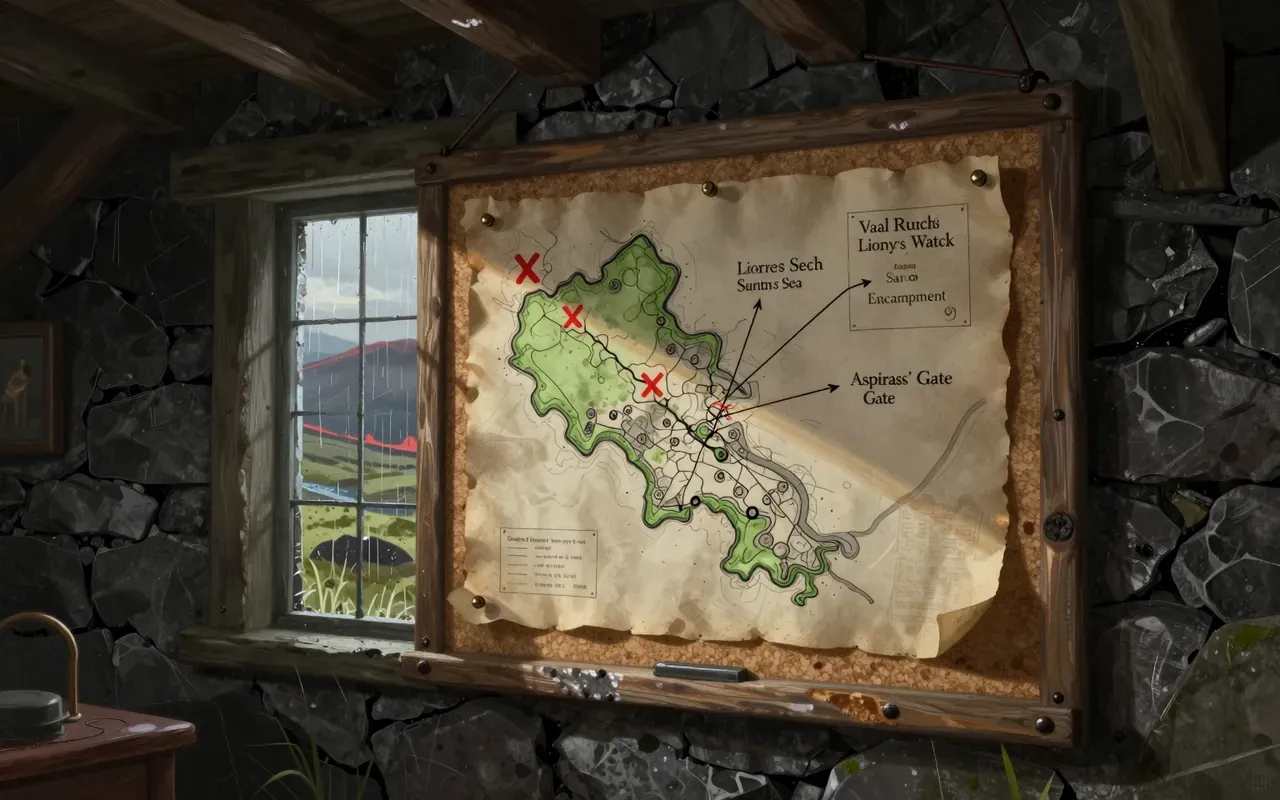
Path of Exile is a systemic ARPG that trades narrative continuity for procedural depth, instanced purity, and build-driven replayability.
Path of Exile is a systemic ARPG that trades narrative continuity for procedural depth, instanced purity, and build-driven replayability.
Payday 2 is a cooperative heist shooter released in 2013 by Overkill Software, developed with funding from Starbreeze Studios after their 2012 acquisition, and led in design by David Goldfarb.
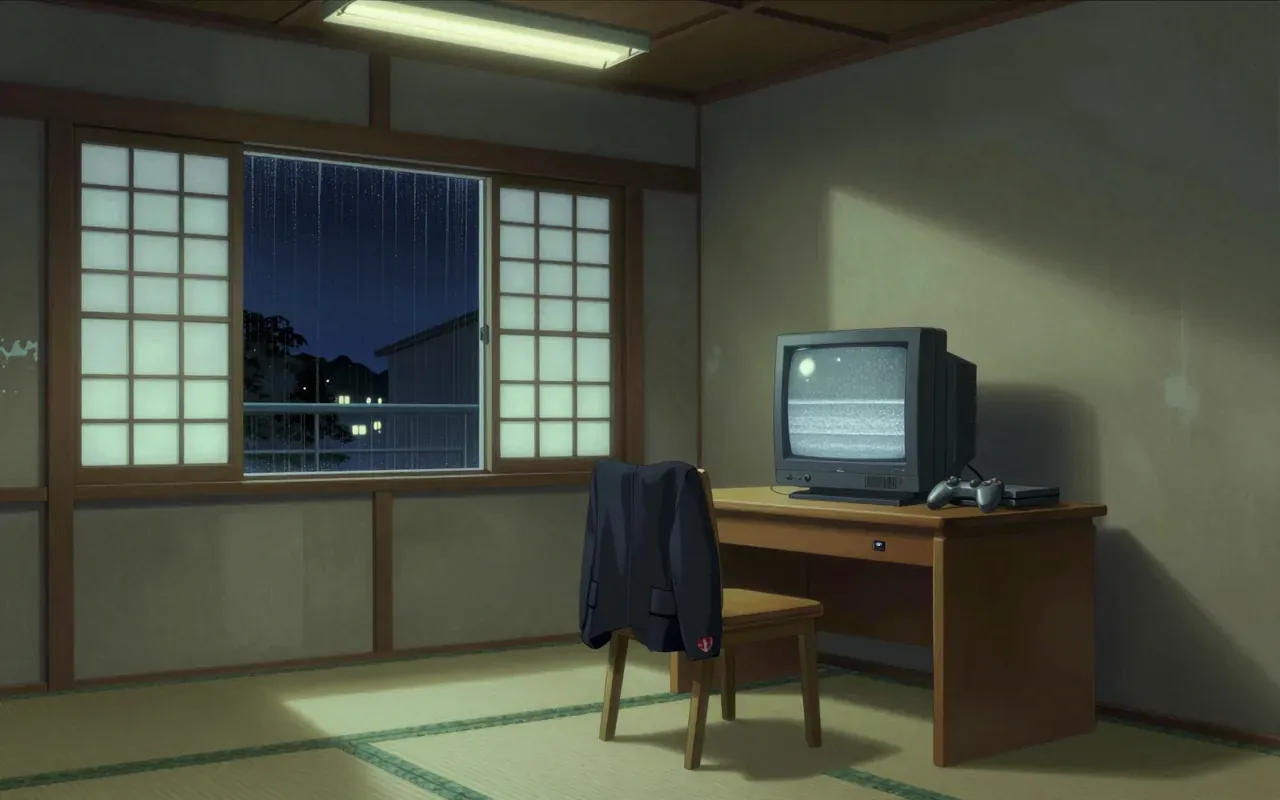
Persona 3 is a PlayStation 2 RPG released by Atlus in 2006. It combines traditional RPG mechanics with simulation elements. The game follows the protagonist, who balances their daily life of going to school and building relationships with others with fighting the monstrous Shadows during the Dark Hour. Each day is divided into daytime and evening segments. Except for scripted events, such as plot progression or special events, the player is free to choose how each day is spent, with most activities causing time to pass. The types of activities and characters that can be interacted with vary depending on the day of the week and time of day. Additionally, some activities are limited by the protagonist's three attributes; Academics, Charm, and Courage, which can be built by performing various activities or making certain correct choices. During the evening, players can choose to visit Tartarus, the game's main dungeon, where they can build their party's experience and gain new items. On the day of the full moon, players will participate in a boss battle to progress the story.
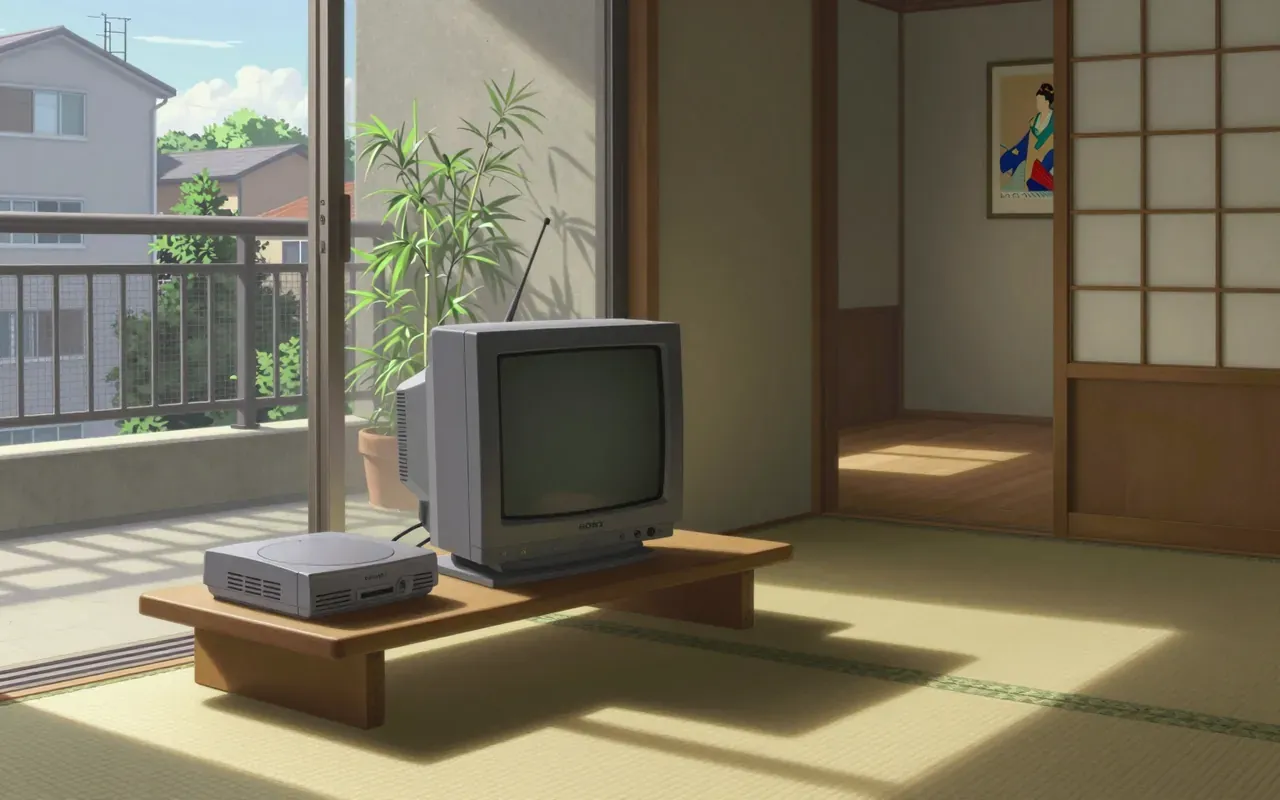
Persona 4 is a PlayStation 2 RPG by Atlus, set in the fictional Japanese countryside town of Inaba in 2011. It divides gameplay between daily life in Inaba and dungeon exploration in the surreal TV World, accessed through televisions. Players manage segmented days—'After School/Daytime' and 'Evening'—with most actions consuming one segment. Evening options vanish after visiting the TV World. Five attributes (Understanding, Diligence, Courage, Knowledge, Expression) gate activities and dialogue, growing through specific real-world actions. Social Links with characters map to the Major Arcana and enhance combat and Persona fusion. Fog appears after consecutive rainy days; failing to rescue a captive before fog triggers a permanent game over requiring reload or rewind. Developed by P-Studio—established in 2006—and directed by Katsura Hashino, it was published and localised for North America by Atlus USA.
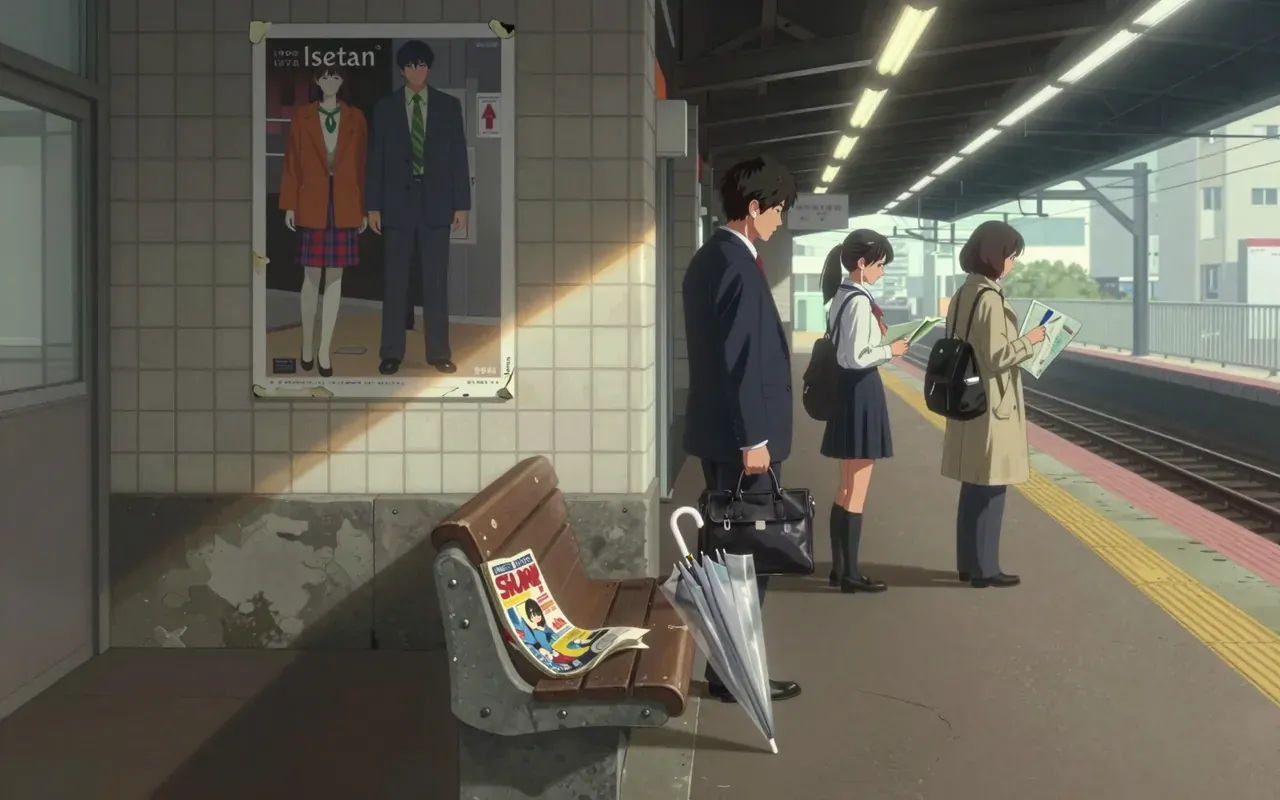
Persona 5 is a Japanese role-playing game developed by P-Studio and published by Atlus in 2016. It simulates one academic year in Tokyo through a rigid day-night cycle, blending social relationship-building (Confidants) with dungeon-crawling in two distinct Metaverse realms: narrative Palaces and procedural Mementos.
Plants vs. Zombies 2 tightens the original’s loop into a five-row, sun-gated, one-mistake-per-lane test—but adds time travel without mechanical consequence, and free-to-play friction without structural reinvention.
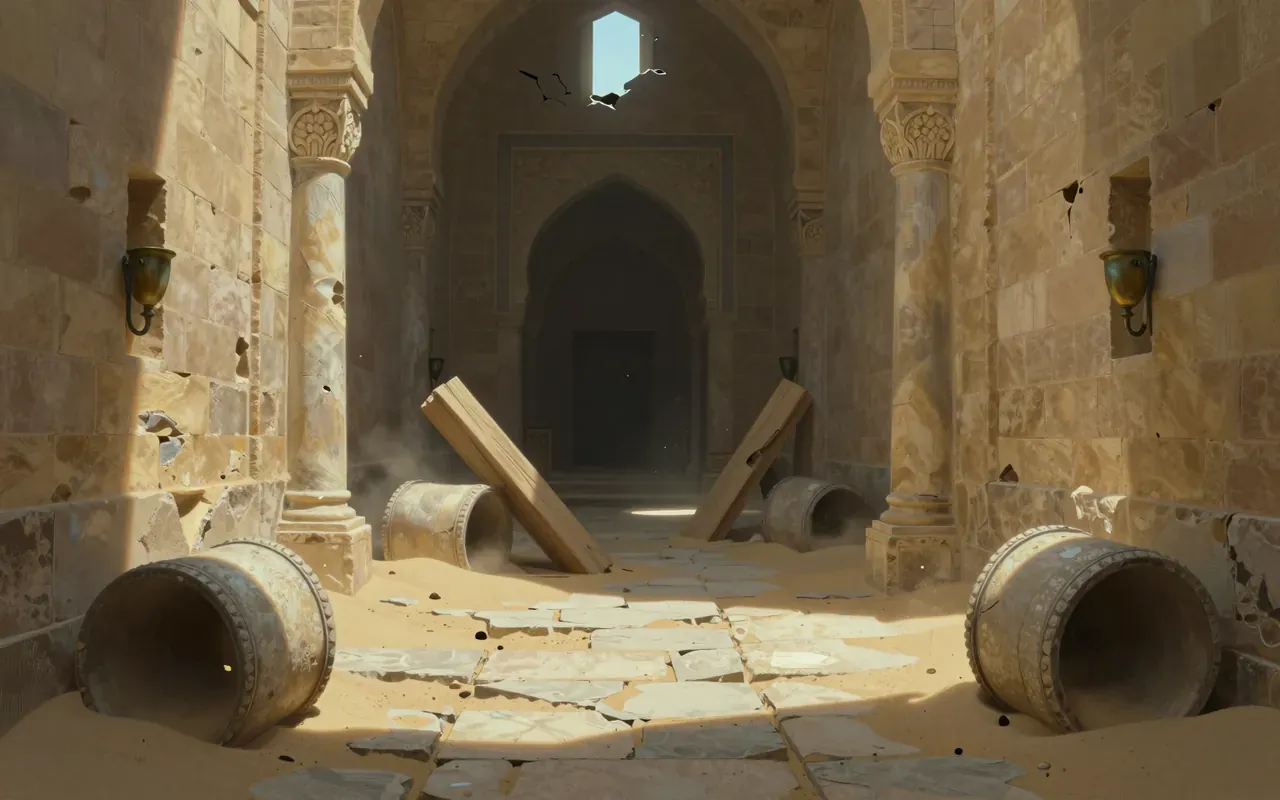
Prince of Persia: The Sands of Time (2003) is a foundational third-person action-adventure by Ubisoft Montreal that reimagined the franchise’s 2D roots as a 3D parkour-and-time-rewind system. Built around acrobatic traversal, trap navigation, and sand-infected enemy combat, it uses the Dagger of Time to rewind mistakes and freeze or kill foes — turning time into a limited, tactical resource. Farah provides AI archery assistance that doubles as environmental hazard. Health is restored at water sources; magic fountains expand maximum health. The dynamic third-person camera shifts contextually, denying manual control. Released in 2003, it was a critical and financial success — over 14 million copies sold by 2014 — and launched a trilogy.
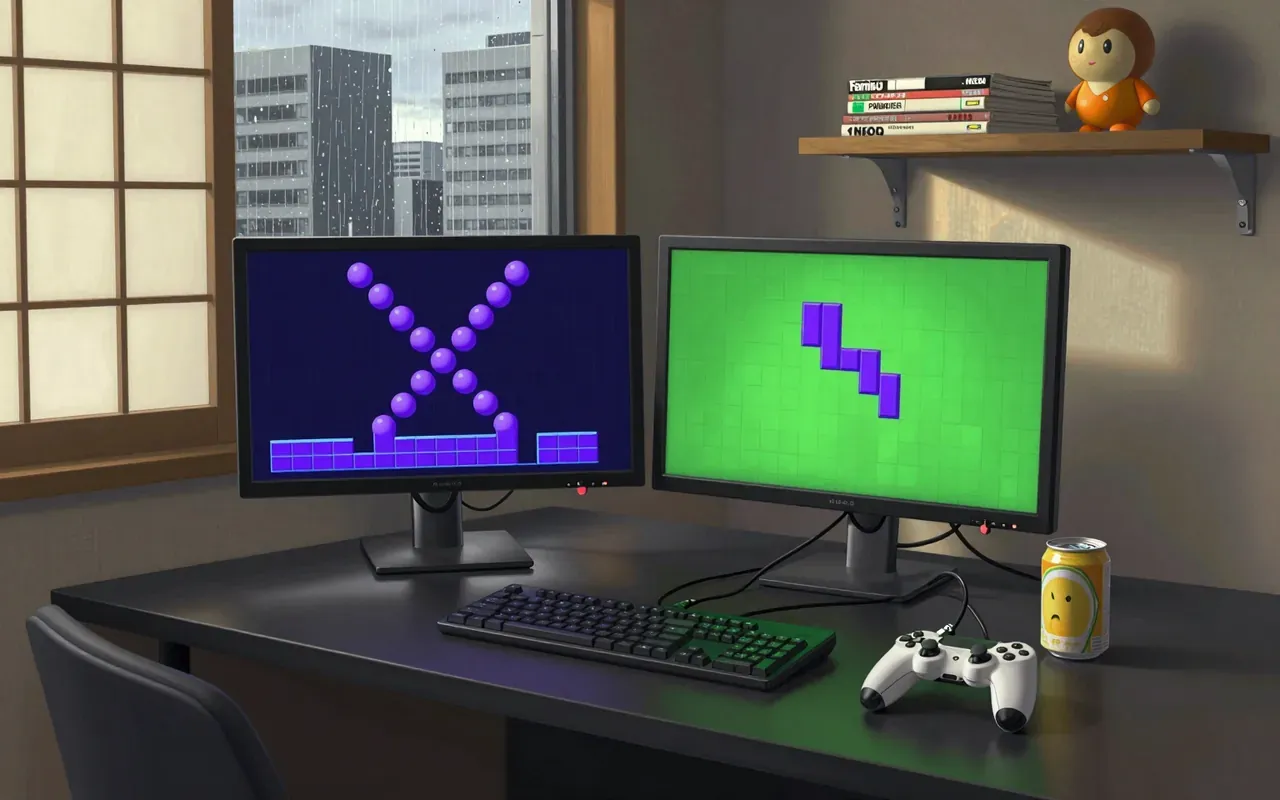
Puyo Puyo Tetris is a deliberate, unapologetic juxtaposition—not an integration—of two established puzzle systems. Its strength lies in clarity, consistency, and competitive rigour. Its limitation is structural separation: no rule, constraint, or feedback bridges Puyo and Tetris beyond shared menus and scoring.
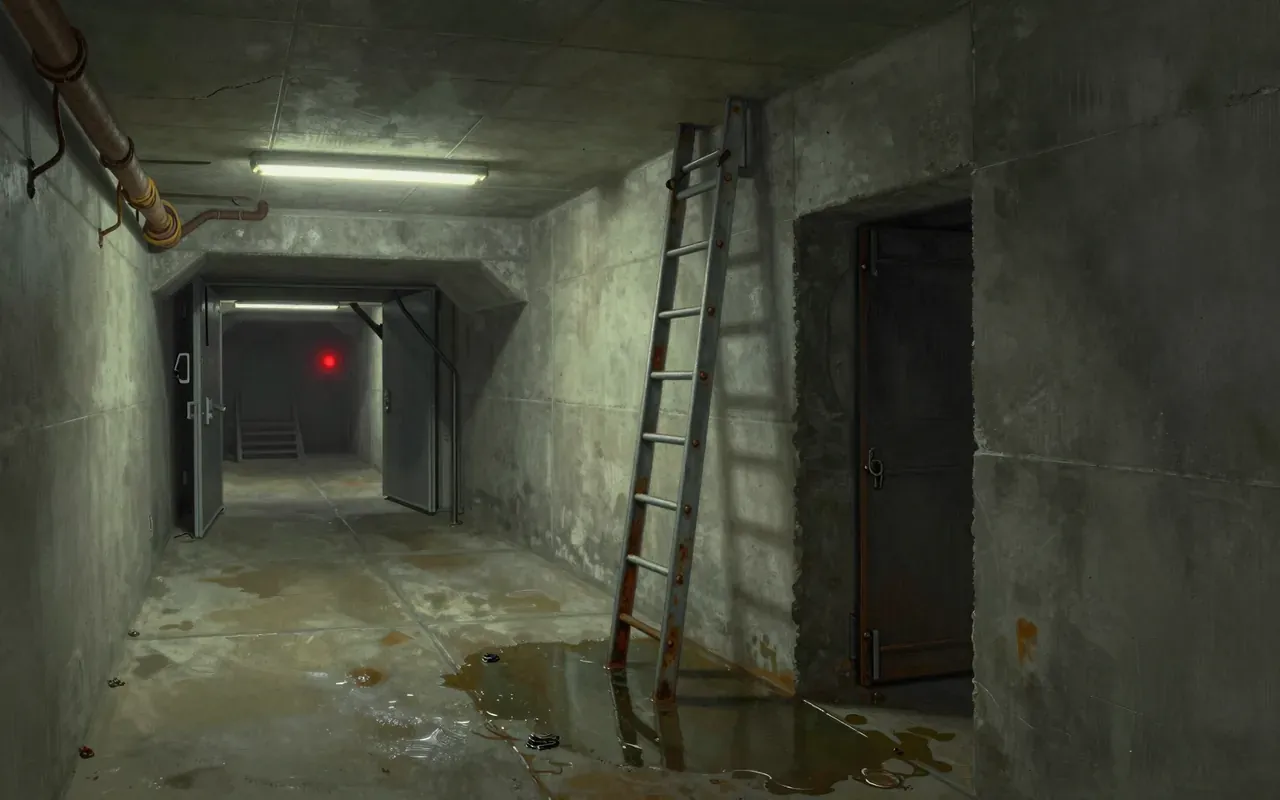
Quake 4 is a movement-first FPS built on Quake’s legacy, not its future.
Quake Champions is a fast-paced arena-based shooter built on a hybrid id Tech and Saber3D Engine. It launched free-to-play with Ranger only, added purchasable characters, and replaced loot boxes with a battle pass model. It omits VR, Vulkan, SnapMaps, and mod support. Hardware limitations prevented console release. Each character has one passive and one active ability. It departs from Quake’s legacy of Internet deathmatch and fully 3D engine innovation.
Quake II is a mission-driven, first-person shooter released in 1997 by id Software for Windows 95. It shifts the Quake series to a retaliatory human assault on the alien planet Stroggos against the Strogg. Movement is slower than Quake’s, with added crouching. Six new weapons join four redesigned Quake weapons; four Quake weapons are omitted. Power-ups include Quad Damage plus six new ones. Single-player uses repeated CGI cutscenes to mark progress through objectives like stealing a Tank Commander’s head or calling in an airstrike. Multiplayer supports deathmatch, co-op, and Capture the Flag via client/server and OpenGL. It establishes the human–Strogg war narrative that most later Quake entries follow — unlike Quake III Arena, which abandons continuity for arena combat.
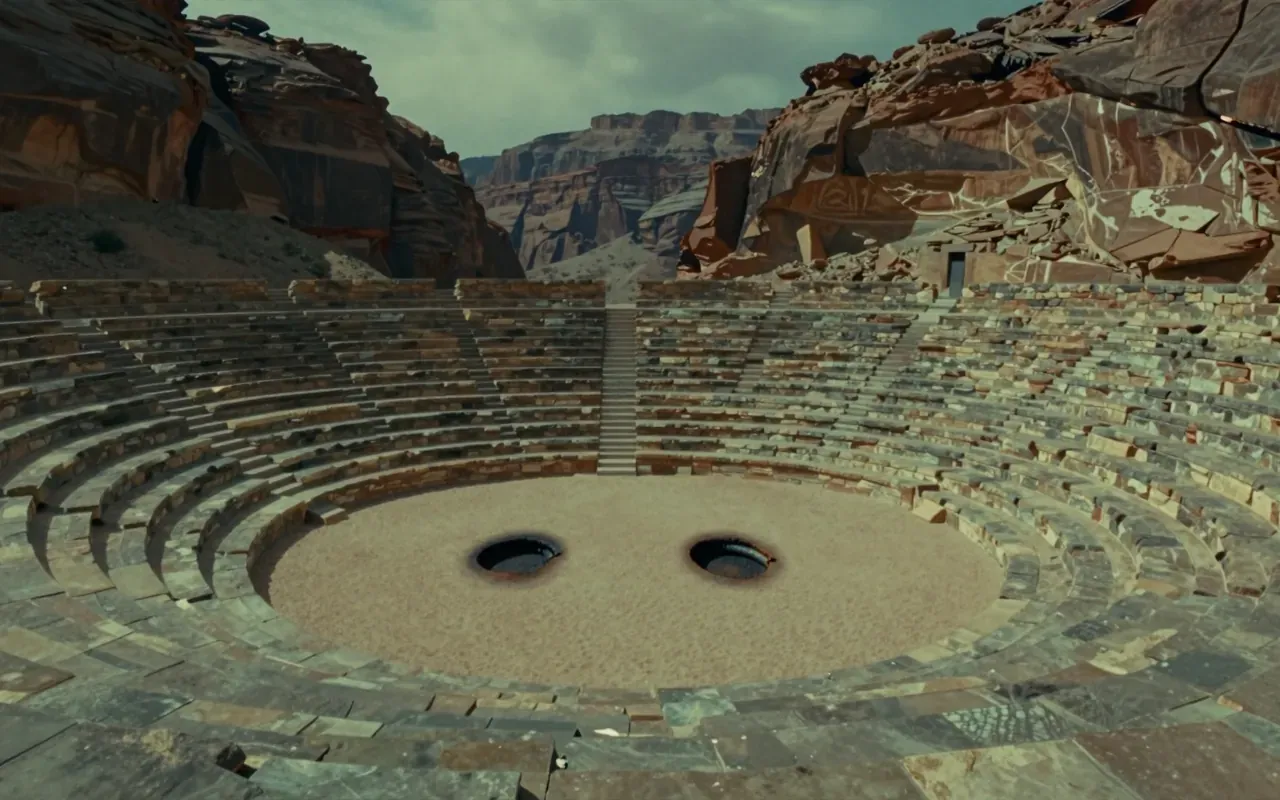
Quake III Arena (1999) is a multiplayer-first FPS built atop OpenGL hardware acceleration. It replaces narrative with tiered bot combat in the Arena Eternal — a gladiatorial setting created by the alien Vadrigar. Players advance through eight fixed tiers, mastering role-specialised weapons that spawn at fixed map locations on timed intervals. Tournament maps serve as two-player duels and function as 'boss battles' in single-player. No story campaign exists. Combatants include figures drawn from Doom, Quake, and Quake II.

Radiant Historia is a tightly authored, system-led RPG where timeline navigation and grid combat are interlocked — not decorative. Its constraints (DS hardware, reset enemy positions, fixed branches) are visible, consistent, and consequential. It asks for attention to sequence, spatial relationships, and cause-and-effect — not endurance or memorisation.
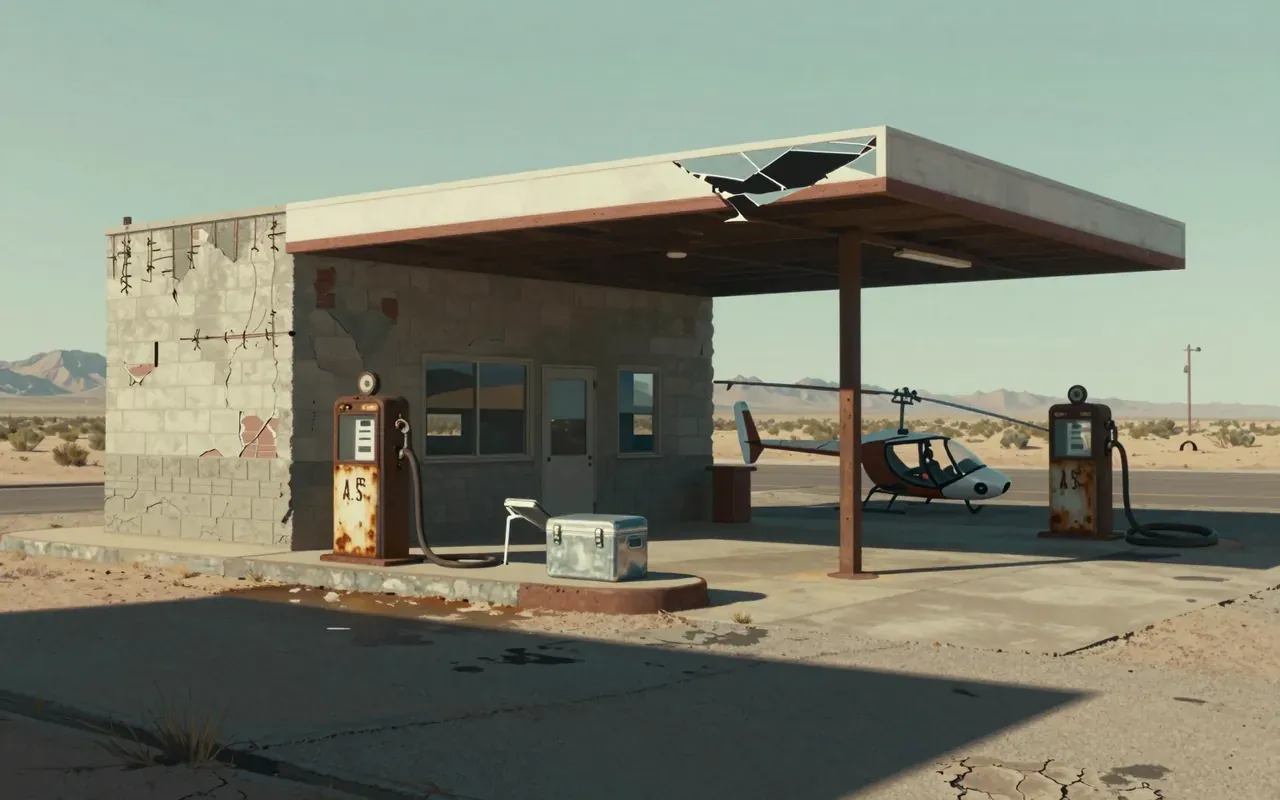
Rage 2 is a first-person shooter co-developed by Avalanche Studios and id Software. Players control Walker — a customisable Ranger — in an apocalyptic open world. Combat blends firearms, the wingstick, Nanotrite powers, and Overdrive, a mode that increases gun damage, heals Walker continuously, and boosts enemy energy drops. Vehicular combat includes trucks, buggies, and gyrocopters — and players may drive any vehicle in the world. The game offers no verified details about platforms, release date beyond 2019, sales, length, frame rate, resolution, player count, or critical reception.
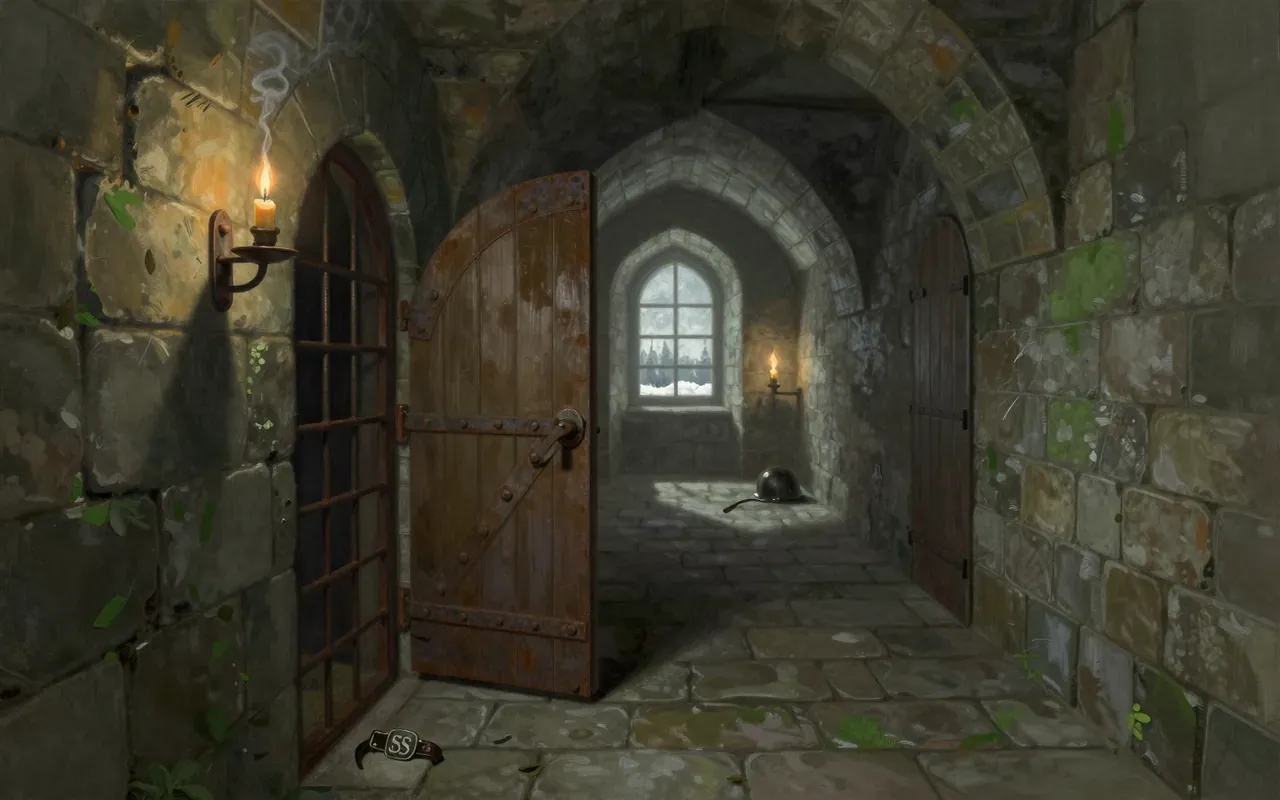
Return to Castle Wolfenstein is a first-person shooter built on id Tech 3, where the player navigates levels and fights enemies including Nazi soldiers, undead, and experimental mutants. In the game's single-player mode, players use combat and stealth to complete objectives across 27 levels in 7 missions. Missions begin with a mission briefing, providing information about objectives, and may include activities such as reaching the end of an area, defeating all the enemies, collecting certain items, eliminating specific enemies, or stealth missions. The player acquires weapons and ammo throughout levels, including for pistols, submachine guns, rifles, grenades, rockets, flamethrowers, and experimental weapons including the Venom, a minigun, and the Tesla Gun, which shoots electricity at enemies. Some weapons have alternate fire modes, such as rifles that have a scope, or shoot projectiles. The player can also engage in melee combat by either kicking or using a knife. Damage is location-specific, with headshots damaging enemies more than other areas. Special items can be collected that increase the player's health, ammo, armor, or stamina.
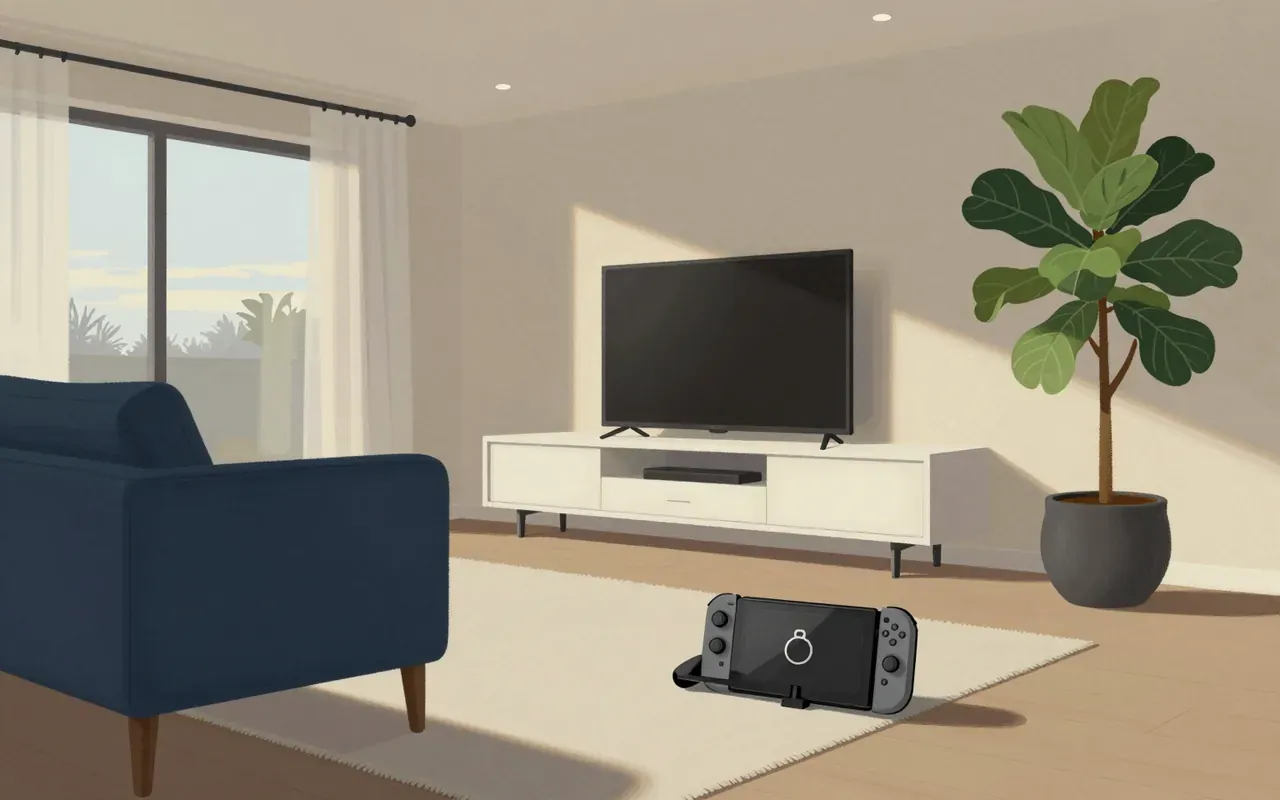
Ring Fit Adventure is an exercising role-playing video game developed and published by Nintendo for the Nintendo Switch. It requires two physical components—the Ring-Con and the Leg Strap—to translate real-world movement and strain into in-game actions. Its main mode is a turn-based RPG where overworld navigation (running in place, jumping via Ring-Con squeeze-and-release) and combat (exercise-based attacks, abdominal press defence) are fully dependent on those accessories. Exercises are colour-coded by target muscle group: red for arms, blue for legs, yellow for core, green for yoga. The design prioritises embodied routine over mechanical depth or narrative ambition.
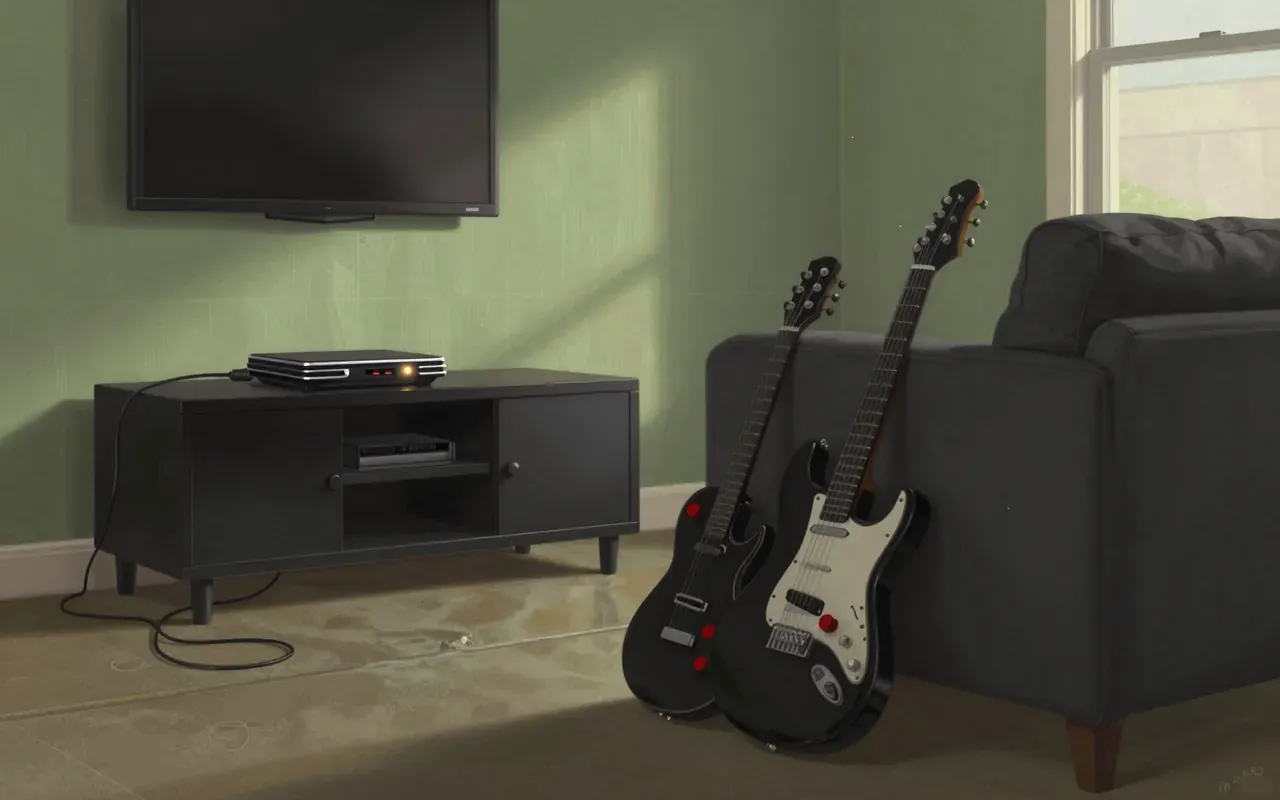
Rock Band 2 is a four-player rhythm protocol that turns living rooms into rehearsal spaces. It works only when all inputs are present and all players are physically engaged. Its design is procedural, not expressive. Its longevity came from weekly DLC, not depth.

Shin Megami Tensei II is a first-person, post-apocalyptic RPG for the Super Famicom, developed by Atlus’s Creative Department 1st Production (Team Maniax). It uses lunar phase to gate demon negotiation, law/chaos/neutrality alignment to shape story and recruitment, and fusion with inheritance and accident mechanics to build party composition. It demands system literacy, tolerates opacity, and rewards consistent alignment play.
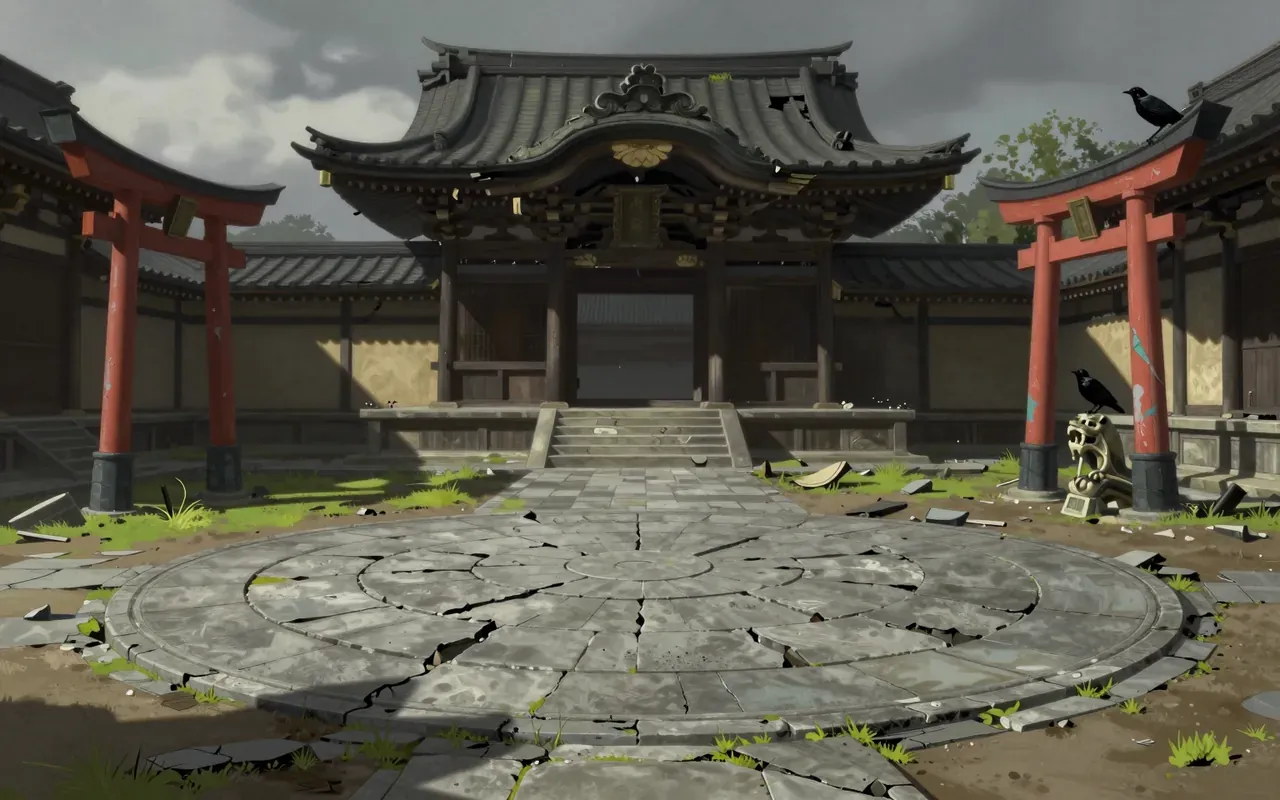
Shin Megami Tensei III: Nocturne is a PlayStation 2 RPG developed by Atlus and directed by Katsura Hashino. Released in 2003, it was the first main-series Megami Tensei game released in the United States (2004). Its design centres on a weakness-driven 'Press Turn' battle system, demon negotiation and fusion, and navigation across a symbolic 2D world map and grid-based 3D dungeons with automatic mapping and first-person 'Look' functionality. It sets difficulty at the start (Normal or Hard) and features a silent protagonist named during the opening.
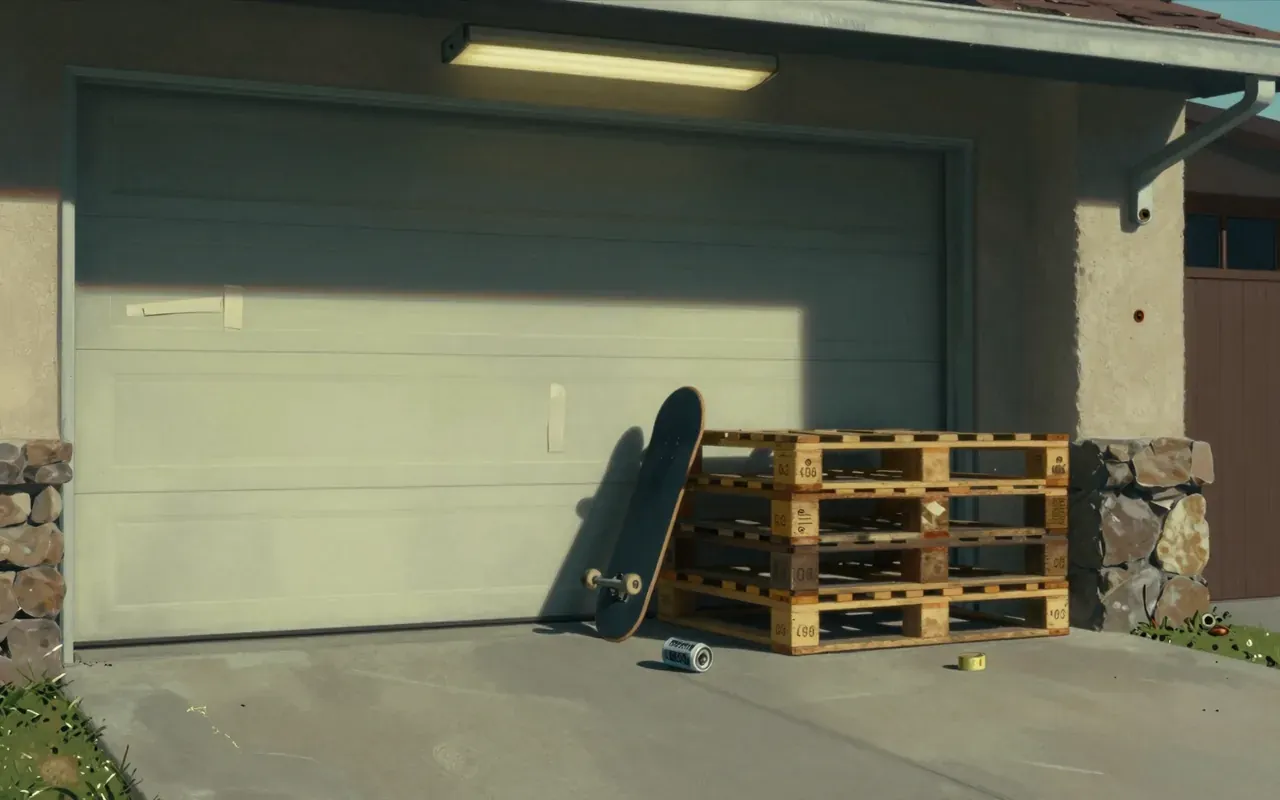
Skate 2 is a 2009 skateboarding game developed by EA Black Box and published by Electronic Arts. Set in the fictional city of New San Vanelona, the single-player career mode follows a skateboarder released from jail five years after being arrested in the first game, Skate, who is tasked with popularising skateboarding in the city again after devastating earthquakes, avoiding security guards hired by the company 'Mongocorp' who have bought most of the city's property.
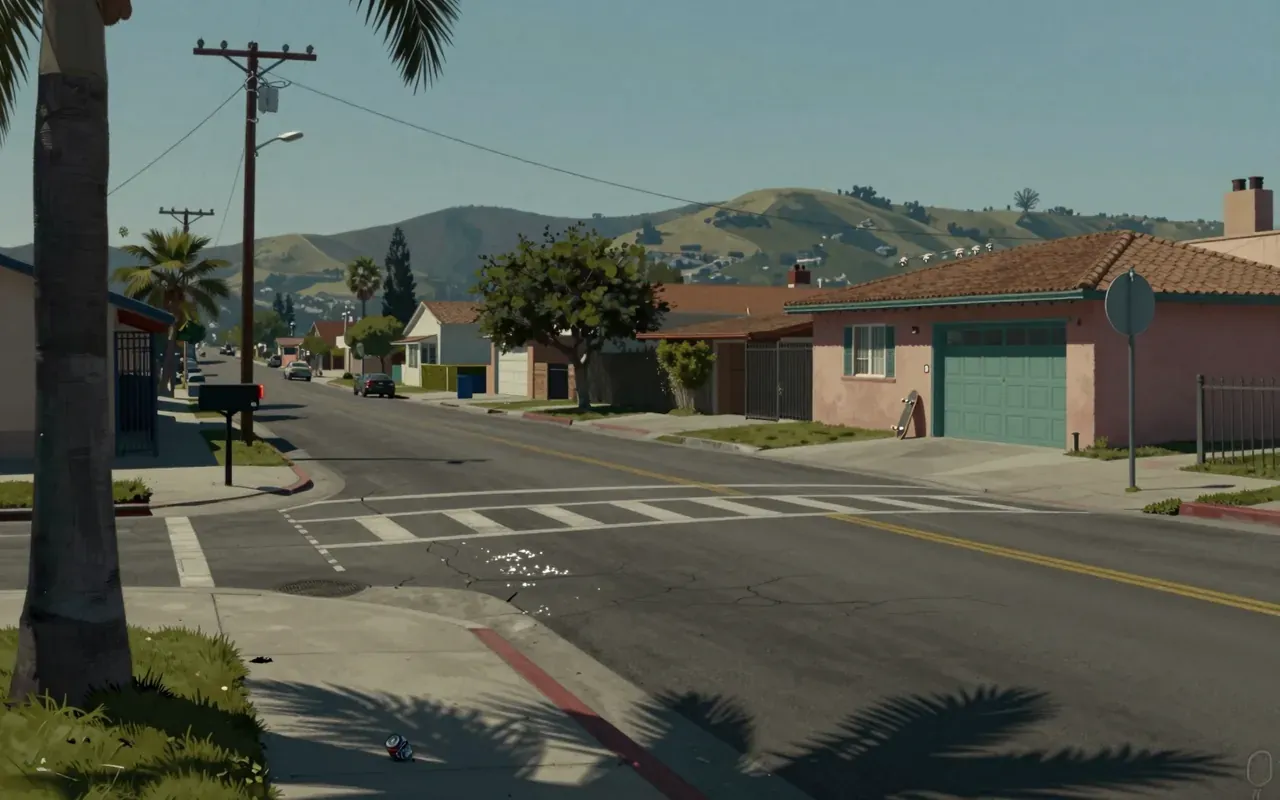
Skate 3 is a third-person open-world skateboarding game developed by EA Black Box in 2010. It tasks players with selling one million skateboards by completing challenges, after failing Jump The Shark. It introduces Easy and Hardcore difficulty modes, an optional tutorial (Skate School), and a park builder (Skate.Park). Online-only multiplayer at launch required DLC for offline party play.

Soulcalibur III is a tightly wound, offline-only PlayStation 2 fighting game that binds narrative, strategy, and character systems into one progression loop. It demands interplay across modes, rewards precision in timed inputs, and refuses to separate personality from equipment. Its absence of online play is a structural choice—not an omission. It is dense, deliberate, and uninterested in hand-holding.
Splatoon 3 refines Nintendo's ink-based shooter without altering its foundational logic. It delivers tight, readable combat where weapon choice directly shapes movement, coverage, and team function. Its strength lies in consistency—not expansion.
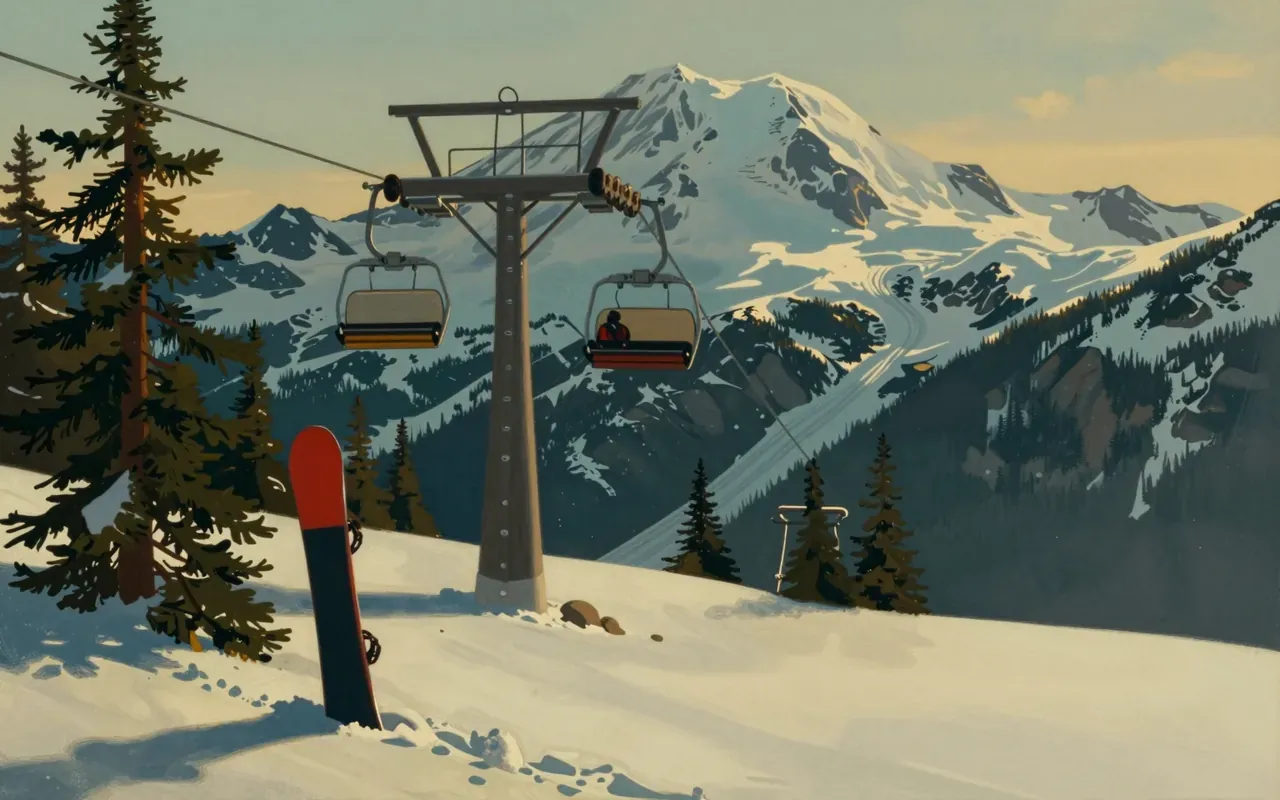
SSX (2000) is a PlayStation 2 arcade snowboard racer where tricks directly fuel speed via a boost meter. Developed by EA Vancouver (then EA Canada) under the EA Sports BIG banner, it replaces simulation with rhythm, timing, and terrain-as-launchpad. Uber Tricks, rivalries, and open-world structure belong to sequels — the original delivers tight, repeatable races across discrete global courses. It works because tricks are mandatory, not decorative. It wears thin because it offers no stakes beyond the next jump.
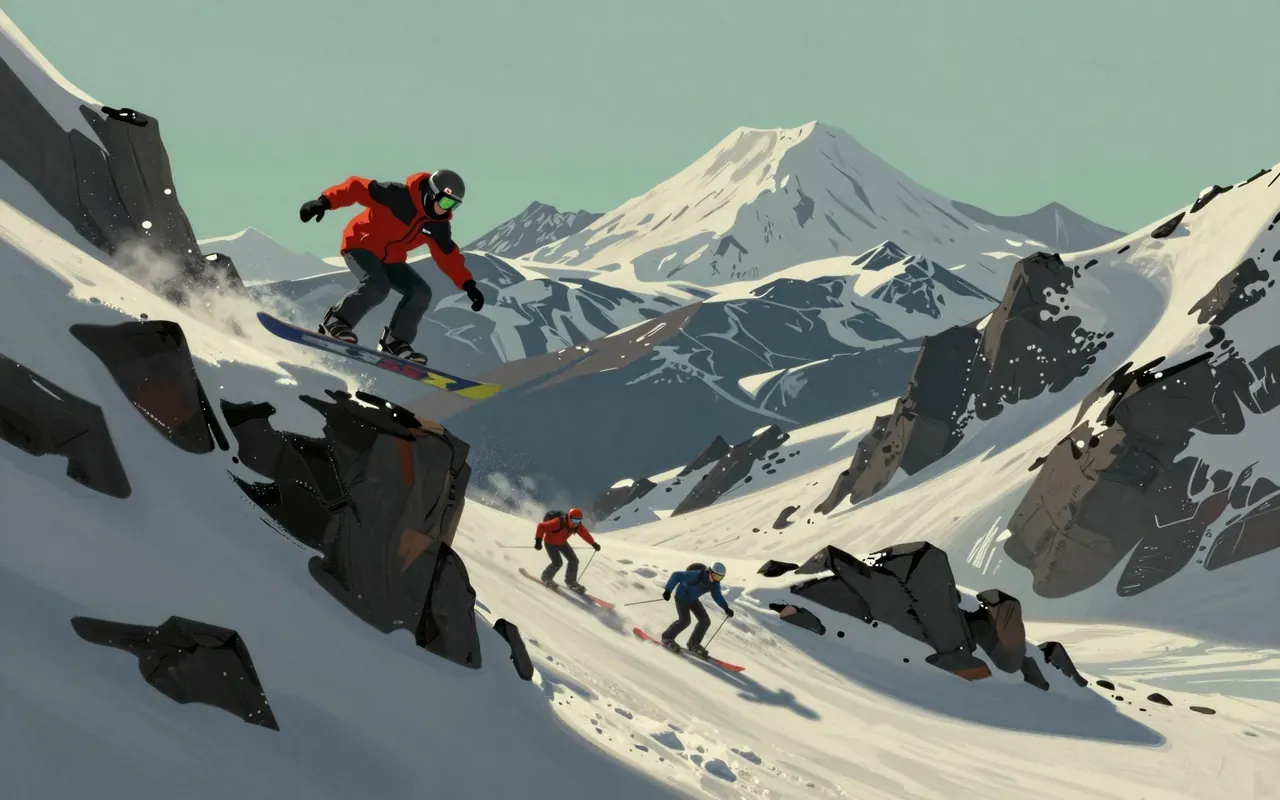
SSX Tricky is a 2001 arcade snowboarding game developed by EA Canada for PlayStation 2, GameCube, and Xbox. It builds on SSX with twelve characters, Uber Tricks triggered by adrenaline, a rivalry system activated by knocking down opponents, and progression tied to medals and trick books. Tracks include remixes of Merqury City and Tokyo Megaplex, plus Garibaldi and Alaska.
Star Wars: The Old Republic is BioWare’s first MMORPG. It launched in 2011. It is built around eight faction-locked classes, each with a three-act, level-gated storyline. Players choose Republic or Sith Empire but can align morally anywhere on the light/dark spectrum. Advancement comes through missions, exploration, and combat. Skills unlock automatically. Heroic missions require multi-player cooperation and reset daily. Player choices permanently alter storylines and affect NPC companions. All dialogue is fully voiced and uses a Mass Effect–style system. BioWare Austin was founded in March 2006 specifically for this project, with assistance from BioWare Edmonton. In 2023, BioWare Austin handed the game to Broadsword Online Games.
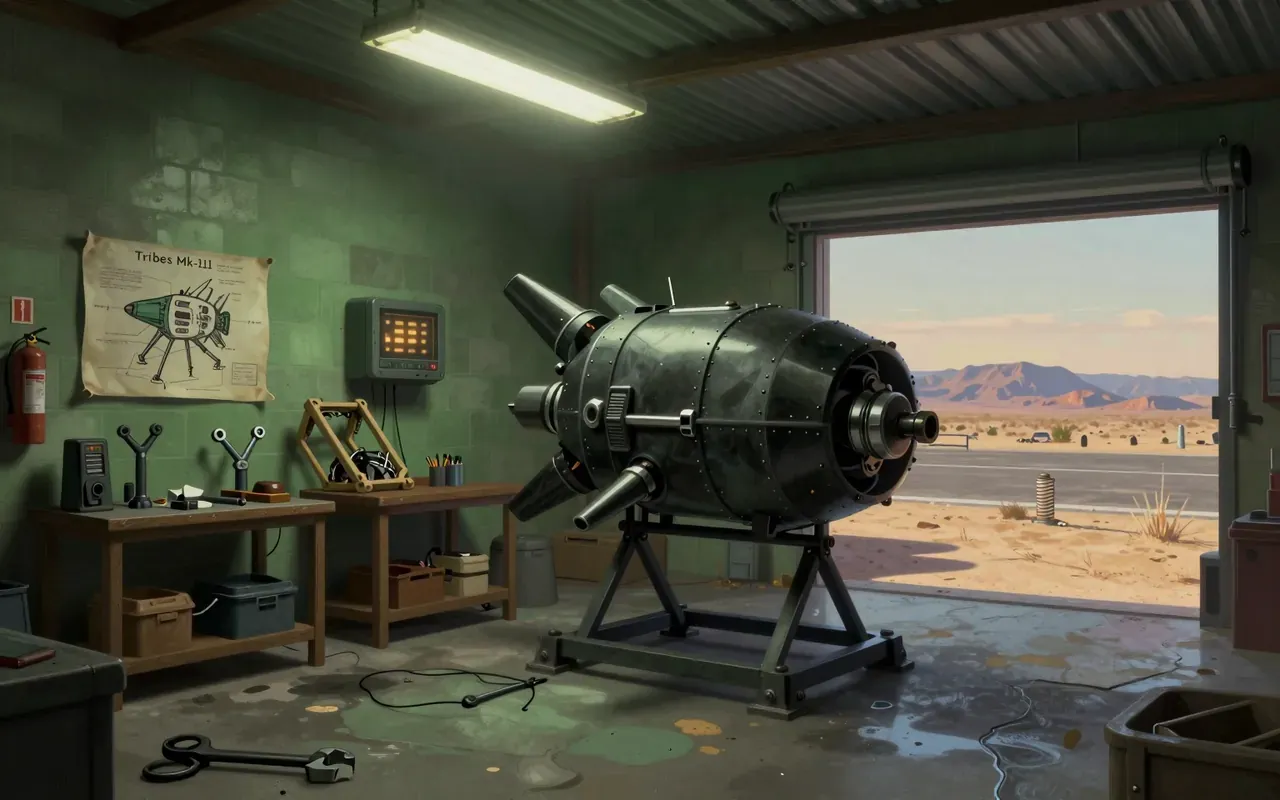
Starsiege: Tribes is a squad-based, multiplayer, first-person shooter developed by Dynamix as a side project alongside Starsiege. It features 40 outdoor maps, jetpack-assisted movement, physics-based skiing, and armour-class-dependent loadouts. Its dominant mode is Capture the Flag, where flags must be at base to score. It was one of Dynamix's best-known titles.
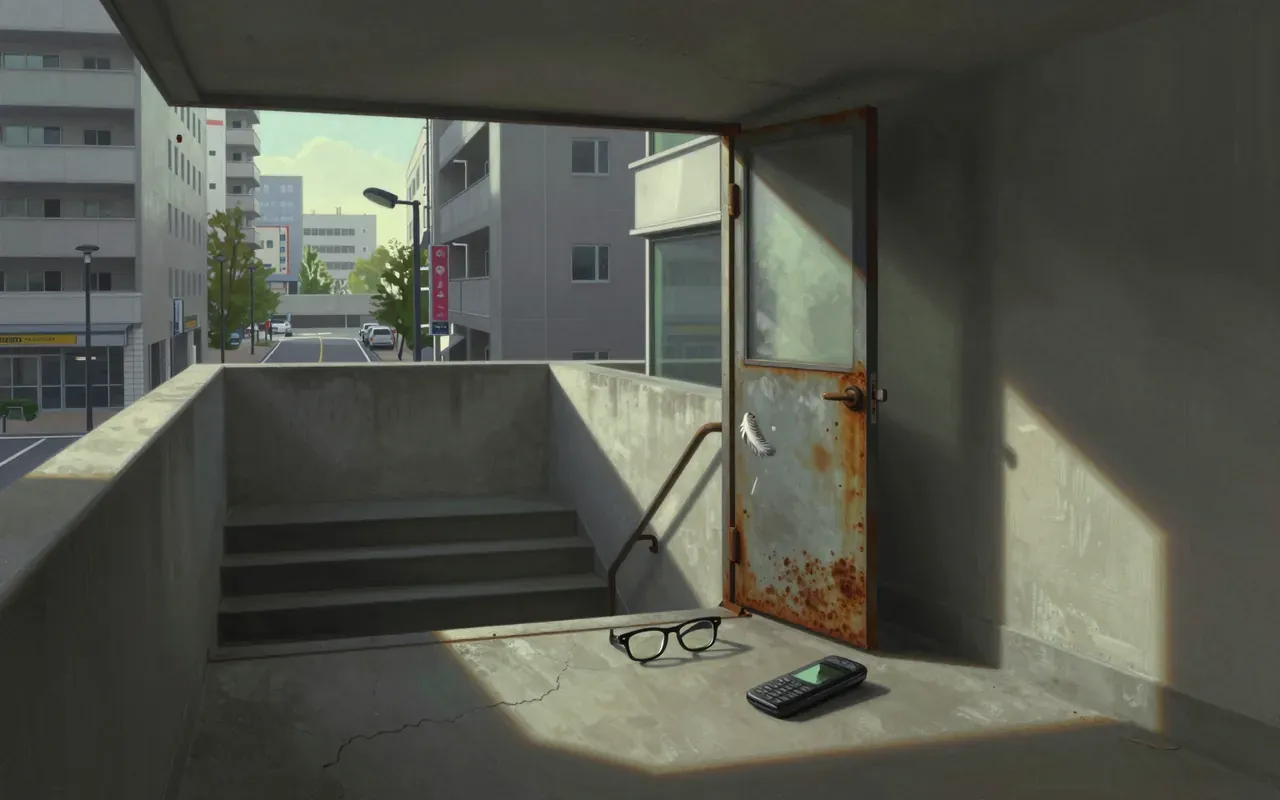
Steins;Gate is a visual novel built around two precise, low-friction inputs — answering calls and selecting words in texts — that drive tightly wound branching narratives about causality and consequence. It demands sustained reading and rewards attention to detail, not dexterity or speed. Its design reflects its themes: small actions ripple across time, but only if you’re paying close enough attention to notice the trigger.
Street Fighter 6 is a 2D fighting game released in 2023 by Capcom. It is part of the Street Fighter franchise, which began in 1987 and has sold over 50 million copies. It features Fighting Ground (versus/training/arcade), World Tour (3D story mode with avatar progression), and Battle Hub (online lobby with emulated arcade titles).
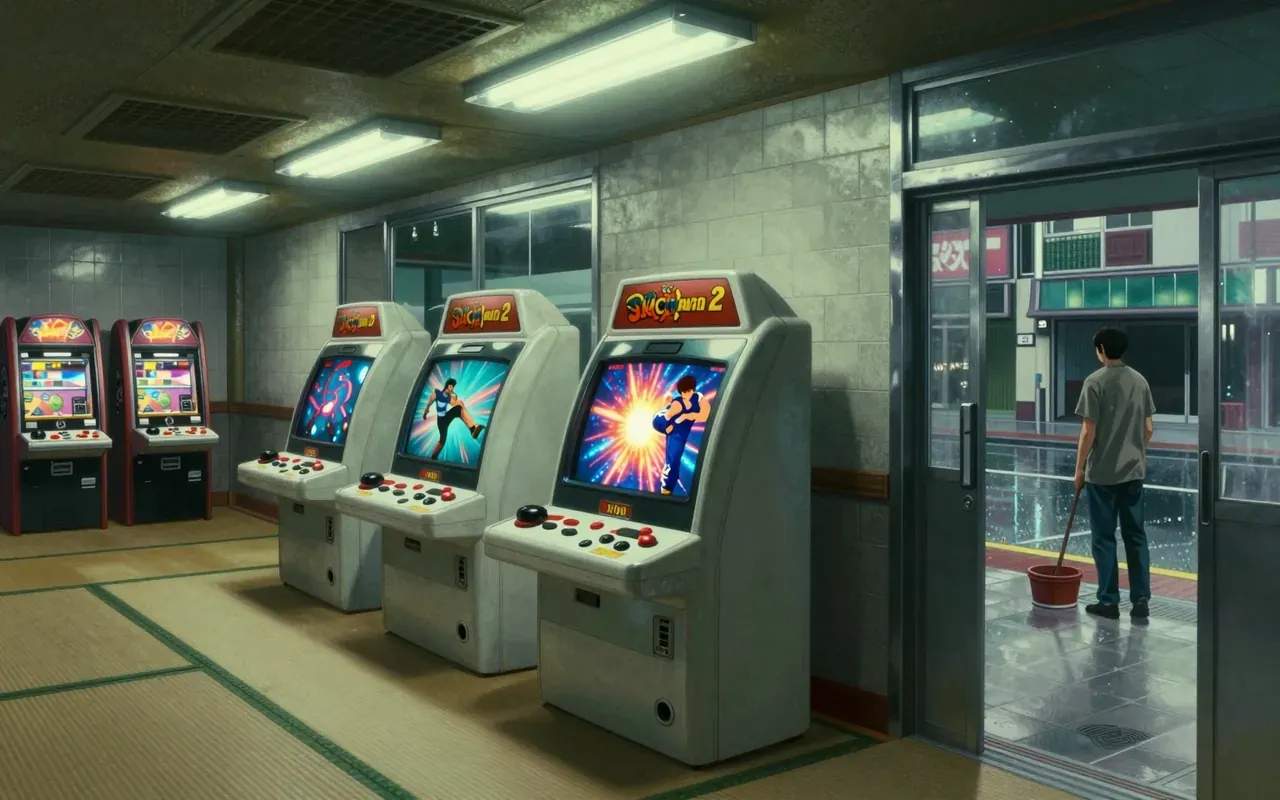
Street Fighter Alpha 2 is a 1996 arcade fighting game developed and published by Capcom. It retains core mechanics from its predecessor—three-level Super Combo gauge, Alpha Counters, Air-Blocking, and Fall Breaking—and introduces the Custom Combo system, which replaces Chain Combos and allows players to chain basic and special moves freely while the Timer Gauge lasts. Guy and Gen retain limited Chain Combo ability. Each character gains two Alpha Counters (punch- and kick-initiated). Single-player mode features eight matches culminating in a character-specific final opponent and includes a secret rival encounter triggered by meeting certain conditions. The game was ported to PlayStation, Sega Saturn, Super Nintendo, and Windows.
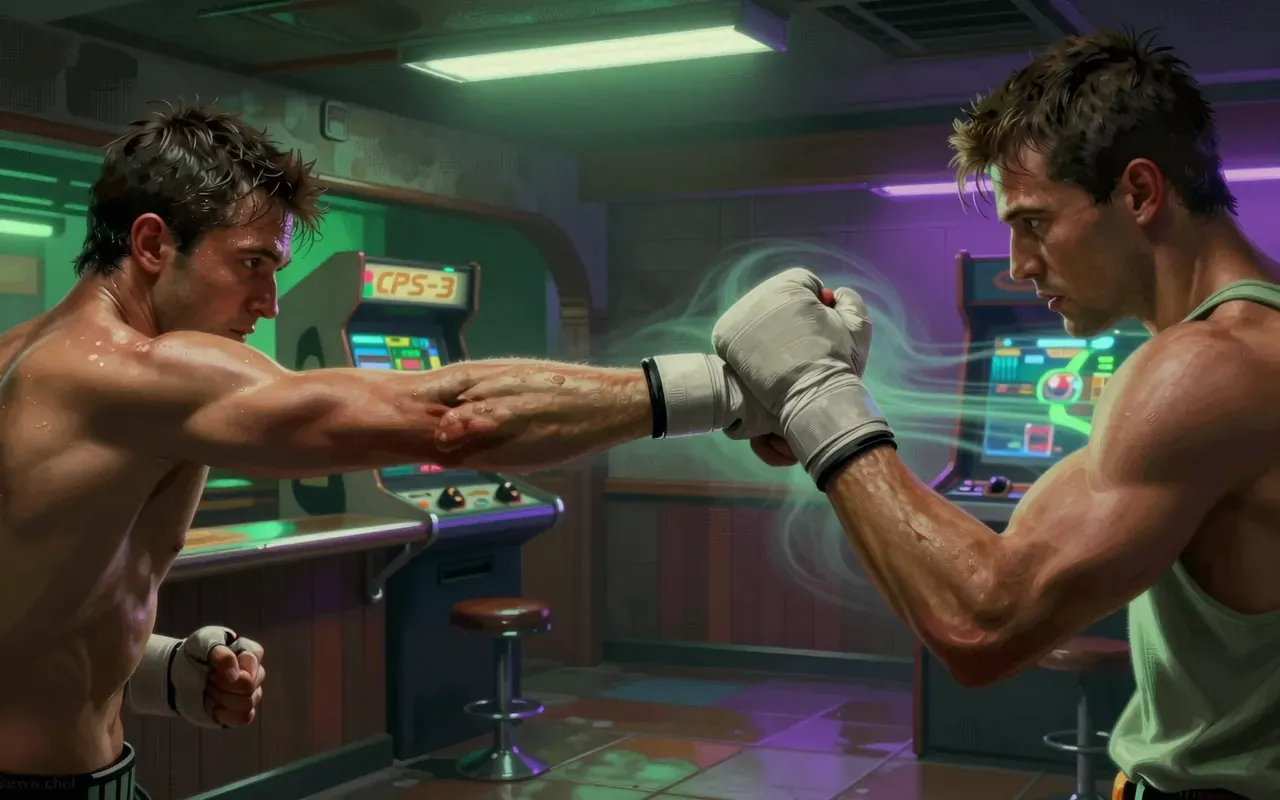
Street Fighter III discards familiarity to enforce precision. Its parry system removes all passive defence. Every dash, leap, or super jump exists only as long as your timing holds. It is not generous. It is not nostalgic. It is calibrated.
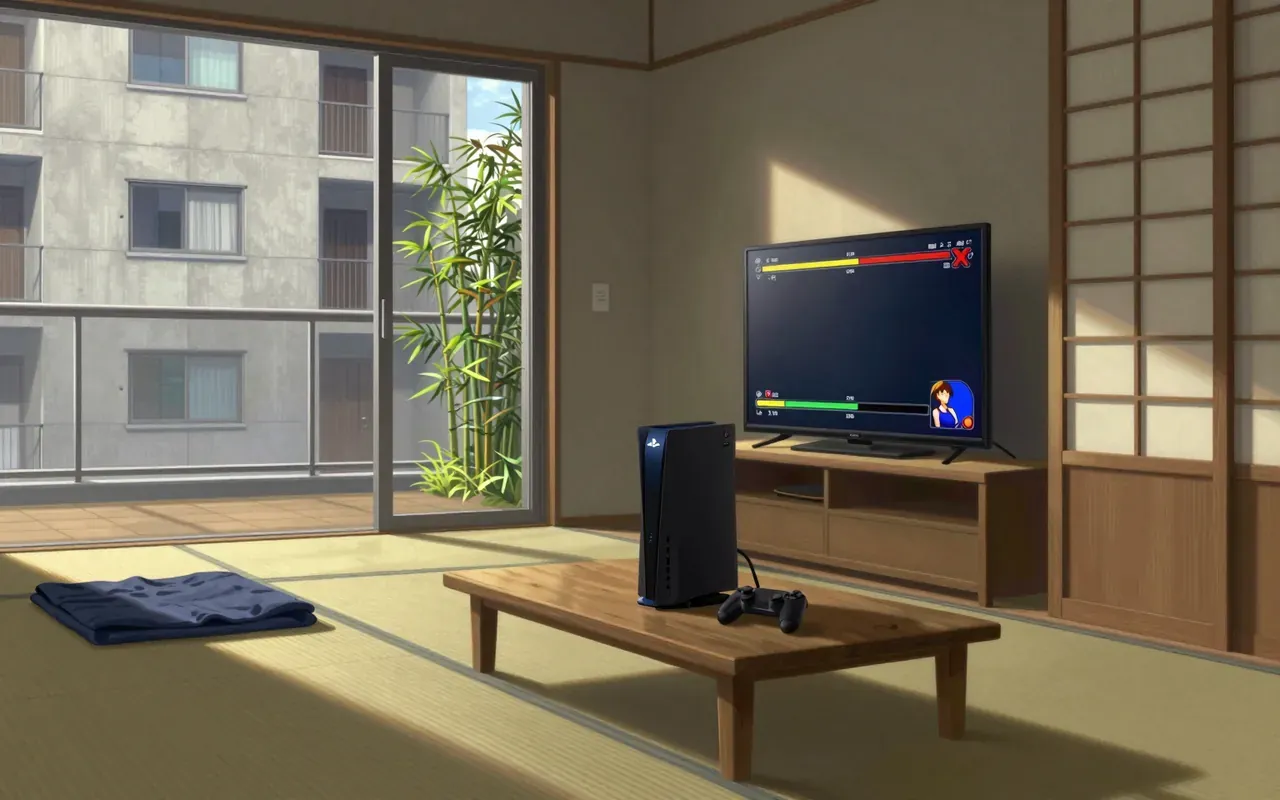
Street Fighter V is a 2D fighting game released in 2016. It uses two resource gauges — EX (built by landing attacks) and V-Gauge (built by receiving attacks) — to power special moves, counters, dodges, and transformative abilities. The visible Stun Meter incentivises aggressive, consecutive offence. It launched with minimal single-player content and poor online features. It failed to meet its sales target of 2 million units in March 2016.
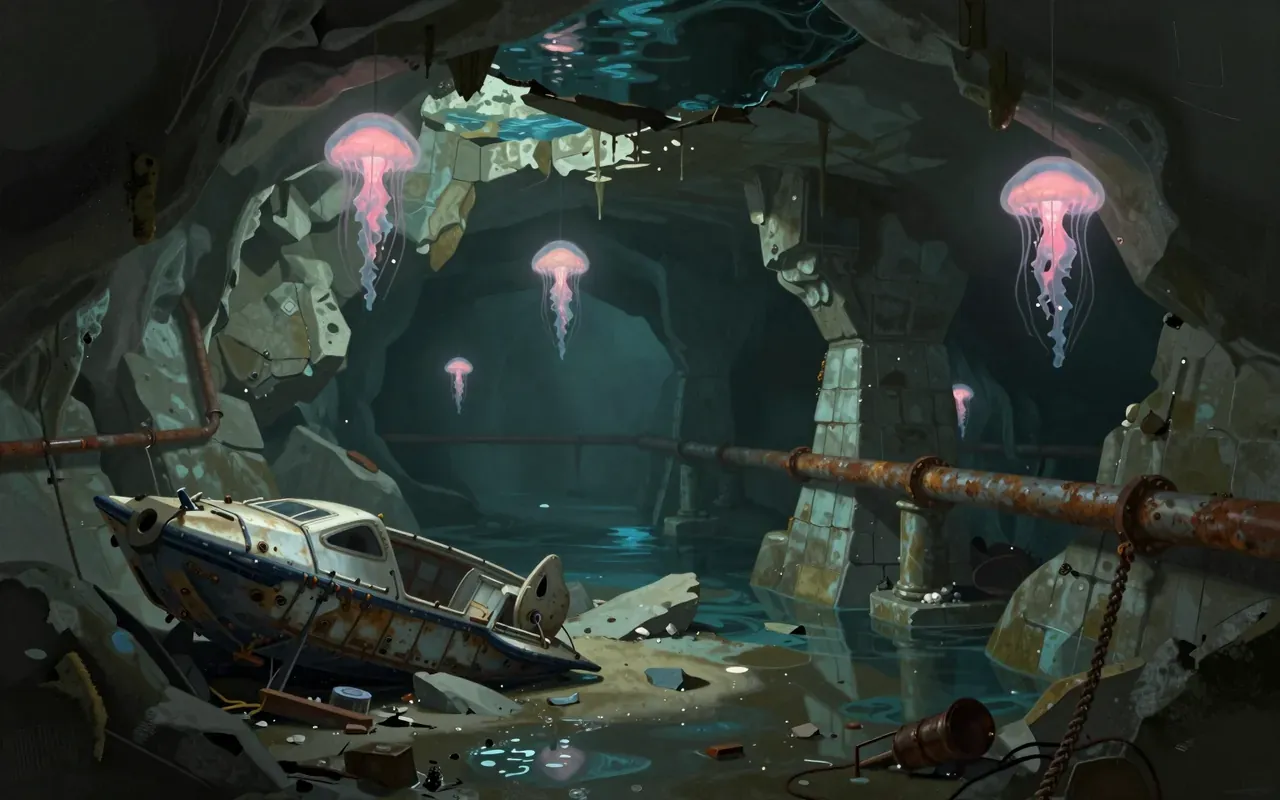
Subnautica is a first-person, open-world survival action-adventure game set mostly underwater on the alien ocean planet 4546B. You play as Ryley Robinson, sole survivor of the Aurora crash. Your objectives are to gather resources, survive local flora and fauna, and escape.
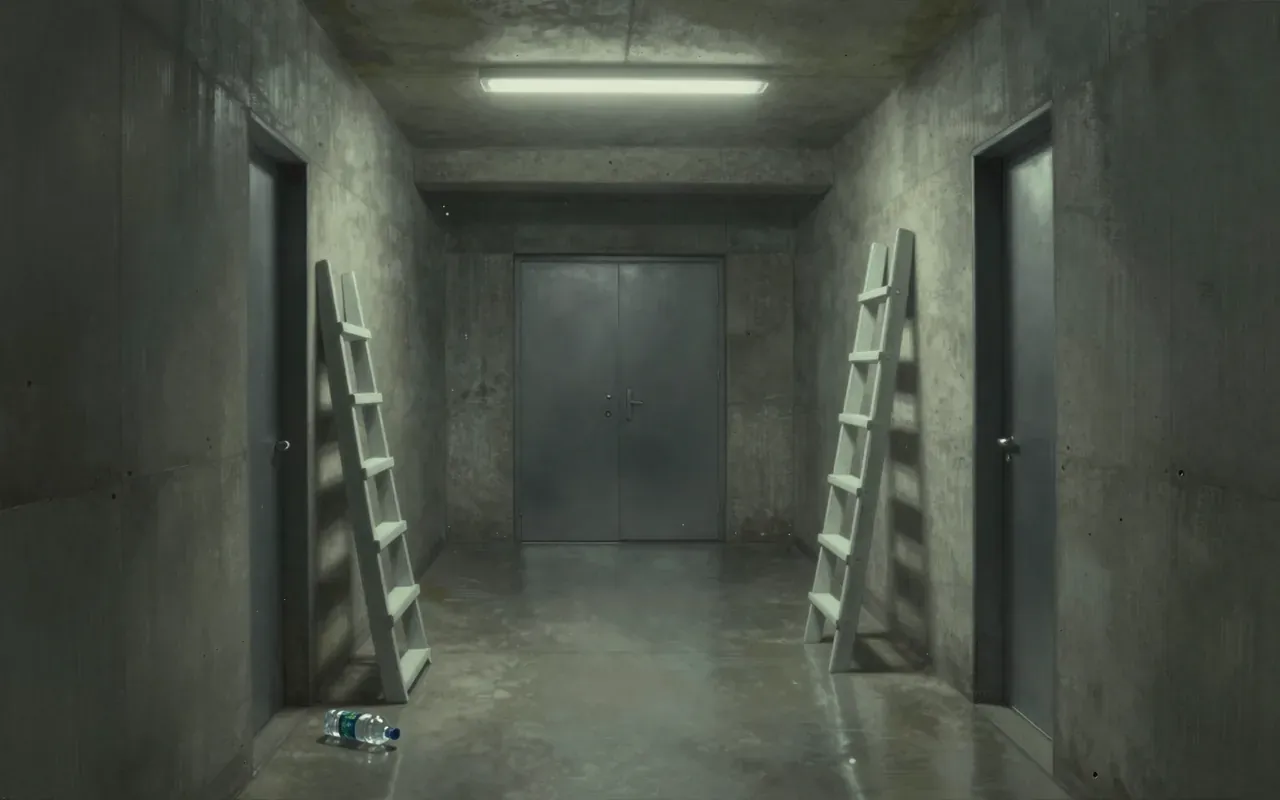
Superliminal is a first-person puzzle game built entirely around forced perspective. Players manipulate objects by moving them while holding them, then dropping them at new apparent distances to scale them up or down. This enables climbing, bridging, and unlocking. Trompe-l'œil elements require precise alignment to become interactive. Puzzles involve navigating rooms to reach exits that are closed, elevated, or hidden. The game establishes a single, elegant perceptual rule—and sticks to it rigidly.
Tactics Ogre is a tightly wound tactical RPG where turn order is dynamic, consequence is immediate, and narrative choice reshapes the world physically and morally.
Team Fortress 2 is a 2007 multiplayer first-person shooter by Valve Corporation for Windows, Xbox 360, and PlayStation 3. Players join RED or BLU teams and select from nine classes, each with fixed primary, secondary, and melee weapons. Victory depends on class synergy and objective execution. Critical hits randomly triple damage for some weapons. Objectives are introduced via video and announced mid-match by the Administrator.
Tekken 2 refines the original's 3D fighting mechanics with new defensive and movement options—attack reversals, back throws, chain-throws, and character-specific sidesteps—while retaining the infinite plane and four-button layout. Its home console version adds structured training and endurance modes (Survival, Team Battle, Time Attack, Practice) with health carryover systems that shape long-session play. Unlock progression ties directly to Arcade Mode completion, and hardware constraints shaped the PlayStation port's development focus.
Tekken 5 is a deliberate course correction. It strips away Tekken 4’s experimental terrain and positional mechanics to restore spatial fairness and rhythmic flow. It introduces the hot system — a narrow but impactful defensive tool — and cosmetic character customisation via in-game currency. Stages are either symmetrical boxes or barrier-free and infinitely scrolling. Floor cracking is present but singular and non-disruptive. Devil Within adds a beat ‘em up minigame. The game delivers on its core promise: consistent, readable 3D fighting with no hidden variables.

Tetris Effect is a rhythm-driven, single-player reinterpretation of Tetris built for immersion, not competition. It adds music-synchronised stages, a time-stopping Zone mechanic, and a meta-game progression layer—but strips away multiplayer, scoring depth, and rule flexibility.

The King of Fighters XIV is a 2016 2D fighting game developed by KOF Studio and published by SNK. It is the fourteenth main installment in The King of Fighters series. It is the first game in the series to be rendered entirely in 3D, although gameplay is restricted to a 2D plane. The game was released worldwide for the PlayStation 4 in August 2016 and ported to Windows and Japanese arcade cabinets in June 2017.
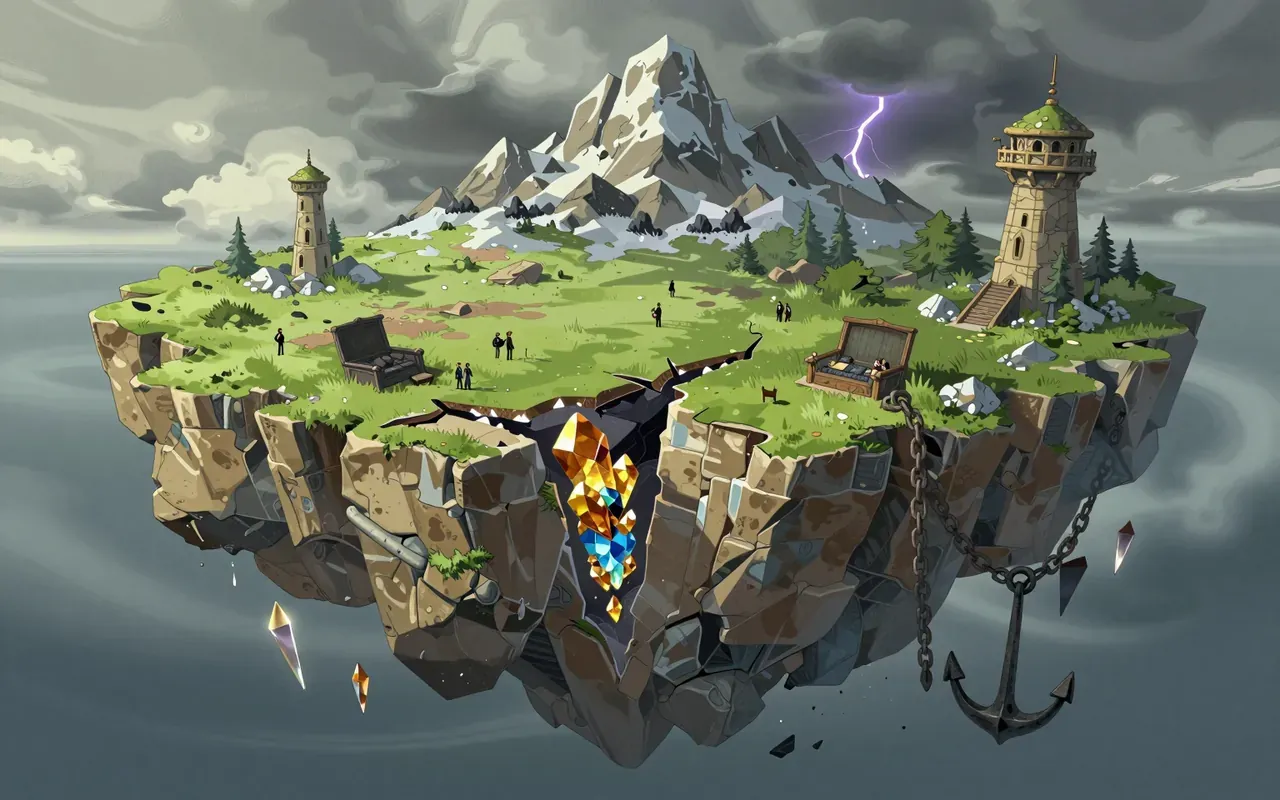
Tears of the Kingdom is an expansion of Breath of the Wild’s open-world action-adventure framework, adding verticality through sky islands and the Depths, new traversal and construction mechanics, and four mandatory story dungeons.

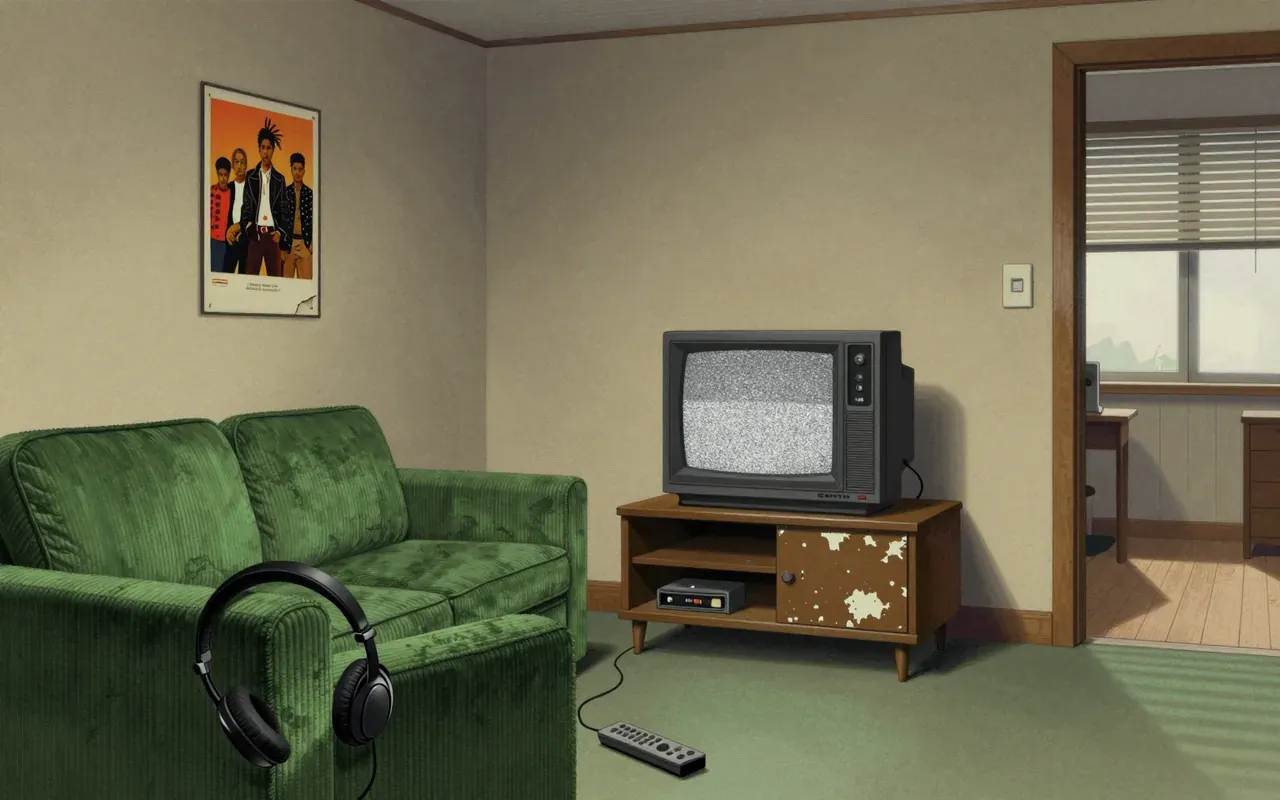
The Stanley Parable is a narrative-first game about obedience, authorship, and the fiction of player agency. It offers no combat, no progression, and no persistent world — only walking, pressing, opening, and listening. Its design is a provocation: every choice you make is anticipated, narrated, and contained.
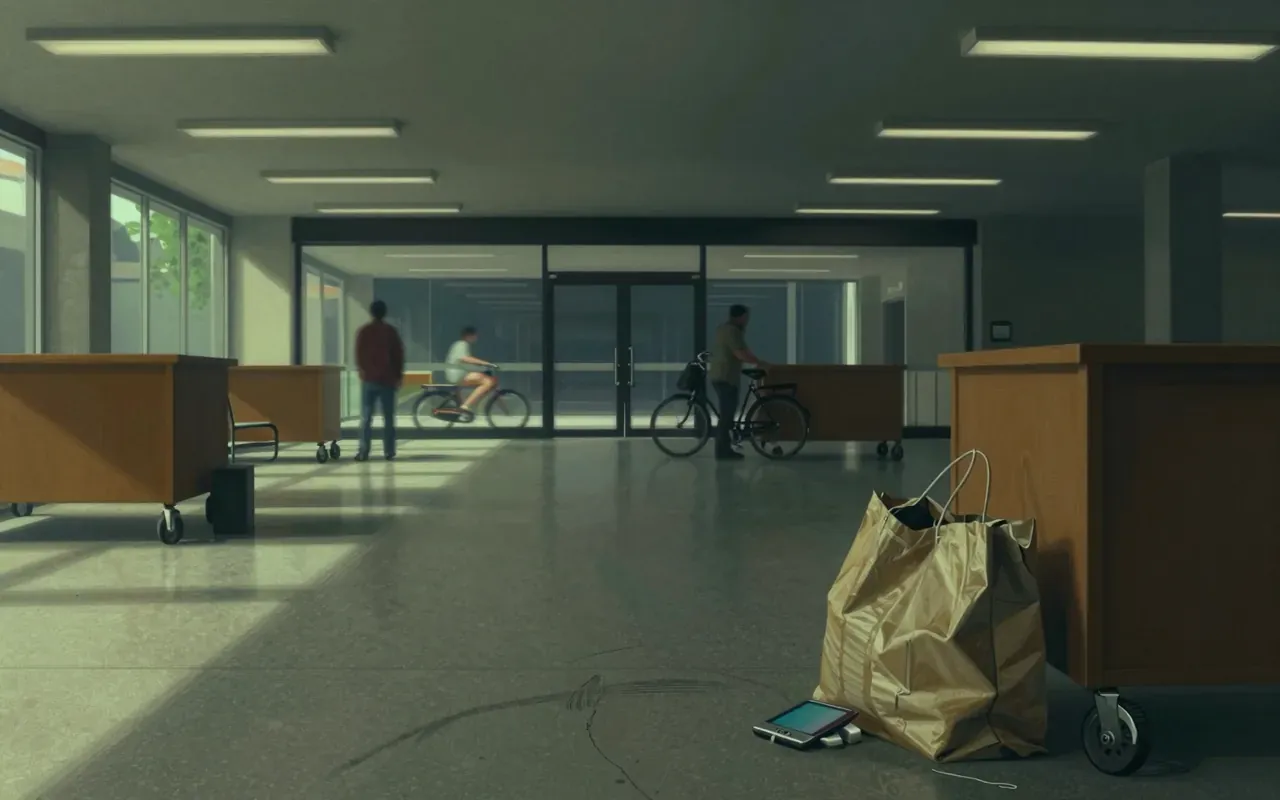
A DS-native action RPG where combat, exploration and narrative all hinge on using both screens at once — scanning crowds, syncing attacks, and satisfying Reaper-imposed gates in Shibuya.
ToeJam & Earl is a 1992 Sega game that turns Earth into a stack of floating islands. Players control alien rappers searching for 10 spacecraft wreckage pieces. Movement is in 3/4 perspective. Islands are randomly generated and linked by elevators. Falling off an island drops the player to the layer below, requiring elevator relocation. The game supports single-player and cooperative two-player modes. In two-player mode, proximity unifies the screen and unlocks exclusive dialogue; separation splits the screen. Presents deliver temporary power-ups, but their contents are unknown until opened — and the 'Randomizer' power-up scrambles effects. Earthlings act as unpredictable NPCs, some hostile, some helpful.
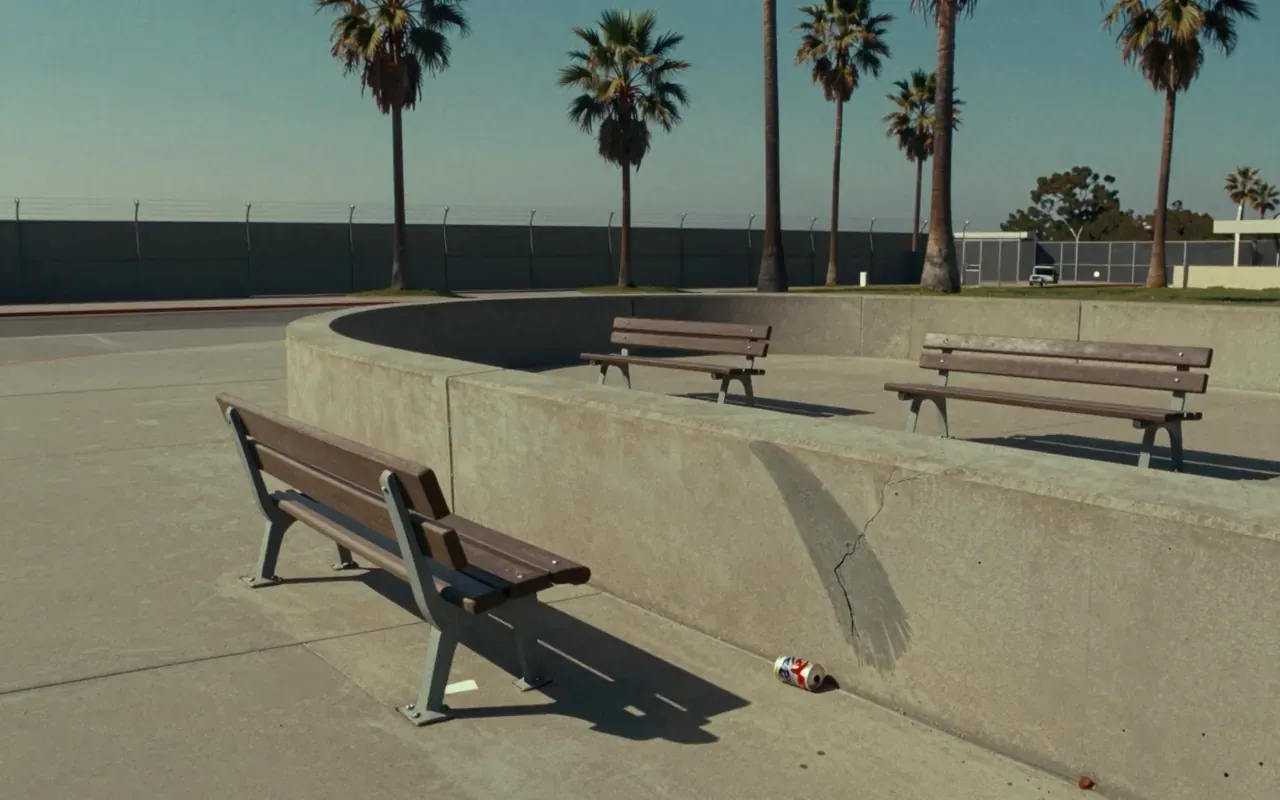
Tony Hawk's Pro Skater is a tightly wound trick-chaining machine. It asks for precision, repetition and split-second decisions — then rewards them with escalating points, visual flash and palpable momentum. Its constraints — fixed camera, two-minute windows, diminishing trick scores — are not limitations. They are the architecture of its appeal.
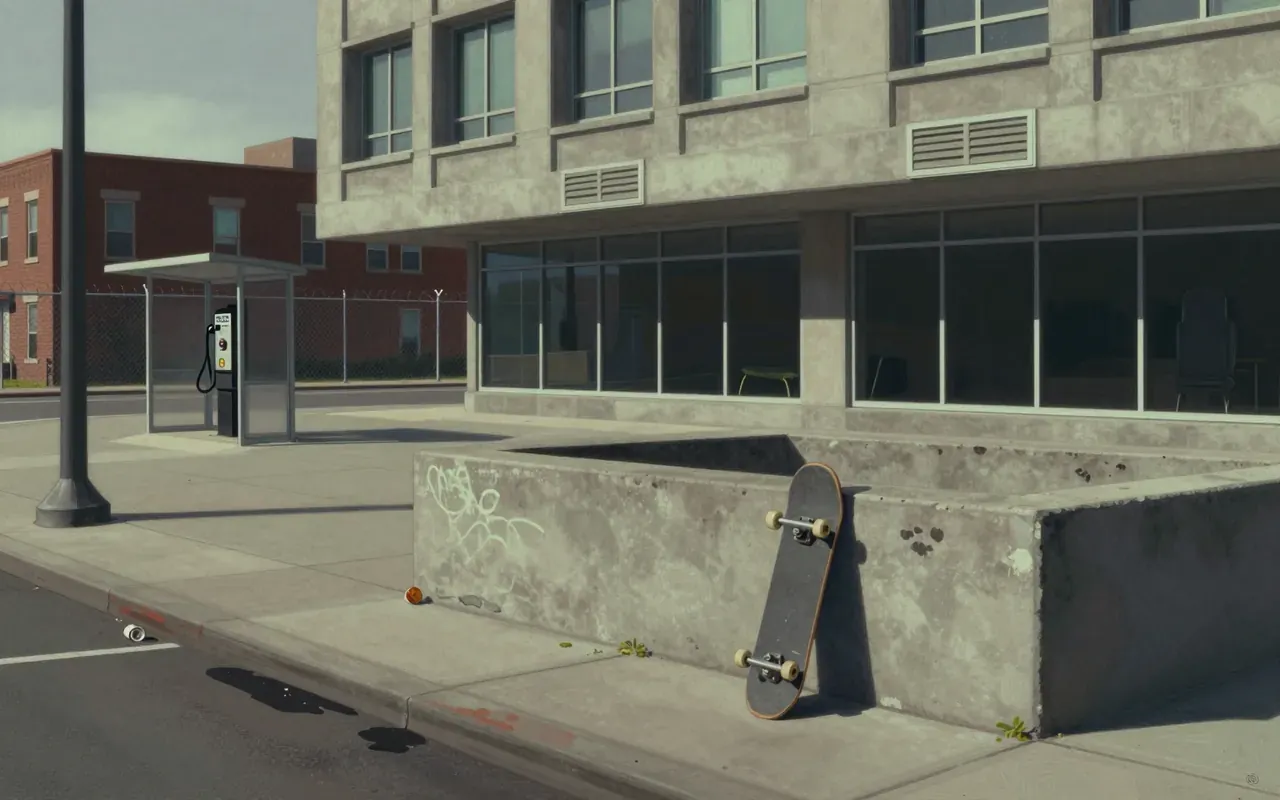
Tony Hawk's Underground (2003, Neversoft) shifts the franchise from abstract high-score chasing to a story-anchored, exploration-led skate experience. Its trick system remains tightly tuned — ollies initiate combos, grinds demand stick precision, and the balance meter enforces constant correction. Narrative goals provide structure but little weight. Customisation and level editing add longevity. It rewards spatial fluency and repetition, not cinematic immersion.
Torchlight II refines the ARPG loop with class-driven builds, overland pacing, and co-op—but ships with brittle networking and zero narrative weight. It works because it knows its limits.
Tribes 2 is a multiplayer-only shooter built for large-scale, movement-driven team tactics — not solo heroics.
Tsukihime is a foundational Japanese visual novel that establishes narrative consequence as core gameplay — through death-triggered tutorials, rigid route architecture, and a completionist epilogue. Its 2000 release at Comiket 59 and immediate patching reflect its origins as an iterative, community-facing object — not a polished product. It asks for patience with prose, tolerance for adult content, and acceptance of its narrow interactivity. It gives back tightly controlled emotional arcs and structural clarity — nothing more.
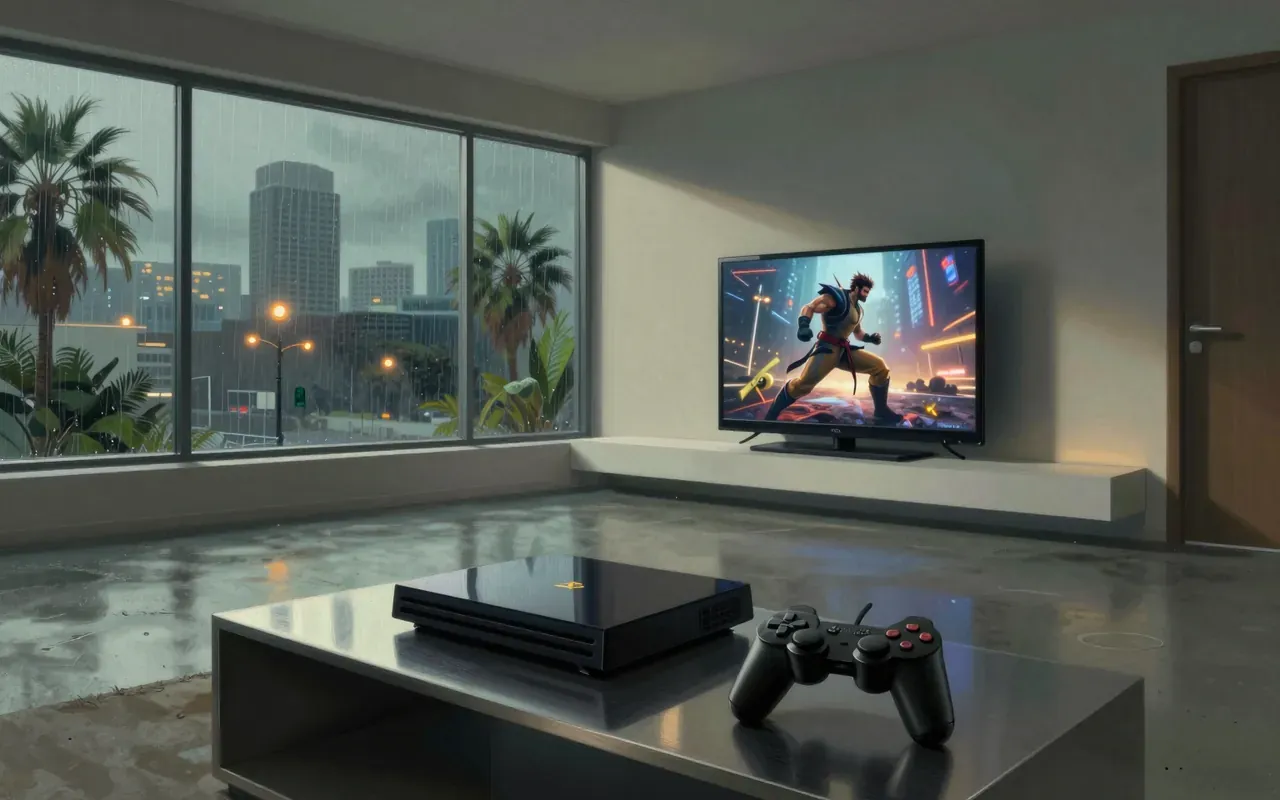
Ultimate Marvel vs. Capcom 3 is a 2011 tag-team fighting game developed by Capcom’s Division 2 and Eighting. It uses a simplified three-button control scheme and emphasises rapid character swapping, aerial exchanges with meter manipulation, and the X-Factor mechanic for temporary damage, speed, and health regeneration boosts. Victory goes to the team that defeats all three opponents or holds more cumulative health at round end.
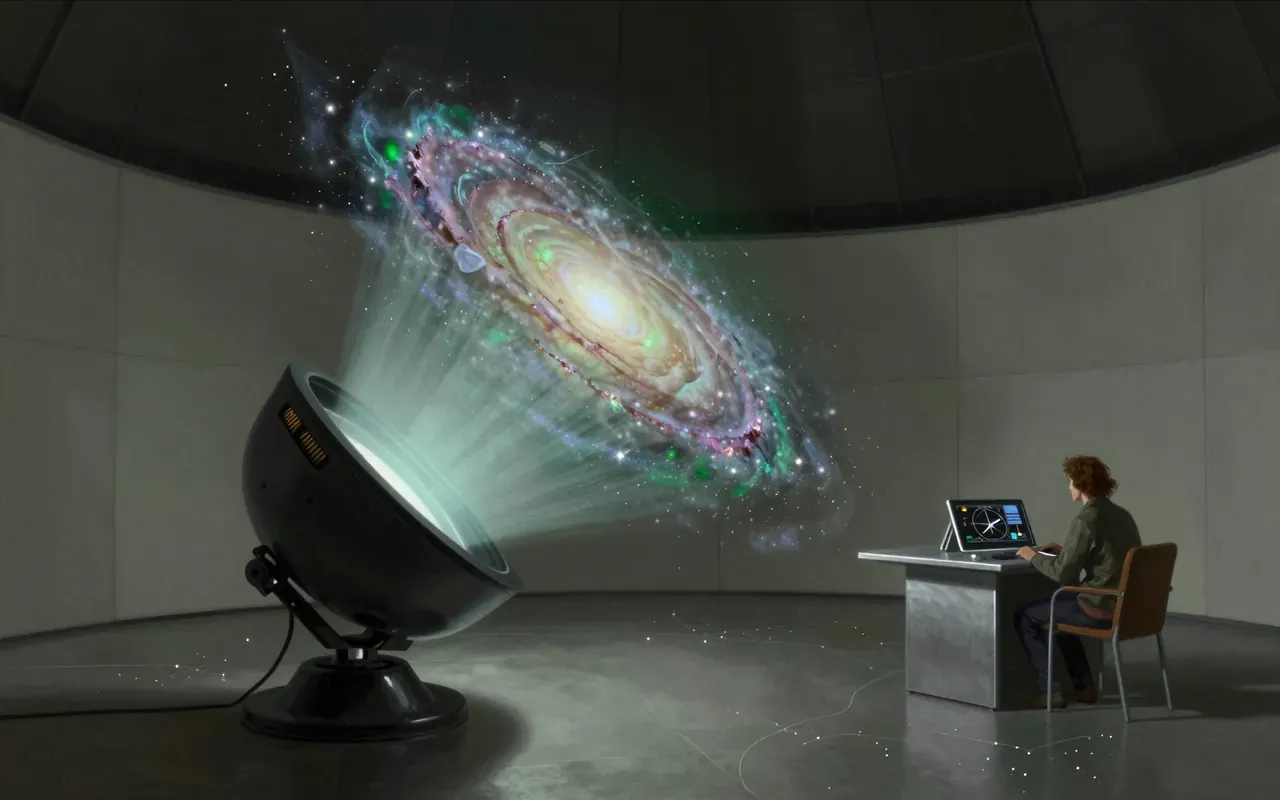
Universe Sandbox (2008) is a physics simulation tool masquerading as a game. It lets players load real solar system data or invent new stars, planets, and black holes — then adjust mass, density, velocity, and time to watch gravity do its work. There is no score, no story, no failure state — only observation, iteration, and consequence. Its strength is fidelity to astrophysical cause-and-effect; its limit is the absence of any design layer between the user and the equations.
Unreal II: The Awakening is a 2003 first-person shooter developed by Legend Entertainment using the Unreal Engine. Its single-player campaign alternates between planetary/base combat missions and interlude levels aboard an orbiting spaceship, where players upgrade equipment and receive instructions. Its multiplayer expansion, XMP, is team-based (red vs. blue), built around artifact capture and generator control. Development was fraught. The game commercially failed and received an underwhelming reception. It was Legend’s final release.
Unreal Tournament (1999) is a tightly constrained arena shooter built for repeatable, high-skill duels. Its design rejects sprawl, narrative, and persistence in favour of immediate spatial logic, weapon-based physics, and player-defined rulesets. It remains potent not because it aged well—but because it never tried to age at all.
Unreal Tournament 2003 is a rule-bound multiplayer arena shooter with six distinct modes—each defined by unambiguous objectives, scoring, and role constraints. It offers no single-player campaign, no persistent progression, and no abstraction between action and consequence. Its design demands precision, awareness, and adherence to mode-specific logic—not improvisation or narrative immersion.
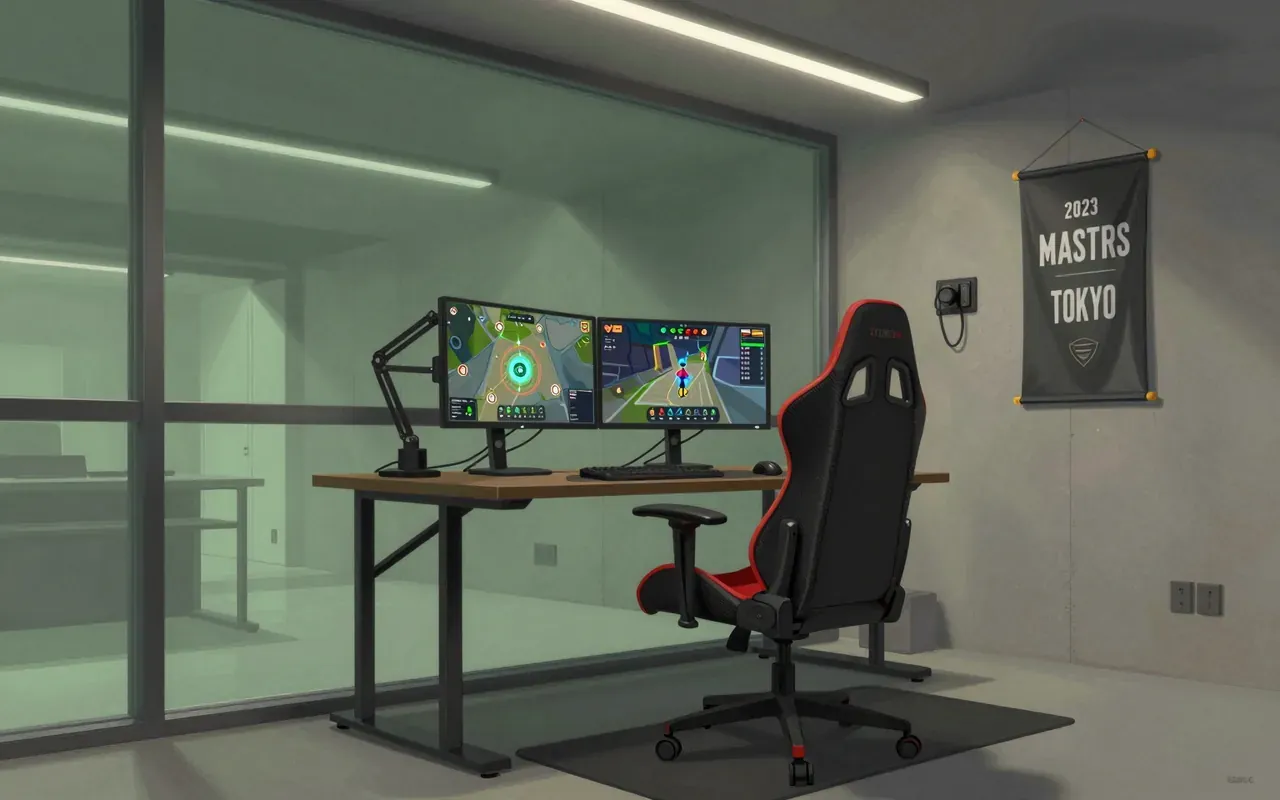
Valorant is a first-person tactical hero shooter developed and published by Riot Games. It launched on June 2, 2020. Players assume culturally grounded Agents in 5v5 attack/defend matches focused on Spike planting and defusal. Every round begins with a classic pistol and at least one signature ability charge. Weapons and ability charges are purchased using money earned from round outcomes, kills, and objectives. Agents have unique abilities requiring charges and ultimates charged via kills or orbs. Automatic and semi-automatic weapons feature unique spray patterns requiring player control for accuracy. Riot Games operates the Valorant Champions Tour.
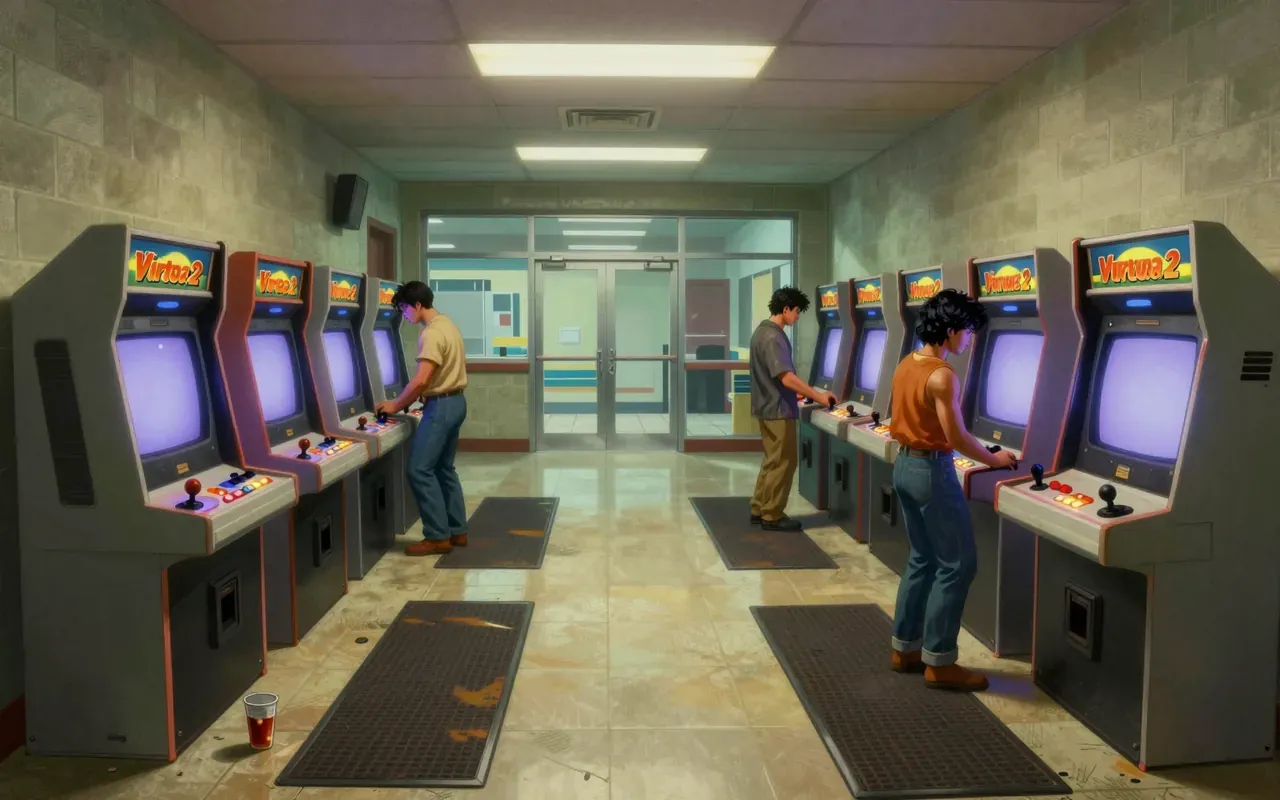
Virtua Fighter 2 is a 3D one-on-one fighting game developed by Sega AM2 for the Sega Model 2 arcade system board. It introduced adjustable arena size and infinite health, enabling sumo-style ring-out play. All characters share core mechanics like universal throws, while differing in style and expanded move sets including counters and throw prevention. It features motion-captured, texture-mapped 3D characters running at 60 FPS. It became Sega's best-selling arcade title of all time.
Virtua Fighter 5 is a rigorously tuned, system-first 3D fighter built for deep spatial and temporal literacy. Its design assumes player investment in frame data, ring geometry, and layered defensive logic—not spectacle or hand-holding.
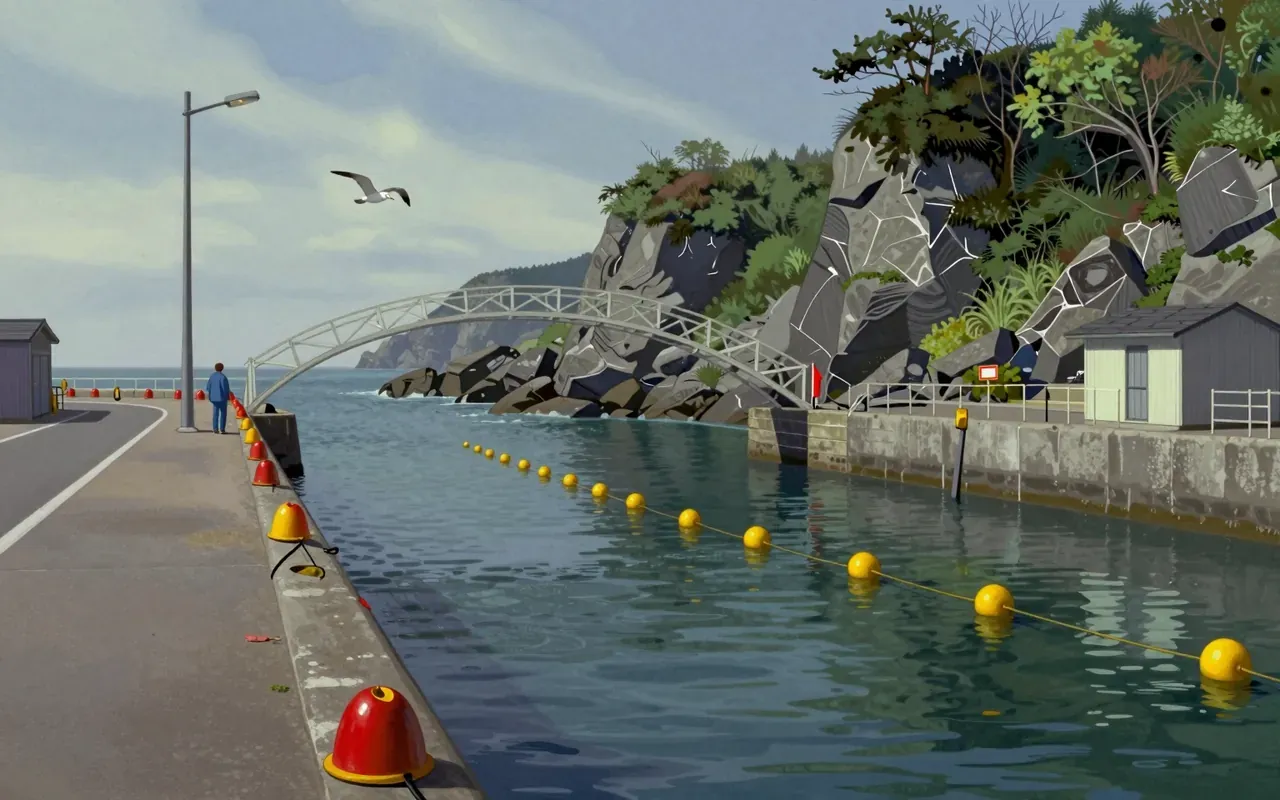
Wave Race 64 is a buoy-locked racing game for the Nintendo 64. It demands strict adherence to directional rules across escalating difficulty tiers. No story. No AI nuance. Just precision, points, and progression earned one lap at a time.
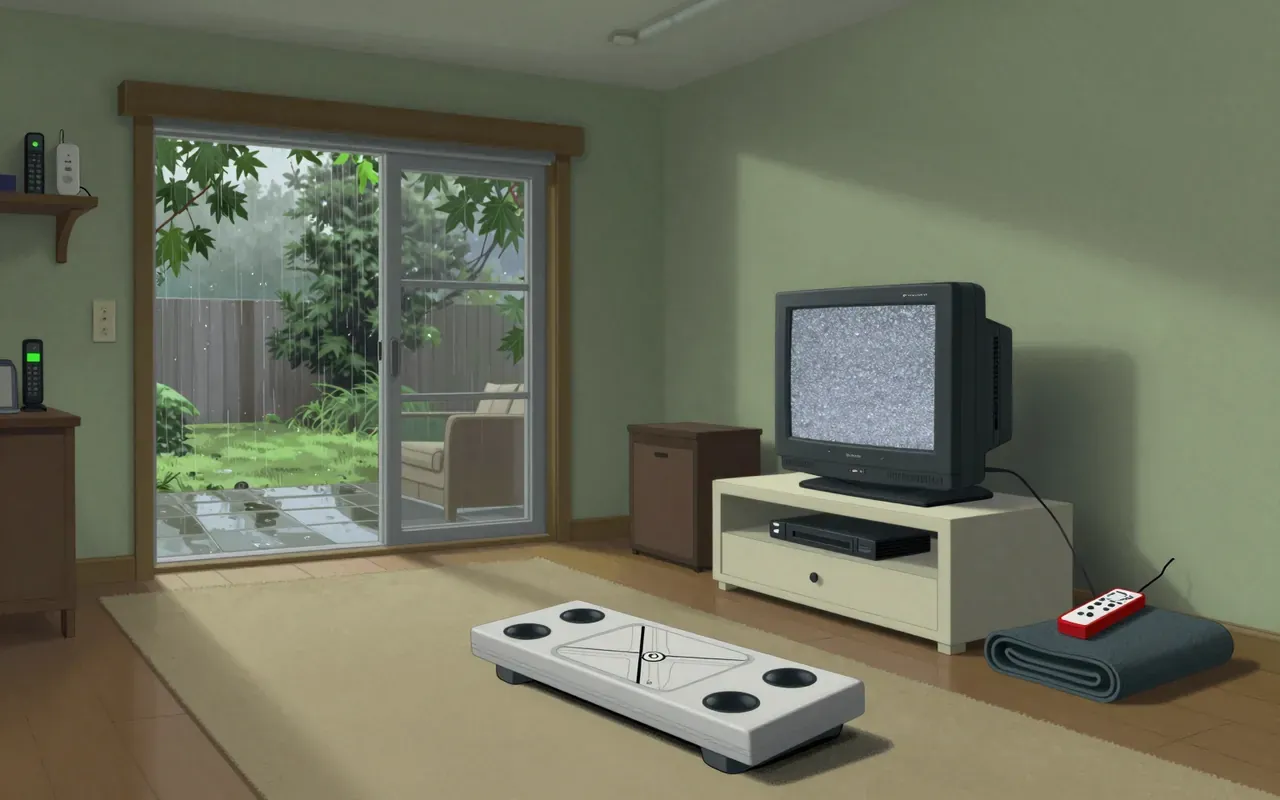
Wii Fit is a simulation of physical discipline built around a single hardware input: the Wii Balance Board. It measures weight and centre of balance in real time. It offers over 40 activities — yoga, strength training, aerobics, balance games — all calibrated to that input. It supports up to eight user profiles, each tied to date of birth, height, and a Mii. It logs external activity manually. It uses an on-screen trainer in yoga and strength modes. It does not simulate athletic development. It simulates accountability.
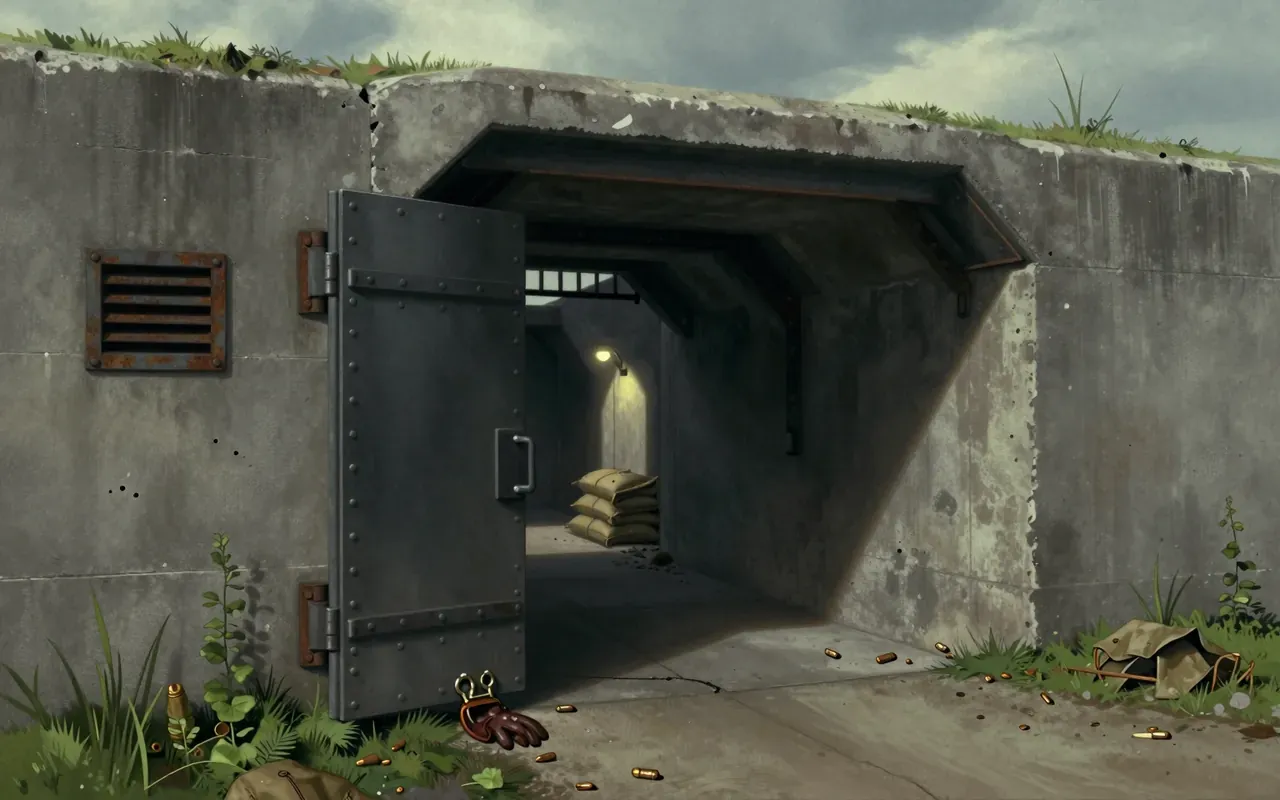
A foundational first-person shooter that uses rigid grid-based level design, fixed-height walls, and Nazi iconography as structural constraints—not just theme—to create a fast, lethal, and relentlessly focused combat loop.
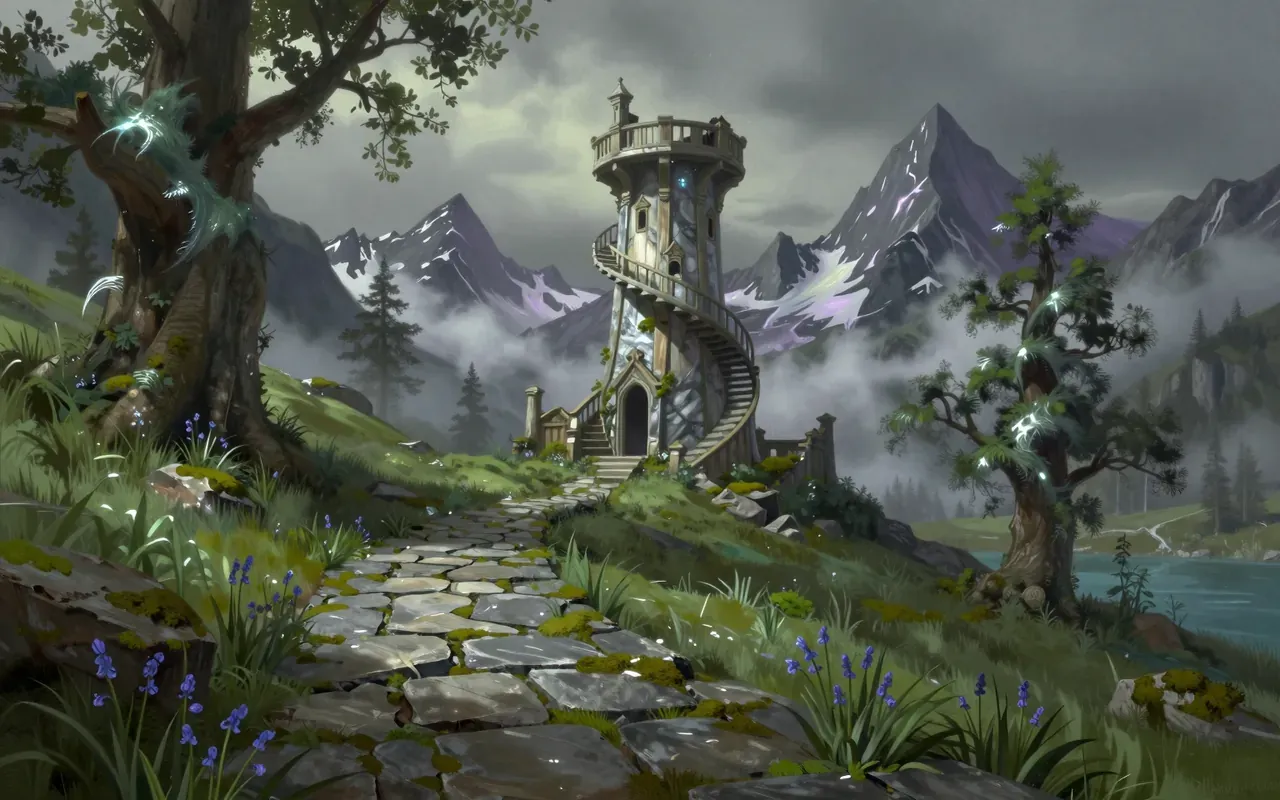
World of Warcraft is a persistent, factioned, realm-based MMORPG where progression is linear, social coordination is structural, and player agency is bounded by scheduled content and systemic repetition. It launched in North America on November 23, 2004, and is managed by Blizzard’s Team 2.
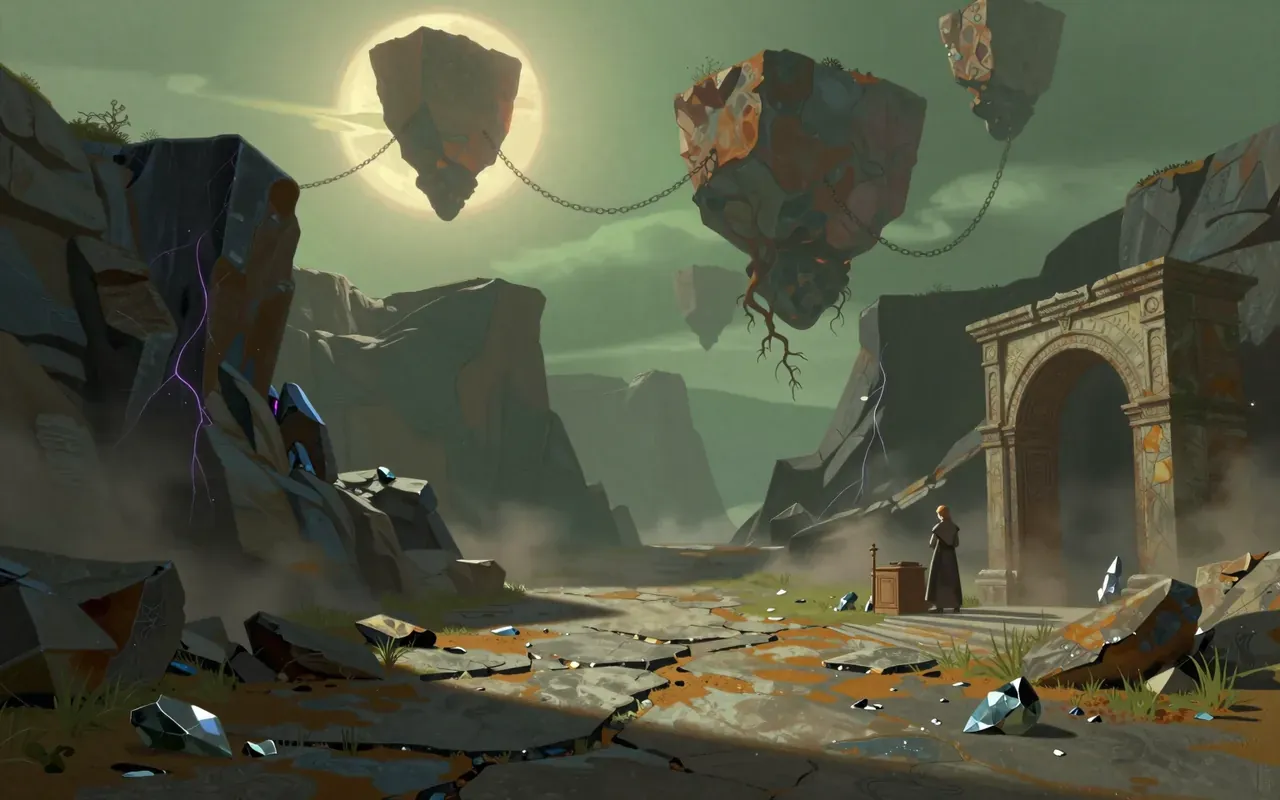
World of Warcraft: The Burning Crusade is a functional, tightly gated expansion — not a reinvention. It delivers new content strictly within the base game’s architecture, adding constraints as often as capabilities. Its value is proportional to your existing investment in World of Warcraft.

World of Warcraft: Wrath of the Lich King is the second expansion for Blizzard’s MMORPG World of Warcraft, set in the frozen continent of Northrend and centred on confronting the Lich King.
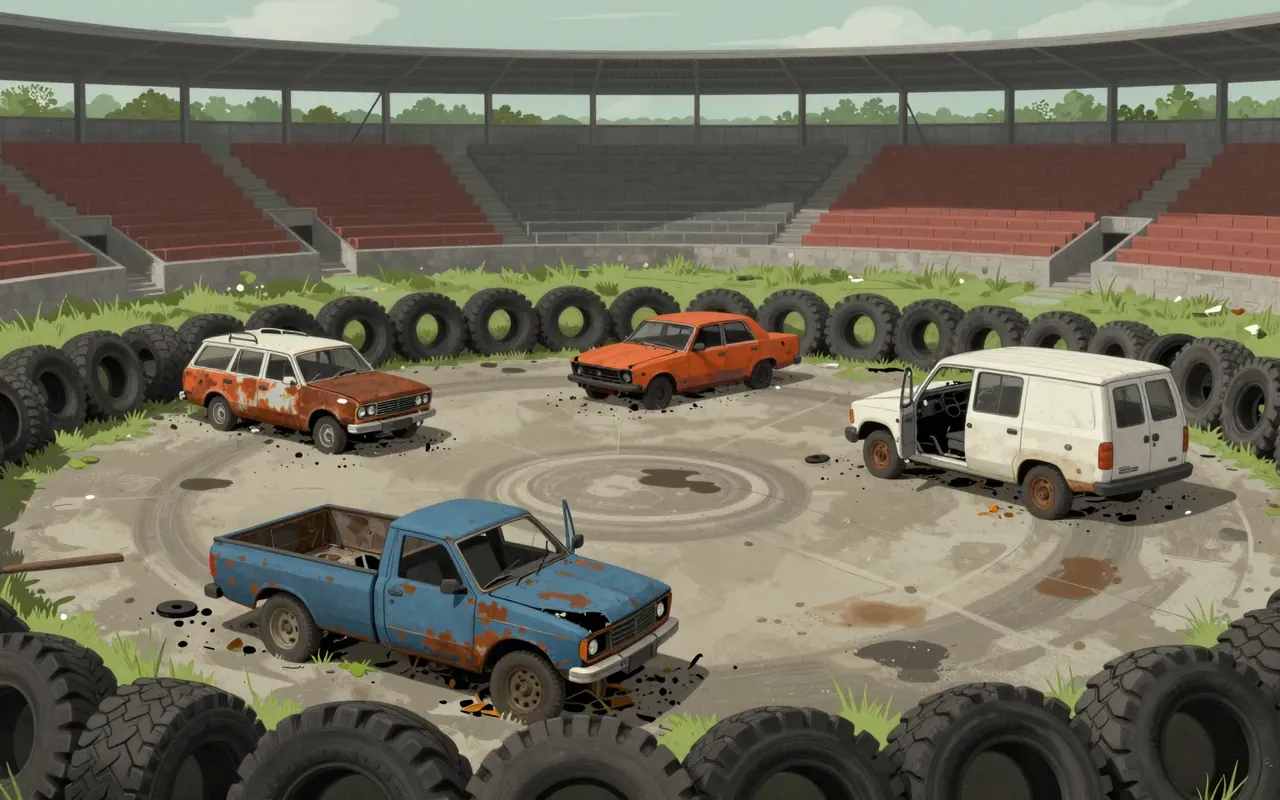
Wreckfest is a car simulator released on June 14, 2018 by Bugbear Entertainment using their ROMU engine. It features banger racing and demolition derby, with physics-driven soft-body damage that alters vehicle dynamics based on impact location. Players configure assists, buy and upgrade vehicles, and compete in career, multiplayer, and custom events. Its slower, more strategic pacing distinguishes it from faster destruction racers like Burnout.
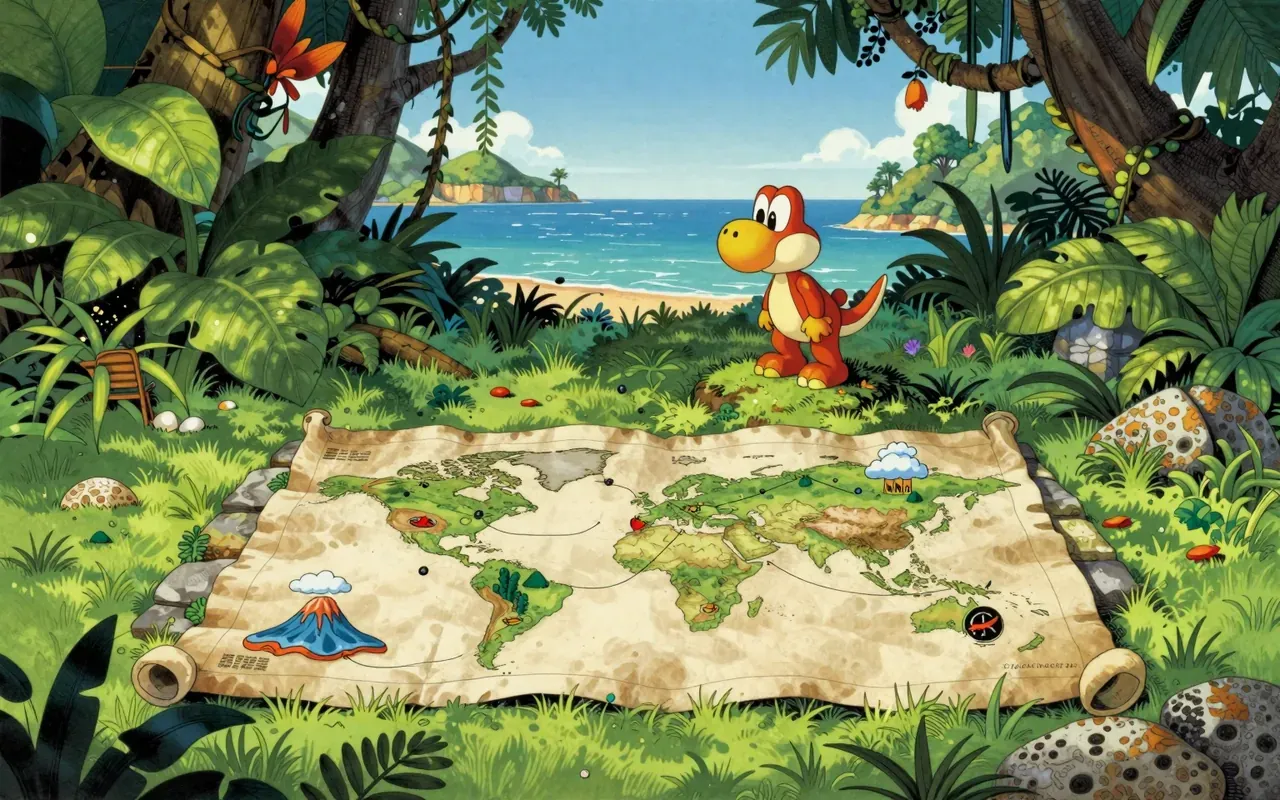
Yoshi's Island is a 2D side-scrolling platform game developed and published by Nintendo for the SNES. Players control Yoshis through 48 levels across six worlds to rescue Baby Luigi and reunite the brothers. It emphasises puzzle-solving and item-collecting — including hidden flowers and red coins — over pure platforming. Players use run-and-jump mechanics, a flutter jump, tongue-based enemy capture, egg-throwing, and transformation abilities. Every fourth level features a boss fight against an enlarged prior enemy. Yoshi collects coins for extra lives and retains his long tongue from Super Mario World.
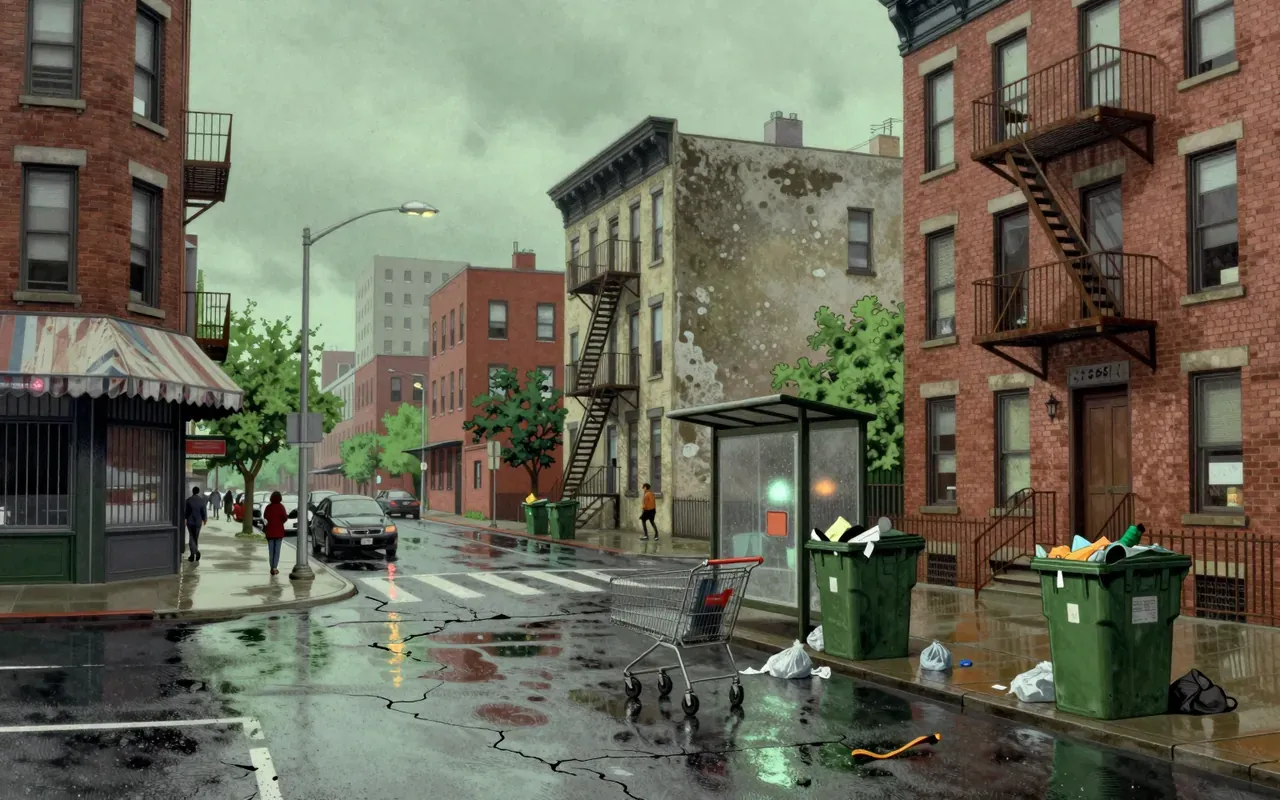
Carmageddon is a 1997 vehicular combat game developed by Stainless Games. It subverts racing conventions by making wrong-way driving, crashing, and pedestrian killing explicit objectives. The player races a vehicle against computer-controlled competitors in city, mine and industrial areas. Time is limited but extendable by collecting bonuses, damaging opponents’ cars or running over pedestrians. A race ends when the player finishes the course, wrecks all opponent vehicles, or kills all pedestrians on the level. The game features thirty-six racetracks across eleven locations. Its fully featured physics engine — a world-first for video games — makes collisions unpredictable and tactile. Crashing feels consequential because the engine simulates damage, momentum and environmental interaction in real time. Wrong-way driving wasn’t a bug — it was the core design mandate. Pedestrian killing was added to distinguish it from Destruction Derby — and to provoke. It is worth your time if you want to experience how physics-driven chaos reshaped vehicular combat in 1997 — not as nostalgia, but as a working prototype of rule-breaking design.

Civilization VI is a turn-based 4X strategy game where players grow a single civilization from antiquity to the near future by exploring, expanding, exploiting, and exterminating.
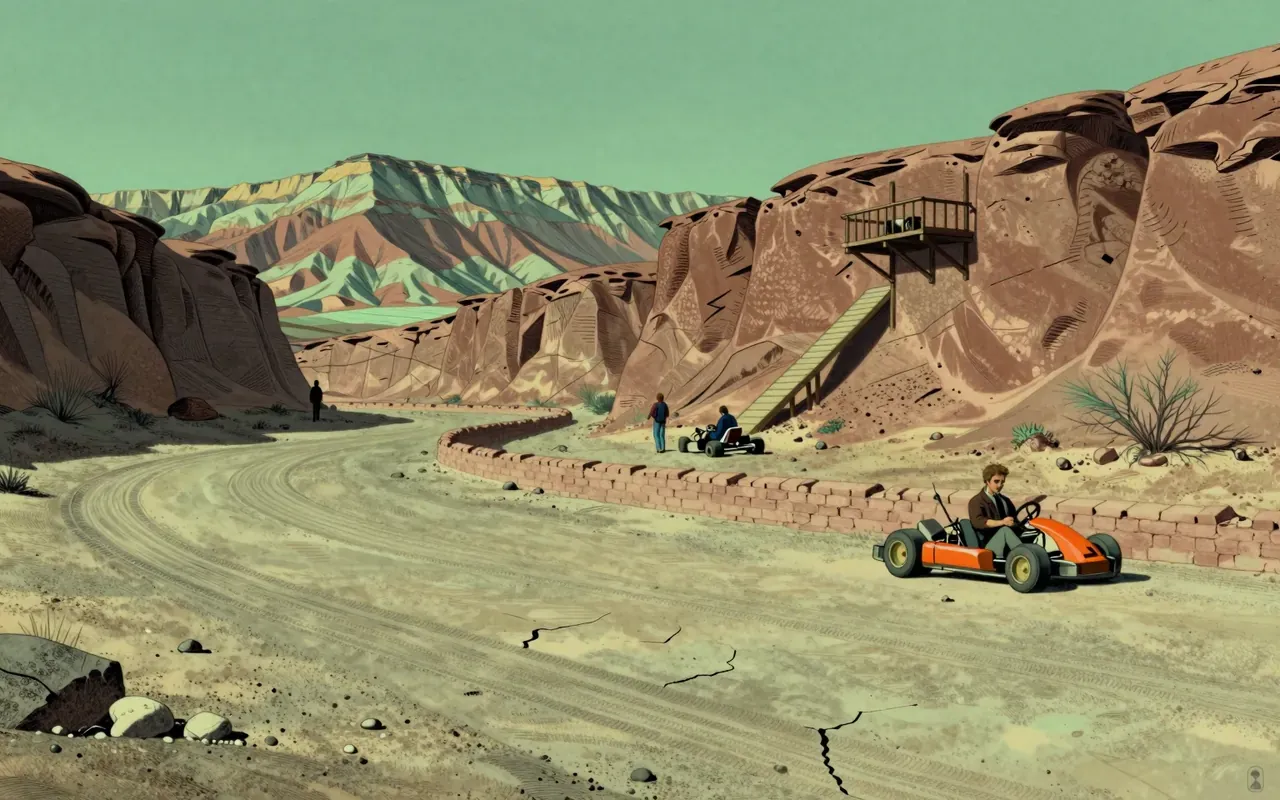
Crash Team Racing is a precise, class-driven kart racer built around a strict, multi-stage power slide mechanic. It demands rhythmic timing, not reflexes. Its hardware constraints — split-screen performance, memory limits — are visible in its design choices, not hidden behind abstraction. It is the last Crash game Naughty Dog made, and it plays like a farewell: focused, complete, and uncompromising.

Crypt of the NecroDancer is a rhythm-gated roguelike released in April 2015 by Brace Yourself Games. All movement and attacks must occur on the musical beat. Enemies follow fixed rhythmic patterns — some on every beat, others on subdivisions. Missing the beat resets scoring and risks damage. The dungeon has four zones, each with four levels. Input supports dance pad, keyboard, or gamepad.
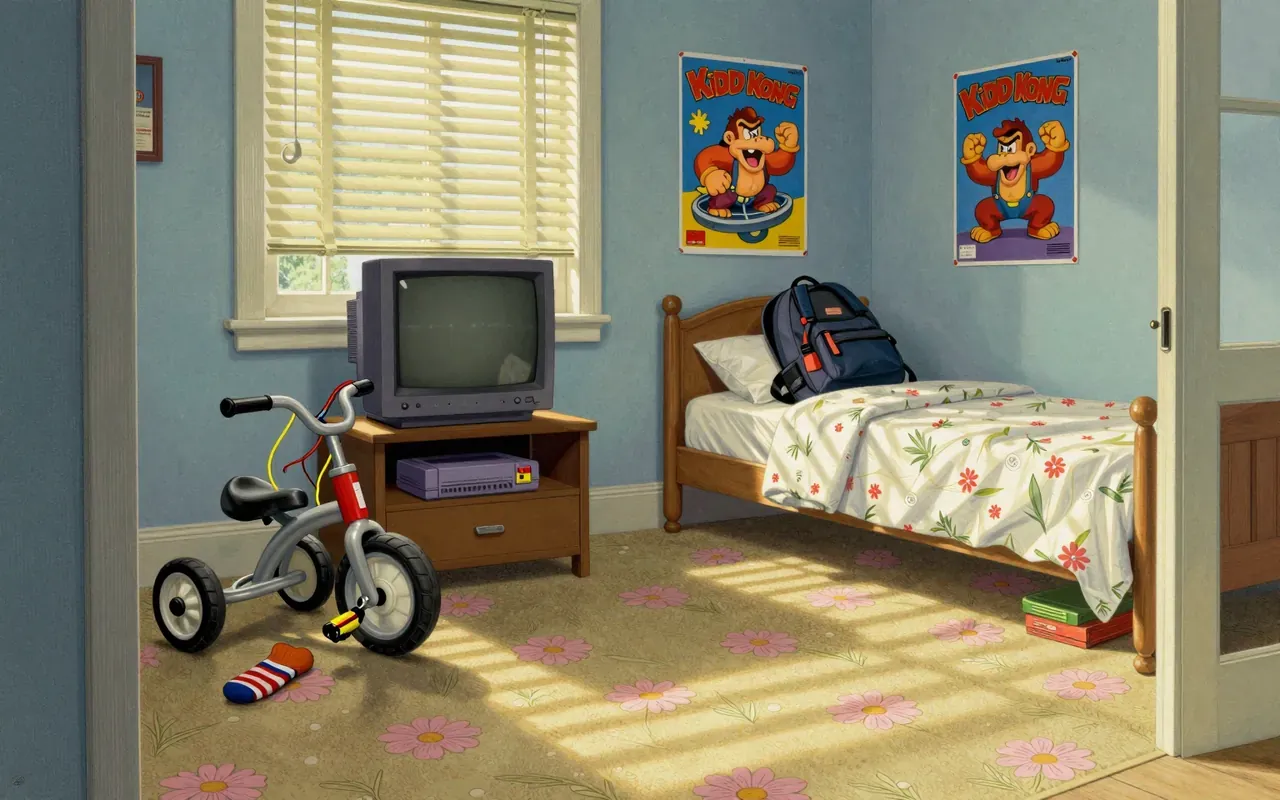
Diddy Kong Racing is a 1997 Nintendo 64 kart racer developed and published by Rare. Players select from ten characters and race across five worlds—each containing four tracks—using cars, hovercraft, or aeroplanes. Victory over antagonist Wizpig comes solely through winning races. Vehicle types impose clear trade-offs: the car is all-round but slowest on sand and water; the hovercraft handles those surfaces but suffers poor acceleration and manoeuvrability; the aeroplane accesses aerial zones and turns sharply but has the lowest speed. All characters can use all vehicles. The design asks players to match vehicle to terrain—and learn why the match fails as often as it succeeds.
Dota 2 is a rigid, team-bound MOBA that demands mastery of role, map, and timing — with zero concessions to newcomers or casual investment.
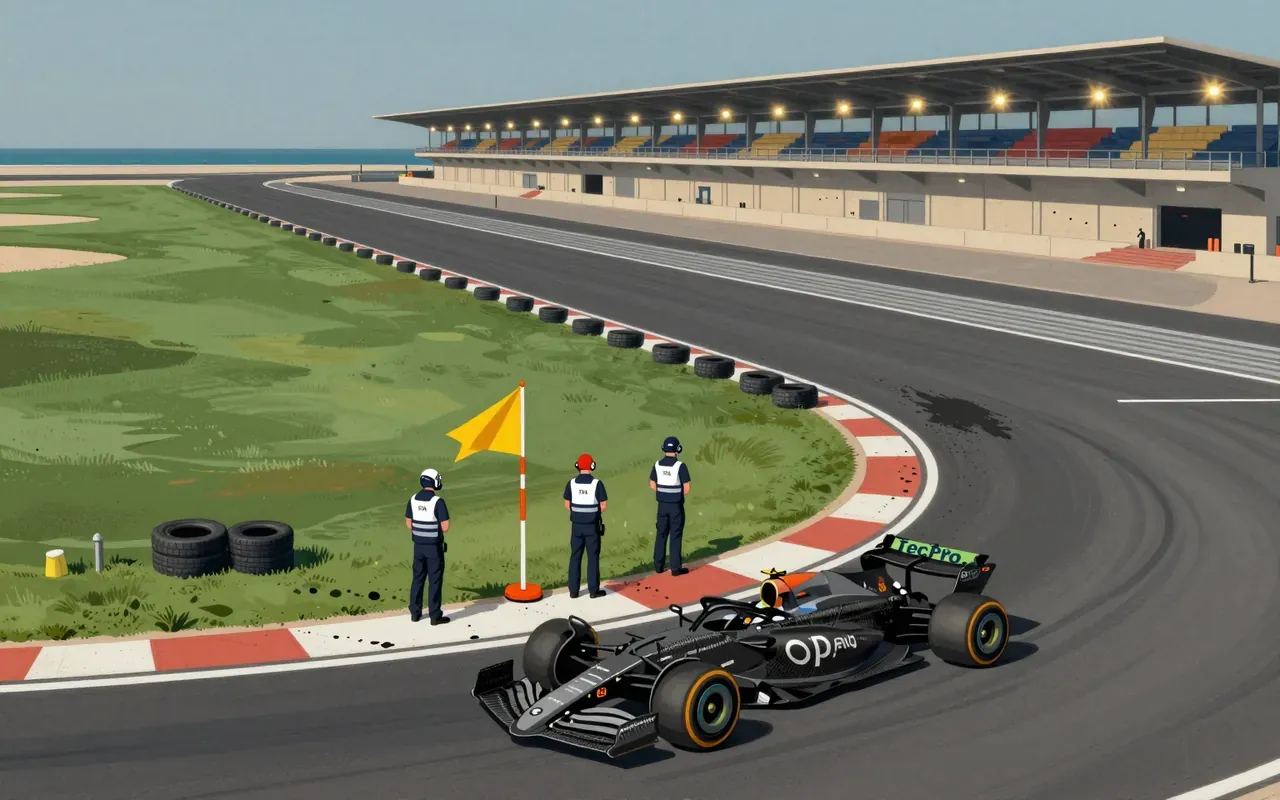
The 2022 Formula One World Championship game is Codemasters’ annual F1 series entry simulating the 73rd running of the championship. It models the full season — twenty-two Grands Prix, dual titles, ground-effect aerodynamics reintroduced after 1982, Pirelli tyres, two-driver teams, and the sprint format at exactly three events: Emilia Romagna, Austrian, and São Paulo — following team negotiations that cut the sprint schedule from six to three. It makes no claims about driver agency, team politics, or design intent behind regulation changes. It is a licensed procedural replica, not a reimagining.
Stormblood is a systemic expansion — not a story one. It builds around constraints: fixed-level raids, XP loss on death, mecha-bound PvP, and jobs that start mid-level. It rewards precision, repetition, and group discipline. It withholds flexibility, narrative integration, and trial access to its hardest content.
Fortnite Battle Royale is a free-to-play battle royale released by Epic Games in September 2017. It supports up to 100 players per match in solo or squad formats. Players descend from the Battle Bus onto a large island, gather weapons and resources—including wood, stone, and metal—and build temporary structures for movement, defense, or combat. The game is played in third-person perspective, with a continuously shrinking safe zone forcing encounters. It uses microtransactions and a battle pass system for revenue and supports cross-platform play across PC, console, and mobile.

Forza Horizon 5 is a racing game set in an open world modelled on Mexico. It was developed by Playground Games and published by Xbox Game Studios for Windows, Xbox One, and Xbox Series X/S.
Forza Motorsport 4 is the fourth Forza Motorsport title, developed by Turn 10 Studios for Xbox 360 and published by Microsoft Studios in 2011. It is a racing simulation emphasising realistic car handling and visual fidelity on closed-circuit tracks. It supports dual-input control: traditional controllers or wheels for driving, and Kinect for head-tracking, voice commands, or full-body steering (with auto-acceleration/braking). Its Autovista mode enables detailed exploration of select cars, and its World Tour career adapts AI difficulty based on player performance.
Gran Turismo 7 is a technically accomplished sim racing title that prioritises curated progression and hardware fidelity over player agency. Its reliance on online infrastructure for core functionality—including saving—defines its limits as much as its strengths. It delivers realism through physics and presentation, but structures engagement around compliance, not compulsion.
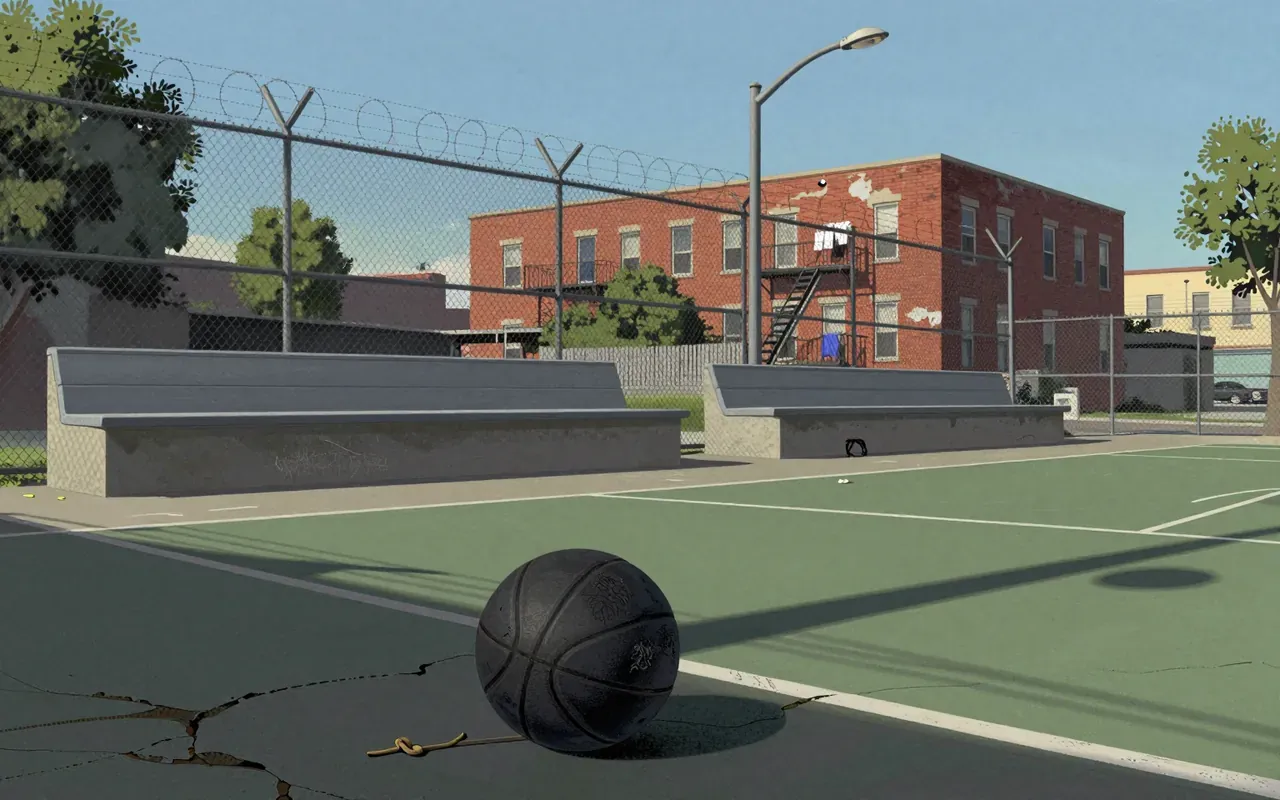
NBA Street is a deliberate departure from EA Sports’ simulation ethos. It trades authenticity for attitude, structure for swagger, and time limits for point thresholds. Its design insists on expression before execution—and rewards repetition, not mastery.

Need for Speed: Underground 2 is a racing game where tuning, driving, and discovery are inseparable. It asks you to treat Bayview as terrain—not backdrop—and rewards persistence over precision. Its constraints are deliberate: no fast travel, no race menus, no hand-holding for hidden events. It works because those constraints shape a specific kind of attention: one tuned to corners, shortcuts, and the hum of a modified engine echoing off concrete.
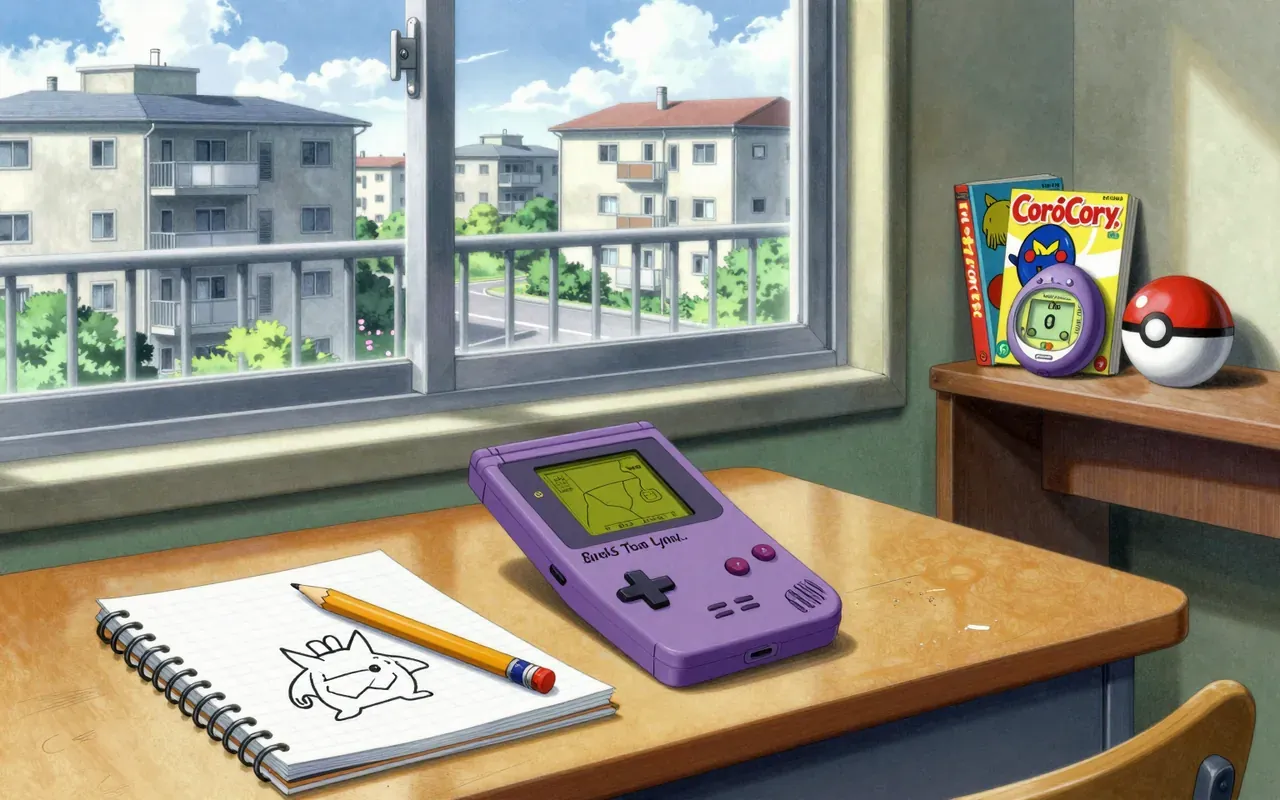
Pokémon Gold and Silver refine the series’ core loop with a real-time clock and expanded Pokédex, but offer no structural departure from the top-down, random-encounter, EXP-driven RPG formula established earlier.
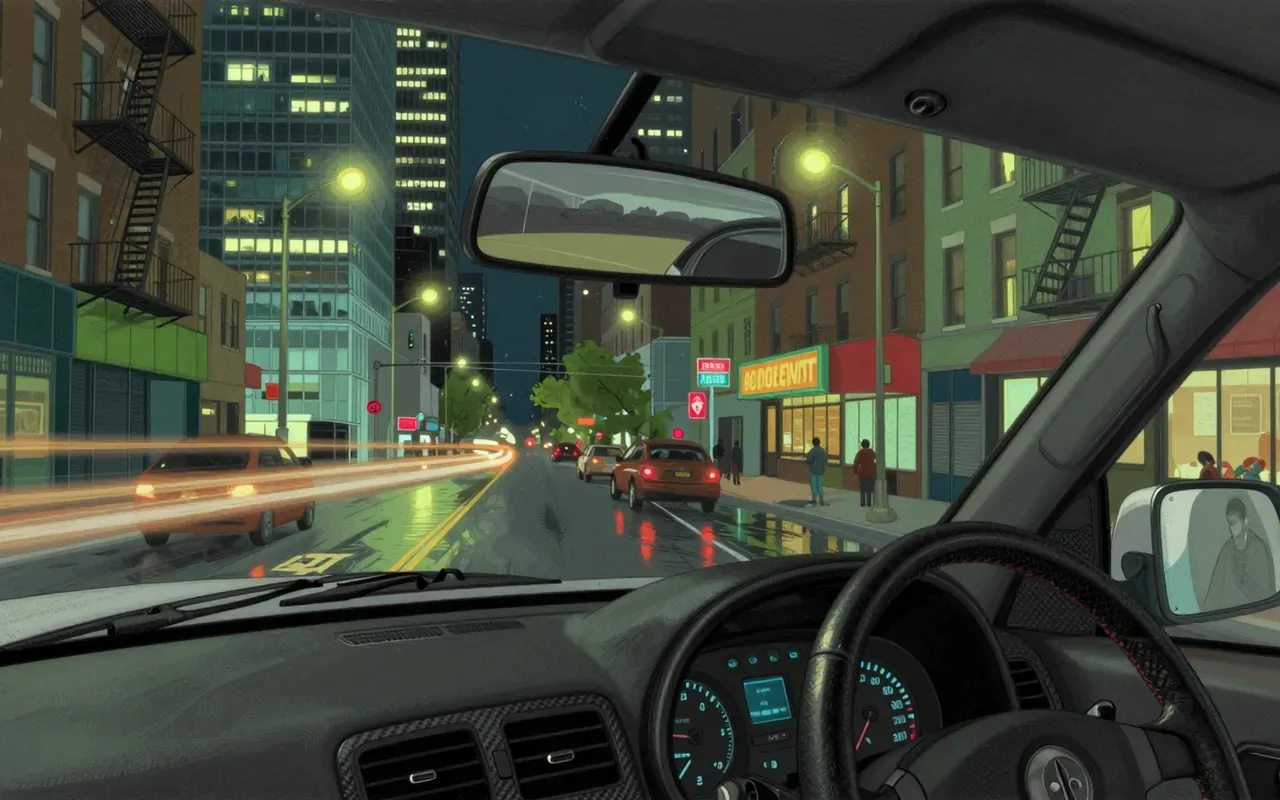
Project Gotham Racing 2 is a tightly wound, mode-structured arcade racer that asks players to master rhythm, timing and spatial awareness — not just acceleration. Its Kudos system creates a distinct performance grammar. Its fidelity is tangible: in polygon count, microphone count, and circuit variety. But it offers no narrative, no online play, and no cross-mode progression. It is a studio-built showcase — not a player-built world.
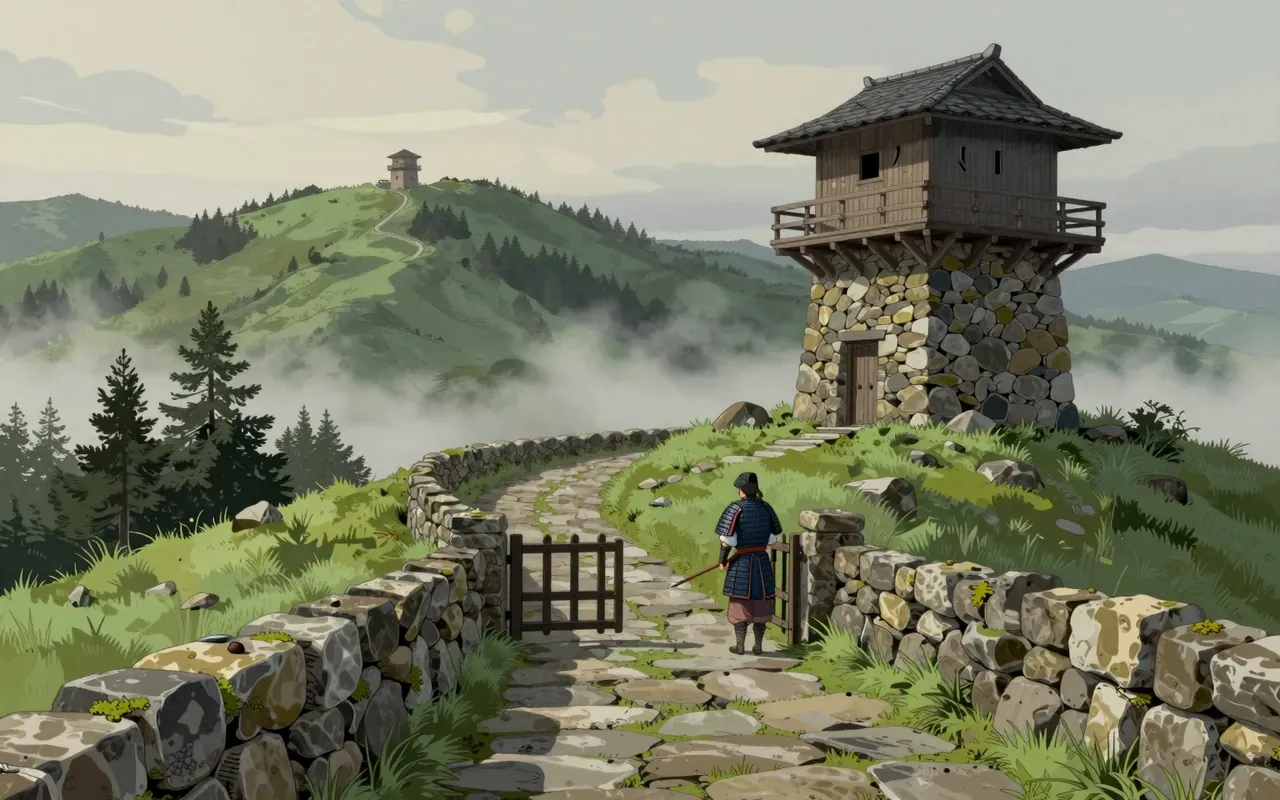
Shogun: Total War is a foundational strategy game that fused turn-based empire management with real-time battlefield tactics. Its ambition—to simulate feudal Japanese unification—was matched only by its structural compromises. The campaign map was added late. Systems coexist but rarely converse. Yet its combat loop remains legible, its faction asymmetry functional, and its provincial logic direct. It rewards patience, pattern recognition, and tolerance for abstraction.
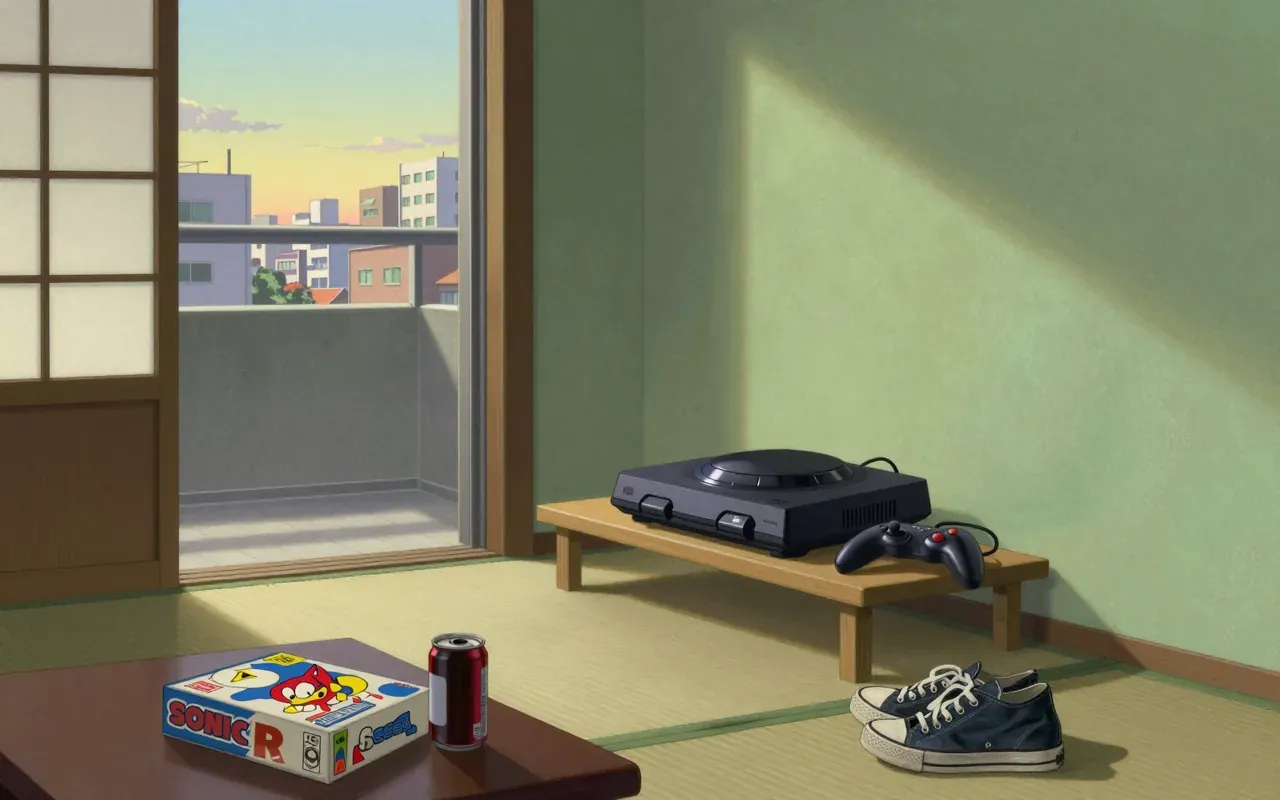
Sonic R (1997) is a foot-racing game co-developed by Sonic Team and Traveller's Tales for the Sega Saturn. It emphasises jumping, exploration, and item-based progression across five themed tracks — with reverse racing, ring trading, and unlockable characters tied to hidden token collection. Its design responds directly to Saturn hardware limits: custom engine, 12-layer transparency, and 30 fps target. It is not a kart racer, nor a traditional Sonic platformer — but a constrained experiment in 3D movement under technical duress.
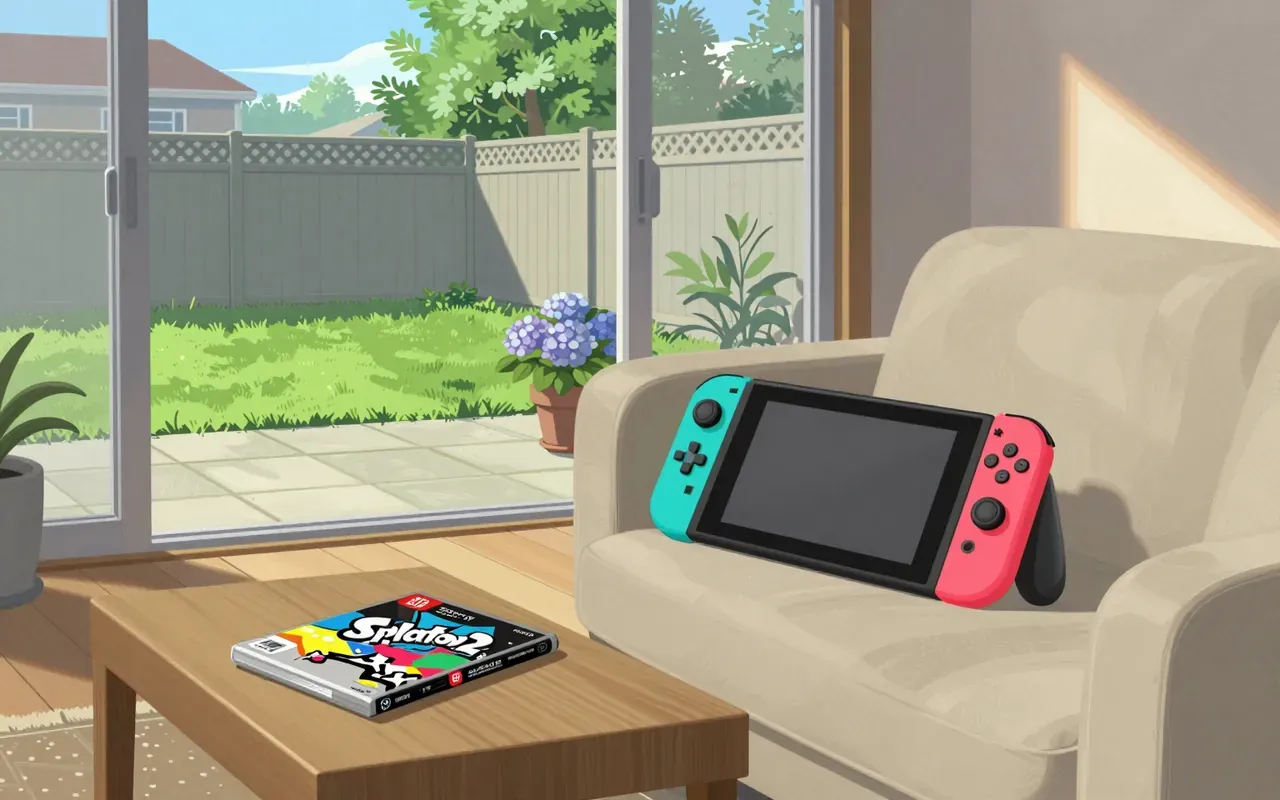
Splatoon 2 is a Nintendo-published third-person shooter built around ink-based terrain control, morphing between humanoid and cephalopodic forms, with structured competitive and co-op modes.
Super Smash Bros. Ultimate is a platform fighter for up to eight players. It belongs to Nintendo’s Super Smash Bros. franchise. It uses a percentage-based knockback system, three victory conditions, toggleable Final Smashes, random items including Poké Balls and Assist Trophies, and stage variants with adjustable hazards. Players can save custom rule presets. It includes Spirits and World of Light as core single-player systems.
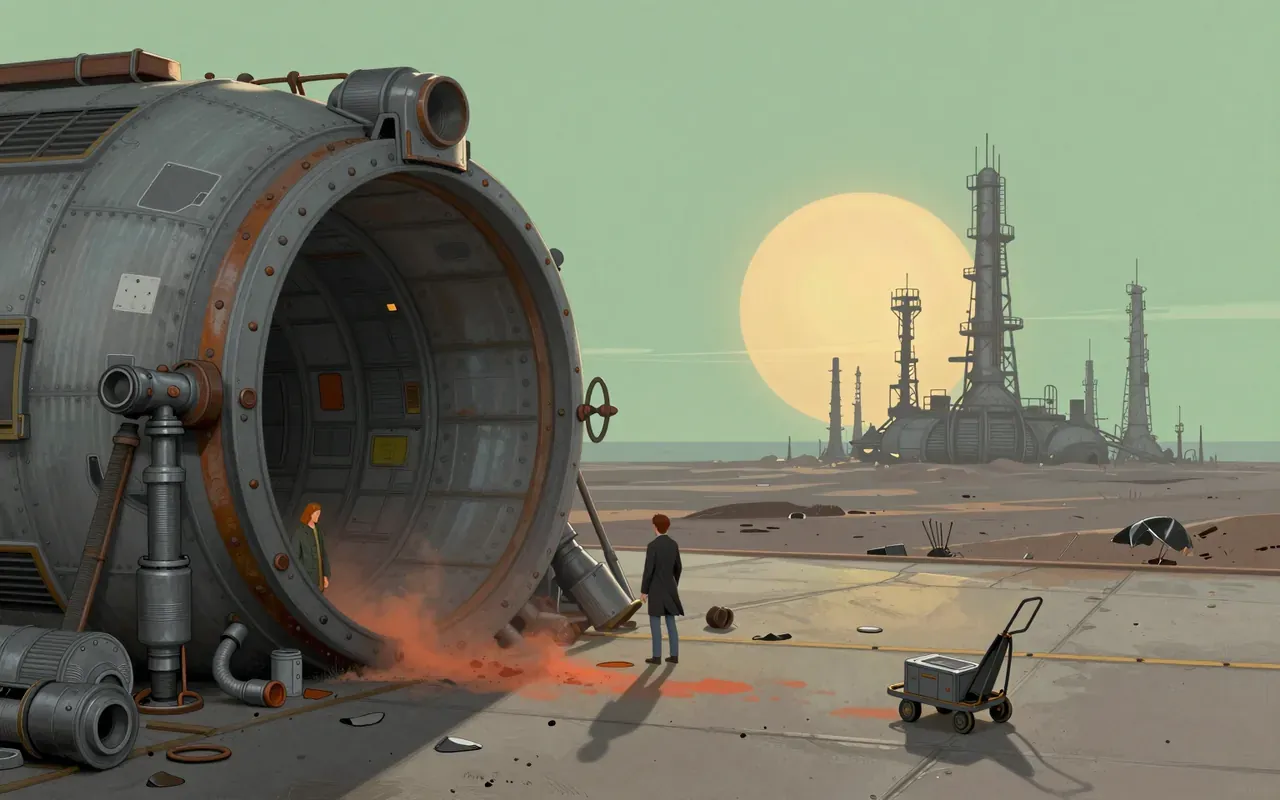
The Outer Worlds is a first-person action RPG where player agency is enforced by rigid, upfront stat choices — not narrative illusion. It runs on Windows, PS4, and Xbox One. Its world is built on corporate terraforming, not starship dogfights. Every dialogue option, inventory slot, and stealth path is earned, not granted.
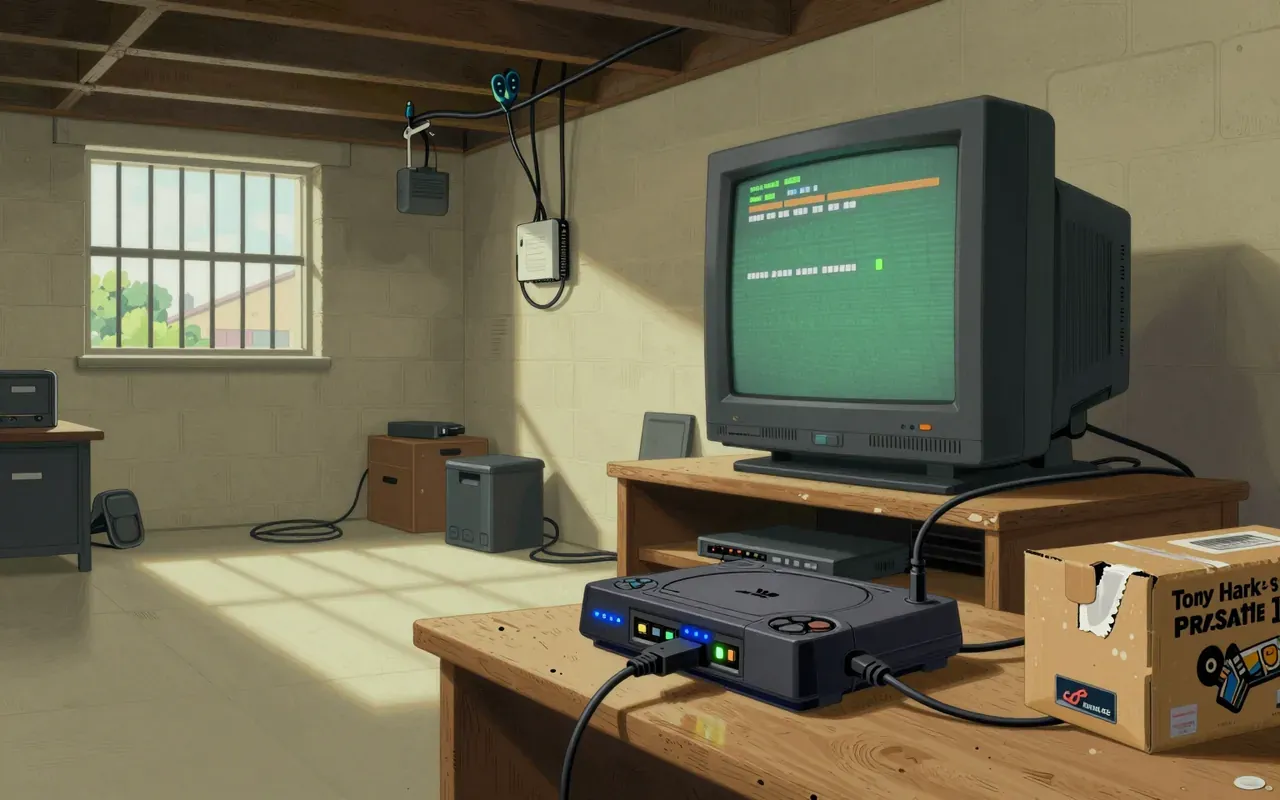
Tony Hawk's Pro Skater 3 is the pivot point where the series’ combo grammar expanded and online play entered—raw, hardware-bound, and version-dependent.
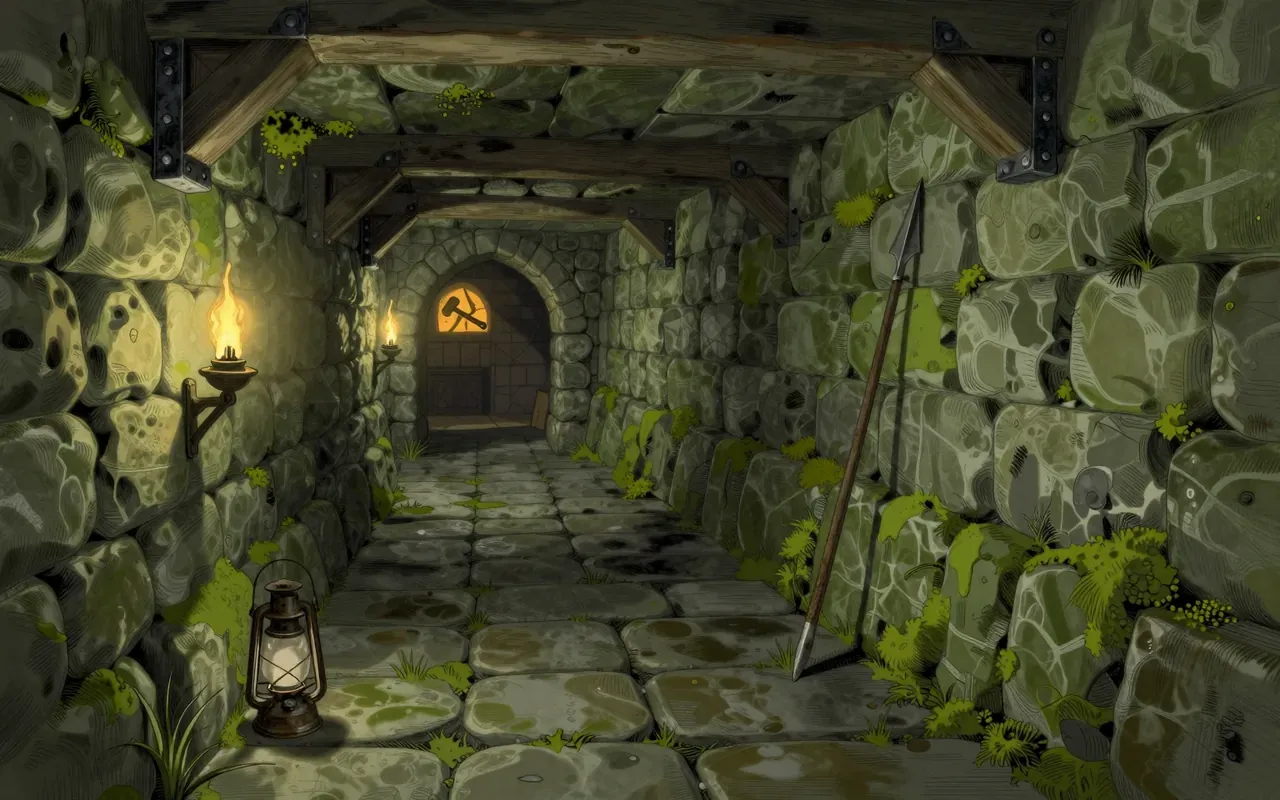
Torchlight is a single-player action role-playing game released for Windows on October 27, 2009. It was developed by Runic Games and published by Perfect World Entertainment and Encore, Inc. The game is set in the fictional town of Torchlight and the caverns and dungeons nearby. Players control a lone hero who explores randomized dungeons built from hand-designed modular chunks. Combat is point-and-click on PC. The loop is clear: descend, kill monsters in large groups, collect loot, return to the single town hub to sell, buy, and accept quests. Quests drive progression through unique boss battles. Side and random quests offer optional detours. The modular chunk system creates dungeons with intention—not randomness for its own sake. Levers open secret doors. Bridges move. Rooms connect meaningfully. The isometric-like overhead perspective gives spatial clarity. Loot drops frequently and visibly. The town hub is lean: one place to sell, buy, and take quests—no filler. It does not support co-op or multiplayer. It offers no character customisation beyond class choice. There is no endgame beyond completing the main questline and replaying with new classes. The town hub is static and unchanging. No lore depth or worldbuilding beyond functional exposition.

TrackMania (2003) by Nadeo is a racing game built around player-authored tracks, checkpoint-driven time trials, and non-interactive concurrent multiplayer. It prioritises iterative lap refinement over narrative, shared space over shared stakes, and file-based exchange (.gbx) over centralised distribution. Its design assumes a player who wants to build, break, and rebuild a single corner until it yields perfection—and who finds satisfaction in that loop alone.
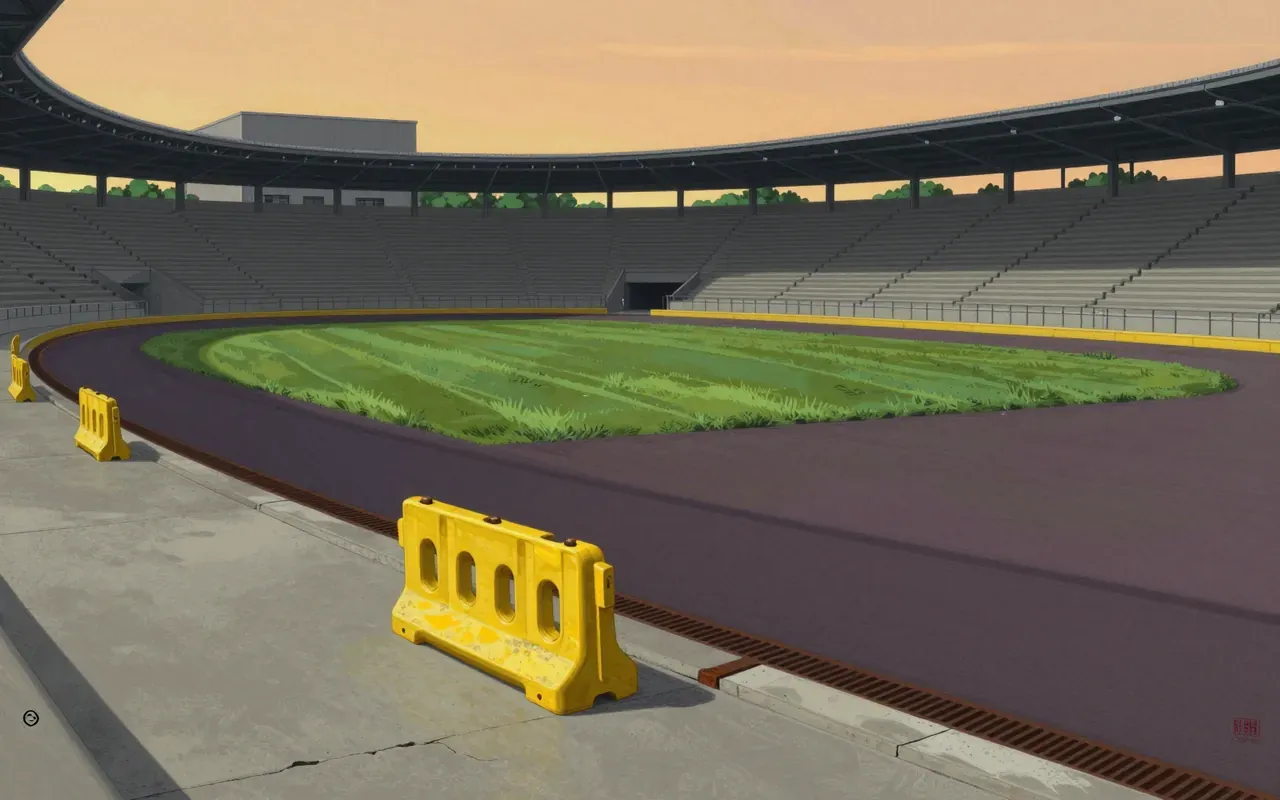
TrackMania Nations is a deliberately constrained 2006 arcade racer. It removes collision, car choice, and environmental variety to focus entirely on solo time-attack precision. Its loop is simple: run, fail, restart, refine. It asks for repetition, spatial memory, and fine motor control — nothing more, nothing less.
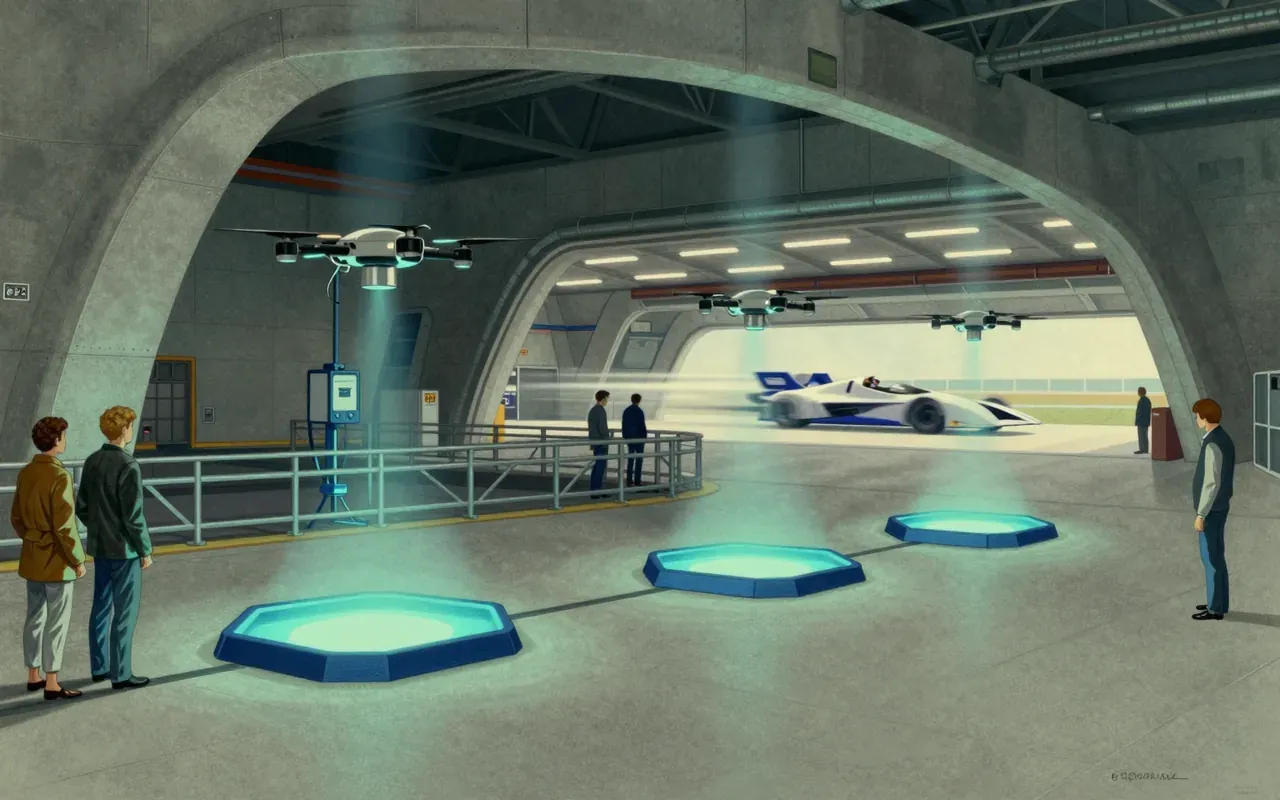
Wipeout 2097 is a PlayStation-era anti-gravity racing game developed by Psygnosis using the console as primary reference hardware in preparation for its September 1995 Western launch. Players race against AI opponents, aiming to finish in the highest position possible. Vehicles travel at high speeds and require air-brakes for cornering. A weapons system lets players eliminate opponents mid-race. Each vehicle has a shield energy quota; depletion from weapons or impacts destroys the craft. Destroyed ships can be recharged at pit stops at the cost of race time. The Quake Disruptor creates a wave effect that launches opponents into the air. Difficulty escalates across three classes — Vector, Venom, Rapier — each with higher speeds and more complex tracks.

Yoshi's Story is a Nintendo platform game released in 1997, built around two modes—Story and Trial—with a pop-up storybook aesthetic and pre-rendered 3D graphics.
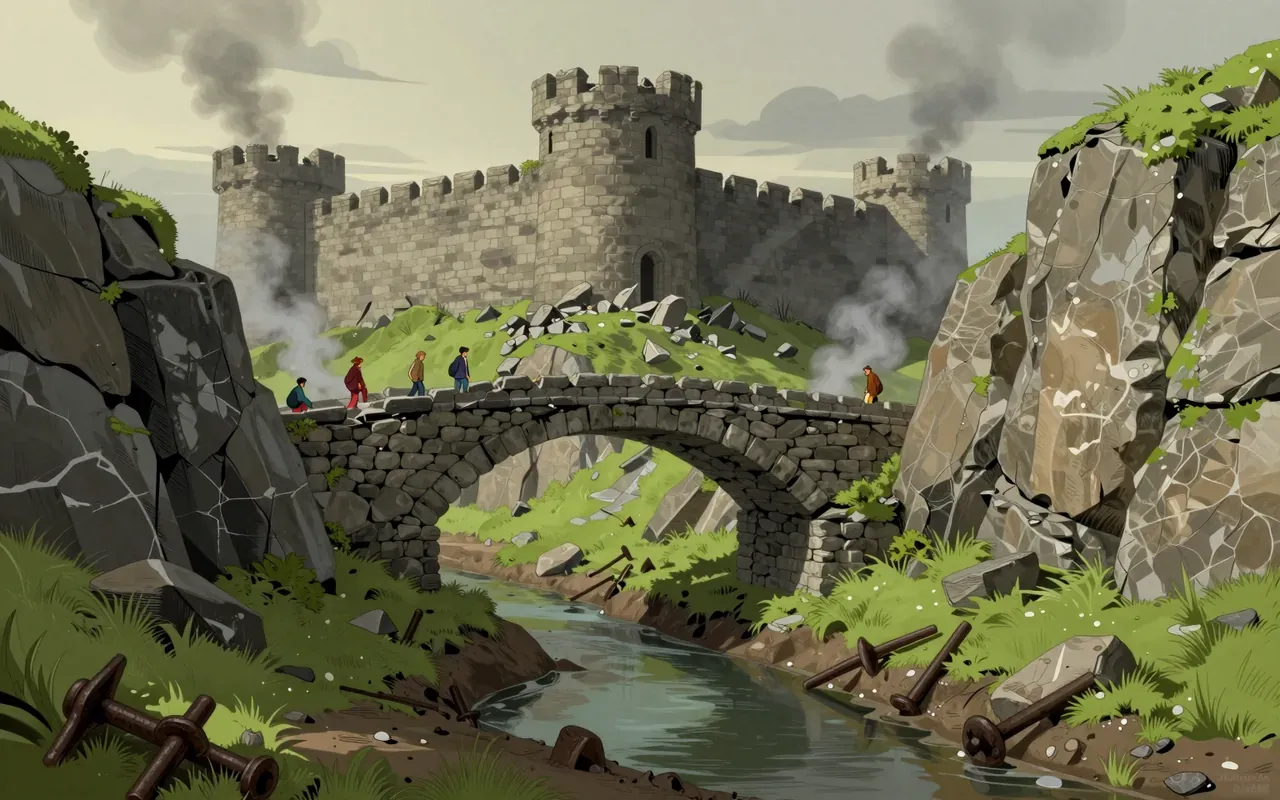
Aion (2008) is an MMORPG by NCSoft that merges PvP and PvE into a single territorial combat system—confined to the Abyss and Balaurea—where Legions battle players and NPCs alike for fortress control using siege weapons from PvE raids. Skills unlock in fixed chains, with later abilities more powerful and strictly dependent on earlier ones. Faction-based PvP is limited to opposing races, with no exceptions outside duels, the Arena, or Panesterra. Controlling a fortress funds the Legion and grants faction-wide vendor discounts and travel perks. The design demands coordination, sequencing discipline, and commitment to a rigid zone-and-race framework.

Armored Core (1997) is FromSoftware’s first mecha combat game. Players pilot highly modular Armored Cores across open desert bases and space stations, engaging enemies that appear from all directions. Customisation is functional: swapping leg units changes mobility; weapon choices define combat range. Credits earned from missions fund upgrades, but ammunition and repair costs are deducted even on failure. There is no hand-holding — no map, no waypoints, no enemy indicators. The loop is austere, spatial, and penalised.
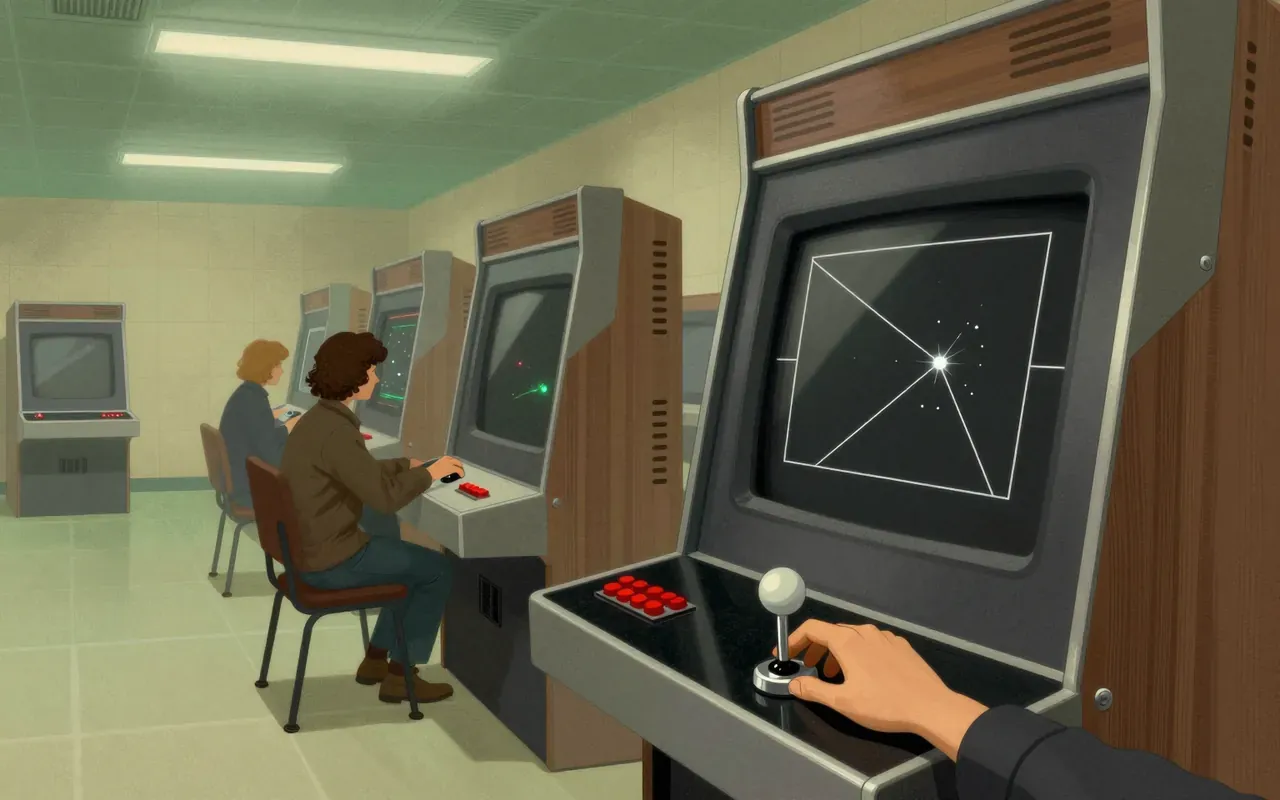
Asteroids (1979) is a multidirectional shooter developed by Atari, Inc. It uses custom vector-display hardware derived from Lunar Lander. The player controls a triangular spaceship with rotation, forward thrust, and forward fire. Movement obeys inertia: the ship continues drifting until thrust alters direction or friction halts it. Asteroids break into smaller, faster fragments when shot. Two types of flying saucers traverse the field and fire back. Screen edges wrap both horizontally and vertically. Hyperspace teleports the ship to a random location at risk of self-destruction or collision. The game features a high-score table with player initials. It was designed for arcade play and includes exploitable behaviours like edge-lurking to evade saucer aim.