gamesbriefs
Highest rated

All briefs

467 briefs · 4633 min · 97–192 on page 2 of 5
9:16

Tetris

Alexey Pajitnov · 1984

Tetris (1985) is a puzzle game where tetrominoes descend one at a time from the top-centre of a rectangular field; players move and rotate them horizontally until they land, aiming to form complete horizontal lines that vanish and cause blocks above to fall. Line clears grant points and increase descent speed; the game ends when pieces stack to the top ('topping out'). The original version ran on the Elektronika 60 and IBM PC, and its core design remains consistent across versions.

11:24

The Last of Us Part II

Naughty Dog · 2020

A post-apocalyptic third-person action-adventure game set in a United States overrun by humans infected with a Cordyceps-like disease. It follows the plight of Ellie and Joel—and later Abby—as they navigate trauma, vengeance, and survival.

9:45

The Legend of Zelda: A Link to the Past

Nintendo · 1991

A Link to the Past establishes the template for action-adventure structure: item-gated progression, parallel worlds with hard transitions, and dungeons as sequential logic puzzles. It assumes player patience, rewards observation, and refuses to separate exploration from consequence.

9:27

The Legend of Zelda: Breath of the Wild

Nintendo · 2017

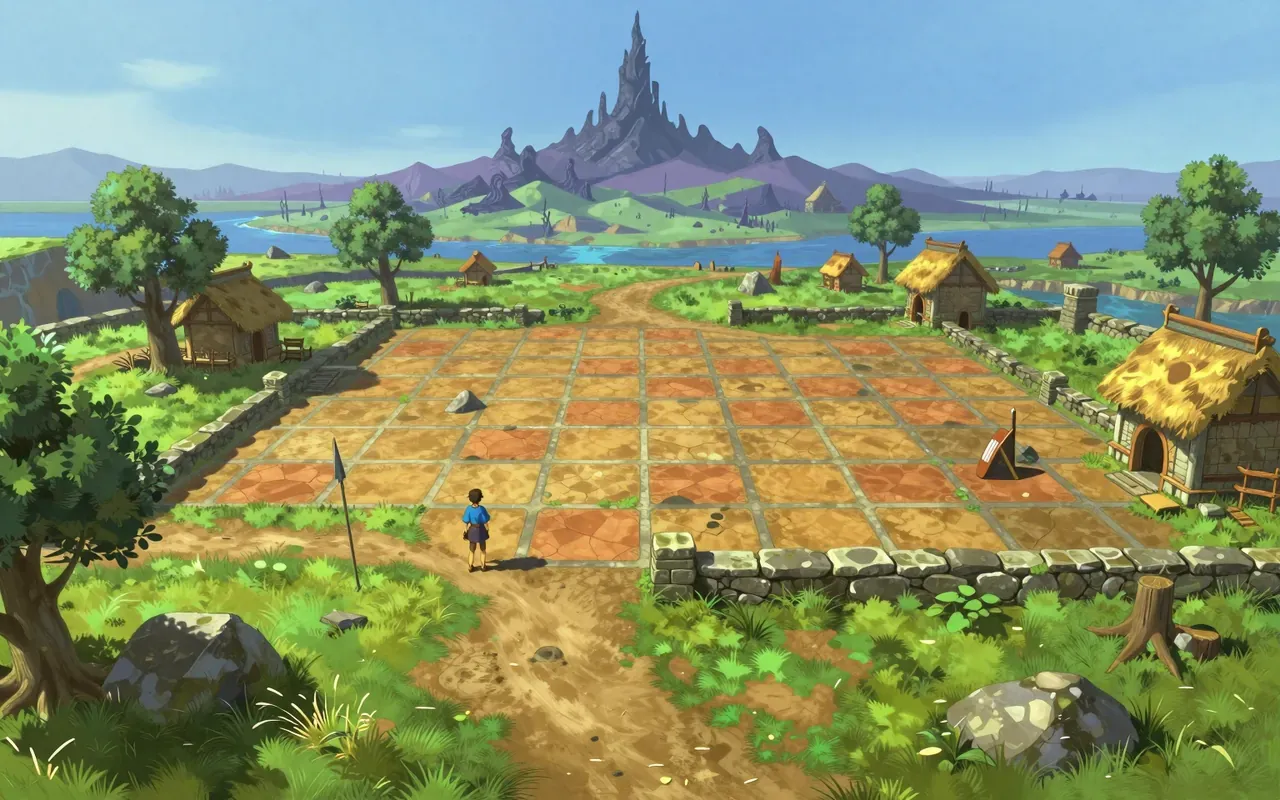
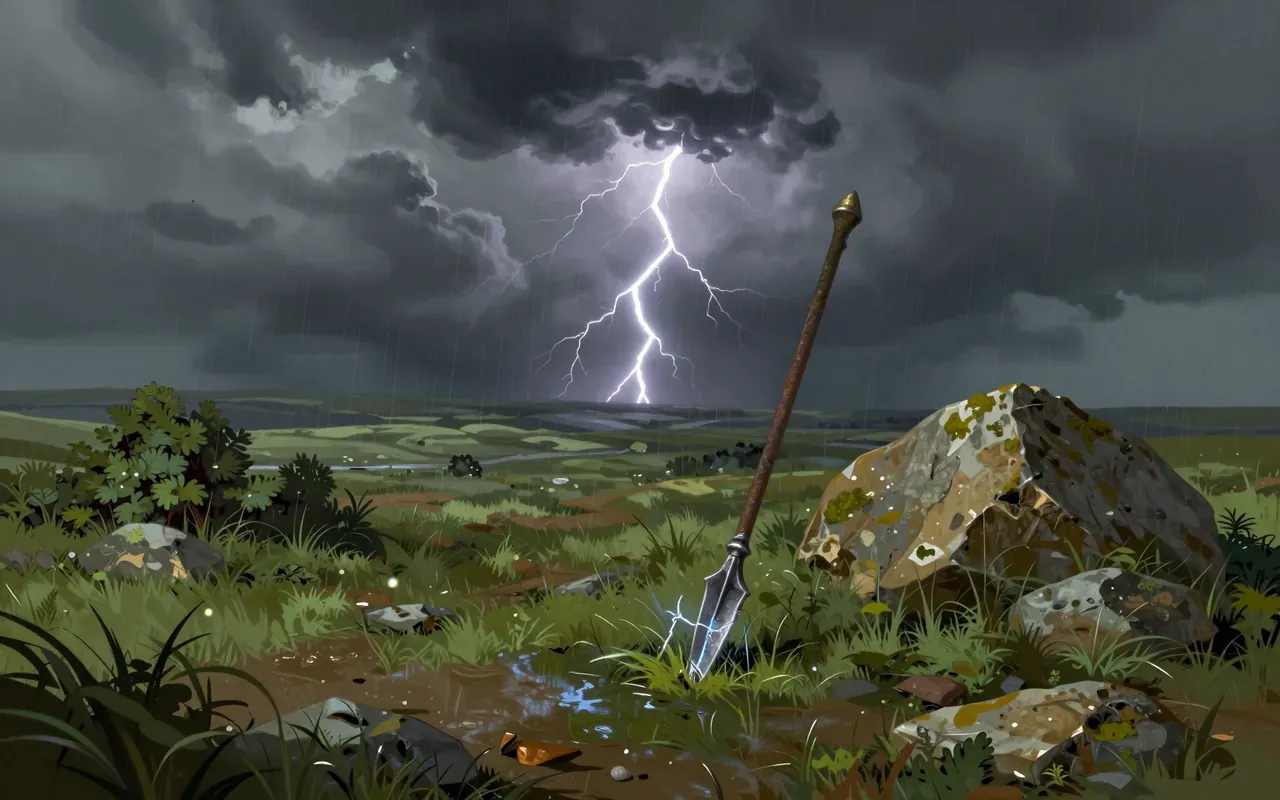
Breath of the Wild replaces authored sequence with systemic consequence. Its design asks you to observe, test, and adapt — then discard your answer when the next object breaks, the next storm hits, or the next slope demands a new use for the same shield.

12:48

The Secret of Monkey Island

LucasArts · 1990

A foundational point-and-click adventure that prioritised interface clarity and consequence-free exploration over challenge or realism.

9:24

Tony Hawk's Pro Skater 2

Neversoft · 2000

Tony Hawk's Pro Skater 2 is a tightly wound trick-chaining machine — built for repetition, reward, and escalating absurdity. Its fixed camera and autonomous skater create a distinct physical language. Its loose physics serve the loop, not realism. It offers no story, no stakes beyond your own score — and that’s exactly why it holds up.

12:08

Total War: Shogun 2

Creative Assembly · 2011

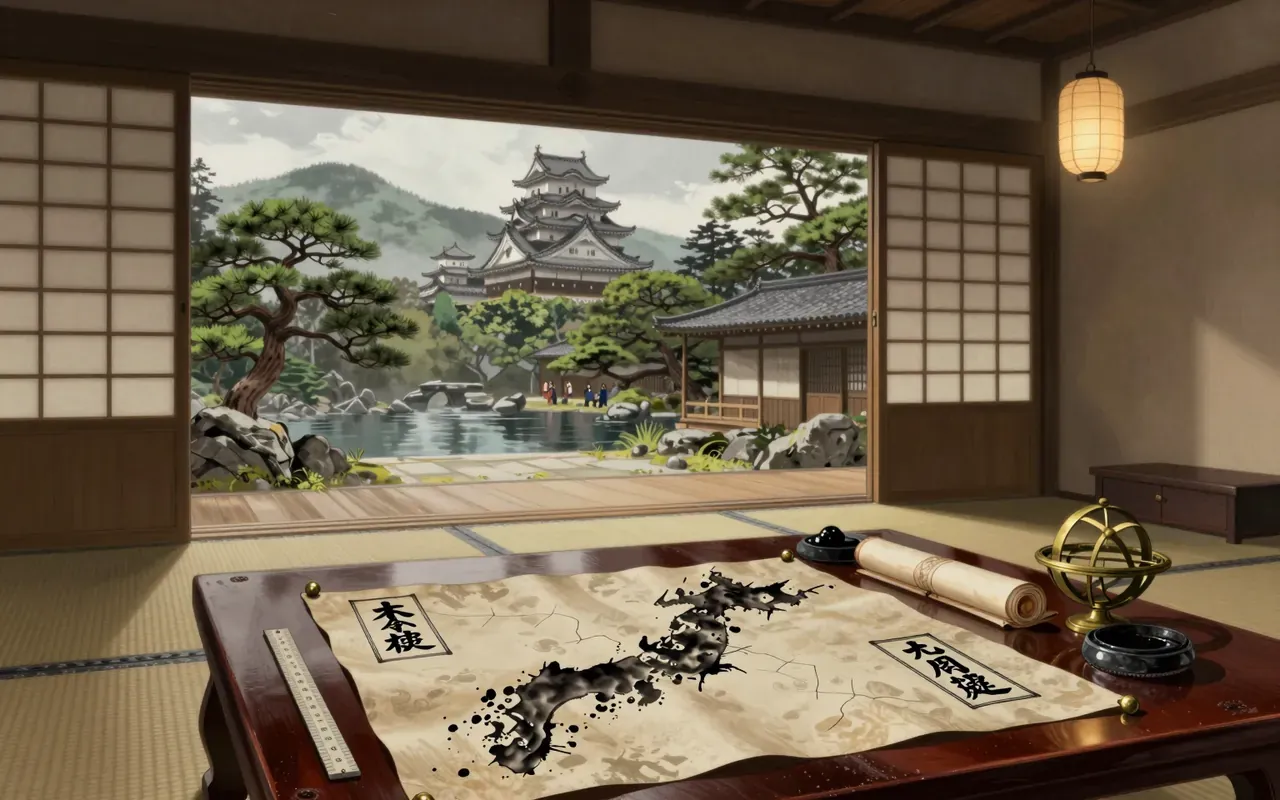
Total War: Shogun 2 is a systemic strategy game that demands sustained attention across long sessions. It gives players deep control over settlement, economy, religion, diplomacy, and battlefield tactics—but offers no hand-holding for their interplay. Its strength lies in enforced trade-offs: ashigaru versus samurai, stealth versus siege, faith versus expansion. It assumes competence, not curiosity.

11:06

1080° Snowboarding

Nintendo · 1998

1080° Snowboarding is a Nintendo 64 snowboarding game released in 1998. Players control one of five snowboarders in third-person across eight levels. Core gameplay splits between racing (Race, Time Attack, 2 Players, Match Race) and trick-based scoring (Trick Attack, Contest). Tricks — 24 standard and 5 secret — fall into grab or spin categories and require circular stick motions plus R, Z, and B inputs. Scoring rewards complexity, combos, and timing. Characters and boards have distinct stats affecting technique, speed, weight, balance, and edge control. The game emphasises realistic physics and responsive controls.

9:13

Advance Wars 2: Black Hole Rising

Intelligent Systems · 2003

Advance Wars 2: Black Hole Rising is a Game Boy Advance turn-based strategy game released in 2001 by Intelligent Systems. It refines the Wars series’ core loop with non-linear campaign progression, Super CO Powers, and terrain-specific objectives like capturing Black Cannons. It asks players to sequence actions across turns with precision, not flair. Its rigour is its strength—and its limit.

9:22

Arma 3

Bohemia Interactive · 2013

Arma 3 is a military simulation released for PC in September 2013 by Bohemia Interactive. It runs on expansive, photorealistic terrains spanning hundreds of square kilometres. Its realism is systemic: weapons obey ballistics, diving requires dedicated equipment, and electronic warfare or disguise can replace combat entirely. Nearly all gameplay systems—including AI, HUD, and assists—are adjustable via custom difficulty settings. Players pursue fixed mission objectives through self-directed tactics, from solo stealth to squad coordination. It supports extensive modding and user-generated content via the Eden Editor. It is not a narrative-driven shooter. It is a toolset for tactical problem-solving under self-imposed constraints.

10:29

Broken Sword: The Shadow of the Templars

Revolution Software · 1996

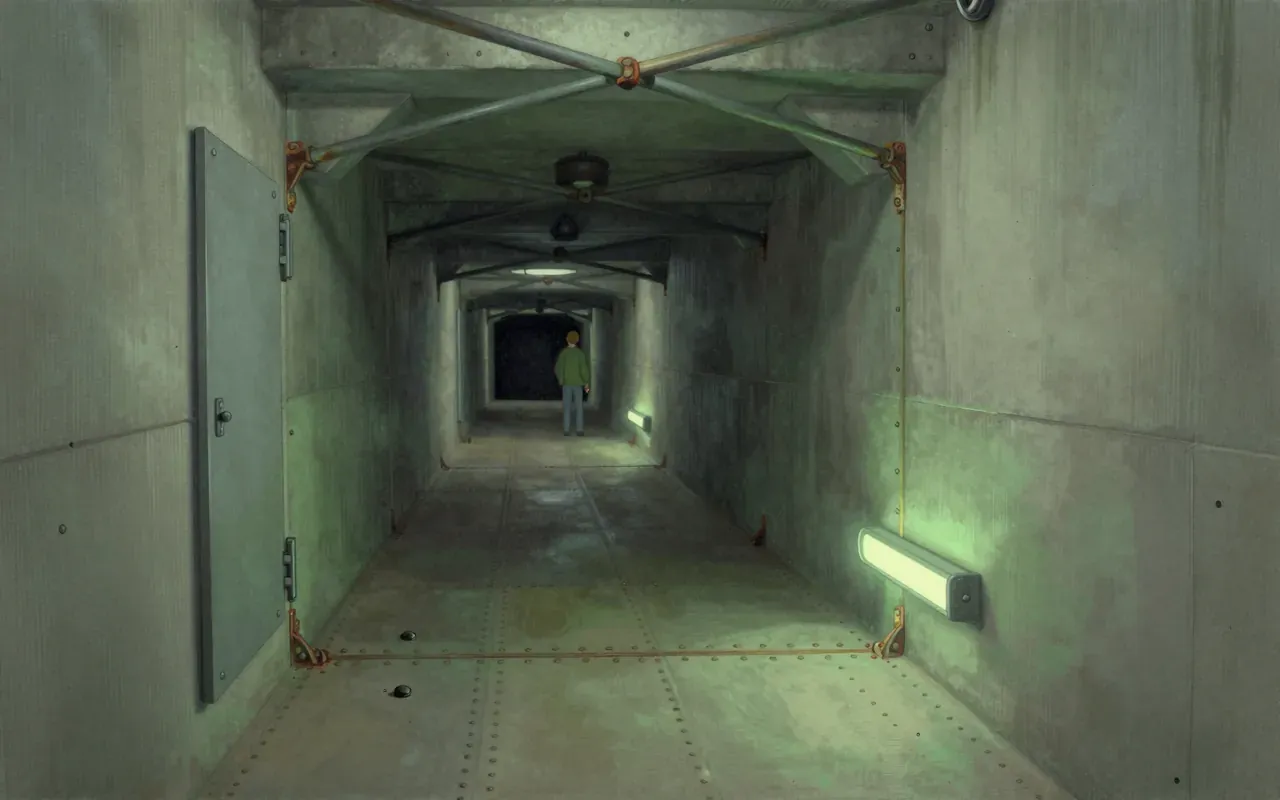
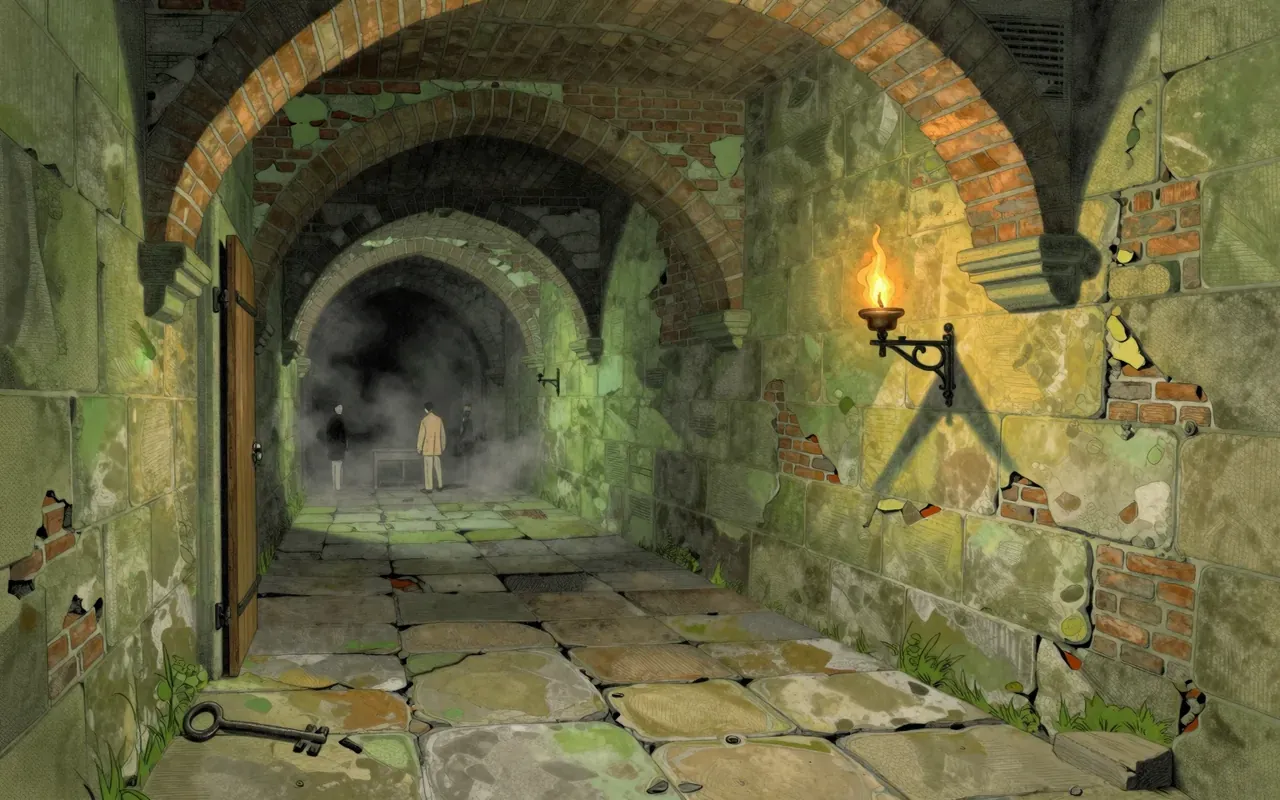
Broken Sword: The Shadow of the Templars is a 1996 point-and-click adventure game developed by Revolution Software. It stars George Stobbart and Nicole Collard in a globe-trotting investigation sparked by a bombing in Paris. Players solve puzzles using a point-and-click interface, hand-drawn environments, and dialogue-driven exposition. Death is possible — a rarity for its time — and saves are manual. It launched on PC and PlayStation in 1996, with a Game Boy Advance port in 2002.

9:35

Broken Sword II: The Smoking Mirror

Revolution Software · 1997

Broken Sword II: The Smoking Mirror is a 1997 point-and-click adventure by Revolution Software. It runs on PC and PlayStation. Players guide George Stobbart—and briefly Nicole Collard—through hand-drawn 2D environments using a mouse or gamepad. Interaction relies on right-clicking for clues, branching dialogue for exposition, and collecting/combining objects to solve puzzles. A dynamic map unlocks new locations as the story progresses. It sold one million copies in the mid-1990s and was well received.

10:22

Colin McRae Rally (1998 video game)

Codemasters · 1998

Colin McRae Rally (1998) is a Codemasters rally simulation built around the 1998 World Rally Championship. It structures progression across three difficulty tiers — Novice (F2 front-wheel-drive), Intermediate (WRC four-wheel-drive), and Expert (Group B classics) — each with distinct cars and increasing challenge. Colin McRae and Nicky Grist provide authentic voice work, with McRae serving as the tutorial instructor. The game supports LAN multiplayer for up to eight players and two-player split-screen. A cheat-enabled Easter egg parodies the Barney and Betty Hill alien abduction incident. It was distributed in North America by Warner Bros. Interactive Entertainment.

9:56

Command & Conquer (1995 video game)

Westwood Studios · 1995

Command & Conquer (1995) is a real-time strategy game developed by Westwood Studios. It builds on Dune II’s interface and adds pre-rendered 3D sprites, FMV briefings, and a streamed pop/rock/techno soundtrack. Players command GDI or Nod in a Tiberium-fuelled war. They deploy an MCV on flat land, gather Tiberium via harvesters, convert it to credits at refineries, store excess in silos, maintain power with plants, build units in faction-specific production structures, and advance along a tech tree. GDI prioritises firepower and armour at higher cost and slower speed; Nod prioritises speed, numbers, and unconventional tactics at lower durability and weaker weapons. Campaigns feature branching mission selection, FMV briefings, and objectives to destroy or capture enemy forces and bases. The DOS release supported up to four-player multiplayer; the Gold edition expanded this.

9:46

Dance Dance Revolution (1998 video game)

Konami · 1998

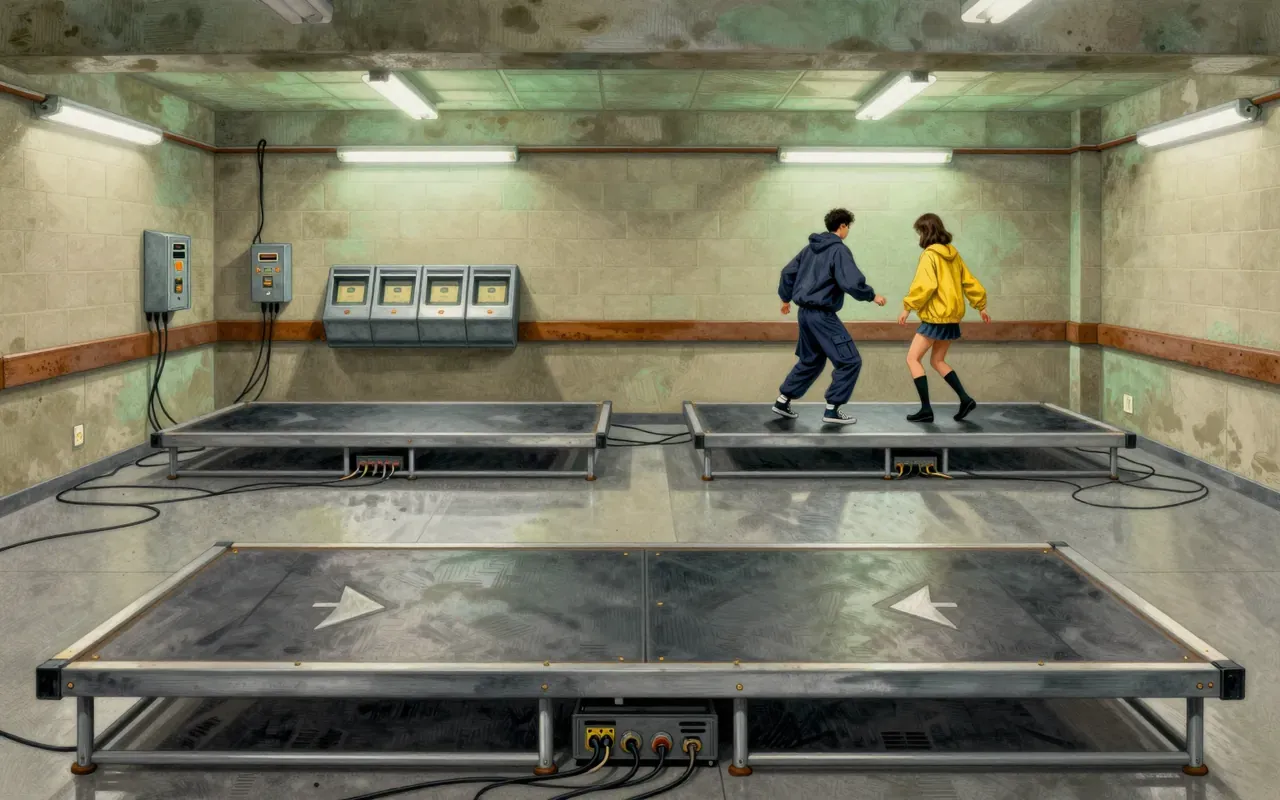
Dance Dance Revolution (1998) is a Konami arcade rhythm game that turns footwork into score. Players match scrolling arrows with steps on a dance pad. Timing judgments affect a life meter — the Dance Gauge — whose depletion ends the song. Combo tracking, step counts, and letter grades follow each performance. It runs under Konami’s Bemani brand. It has no narrative, no progression beyond song selection, and no solo longevity without hardware or social context.

11:36

Fatal Frame II: Crimson Butterfly

Tecmo · 2003

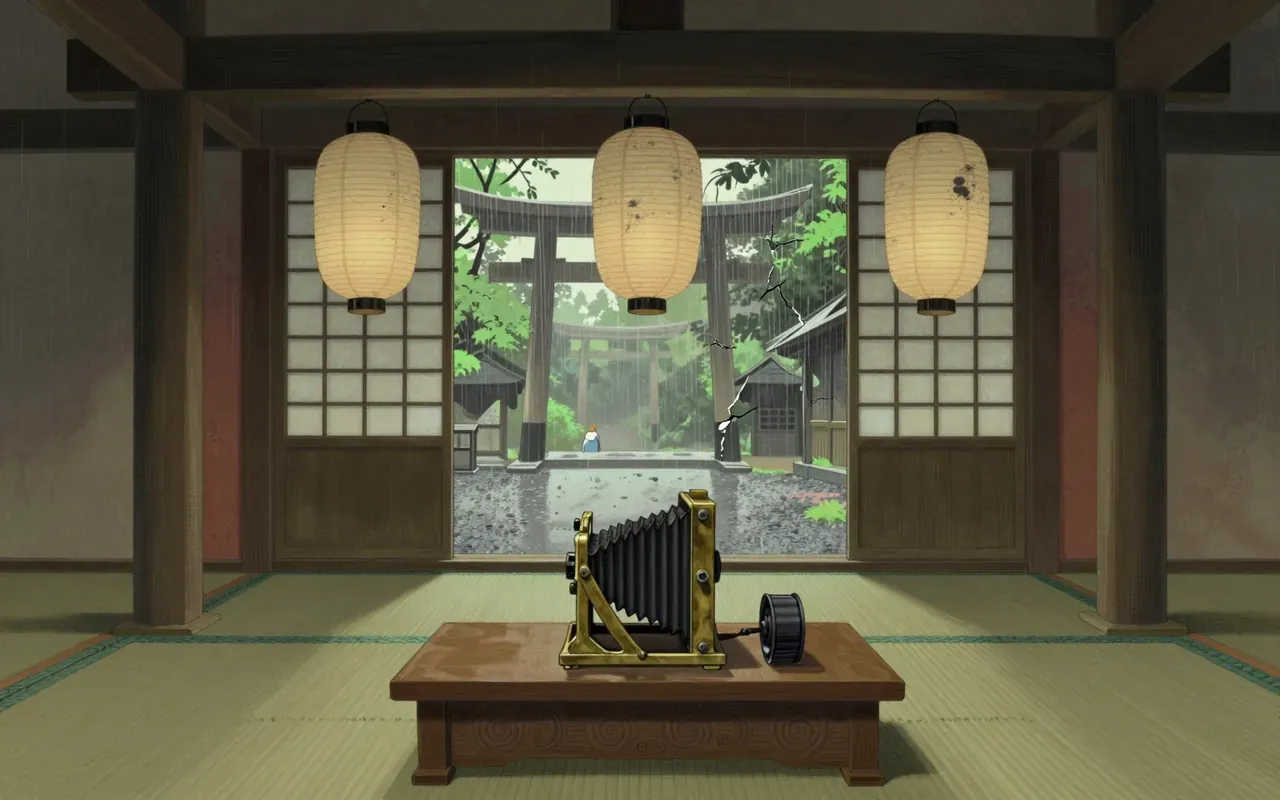
Fatal Frame II: Crimson Butterfly is a survival horror game developed and published by Tecmo in 2003. Players control Mio Amakura exploring the haunted Minakami Village, often alongside or searching for her sister Mayu. Exploration uses a fixed third-person camera, shifting to first-person when using the Camera Obscura—the primary tool for solving puzzles (via photographing objects and solving riddles) and fighting ghosts. Ghosts are signaled by coloured filaments (blue for friendly, red for hostile), and combat requires precise framing and timing, including mid-attack shots and the 'Shutter Chance' mechanic. Mayu’s presence aids puzzle-solving but also exposes her to ghost attacks, and both sisters’ health is critical—excessive damage ends the game. The narrative centres on a cursed twin ritual tied to the village’s history, with multiple endings determined by player choices, especially regarding Mayu’s fate.

10:22

F.E.A.R. (video game)

Monolith Productions · 2005

F.E.A.R. is a first-person shooter psychological horror game developed by Monolith Productions in Kirkland, Washington. It uses the studio’s LithTech engine and centres on reflex time, adaptive AI, and melee as a core combat pillar.

9:24

Final Fantasy XIV

Square Enix · 2013

Final Fantasy XIV (2013) is a subscription MMORPG rebuilt after failure. It runs on PlayStation 3 and Windows. Players choose a geolocated server and begin only as Disciples of War or Magic. Its UI unifies PC and console inputs. Translation enables basic cross-language communication. Crafting and gathering are locked at launch. The economy runs through market boards, not direct trade. It follows Final Fantasy XI (2002). It was developed by the Final Fantasy XI team using Crystal Tools.

9:47

Full Throttle (1995 video game)

LucasArts · 1995

Full Throttle is a 1995 LucasArts graphic adventure game built on SCUMM with INSANE for FMV, played from a third-person perspective using point-and-click navigation.

10:51

Gran Turismo (1997 video game)

Polyphony Digital · 1997

Gran Turismo (1997) is a PlayStation sim racing game developed by Polyphony Digital. It emphasises realism through physics-driven handling, two distinct modes—Arcade and Simulation—and a curated roster of 140 cars from Japanese manufacturers. It was the first game to fully support the DualShock controller. It does not feature car damage. Its design prioritises mechanical fidelity over spectacle, progression over immediacy, and menu clarity over visual density.

9:26

Gran Turismo 3: A-Spec

Polyphony Digital · 2001

Gran Turismo 3: A-Spec is a PlayStation 2 racing simulator built around linear, tiered progression, realistic driving physics, and graphical fidelity over breadth.

8:25

Journey (2012 video game)

Thatgamecompany · 2012

Journey is a PlayStation 3 game where a cloaked figure walks across a desert toward a distant mountain. Flight is enabled by a magical scarf whose charge depletes and recharges near red cloth or glowing symbols. Players may meet one anonymous co-player per session, cooperating silently through chimes that transform cloth to alter the world — opening paths or levitating players — with no speech, text, or visible names until the credits.

9:58

League of Legends

Riot Games · 2009

League of Legends is a five-versus-five MOBA where two teams push lanes, level champions via XP, spend gold on items, and destroy the enemy Nexus. It launched free-to-play on 27 October 2009. It has no single-player mode. It draws from Defense of the Ancients and Asian free-to-play design. It asks for sustained attention, team coordination, and adaptation to constant change.

9:28

Metal Gear Solid 2: Sons of Liberty

Hideo Kojima / Konami · 2001

Metal Gear Solid 2: Sons of Liberty is a PlayStation 2 stealth-action game released in 2001 by Konami. It features two narrative chapters—the 'Tanker' prologue with Solid Snake and the 'Plant' main section with Raiden—set near New York City in an alternate-history timeline. Its stealth loop relies on observation, environmental interaction, and squad-based enemy AI. It explores memetics, information control, and freedom of thought through a postmodern, fourth-wall-breaking structure.

9:06

Monkey Island 2: LeChuck's Revenge

LucasArts · 1991

Monkey Island 2: LeChuck's Revenge is a 1991 LucasArts SCUMM-based point-and-click adventure game that introduced iMUSE, used Puzzle Dependency Charts, and offered dual puzzle-difficulty modes.

9:56

Need for Speed: Most Wanted (2005 video game)

Black Box · 2005

Need for Speed: Most Wanted (2005) is a street-racing game set in the fictional city of Rockport. Players use licensed real-world cars to defeat 15 Blacklist racers, complete varied race types—including Tollbooth and Speedtrap—and evade increasingly aggressive police pursuits governed by a heat-based escalation system. Cars can be upgraded and customised in Career mode. The game features Career, Quick Race, Challenge Series, and multiplayer modes on certain console editions.

8:21

Osu!

peppy · 2007

osu! is a rhythm game built on precision, community curation, and mouse-driven timing. It asks for sustained attention, fine motor control, and tolerance for repetition. It gives back measurable progress, granular difficulty tuning, and a vast library of player-made challenges. It withholds narrative, accessibility for non-mouse users, and any abstraction between intent and execution.

9:36

Overwatch (2016 video game)

Blizzard Entertainment · 2016

Overwatch is a team-based, online multiplayer first-person shooter released by Blizzard Entertainment in May 2016. It reuses assets from the cancelled Titan project but builds a new near-future world around the Omnic Crisis and the Overwatch peacekeeping force. Two teams of six select from over two dozen heroes—categorised as Damage, Tank, or Support—each with unique kits and an ultimate ability charged by combat actions. Players switch heroes mid-match to adapt to objectives like capturing control points or escorting payloads, all within time limits and asymmetric attacker-defender framing. Custom game modes are possible via limited scripting tools. Progression yields only cosmetic loot boxes. The setting is bright, cartoonish, and optimistic.

10:48

Prey (2017 video game)

Arkane Studios · 2017

Prey (2017) is a first-person immersive sim set aboard the Talos I space station. You play as Morgan Yu, a scientist surviving a Typhon outbreak. You begin with a wrench and gradually unlock weapons, Neuromod abilities, and environmental tools. Talos I opens in stages—from linear missions to free exploration—and supports multiple solutions via systemic interactions: oil spills, turrets, explosive canisters, and the Gloo Cannon. It draws inspiration from System Shock and Arx Fatalis. It shares only its name with Human Head Studios’ earlier Prey series. It was developed by Arkane Austin under Raphaël Colantonio’s leadership.

9:50

Quest for Glory: So You Want to Be a Hero

Sierra On-Line · 1989

Quest for Glory: So You Want to Be a Hero is a 1989 hybrid adventure/RPG by Sierra On-Line. It asks players to type commands, track time, manage hunger and fatigue, and develop skills organically—not through levels, but through action. Class choice (Fighter, Magic User, Thief) determines starting tools, puzzle solutions, and quest access—but cross-class skills are possible. Its systems behave like physical laws: predictable, persistent, and indifferent to player expectation.

10:07

Richard Burns Rally

SMS Developers · 2004

Richard Burns Rally is a sim racing game developed by Warthog and published by SCi in 2004. It features eight cars and thirty-six rally stages modelled from real locations including Gateshead forest, Nevada, Canberra, Hokkaido, the French Alps, and the Arctic Circle. Its defining trait is an uncompromising physics engine shaped by on-location scouting, precise measurement of road width, camber and texture, and direct input from rally drivers Richard Burns and Possum Bourne. It simulates both classic and modern rallying, and is defined by high difficulty—not as a flaw, but as a consequence of its fidelity-first design.

9:00

Ridge Racer (1993 video game)

Namco · 1994

Ridge Racer (1993) is a Namco arcade racing game built on System 22 hardware, defined by drifting, texture-mapped 3D graphics, and a lap-based race loop across one track in four difficulty tiers.

9:32

R4: Ridge Racer Type 4

Namco · 1998

R4: Ridge Racer Type 4 is a PlayStation racing game centred on powersliding — using either Drift (single brake tap) or Grip (brake/gas alternation) depending on car make — within a structured Grand Prix progression where qualifying positions determine vehicle unlocks and upgrades. It introduces team- and manufacturer-based story modes, Time Attack, two-player split-screen VS. Battle (a series first), four-player Link Cable support, car decoration, Extra Trials versus prototypes, and PocketStation integration for car trading in Japan.

10:48

Samurai Shodown (1993 video game)

SNK · 1993

Samurai Shodown (1993) is a weapon-based 2D fighting game released by SNK for the Neo Geo arcade system. Set in late-1780s feudal Japan, it replaces hand-to-hand combos with deliberate, high-risk strikes. Slow motion highlights impact. A referee lifts white or red flags to confirm hits. Blood appears on contact. It is SNK’s first arcade fighter built around weapons.

9:14

Shinobi (1987 video game)

Sega · 1987

Shinobi (1987) is a Sega arcade game where Joe Musashi fights Zeed across timed stages using shurikens, melee, and one-per-stage ninjutsu techniques. Movement is precise. Death is absolute. Progression is hostage-driven. It is not about lore, scale, or stamina — it is about reading space, committing to motion, and choosing when to spend your one irreplaceable power.

9:48

Skate (2007 video game)

EA Black Box · 2007

Skate (2007) replaces animation with physics, and menus with motion. Its 120 Hz input loop forces players to internalise flick timing. It gives full control of trick execution — then withholds walking, dismounting, and female skaters. It asks for wrist discipline, not button memorisation. It rewards patience with authenticity, not spectacle.

9:45

Tom Clancy's Splinter Cell (video game)

Ubisoft Montreal · 2002

Tom Clancy's Splinter Cell (2002) is a stealth action-adventure developed by Ubisoft Montreal, built from assets of the cancelled third-person shooter The Drift. It establishes light as a core gameplay stat via a persistent light meter, forces players into shadows, limits ammunition, and ties all vision modes—including night and thermal—to that same visibility logic. It was Ubisoft Montreal’s breakout title and a direct competitive response to Metal Gear Solid.

8:40

Tom Clancy's Splinter Cell: Chaos Theory

Ubisoft Montreal · 2005

Tom Clancy's Splinter Cell: Chaos Theory is a 2005 stealth action game developed by Ubisoft Montreal. It refines the series' core stealth loop around two interdependent detection systems: light exposure and relative noise. Guards react intelligently to environmental changes and coordinate tactically. Alarms trigger only on discovery—not on being seen—and no longer cause automatic failure. It expands close-quarters options and introduces equipment loadouts tied to lethality constraints.

10:58

Thief: The Dark Project

Looking Glass Studios · 1998

Thief: The Dark Project is a 1998 stealth game by Looking Glass Studios. It uses light and sound as core mechanics. Players assume the role of Garrett in a first-person, unscripted 3D world. Objectives are discrete—like stealing a specific object—and must be completed to advance. A visibility gem on the HUD indicates detectability. NPCs react to environmental cues. Eidos Interactive published it.

12:14

Thief II

Looking Glass Studios · 2000

Thief II is a foundational immersive sim built on light, sound, and consequence. It asks players to move like a thought — unseen, unheard, deliberate. Its design remains coherent decades later. Its pacing and opacity do not.

10:48

TrackMania Turbo (2016 video game)

Nadeo · 2016

TrackMania Turbo is a 2016 arcade racing game by Nadeo. It delivers stunt-focused, high-speed racing across four themed locations—Canyon Grand Drift, Valley Down and Dirty, Rollercoaster Lagoon and International Stadium—with over 200 tracks. It includes a single-player campaign, cooperative Double Driver mode, local split-screen for up to four players on PlayStation 4, Xbox One and PC, and a track editor with random generation.

12:05

BeamNG.drive

BeamNG · 2015

BeamNG.drive is a sandbox vehicle simulation game built around soft-body physics. It features career mode, campaigns, time trials, and free roam. Campaigns consist of small scenarios themed around races, chases, and stunts. In time trials, players compete against their own best time using selected vehicles, maps, and routes. In free roam, players can operate, place, and manipulate objects and vehicles within maps. They can also change environmental properties such as time, gravity and wind. Players can utilize various objects ranging from road barriers to weapons such as cannons in order to inflict damage on other vehicles.

8:49

Bejeweled (video game)

PopCap Games · 2001

Bejeweled is a browser-based match-three puzzle game developed by PopCap Games and first released in 2000. Players swap adjacent gems to form lines of three or more identical gems, clearing them and triggering cascading falls. Swaps that fail to produce a match revert automatically. It features untimed and timed modes — the former ending when no moves remain, the latter requiring point accumulation to stall a depleting timer — and later introduced competitive multiplayer with special gems.

9:16

EarthBound

Nintendo · 1994

EarthBound is a 1994 Nintendo RPG that rejects the genre’s conventions: no overworld map, no random encounters, no top-down grid. Instead, it builds a seamless, oblique-projection world where enemies are visible NPCs, combat begins with spatial positioning, and progression is deliberately unstable. It asks players to read the environment, not the menu.

10:12

Far Cry (video game)

Crytek · 2004

Far Cry (2004) is a first-person shooter set in a dynamic tropical archipelago. It uses environmental cover, sound, and optical tools to create a sensor-driven combat loop. Enemies react, coordinate, and communicate. Its open maps contrast with linear missions. It is Crytek’s debut AAA title, built on CryEngine, and the first Far Cry game.

11:58

Gunpoint (video game)

Tom Francis · 2013

Gunpoint is a stealth-based puzzle-platform game where players control freelance spy Richard Conway to infiltrate buildings, avoid guards, and bypass security using gadgets like the Crosslink tool.

8:32

Insurgency (video game)

New World Interactive · 2014

Insurgency (2014) is a tactical shooter defined by omission: no crosshair, no health bar, no minimap, no instant respawn. Players join Security or Insurgents in a fictional Middle Eastern conflict. At round start, they spend supply points on class-specific weapons. Guns kill fast. Death means spectating until their team completes an objective. Every design choice removes feedback to force presence, patience, and trust.

8:53

Plants vs. Zombies (video game)

PopCap Games · 2009

Plants vs. Zombies is a tower defence and strategy video game developed and originally published by PopCap Games for Windows and OS X in May 2009.

10:18

Project Gotham Racing (video game)

Bizarre Creations · 2001

Project Gotham Racing is a 2001 Xbox racing game developed by Bizarre Creations. It uses the Kudos system to reward stylish driving—power sliding, two-wheeling, and overtaking—with points that decay on collision. Players advance by meeting both speed and Kudos thresholds across three modes: Kudos Challenge (medal-based style events), Quick Race (five-car races), and Arcade Race (additional style challenges). It runs at 60 FPS and supports split-screen multiplayer.

10:59

Rock Band (video game)

Harmonix · 2007

Rock Band (2007) is a four-player rhythm game developed by Harmonix. It simulates rock performance using instrument-shaped controllers for lead guitar, bass guitar, drums, and vocals. Scoring depends on timing accuracy for instruments or pitch-matching for vocals. It launched across Xbox 360, PlayStation 3, PlayStation 2, and Wii—with feature parity highest on Xbox 360 and PlayStation 3. Post-launch, Harmonix supported PlayStation 3 and Xbox 360 with weekly downloadable songs.

10:13

Shining Force

Sega · 1992

Shining Force is a turn-based tactical role-playing game published by Sega during its console era (1983–2001), grouped with franchises like Phantasy Star and Megami Tensei. Battles occur on square grids: units move by Move stat, act once per turn (attack, cast, use item, or search), and turn order combines agility and randomness. Units gain EXP from combat and supportive actions like healing, enabling level progression. Allied units are individually characterized—each with background and personality—similar to Fire Emblem. Exploration mode functions as a traditional Japanese-style RPG, with Max representing the army outside battle. No claims support narrative branching, real-time elements, or modern UX features.

9:58

Super Smash Bros. Brawl

Nintendo · 2008

Super Smash Bros. Brawl is a Nintendo-published platform fighter released in 2008. It uses percentage-based damage, ring-out objectives, simplified controls, and Smash Ball-triggered Final Smashes. It supports local multiplayer with multiple controllers, custom profiles, and single-player modes including The Subspace Emissary.

10:02

Wipeout (video game)

Psygnosis · 1995

Wipeout is a 1995 PlayStation anti-gravity racing game set in the F3600 league of 2052. Players select from eight craft—two per team—each defined by acceleration, top speed, mass, and turning radius. Six tracks depict futuristic Canada, the United States, and Japan. A seventh, Firestar, is set on Mars and unlocked only after completing the Rapier Championship.

8:58

Boulder Dash (video game)

First Star Software · 1984

Boulder Dash is a deterministic puzzle game built on gravity, grids, and consequence. It gives you Rockford, dirt, boulders, time, and diamonds—and nothing else. Its rigour is its reward.

10:40

Centipede (video game)

Atari · 1981

Centipede is a fixed shooter arcade game developed and published by Atari, Inc. in 1981. The player controls the Bug Blaster at the bottom of the screen with a trackball and shoots upward at a segmented centipede descending through a field of mushrooms. Shooting a segment turns it into a mushroom and splits the centipede; the rear piece grows a new head. The centipede moves horizontally until hitting a mushroom or screen edge, then drops one level and reverses. Mushrooms take four shots to destroy and award one point each. Their accumulation speeds the centipede’s descent. A 1998 Windows PC remake was released by Hasbro Interactive.

9:54

Clannad (video game)

Key · 2004

Clannad (2004) is a visual novel by Key that uses dialogue choices to navigate a branching narrative across two arcs—School Life and After Story—gated by a light-collection mechanic requiring full scenario completion for the true ending.

8:28

Defender (video game)

Williams Electronics · 1981

Defender is a 1981 coin-operated arcade shooter by Williams Electronics. It demands constant attention across multiple threats on a scrolling, featureless planetary surface. Its control scheme fractures movement and action. Its scoring system rewards endurance, not mastery. Its influence is real — but its play is uncompromising.

9:52

Deus Ex (video game)

Warren Spector / Ion Storm · 2000

Deus Ex (2000) is an action role-playing game developed by Ion Storm and directed by Warren Spector. It combines first-person shooter, stealth, and RPG elements in a hub-based city structure. Players control JC Denton, a nanotech-augmented agent, and navigate environments using climbing, swimming, crouching, and object interaction. Missions are optional and objectives permit multiple solutions—stealth, hacking, or armed assault. Dialogue choices affect some events. Augmentations are permanent and energy-costed. Inventory space is limited. The game was built on the Unreal Engine, requiring added RPG systems. A post-release patch added deathmatch-style multiplayer.

9:34

Fallout (video game)

Interplay · 1997

Fallout (1997) is a foundational CRPG built on rigid arithmetic and player-driven consequence. Its design refuses abstraction: if your Luck is six, you fail 40% of critical rolls. If your Speech is 65%, you unlock one branch—not all. It does not ask you to believe. It asks you to calculate.

9:25

Joust (video game)

Williams Electronics · 1982

Joust is a Williams Electronics coin-operated arcade game from 1982. It features two-player cooperative or competitive play on a single screen with floating rock platforms above lava. Players control knights on birds — ostrich for Player 1, stork for Player 2 — using horizontal joystick movement and vertical wing-flap timing. Combat resolves via mid-air lance collision based on relative height. Defeated enemies become falling eggs that can be collected for points or left to hatch into new enemies. Three enemy types — Bounder, Hunter, Shadow Lord — differ in colour, AI behaviour, and point value. A pterodactyl appears periodically and must be defeated during a precise animation frame. An indestructible Lava Troll grabs low-flying characters. Lives are lost on collision or lava contact. The game was widely ported to home systems by external developers and publishers.

9:23

Metroid (video game)

Nintendo · 1986

Metroid (1986) is a foundational action-adventure game where Samus Aran explores the planet Zebes, acquiring abilities like the Morph Ball and Screw Attack to unlock new areas. It uses nonlinear progression, mandatory boss fights (Kraid and Ridley), and a password save system. It is one of Nintendo’s major franchises and features Samus Aran, a Nintendo character with international recognition.

9:53

RollerCoaster Tycoon (video game)

Chris Sawyer · 1999

RollerCoaster Tycoon is a solo-built, tile-based construction and management simulation released in 1999 for Windows. Developed entirely by Chris Sawyer in x86 assembly language, it reflects his Lego-like design philosophy and interest in roller coaster engineering rather than personal riding experience. Players complete 21 preset scenarios (81 total with expansions) by building amusement parks, designing custom roller coasters piece-by-piece, hiring staff with defined roles, modifying terrain, and balancing visitor needs through strategic placement of amenities.

10:04

Splatoon (video game)

Nintendo · 2015

Splatoon is a Nintendo-developed and published team-based third-person shooter released in 2015 for the Wii U. It features online four-versus-four matches, local one-versus-one, and a single-player campaign. Players control Inklings who transform between humanoid and squid forms. In humanoid form, they shoot ink to cover terrain or splat opponents. In squid form, they swim through their own ink—including up walls and through grates—to hide and replenish ink. Enemy ink impedes movement, blocks swimming, and deals damage. Matches use the Wii U GamePad for map viewing and teammate launching, and players enter with a primary weapon, secondary weapon, and a special attack charged by inking terrain. Four competitive multiplayer modes define the experience: Turf War, Splat Zones, Tower Control, and Rainmaker.

9:14

Super Smash Bros. (video game)

Nintendo · 1999

Super Smash Bros. (1999) is a Nintendo-published crossover fighting game that discards life bars for percentage-based knockback physics. Players move freely in two dimensions across large, dynamic stages. Damage increases as a percentage, making characters fly farther with each hit. KOs occur when a character is launched off open stage boundaries. Recovery is possible mid-air using jumps. All characters share identical control schemes. The game prioritises aerial mobility and stage awareness over traditional fighting game conventions like blocking or complex inputs.

11:09

Sweet Home (video game)

Capcom · 1989

A 1989 Famicom RPG that uses mansion architecture, fixed-character utility, and irreversible consequences to build tension—not through jump scares, but through scarcity and spatial logic.

10:48

The Longest Journey (video game)

Funcom · 1999

The Longest Journey is a third-person point-and-click adventure game developed and published by Funcom in 1999. It is structured in chapters where players advance the story by completing tasks like talking to characters and solving puzzles. Dialogue is expansive and mostly non-essential to progression, serving instead to build character, location, and lore. Input differs by platform: PC uses a context-sensitive mouse cursor, iOS uses touch-screen interaction. Interaction is guided by icons: Eye for examine, Mouth for talk/consume, Hand for use/pick up. On PC, the cursor changes colour to signal interactivity: red for exits, light blue for multi-action objects. A map screen enables travel between major locations, with new destinations unlocking as the story progresses. Puzzles rely on subtle environmental and conversational clues. Items are stored in an inventory and flash when usable on a compatible object. The game was very well-received both by critics and users. The game was published in 9 languages: English, Norwegian, French, Dutch, Swedish, Italian, Polish, Russian and Spanish.

9:52

The Sims (video game)

Will Wright / Maxis · 2000

The Sims is a social simulation video game developed by Maxis and published by Electronic Arts in 2000. Designed by Will Wright, it allows players to create and control virtual people called Sims, build and furnish homes, and manage Sims' needs, relationships, careers, and household finances. Its open-ended gameplay has no fixed win condition. The Sims is an artificial life game built around simulated characters who respond to needs, objects, and other Sims. Although Sims can act autonomously when free will is enabled, the player usually directs their actions, manages their household, and decides how they develop relationships, skills, careers, and homes. Because the game has no fixed win condition, it can be played indefinitely and has been described as more like a toy than a traditional game. Sims are influenced by the player to interact with objects or other Sims. If enabled in the game's options, Sims have a certain amount of free will, allowing them to autonomously interact with their world; however, the player can override most of these autonomous actions by canceling them in the action queue at the top of the screen.

9:28

Time Crisis (video game)

Namco · 1997

Time Crisis is a 1995 Namco arcade light-gun shooter defined by its foot pedal mechanic, three-stage structure, and strict one-minute countdown per area. It asks players to balance rapid shooting with minimal ducking to conserve time. It helped set the standard for the lightgun shooter genre. Its design offers no narrative, no flexibility, and no recovery—only repetition, rhythm, and risk.

11:24

Virtua Fighter (video game)

Sega · 1994

Virtua Fighter (1994) is the first 3D fighting game. It uses wireframe and flat-shaded quad polygons. Movement is restricted to two dimensions within a 3D space. It has eight playable characters, each with distinctive moves. Single-player mode requires fighting all eight in fixed order, then facing boss Dural. Matches are best-of-three, won by knockout, ring-out, or higher health at round end. Controls are limited to a stick and three buttons: punch, kick, guard. A port was bundled with the Sega Saturn at Japanese launch and sold at nearly one-to-one ratio with the console. Virtua Fighter and Virtua Fighter 2 together became Sega's best-selling arcade games of all time.

9:30

Civilization VI

Firaxis · 2016

Civilization VI is a turn-based 4X strategy game where players grow a single civilization from antiquity to the near future by exploring, expanding, exploiting, and exterminating.

10:46

Final Fantasy XIV: Stormblood

Square Enix · 2017

Stormblood is a systemic expansion — not a story one. It builds around constraints: fixed-level raids, XP loss on death, mecha-bound PvP, and jobs that start mid-level. It rewards precision, repetition, and group discipline. It withholds flexibility, narrative integration, and trial access to its hardest content.

10:38

Forza Horizon 5

Playground Games · 2021

Forza Horizon 5 is a racing game set in an open world modelled on Mexico. It was developed by Playground Games and published by Xbox Game Studios for Windows, Xbox One, and Xbox Series X/S.

8:25

NBA Street

EA Sports · 2001

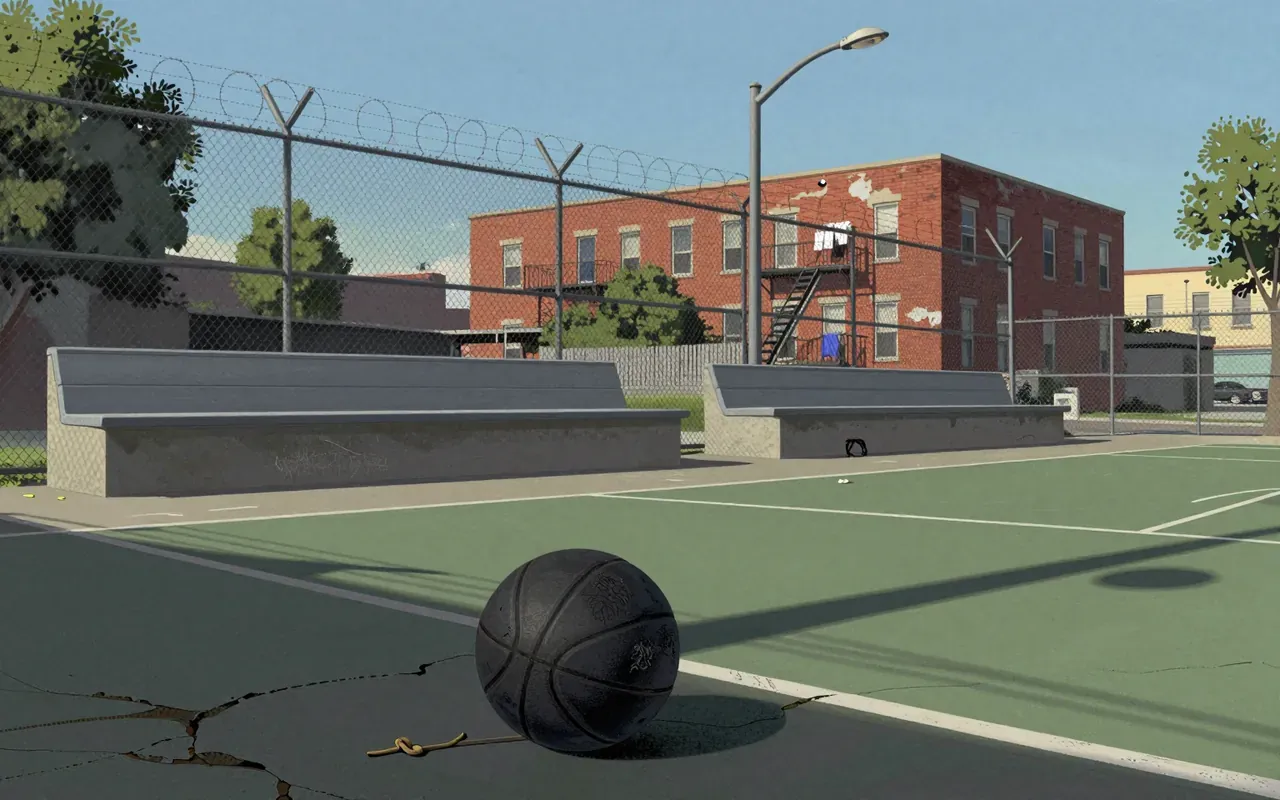
NBA Street is a deliberate departure from EA Sports’ simulation ethos. It trades authenticity for attitude, structure for swagger, and time limits for point thresholds. Its design insists on expression before execution—and rewards repetition, not mastery.

8:50

Need for Speed: Underground 2

Black Box · 2004

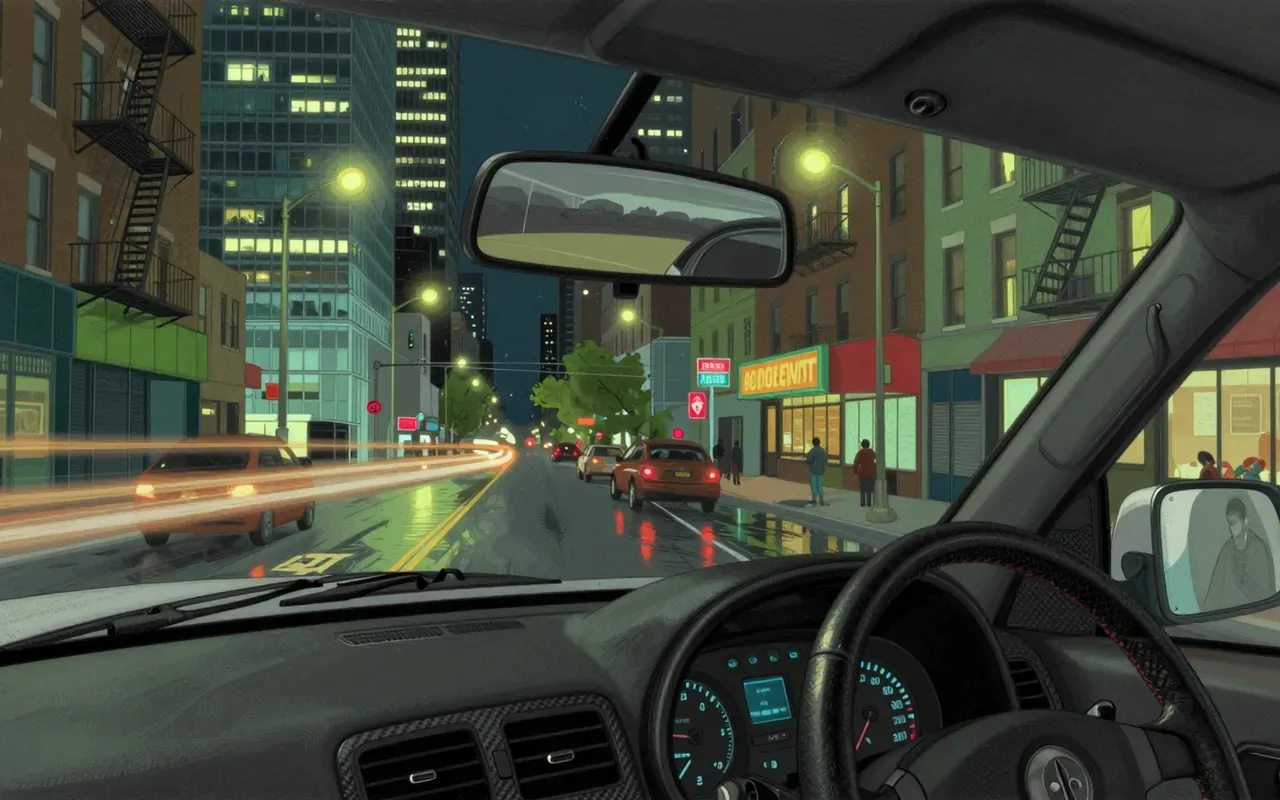
Need for Speed: Underground 2 is a racing game where tuning, driving, and discovery are inseparable. It asks you to treat Bayview as terrain—not backdrop—and rewards persistence over precision. Its constraints are deliberate: no fast travel, no race menus, no hand-holding for hidden events. It works because those constraints shape a specific kind of attention: one tuned to corners, shortcuts, and the hum of a modified engine echoing off concrete.
8:35

Pokémon Gold and Silver

Game Freak · 1999

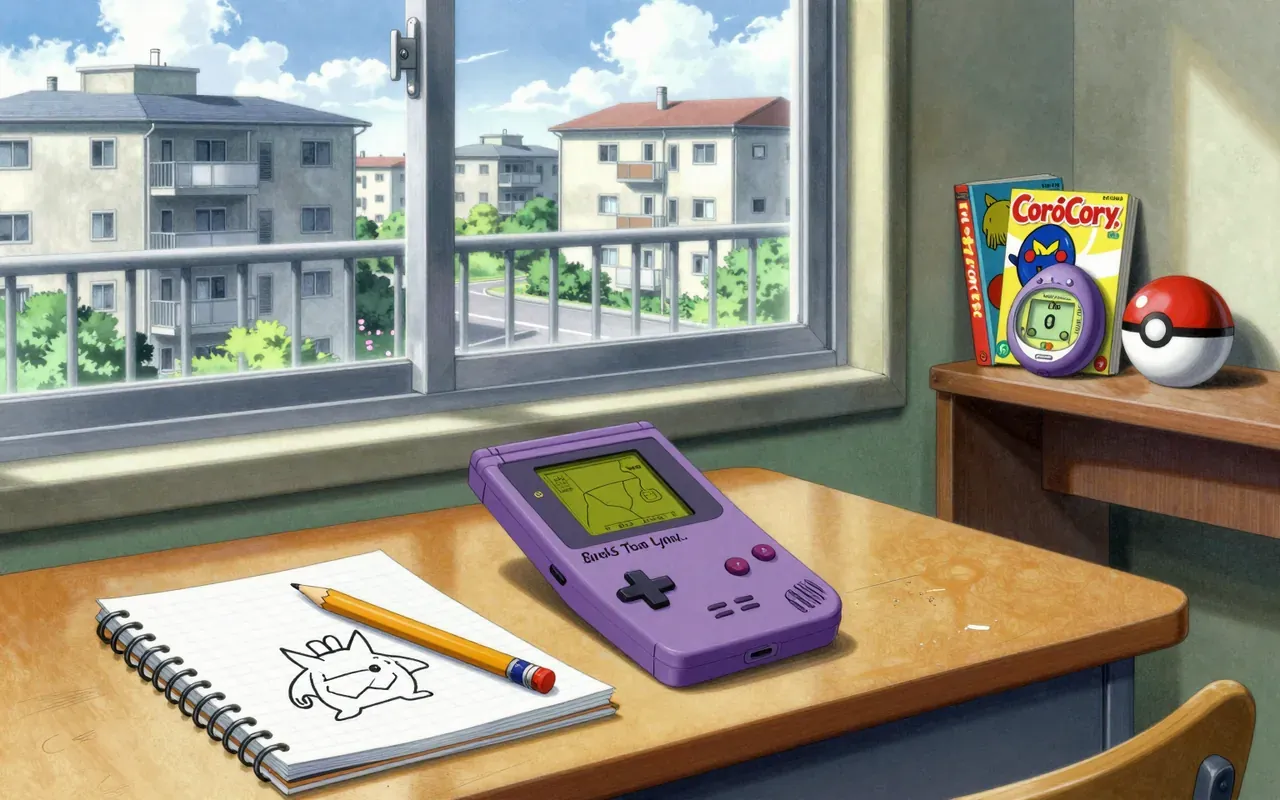
Pokémon Gold and Silver refine the series’ core loop with a real-time clock and expanded Pokédex, but offer no structural departure from the top-down, random-encounter, EXP-driven RPG formula established earlier.

11:30

Project Gotham Racing 2

Bizarre Creations · 2003

Project Gotham Racing 2 is a tightly wound, mode-structured arcade racer that asks players to master rhythm, timing and spatial awareness — not just acceleration. Its Kudos system creates a distinct performance grammar. Its fidelity is tangible: in polygon count, microphone count, and circuit variety. But it offers no narrative, no online play, and no cross-mode progression. It is a studio-built showcase — not a player-built world.

9:20

Splatoon 2

Nintendo · 2017

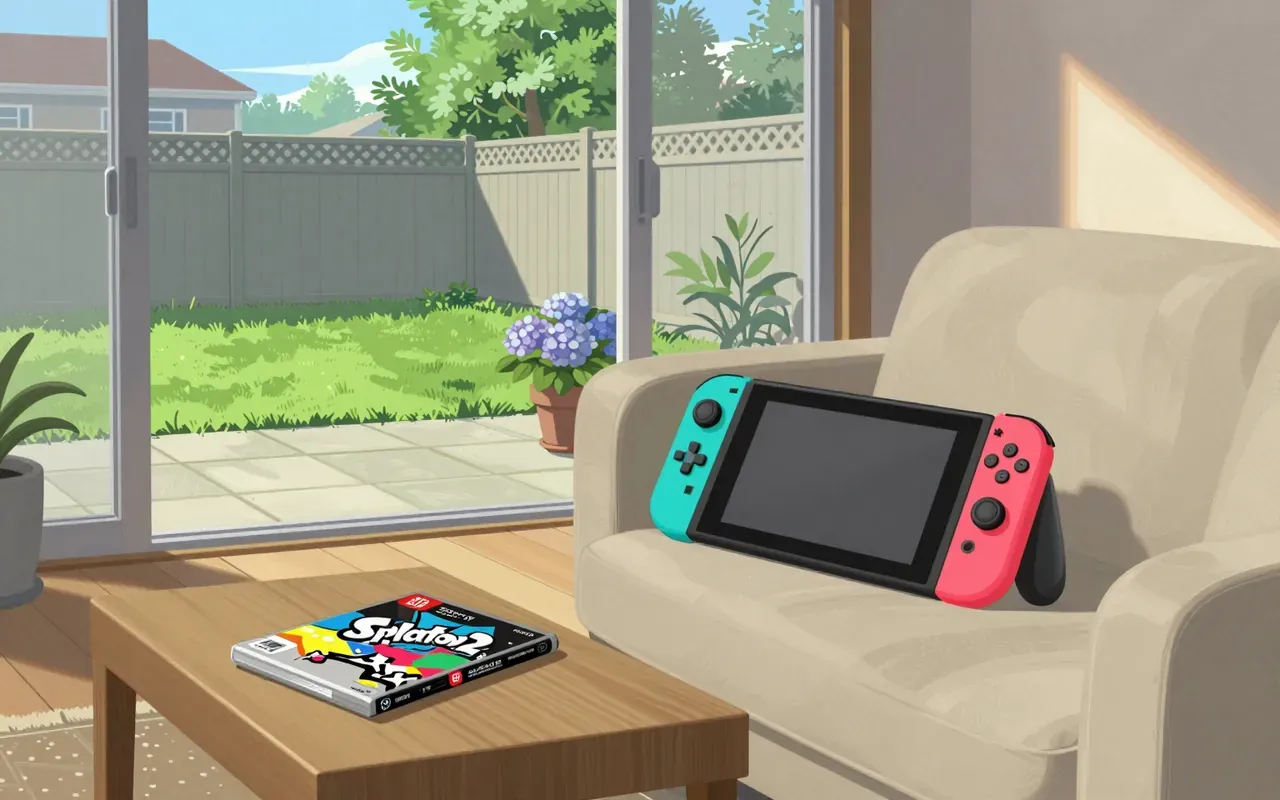
Splatoon 2 is a Nintendo-published third-person shooter built around ink-based terrain control, morphing between humanoid and cephalopodic forms, with structured competitive and co-op modes.

9:10

Super Smash Bros. Ultimate

Nintendo · 2018

Super Smash Bros. Ultimate is a platform fighter for up to eight players. It belongs to Nintendo’s Super Smash Bros. franchise. It uses a percentage-based knockback system, three victory conditions, toggleable Final Smashes, random items including Poké Balls and Assist Trophies, and stage variants with adjustable hazards. Players can save custom rule presets. It includes Spirits and World of Light as core single-player systems.

9:43

The Outer Worlds

Obsidian Entertainment · 2019

The Outer Worlds is a first-person action RPG where player agency is enforced by rigid, upfront stat choices — not narrative illusion. It runs on Windows, PS4, and Xbox One. Its world is built on corporate terraforming, not starship dogfights. Every dialogue option, inventory slot, and stealth path is earned, not granted.

11:44

Tony Hawk's Pro Skater 3

Neversoft · 2001

Tony Hawk's Pro Skater 3 is the pivot point where the series’ combo grammar expanded and online play entered—raw, hardware-bound, and version-dependent.

7:42

Torchlight

Runic Games · 2009

Torchlight is a single-player action role-playing game released for Windows on October 27, 2009. It was developed by Runic Games and published by Perfect World Entertainment and Encore, Inc. The game is set in the fictional town of Torchlight and the caverns and dungeons nearby. Players control a lone hero who explores randomized dungeons built from hand-designed modular chunks. Combat is point-and-click on PC. The loop is clear: descend, kill monsters in large groups, collect loot, return to the single town hub to sell, buy, and accept quests. Quests drive progression through unique boss battles. Side and random quests offer optional detours. The modular chunk system creates dungeons with intention—not randomness for its own sake. Levers open secret doors. Bridges move. Rooms connect meaningfully. The isometric-like overhead perspective gives spatial clarity. Loot drops frequently and visibly. The town hub is lean: one place to sell, buy, and take quests—no filler. It does not support co-op or multiplayer. It offers no character customisation beyond class choice. There is no endgame beyond completing the main questline and replaying with new classes. The town hub is static and unchanging. No lore depth or worldbuilding beyond functional exposition.

11:16

TrackMania

Nadeo · 2003

TrackMania (2003) by Nadeo is a racing game built around player-authored tracks, checkpoint-driven time trials, and non-interactive concurrent multiplayer. It prioritises iterative lap refinement over narrative, shared space over shared stakes, and file-based exchange (.gbx) over centralised distribution. Its design assumes a player who wants to build, break, and rebuild a single corner until it yields perfection—and who finds satisfaction in that loop alone.

10:08

13 Sentinels: Aegis Rim

Vanillaware · 2019

13 Sentinels: Aegis Rim is a science fiction-themed PS4 game set in the 1980s, combining mecha with a shōjo manga aesthetic. It is a genre-mixing narrative engine built around three interlocking modes—Remembrance, Destruction, and Analysis—and structured by persistent keywords, timeline-jumping, and daily rewinds.

10:21

AI: The Somnium Files

Spike Chunsoft · 2019

AI: The Somnium Files is a branching adventure game developed by Spike Chunsoft in 2019. It alternates between first-person investigation and timed third-person dream exploration ('Somnium'). Players use an AI assistant named Aiba to analyse scenes and augment vision. Progress requires completing multiple routes via a flowchart, with each route withholding key narrative information until all are finished.

9:58

Apex Legends

Respawn Entertainment · 2019

Apex Legends is a squad-first, ping-driven, live-service hero shooter that prioritises coordinated entry, rapid adaptation, and long-term commitment over solo expression or narrative resolution.

9:42

Bejeweled Blitz

PopCap Games · 2010

A high-speed, one-minute match-three game that trades contemplation for velocity — and rewards relentless, real-time decision-making.

9:09

Counter-Strike 2

Valve · 2023

Counter-Strike 2 refines rather than reimagines. Its strength lies in constraint: fixed teams, no respawns, round-based economy, and mechanical precision. It asks for commitment to a narrow, high-stakes loop — and gives nothing back to players who stray from it.

10:48

Deathloop

Arkane Studios · 2021

Deathloop is a first-person shooter built around a deterministic time-loop puzzle. Players control Colt Vahn, who must kill eight Visionaries before midnight to break the loop. Time advances only when moving between Blackreef’s four districts. NPC routines and environmental access shift with time-of-day. Actions in one district affect others. There is exactly one valid kill order. Every failure resets progress.

9:47

Diablo II

Blizzard · 2000

Diablo II is a rigid, act-locked RPG where procedural generation serves narrative containment — not freedom. Its power lies in enforced repetition across escalating difficulty tiers, each demanding full completion before unlocking the next. It asks for time, patience, and tolerance for systemic friction. It gives back loot, clarity, and a sense of earned scale — nothing more, nothing less.

10:02

Dishonored: Death of the Outsider

Arkane Studios · 2017

Dishonored: Death of the Outsider is a first-person action-adventure game developed by Arkane Studios in Lyon. It is a standalone expansion concluding the Kaldwin-era arc of the Dishonored series. Players assume the role of Billie Lurk and use conventional weapons, gadgets—including a wrist-mounted crossbow, land mines, grenades, and a new hook mine—and fully unlocked supernatural abilities such as Displace and Semblance. Energy for powers regenerates automatically, eliminating consumables. The Chaos system is removed, and optional Contracts serve as side missions.

9:59

Doom 64

Midway · 1997

Doom 64 is a first-person shooter for the Nintendo 64 developed and published by Midway Games. Its gameplay follows the established Doom formula: players advance through 28 story levels and 4 secret levels by battling demons, collecting weapons and keys, and activating switches to reach each level's exit while surviving deadly ambushes and traps. The game uses a customized version of the Doom engine enabling new level geometry and dynamic colored lighting, and features unique visual assets including redesigned weapons and monsters. All weapons from Doom II return with new sprites and sound effects, plus a new weapon—the Unmaker—which uses hitscan but appears projectile-based and can be upgraded via three ancient artifacts scattered across levels. Most enemies from Doom and Doom II appear with similar behavior and attributes, though some—including the revenant, arch-vile, spiderdemon, and 'heavy weapon dude'—are omitted, and one new enemy—the nightmare imp—is added. A unique final boss, the Mother Demon, appears. The game’s narrative follows the Doom Marine returning alone to exterminate resurrected demons in quarantined UAC installations, culminating in his permanent self-exile in Hell after defeating the Mother Demon.

9:42

Excitebike

Nintendo · 1984

Excitebike is a tightly wound physics puzzle disguised as a motocross racer. Its loop is simple: accelerate, jump, land, repeat—until your timing is flawless. It asks for patience, precision, and tolerance for abrupt failure. It gives back immediate feedback, clear rules, and rare creative agency via its track editor. It withholds story, scalability, and forgiveness. It is not nostalgic fluff. It is functional design—brutal, specific, and still sharp.

12:52

Far Cry 3

Ubisoft Montreal · 2012

Far Cry 3 is a first-person shooter set on a pirate- and mercenary-controlled tropical archipelago. Ubisoft Montreal developed it in 2012 using the Dunia engine, building on its work with Far Cry 2.

10:06

Fate/Stay Night

Type-Moon · 2004

Fate/Stay Night is a foundational Japanese visual novel that prioritises narrative architecture over interactivity. Its design demands rereading, rewards attention to subtext, and refuses to collapse its three routes into a single coherent whole — making it a deliberate, demanding, and historically significant text-based experience.

12:01

Final Fantasy XIV: Endwalker

Square Enix · 2021

Endwalker delivers narrative closure and mechanical polish—but only to those already inside Final Fantasy XIV’s walls.