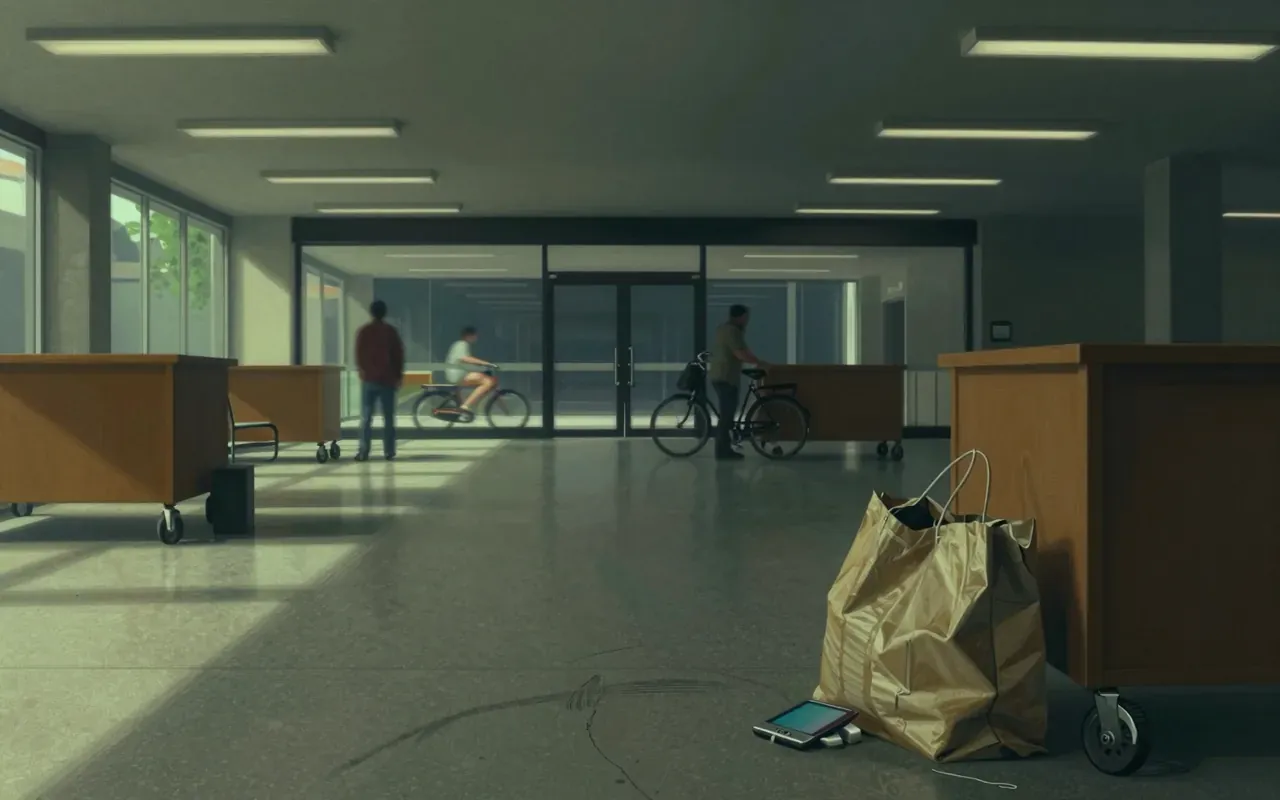
The World Ends with You
Square Enix · 2007
A DS-native action RPG where combat, exploration and narrative all hinge on using both screens at once — scanning crowds, syncing attacks, and satisfying Reaper-imposed gates in Shibuya.
A DS-native action RPG where combat, exploration and narrative all hinge on using both screens at once — scanning crowds, syncing attacks, and satisfying Reaper-imposed gates in Shibuya.
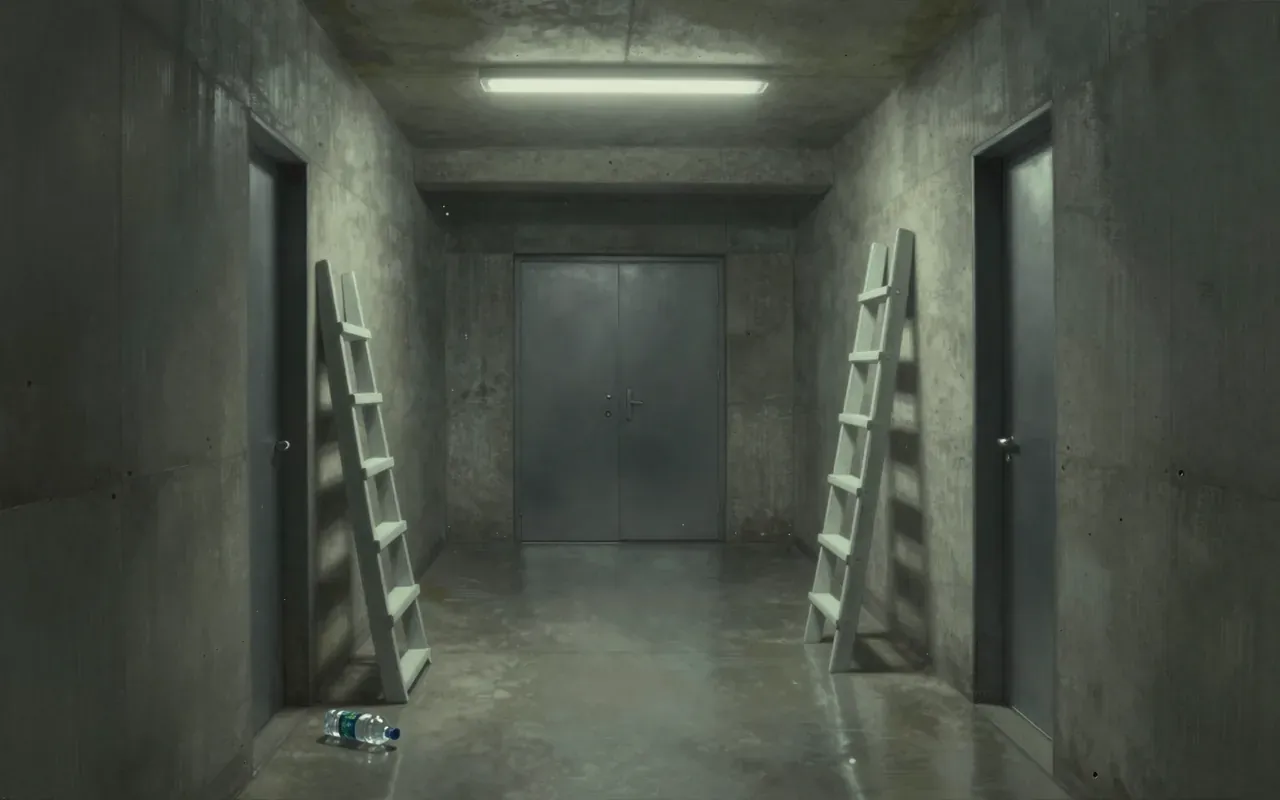
Superliminal is a first-person puzzle game built entirely around forced perspective. Players manipulate objects by moving them while holding them, then dropping them at new apparent distances to scale them up or down. This enables climbing, bridging, and unlocking. Trompe-l'œil elements require precise alignment to become interactive. Puzzles involve navigating rooms to reach exits that are closed, elevated, or hidden. The game establishes a single, elegant perceptual rule—and sticks to it rigidly.
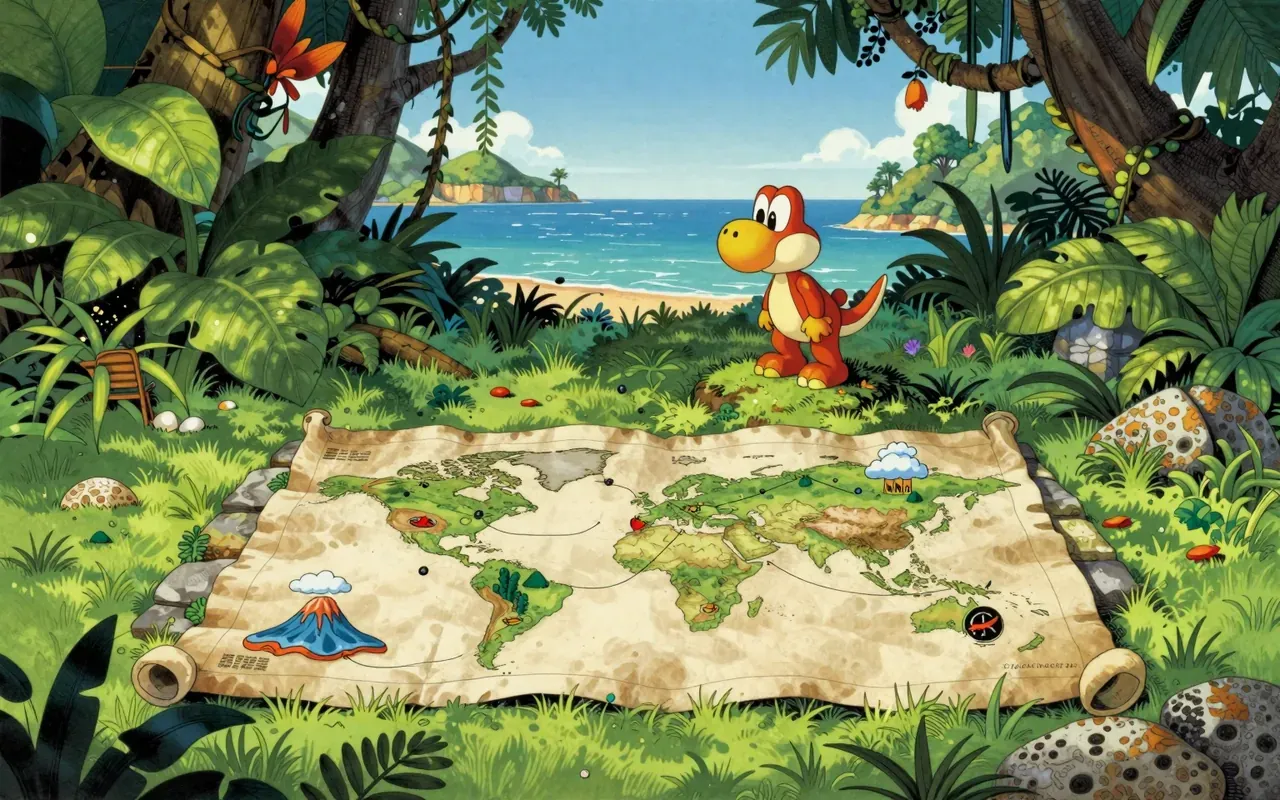
Yoshi's Island is a 2D side-scrolling platform game developed and published by Nintendo for the SNES. Players control Yoshis through 48 levels across six worlds to rescue Baby Luigi and reunite the brothers. It emphasises puzzle-solving and item-collecting — including hidden flowers and red coins — over pure platforming. Players use run-and-jump mechanics, a flutter jump, tongue-based enemy capture, egg-throwing, and transformation abilities. Every fourth level features a boss fight against an enlarged prior enemy. Yoshi collects coins for extra lives and retains his long tongue from Super Mario World.
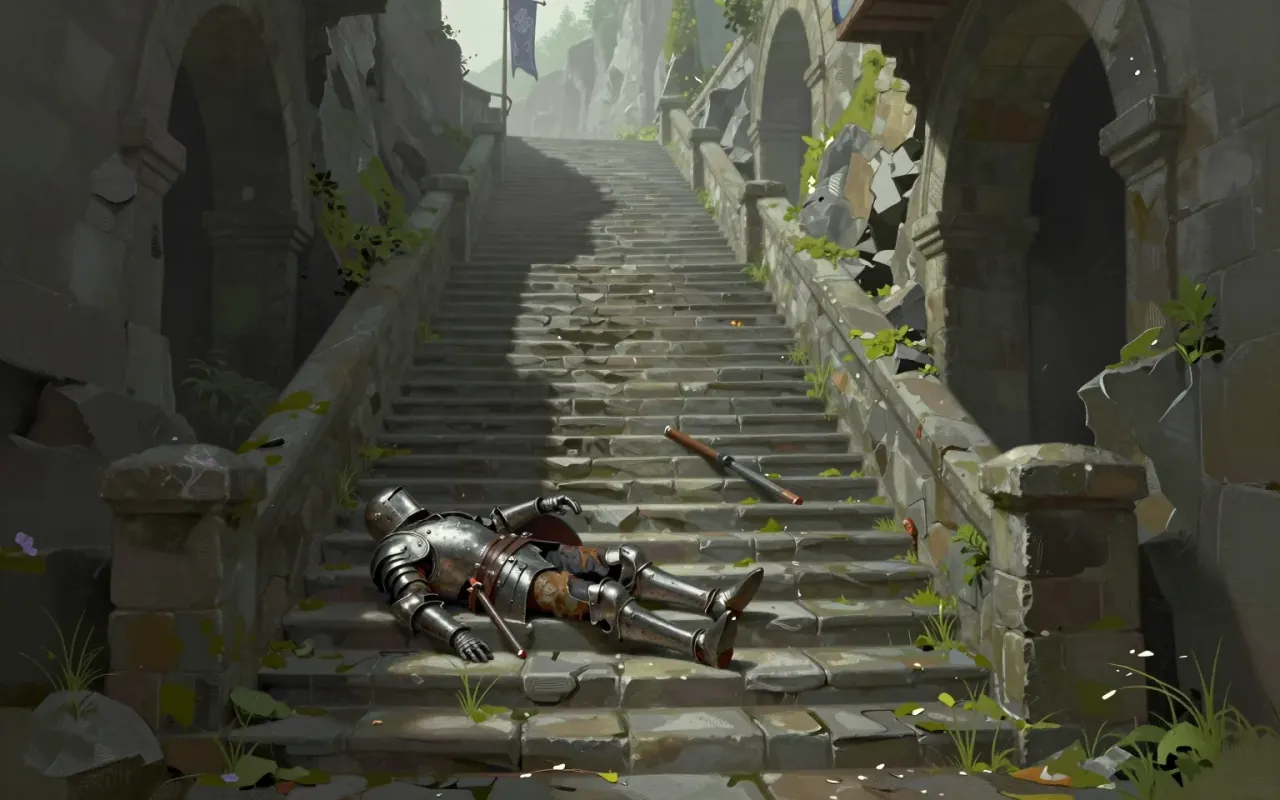
A precise, unforgiving action-RPG where every decision carries weight, every death has consequence, and every bonfire is both sanctuary and checkpoint.

Ridge Racer (1993) is a Namco arcade racing game built on System 22 hardware, defined by drifting, texture-mapped 3D graphics, and a lap-based race loop across one track in four difficulty tiers.
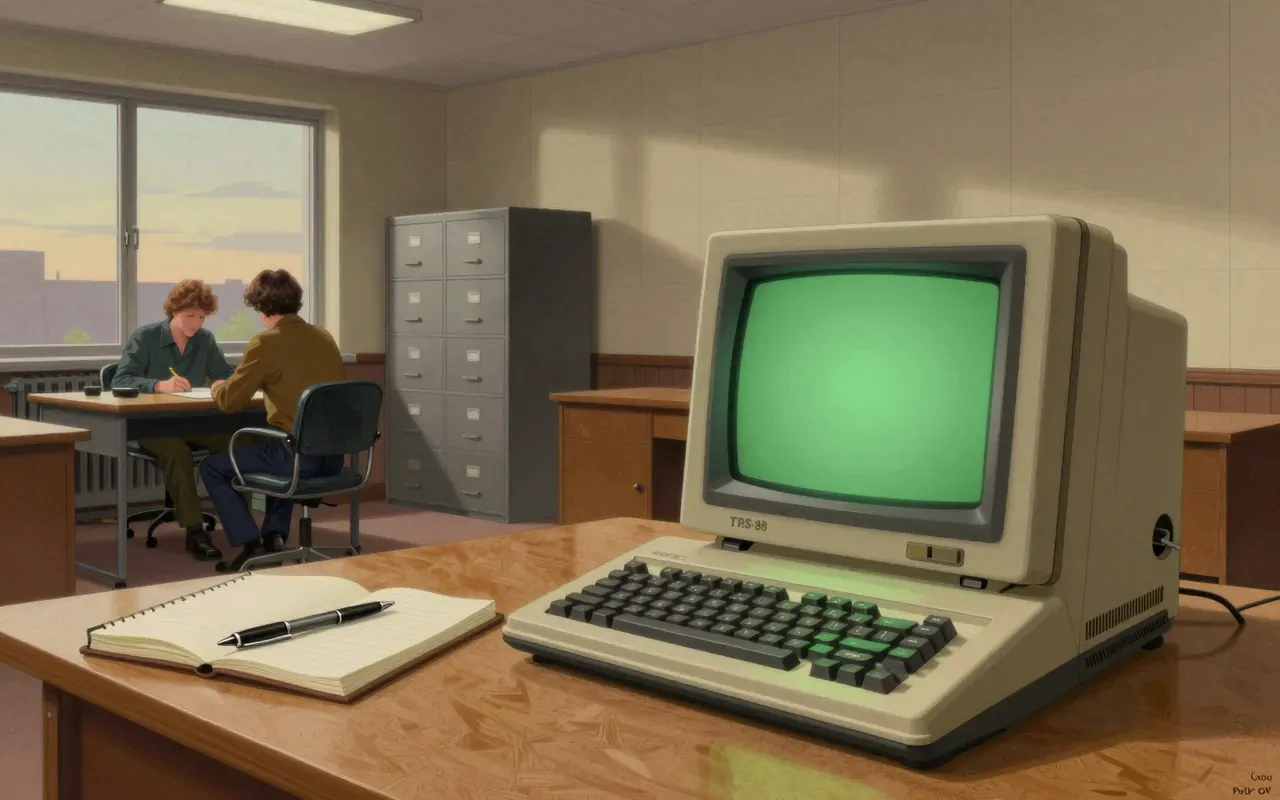
Ultima I: The First Age of Darkness is a foundational computer RPG where 'The Stranger'—summoned from another world—must destroy the Gem of Immortality to end Mondain's rule in Sosaria.
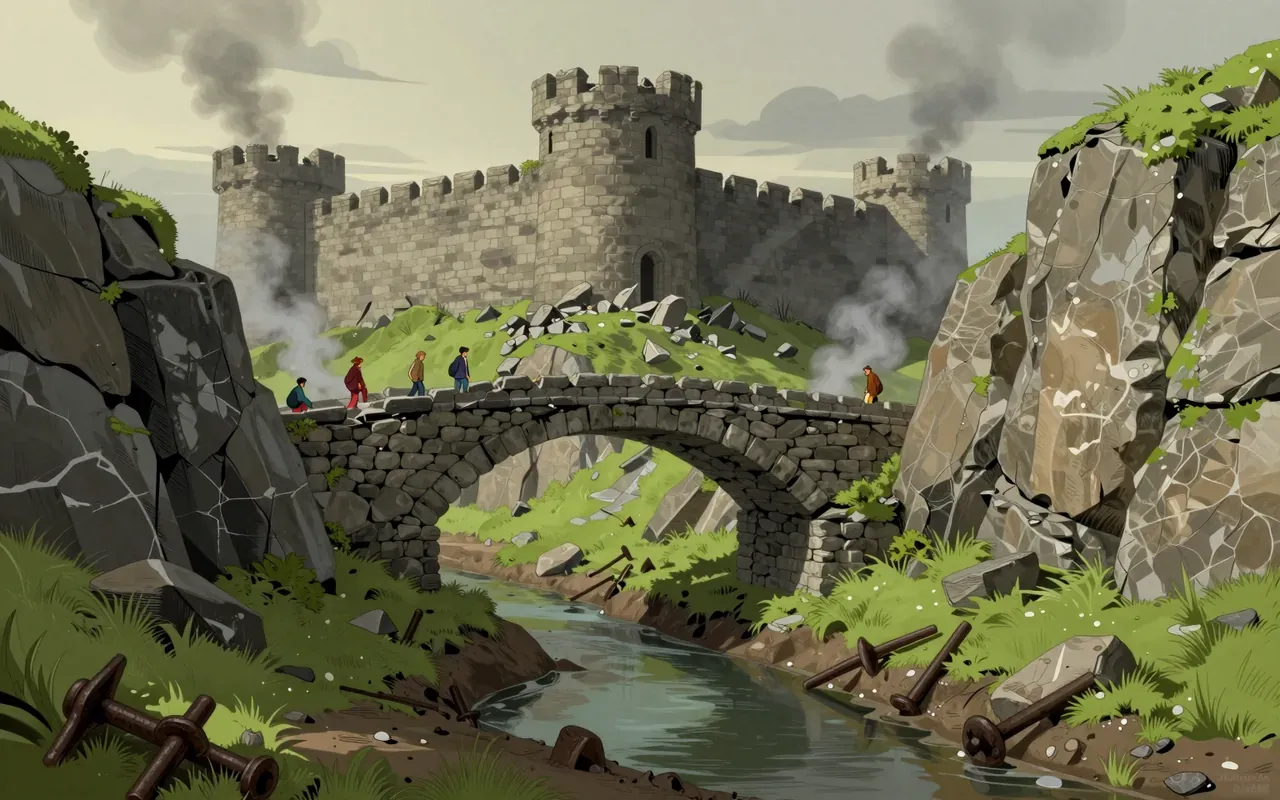
Aion (2008) is an MMORPG by NCSoft that merges PvP and PvE into a single territorial combat system—confined to the Abyss and Balaurea—where Legions battle players and NPCs alike for fortress control using siege weapons from PvE raids. Skills unlock in fixed chains, with later abilities more powerful and strictly dependent on earlier ones. Faction-based PvP is limited to opposing races, with no exceptions outside duels, the Arena, or Panesterra. Controlling a fortress funds the Legion and grants faction-wide vendor discounts and travel perks. The design demands coordination, sequencing discipline, and commitment to a rigid zone-and-race framework.

Millipede is a fixed shooter arcade game developed and published by Atari, Inc. in 1982. The player controls Archer, an elf, using a trackball and fire button to destroy a descending millipede and other insect enemies while avoiding collisions. The millipede moves horizontally, drops one row upon hitting obstacles or edges, and splits when shot — its rear segment growing a new head. Gameplay includes varied enemy behaviours, special items like DDT bombs, bonus swarm levels, and dynamic mushroom field changes inspired by Conway's Game of Life.
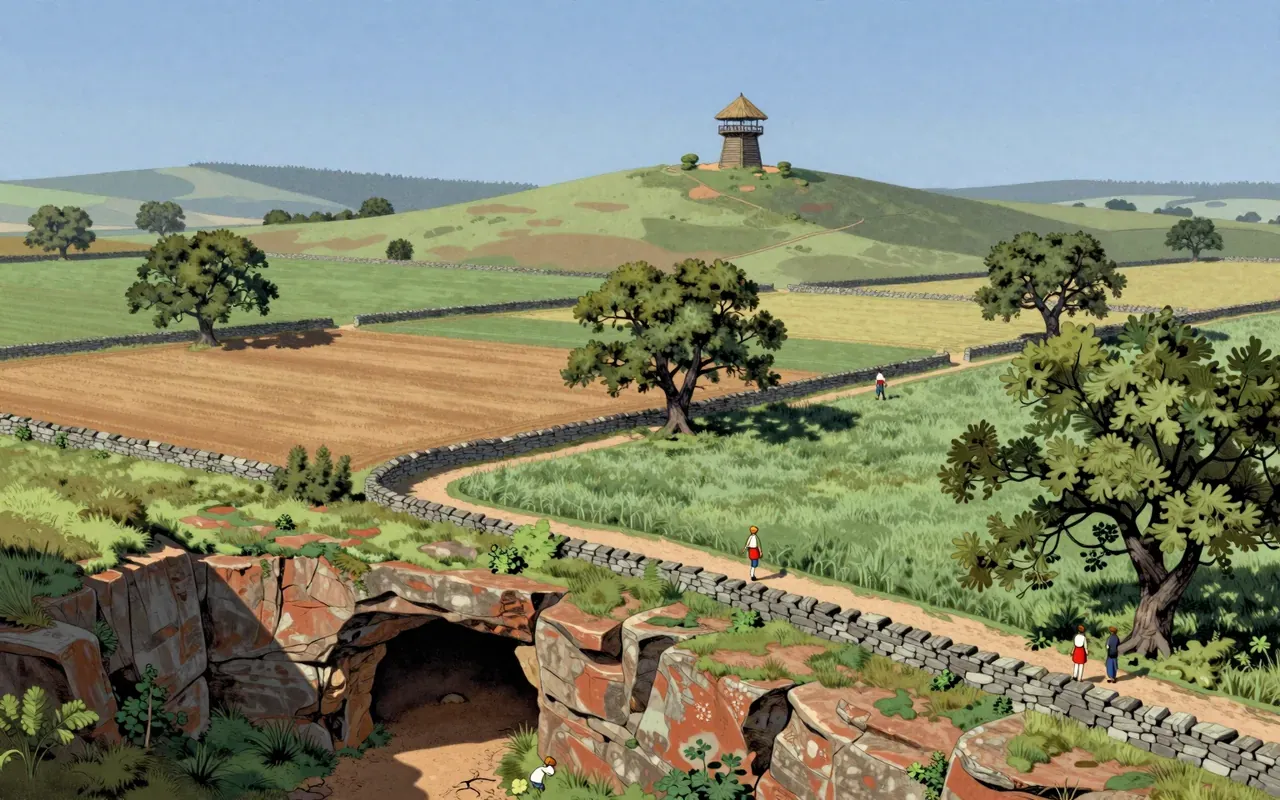
A foundational action-adventure game that treats exploration as a skill to be learned—not a path to be followed.

A life simulation played in real time on a deserted island, shaped by real-world seasons and open-ended activity.
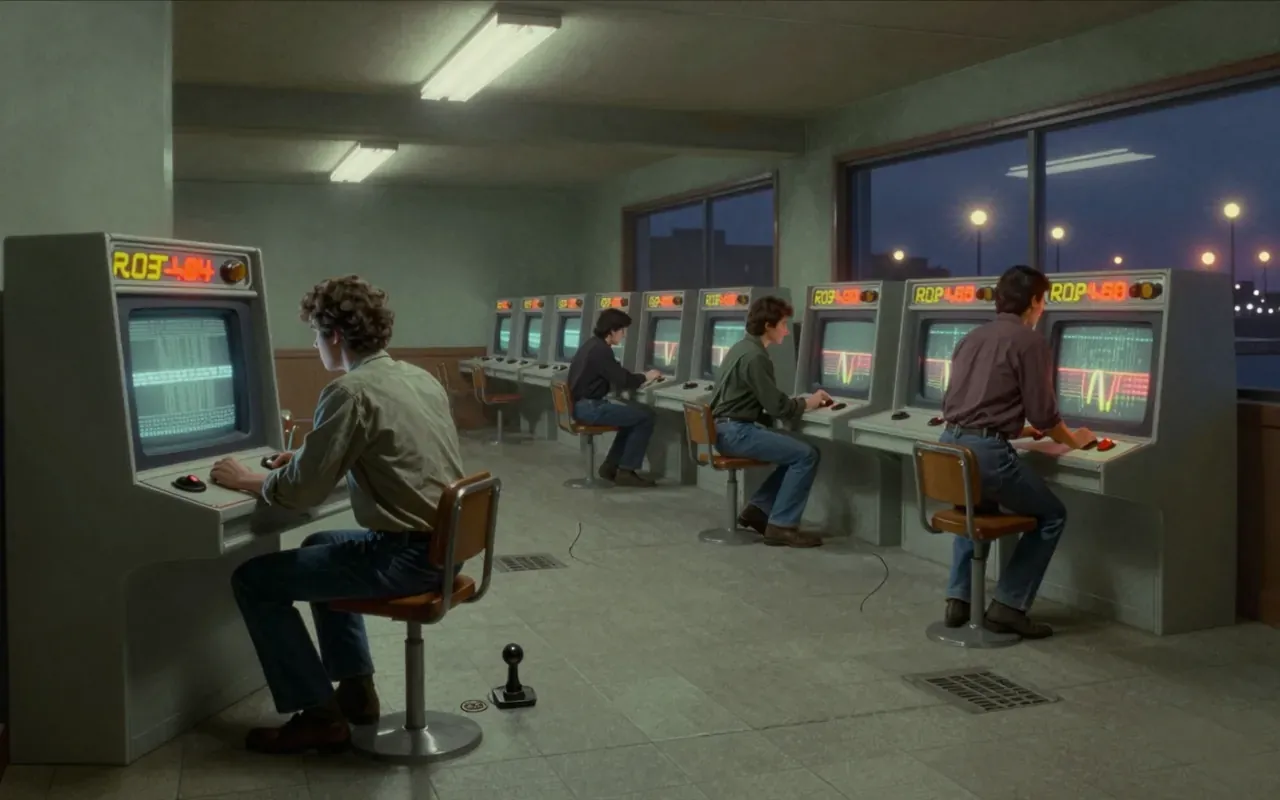
A foundational twin-stick shooter that replaces rhythm with reflex, structure with surge, and progression with persistence.
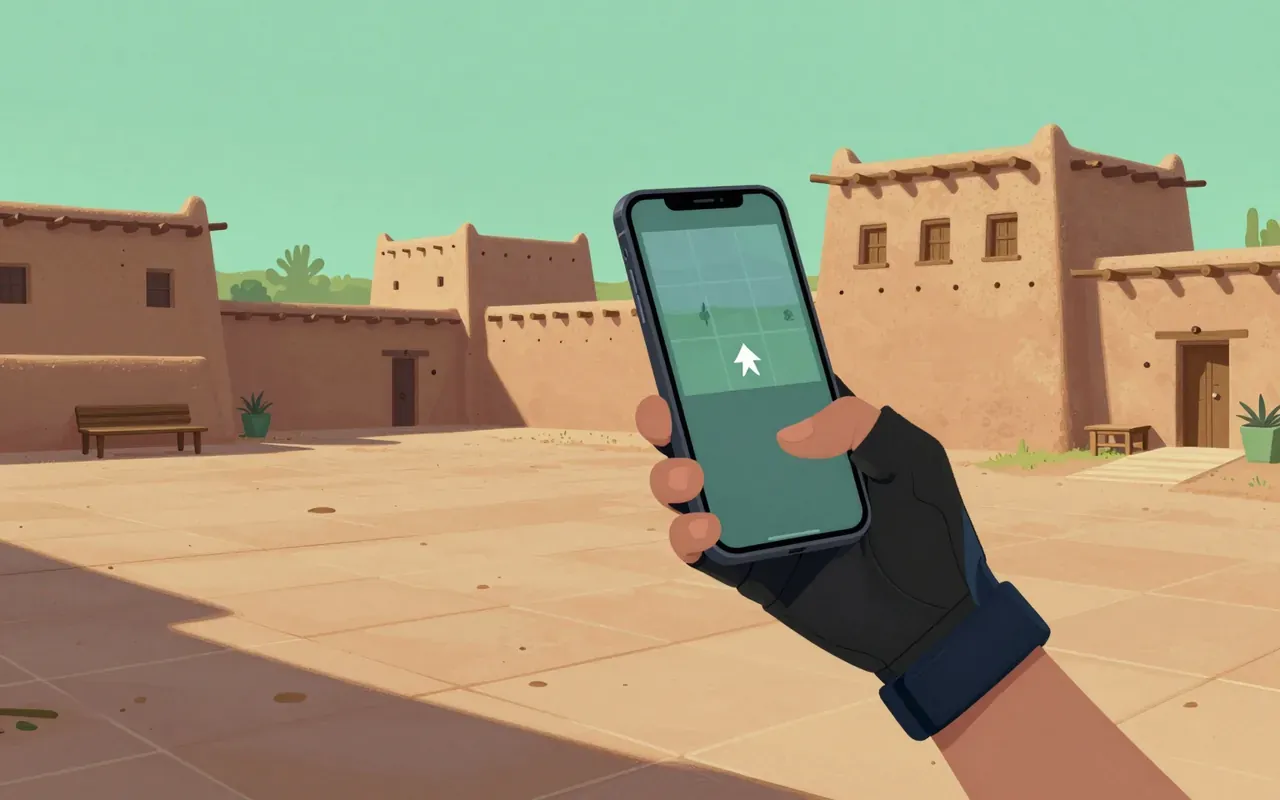
Fortnite Creative is a sandbox game mode developed by Epic Games. Players build custom worlds using Fortnite assets and publish them into the Fortnite Metaverse. Editing happens in real time via a handheld mobile phone tool. Players collaborate in Hubs capped at four people and teleport between islands using the Rift portal. Sessions support up to 100 players under custom rules. Each player may own up to 50 private islands. It is free-to-play across computer, console, and mobile platforms. Revenue comes from microtransactions, including the battle pass system.
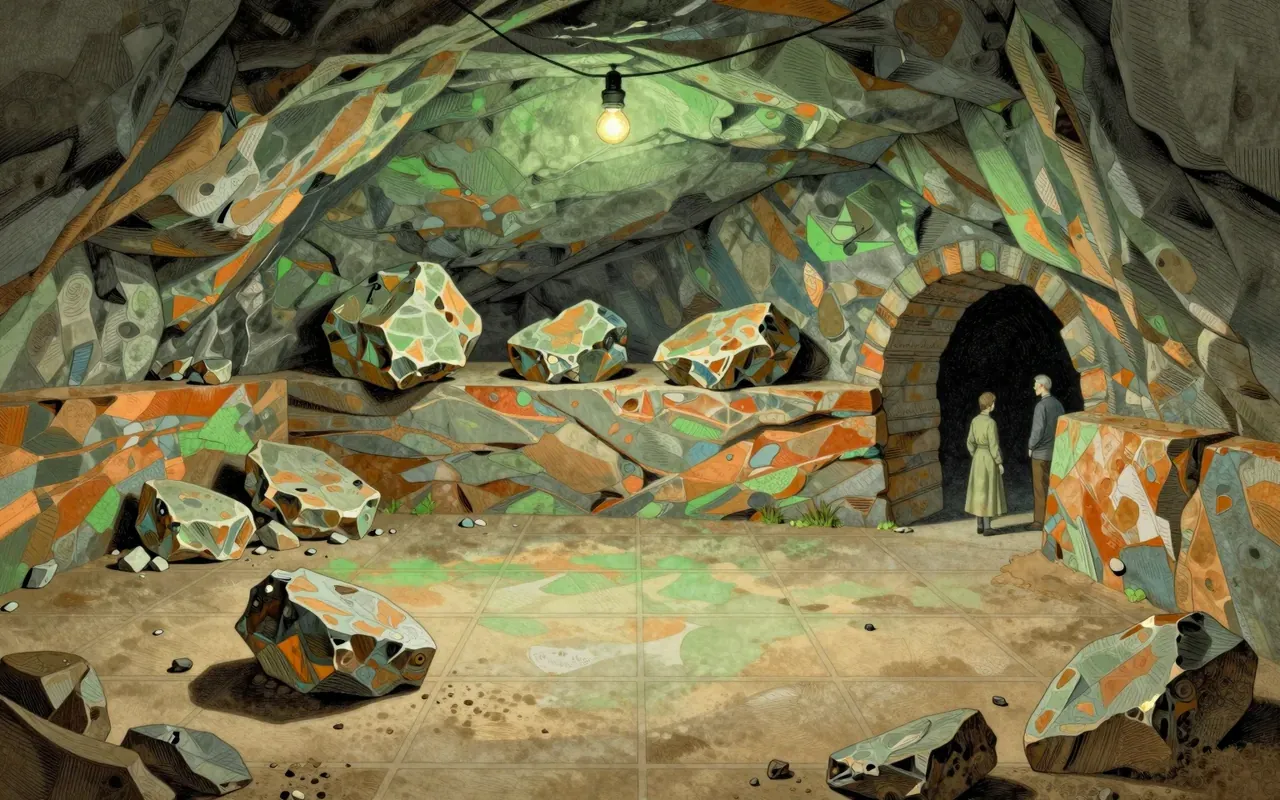
Boulder Dash is a deterministic puzzle game built on gravity, grids, and consequence. It gives you Rockford, dirt, boulders, time, and diamonds—and nothing else. Its rigour is its reward.

Monster Rancher is a PlayStation life simulation RPG by Tecmo (1997) where players acquire, raise, combine, and battle monsters — with CD-based generation as its defining input method.

Kirby's Dream Land is a foundational Game Boy platformer defined by room-based navigation, breath-powered flight, and inhalation combat. Its design choices reflect hardware limits and deliberate pacing — not ambition to transcend them.
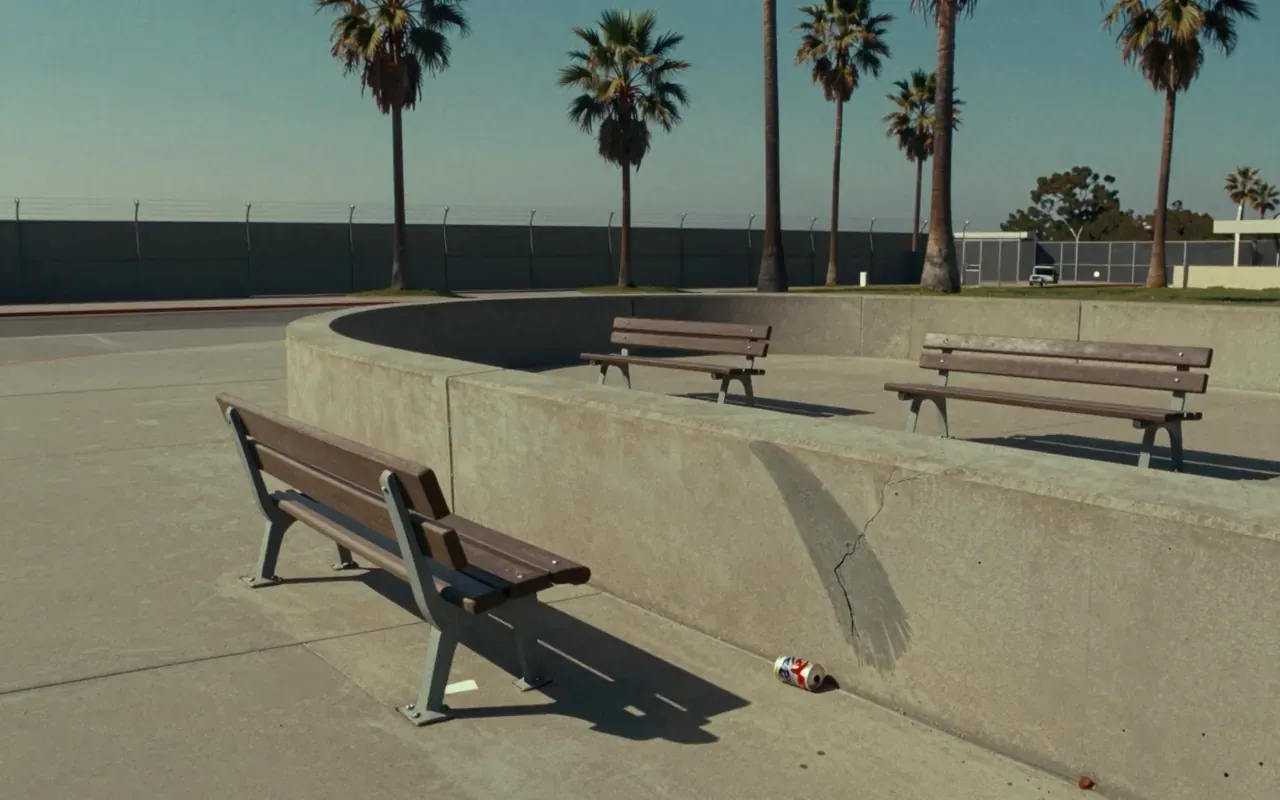
Tony Hawk's Pro Skater is a tightly wound trick-chaining machine. It asks for precision, repetition and split-second decisions — then rewards them with escalating points, visual flash and palpable momentum. Its constraints — fixed camera, two-minute windows, diminishing trick scores — are not limitations. They are the architecture of its appeal.

Mass Effect 2 is a tightly authored, choice-driven action RPG that prioritises narrative consequence and squad loyalty over systemic freedom. Its strength lies in how imported choices reshape the story, how class design shapes combat, and how the galaxy map serves plot—not exploration. It asks players to commit to a single, high-stakes arc. It withholds open-ended world interaction, real-time loadout flexibility, and non-linear quest resolution.
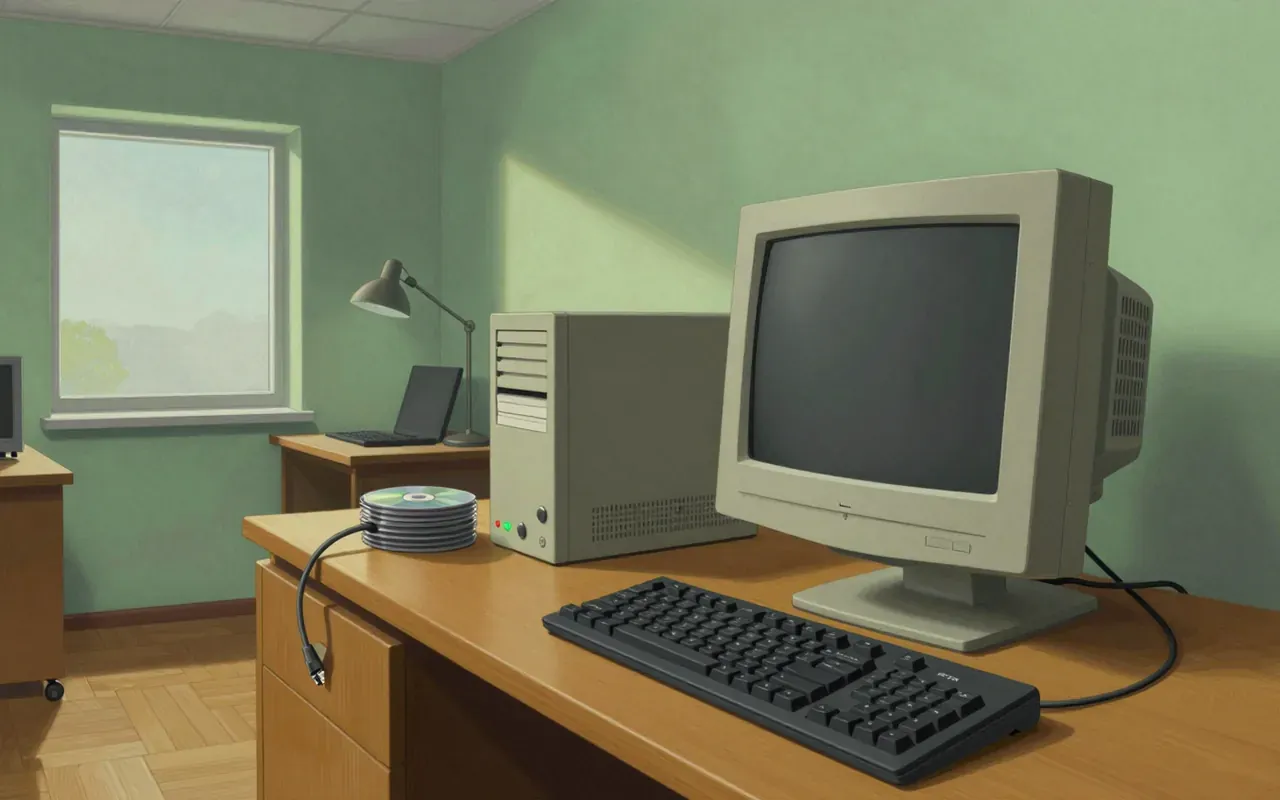
Warsow is a movement-first FPS built on Quake II. Its design forces mastery of physics-based tricks—dash, dodge, wall jump, rocket jump—as the sole path to advantage. It trades narrative, progression and accessibility for purity of motion and competitive clarity.
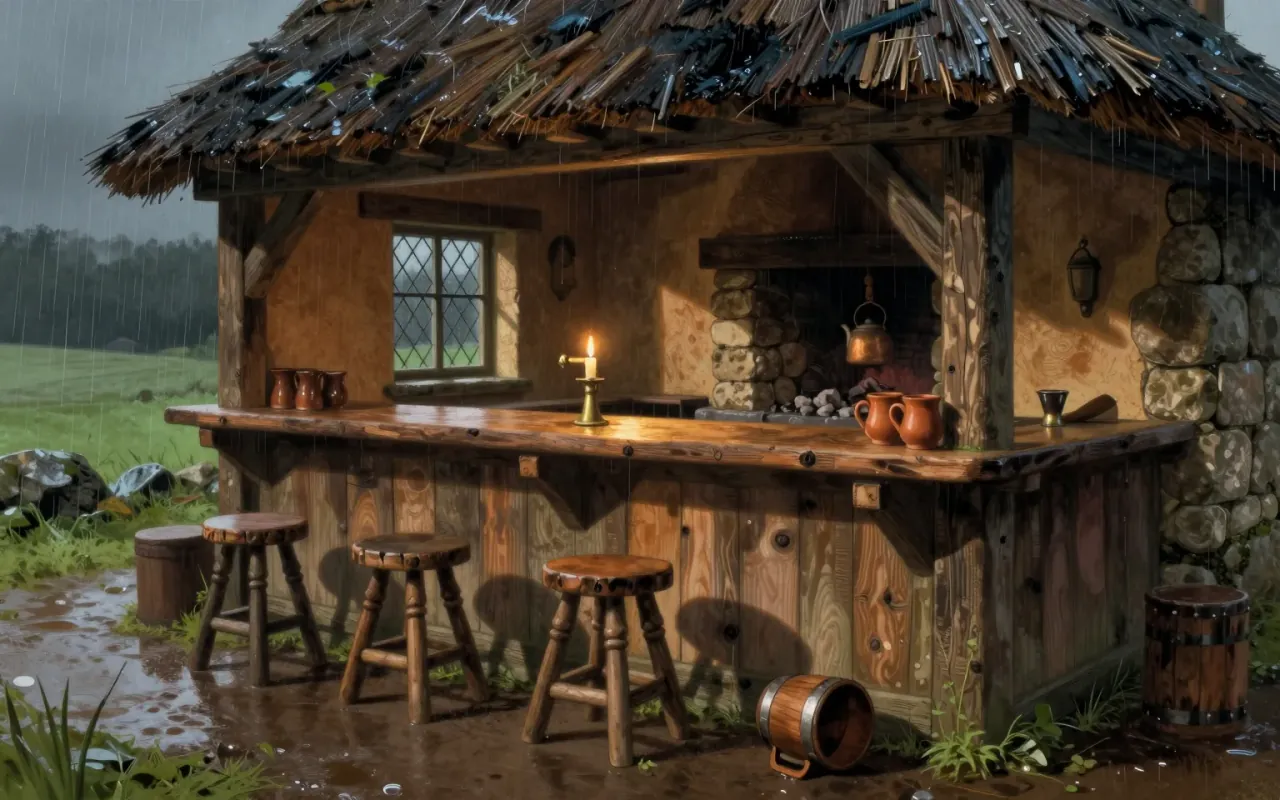
Dragon Quest III establishes foundational RPG structure — open-world traversal, class-based party building, day/night gating, turn-based combat, and experience-driven progression — all built on hardware constraints that shaped its rhythms and rules.
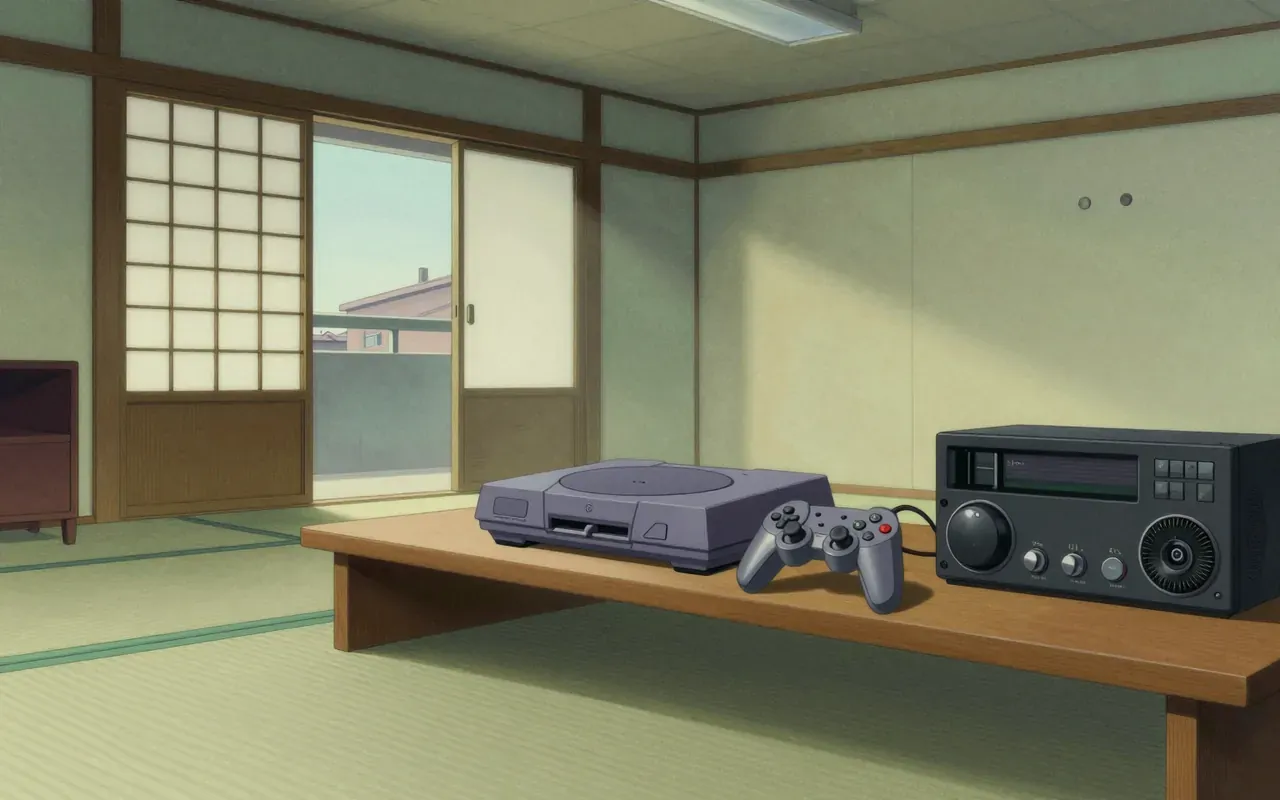
King's Field (1994) is FromSoftware’s debut PlayStation action role-playing game. It is a first-person dungeon crawler set in a vast underground labyrinth. The player explores five real-time 3D dungeon environments to uncover the source of a monster invasion.

Plants vs. Zombies is a tower defence and strategy video game developed and originally published by PopCap Games for Windows and OS X in May 2009.
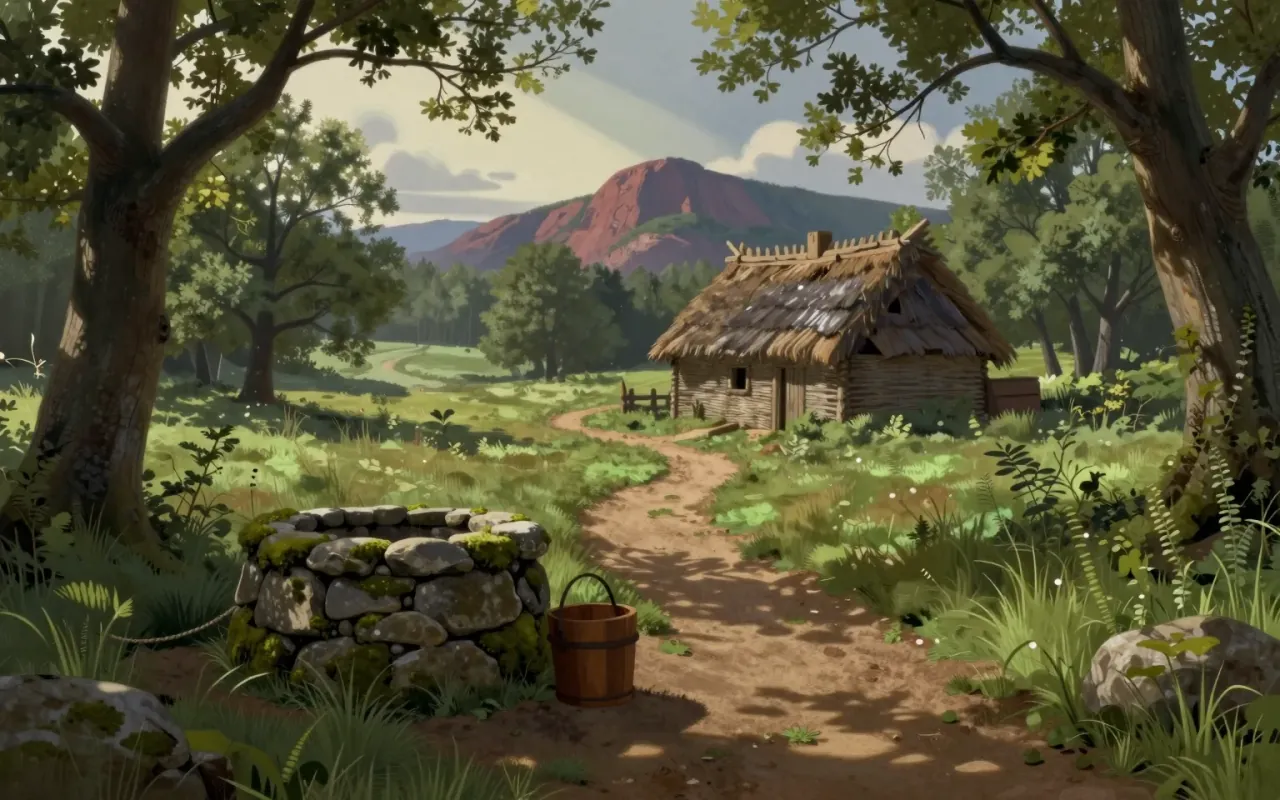
Chrono Trigger is a 1995 turn-based RPG by Square that integrates combat into its field maps, replaces random encounters with visible or ambush enemies, and maintains clear, direct cause-and-effect in hit point management.

Unreal (1998) is a 3D first-person shooter co-developed by Epic MegaGames and Digital Extremes. You play Prisoner 849, a survivor of the crashed prison ship Vortex Rikers on the alien planet Na Pali. You fight through Skaarj-controlled mines, ruined Nali temples, a water temple, a Titan arena, alien installations, and the Skaarj Mothership — uncovering narrative via journals and environmental decay. Its strength lies in atmosphere, scale, and scripted set-pieces. Its limits are linearity, shallow combat, and fragmented storytelling.
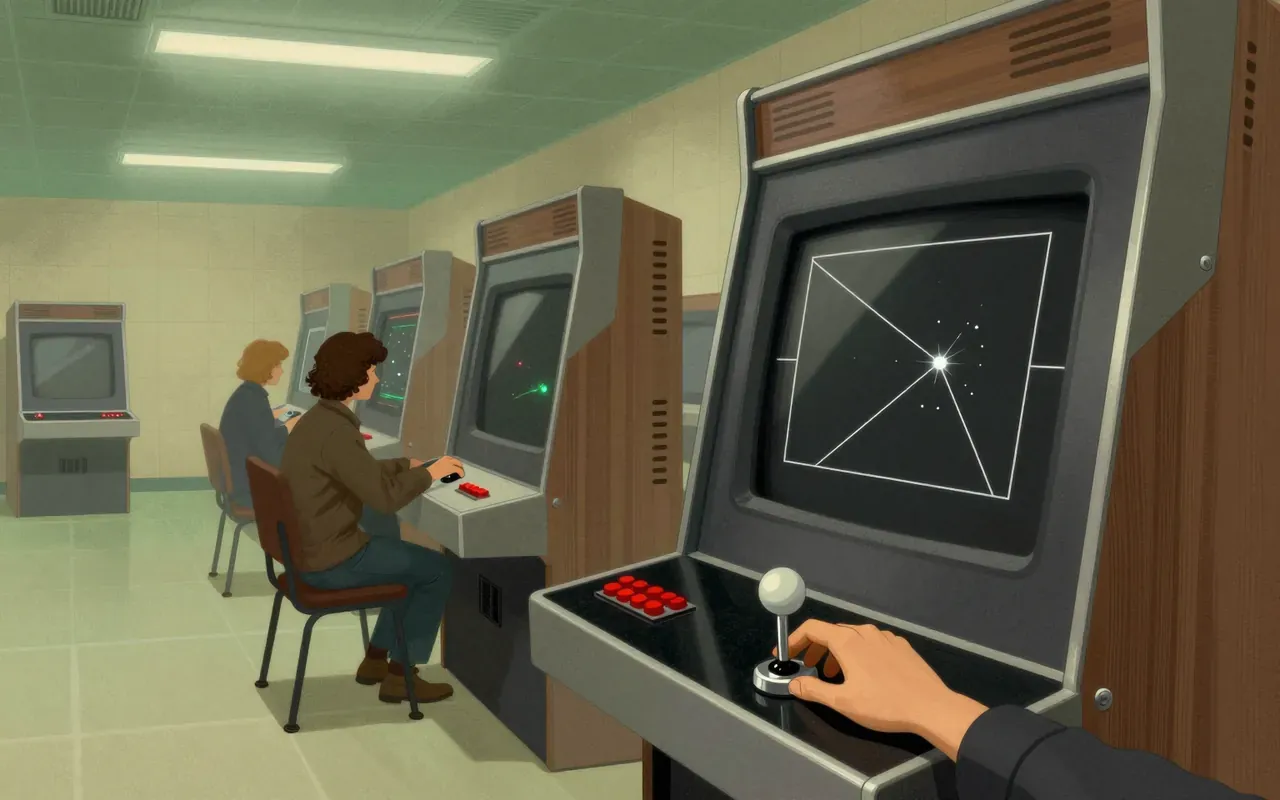
Asteroids (1979) is a multidirectional shooter developed by Atari, Inc. It uses custom vector-display hardware derived from Lunar Lander. The player controls a triangular spaceship with rotation, forward thrust, and forward fire. Movement obeys inertia: the ship continues drifting until thrust alters direction or friction halts it. Asteroids break into smaller, faster fragments when shot. Two types of flying saucers traverse the field and fire back. Screen edges wrap both horizontally and vertically. Hyperspace teleports the ship to a random location at risk of self-destruction or collision. The game features a high-score table with player initials. It was designed for arcade play and includes exploitable behaviours like edge-lurking to evade saucer aim.

Need for Speed: Underground 2 is a racing game where tuning, driving, and discovery are inseparable. It asks you to treat Bayview as terrain—not backdrop—and rewards persistence over precision. Its constraints are deliberate: no fast travel, no race menus, no hand-holding for hidden events. It works because those constraints shape a specific kind of attention: one tuned to corners, shortcuts, and the hum of a modified engine echoing off concrete.

Diner Dash is a time-management game where players direct Flo to complete restaurant service tasks under increasing time and mood constraints.

Mortal Kombat 3 (1995) is Midway's arcade fighting game that shifts focus from tournament narrative to Shao Kahn’s Earthrealm invasion. It introduces the Run button, chain combos, Animalities, and stage-breaking uppercuts — all governed by a shared Run meter and fixed sequences. Its design prioritises spectacle and accessibility over responsiveness or depth.

Ico is a third-person action-adventure built around protecting and guiding Yorda through an abandoned castle. Its minimalist design removes UI, dialogue, and combat options for Yorda — making her presence a structural necessity, not a narrative flourish. The player jumps, climbs, pushes, pulls, and lifts — always in service of moving her forward. The fixed camera follows both characters, panning slightly to reveal environment. Light is overexposed and desaturated. Story is minimal and told in fictional languages. Mechanics were conceived before story.

Bejeweled is a browser-based match-three puzzle game developed by PopCap Games and first released in 2000. Players swap adjacent gems to form lines of three or more identical gems, clearing them and triggering cascading falls. Swaps that fail to produce a match revert automatically. It features untimed and timed modes — the former ending when no moves remain, the latter requiring point accumulation to stall a depleting timer — and later introduced competitive multiplayer with special gems.

SSX (2000) is a PlayStation 2 arcade snowboard racer where tricks directly fuel speed via a boost meter. Developed by EA Vancouver (then EA Canada) under the EA Sports BIG banner, it replaces simulation with rhythm, timing, and terrain-as-launchpad. Uber Tricks, rivalries, and open-world structure belong to sequels — the original delivers tight, repeatable races across discrete global courses. It works because tricks are mandatory, not decorative. It wears thin because it offers no stakes beyond the next jump.

Tetris Effect is a rhythm-driven, single-player reinterpretation of Tetris built for immersion, not competition. It adds music-synchronised stages, a time-stopping Zone mechanic, and a meta-game progression layer—but strips away multiplayer, scoring depth, and rule flexibility.

Manic Miner is a foundational platformer defined by constraint: fixed screens, fixed enemies, fixed timing, fixed reset. Its influence is historical. Its play is mechanical. Its value lies in how cleanly it exposes the grammar of the genre—before power-ups, before scrolling, before mercy.

Q*bert is a 1982 Gottlieb arcade action-puzzle game where players use a diagonally mounted four-way joystick to hop Q*bert across a 28-cube pyramid, changing each cube’s colour by landing on it — with escalating rules per level — while avoiding deadly purple enemies, neutralising green enemies on contact, and surviving falls off the pyramid.
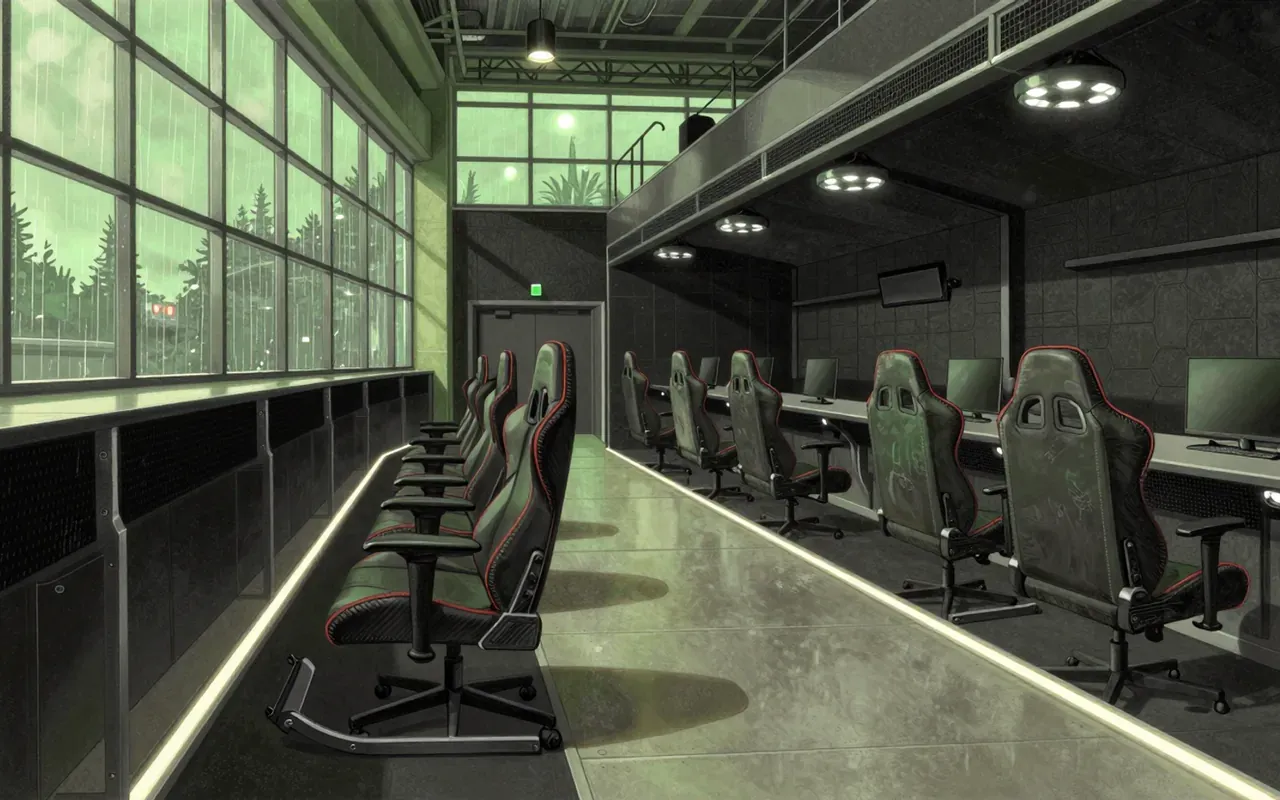
Dota 2 is a rigid, team-bound MOBA that demands mastery of role, map, and timing — with zero concessions to newcomers or casual investment.

Disco Elysium is a narrative RPG where dialogue and skill checks replace combat. Its 24 skills — grouped under Intellect, Psyche, Physique, and Motorics — speak autonomously during interactions. Checks use two six-sided dice and can trigger negative effects or quirks. Clothing modifies skills. The Thought Cabinet lets players internalise thoughts over in-game hours, granting benefits but occasionally drawbacks.
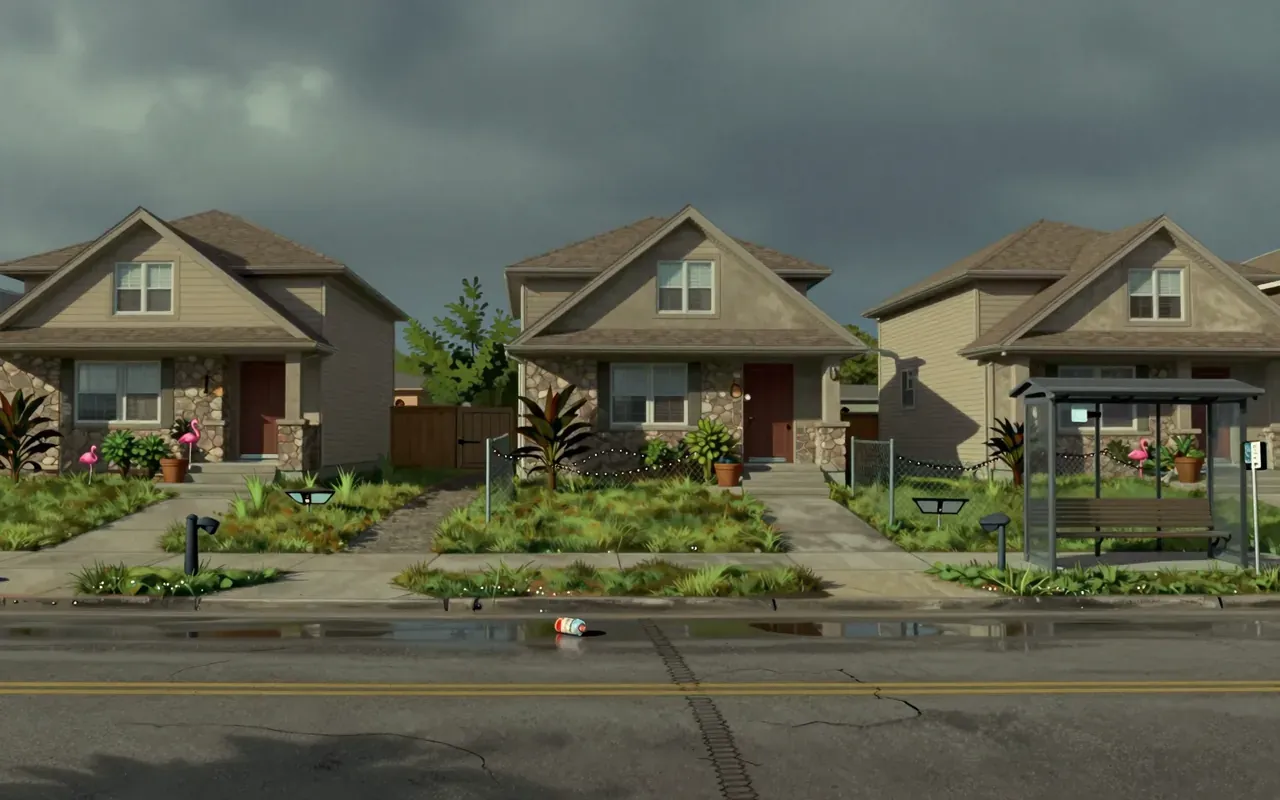
The Sims 2 is a 2004 Maxis simulation that introduces full 3D, lifespan management, genetics, and 360° camera control to the franchise. It expands domestic agency but offers no narrative cohesion across its pre-built neighborhoods.

Bubble Shooter is a 2002 puzzle game by Absolutist, later expanded by Ilyon Dynamics. It asks players to clear marbles by matching three or more of the same colour before they reach the bottom line. It has four difficulty levels and two scoring modes: Classic (no limits) and Sniper (fewest shots wins).

Cooking Mama is a sequence of brief, touch-driven minigames representing kitchen tasks. Each lasts under 10 seconds. Players follow instructions on the top screen and act on the bottom screen using the stylus. Failure occurs on serious error or time expiry. It offers crisp, immediate feedback but no cumulative learning or systemic logic. Office Create developed it and enforced strict quality standards over feel and content — but not over depth or coherence.

Armored Core (1997) is FromSoftware’s first mecha combat game. Players pilot highly modular Armored Cores across open desert bases and space stations, engaging enemies that appear from all directions. Customisation is functional: swapping leg units changes mobility; weapon choices define combat range. Credits earned from missions fund upgrades, but ammunition and repair costs are deducted even on failure. There is no hand-holding — no map, no waypoints, no enemy indicators. The loop is austere, spatial, and penalised.
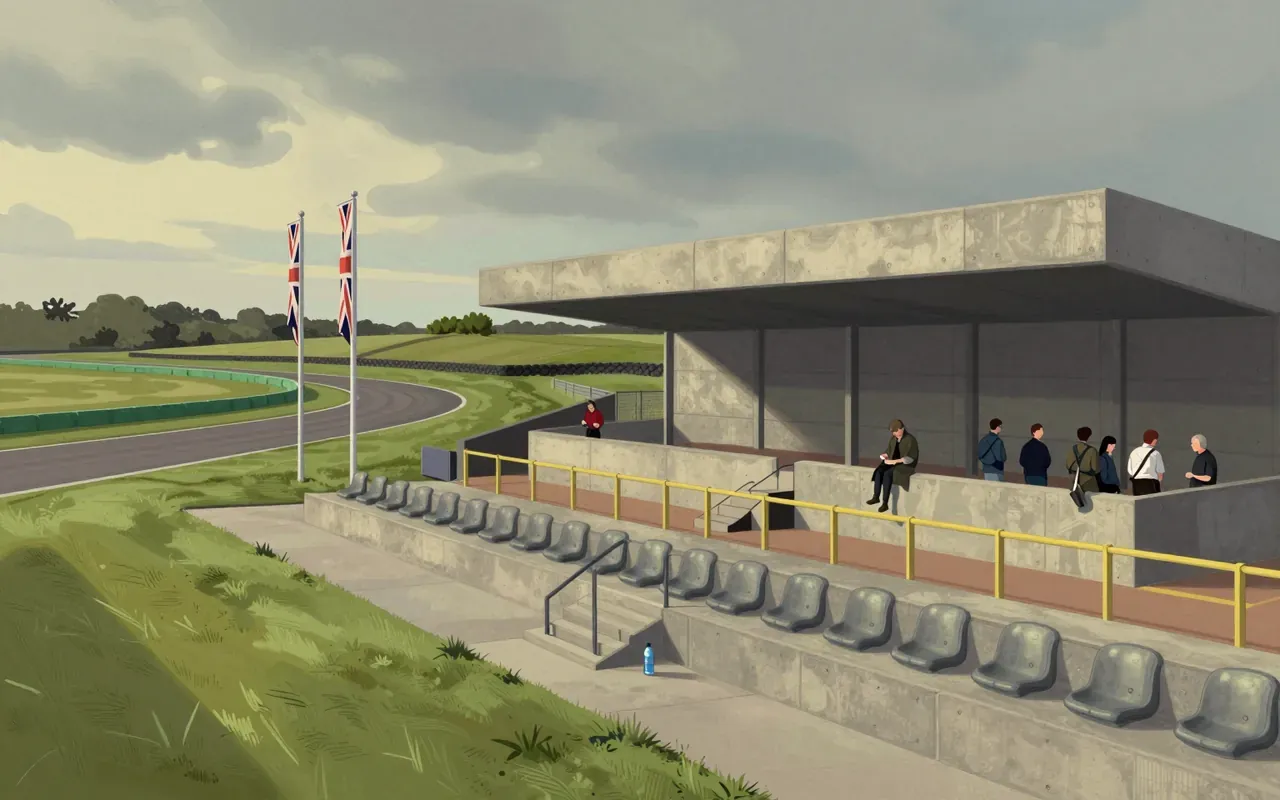
Gran Turismo 6 is a PlayStation 3 racing simulation developed by Polyphony Digital. It features 30 tracks (71 layouts), 1,200 cars, variable weather and time-of-day on some tracks, a dynamic celestial sphere, adaptive tessellation rendering, and a simplified UI with faster loading. It is designed as a realistic driving simulator offering realistic driving physics.
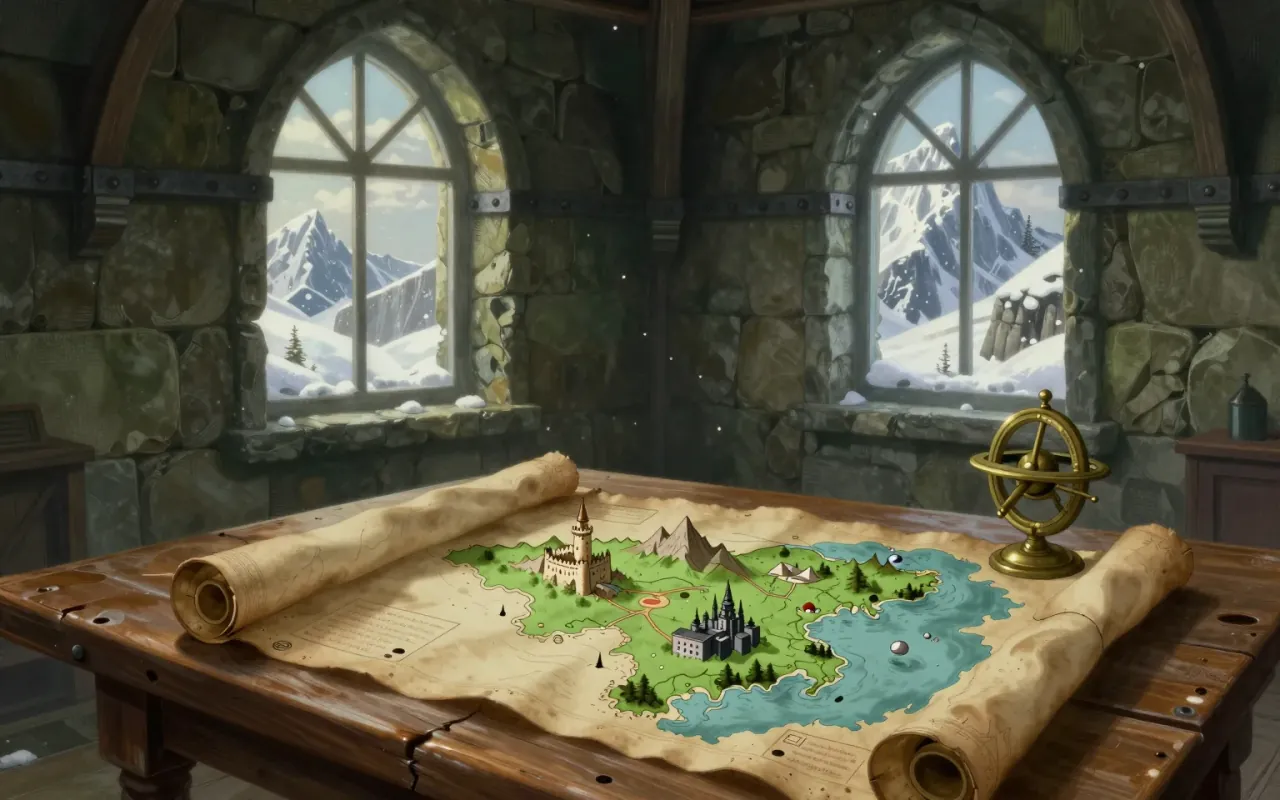
Final Fantasy VI is a role-playing game for the Super Nintendo Entertainment System developed and published by Square. Its gameplay is structured around four basic modes: overworld map, town and dungeon field maps, battle screen, and menu screen. The overworld map is a scaled-down representation of the game world used for directing characters to locations, with travel primarily by foot, chocobo, or airship. Enemies are randomly encountered on field maps and the overworld when traveling by foot, except in plot-driven cases. The menu screen is used to configure the traveling party, equipment, learned magic, and gameplay settings, and also tracks experience points and character levels. Plot progression occurs as the player moves through towns and dungeons, where town citizens provide helpful information and some operate item or equipment shops.

Diablo IV is an online-only ARPG where eight classes fight themed enemy families in an open world punctuated by procedurally generated dungeons. Combat effectiveness is determined by attributes and gear. Loot acquisition drives progression. Player versus player combat exists. There is no offline mode.
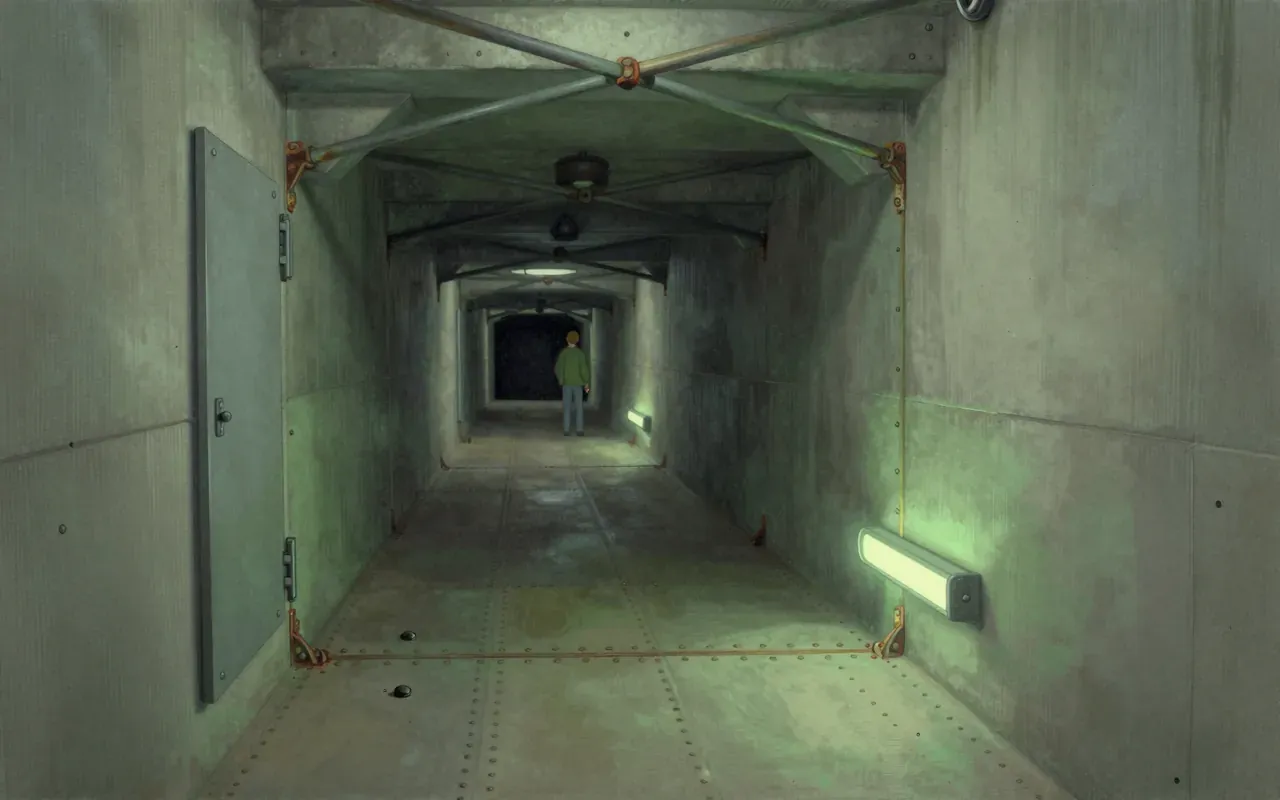
Tom Clancy's Splinter Cell: Chaos Theory is a 2005 stealth action game developed by Ubisoft Montreal. It refines the series' core stealth loop around two interdependent detection systems: light exposure and relative noise. Guards react intelligently to environmental changes and coordinate tactically. Alarms trigger only on discovery—not on being seen—and no longer cause automatic failure. It expands close-quarters options and introduces equipment loadouts tied to lethality constraints.

Street Fighter: The Movie (console video game) is a 1995 Capcom release for PlayStation and Sega Saturn. It adapts the 1994 film using digitised actor footage and bases its combat on Super Street Fighter II Turbo. Four modes exist: Movie Battle (Guile infiltrating Shadaloo City), Street Battle (twelve-fighter ladder), Vs. Mode, and Trial Mode. Super Special Moves require a half-full Super Combo gauge and two-button inputs. Regional versions differ in naming and voice samples. The Japanese release is titled Street Fighter: Real Battle on Film.
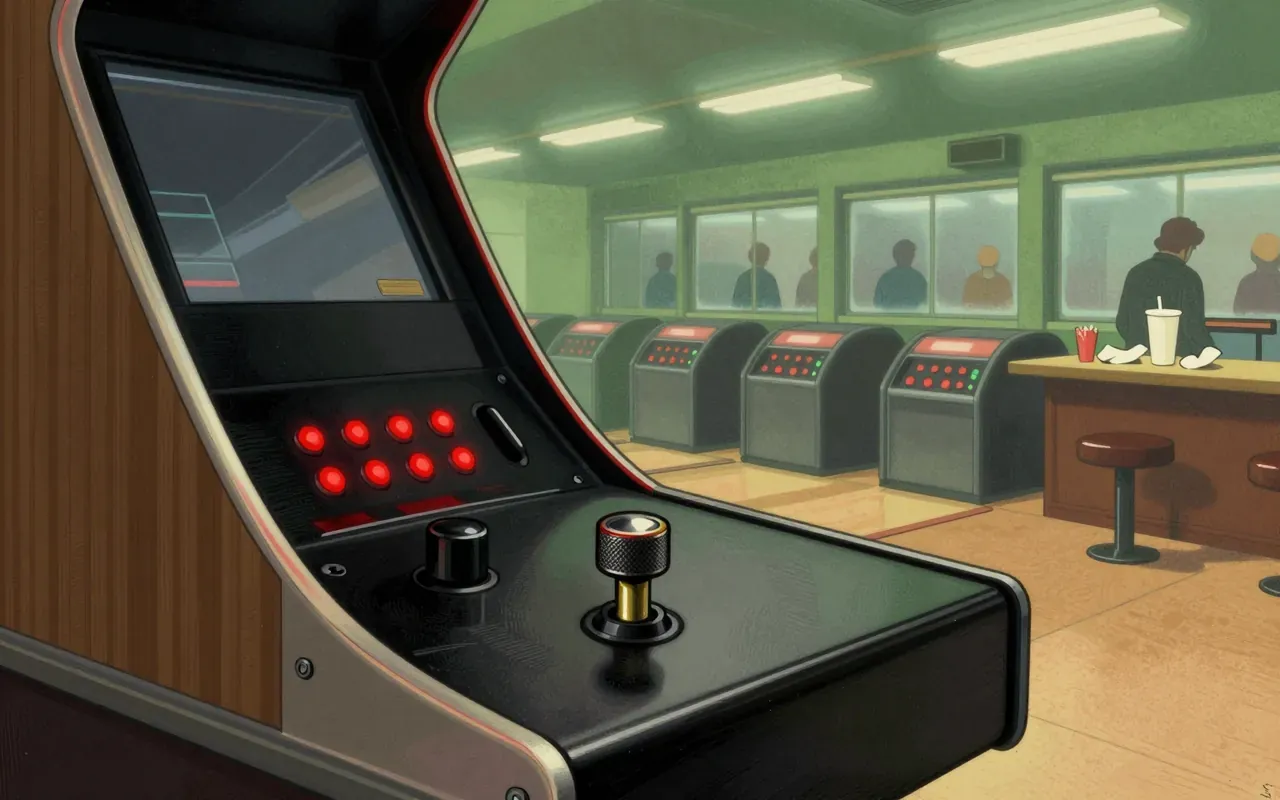
Tempest is a 1981 arcade tube shooter developed and published by Atari, Inc. It places a claw-shaped blaster on the near edge of a 3D, lane-based surface — often a closed tube — viewed from one end.
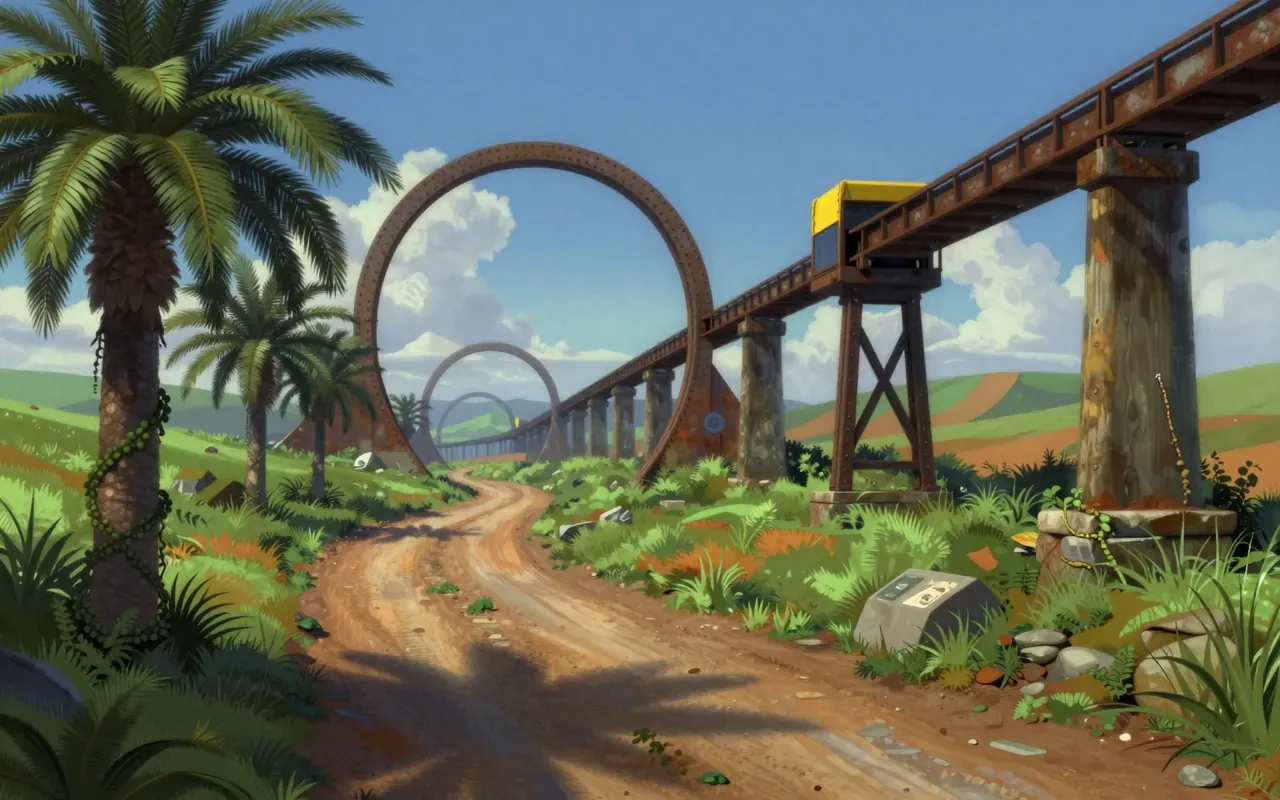
Sonic the Hedgehog (1991) is a speed-first 2D platformer built to define Sega’s identity against Nintendo. Its loop is acceleration → memorised path → consequence of misstep → rapid recovery. It asks for repetition, not explanation. It rewards anticipation, not reaction. It is not generous. It is specific.
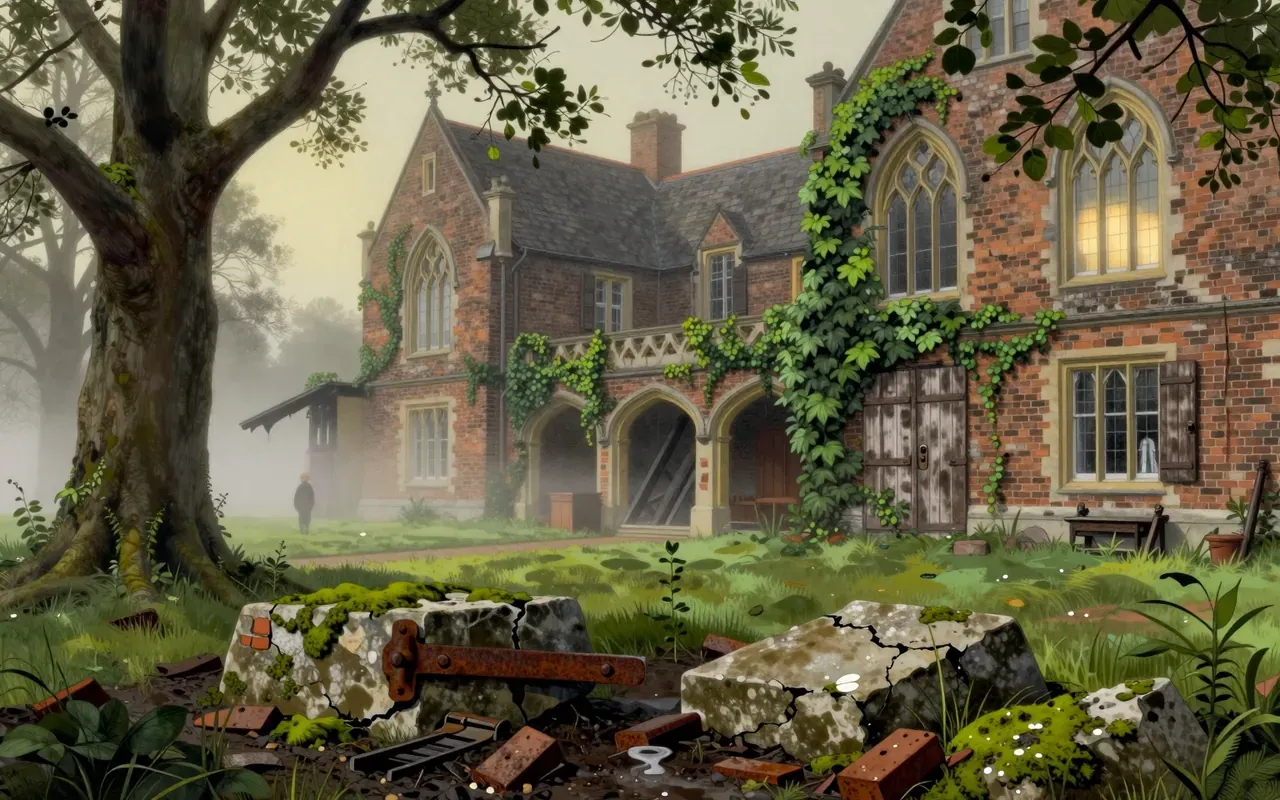
Alone in the Dark (1992) is a 3D horror adventure game set in 1920s Louisiana. The player selects Edward Carnby or Emily Hartwood and begins trapped in the attic of the haunted Derceto mansion. Escape requires exploration, weight-managed inventory use, and puzzle-solving—some enemies demand ritual solutions; others must be avoided entirely. Fixed camera angles and mixed 2D/3D visuals create deliberate tension. It received international attention upon release.

Far Cry 6 is a first-person shooter set on the fictional Caribbean island of Yara, where the player assumes the role of Dani Rojas, a guerrilla fighter attempting to topple the dictatorship of Antón Castillo.
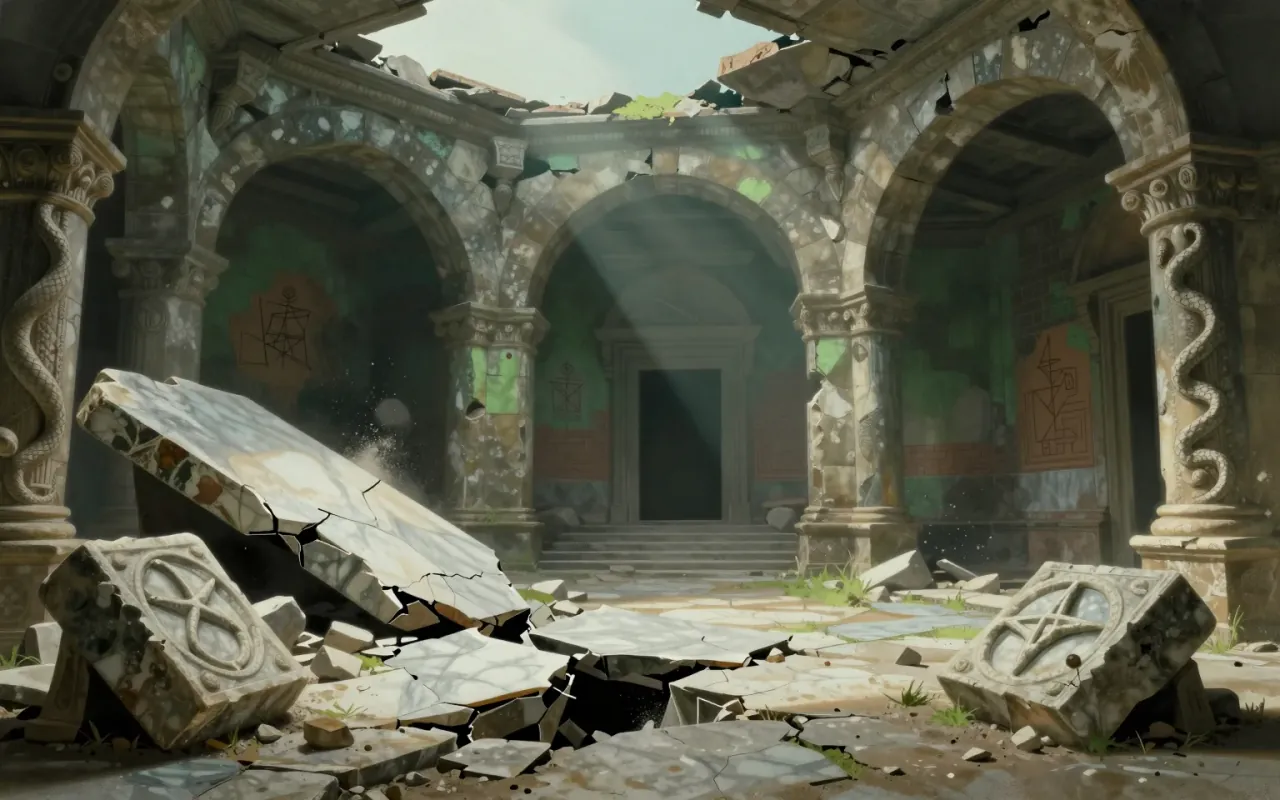
Hexen II is a 1997 first-person shooter built on a modified Quake engine. It is the second sequel in the 'Serpent Riders' trilogy. It features action-adventure and action role-playing elements.
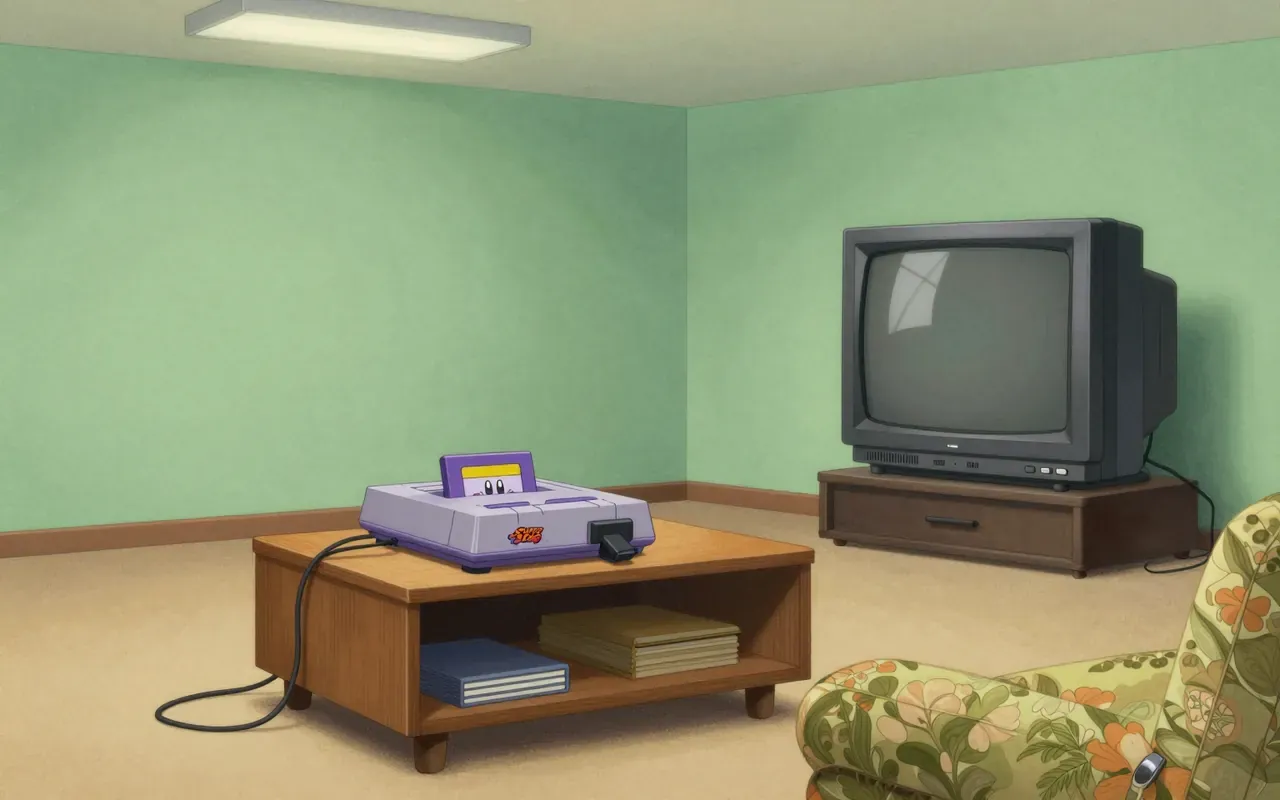
Kirby Super Star is a side-scrolling platformer anthology composed of seven distinct game modes and two minigames. It unifies them with Kirby’s core abilities: inhalation, copying, floating flight, guarding, and Helper-based cooperation.
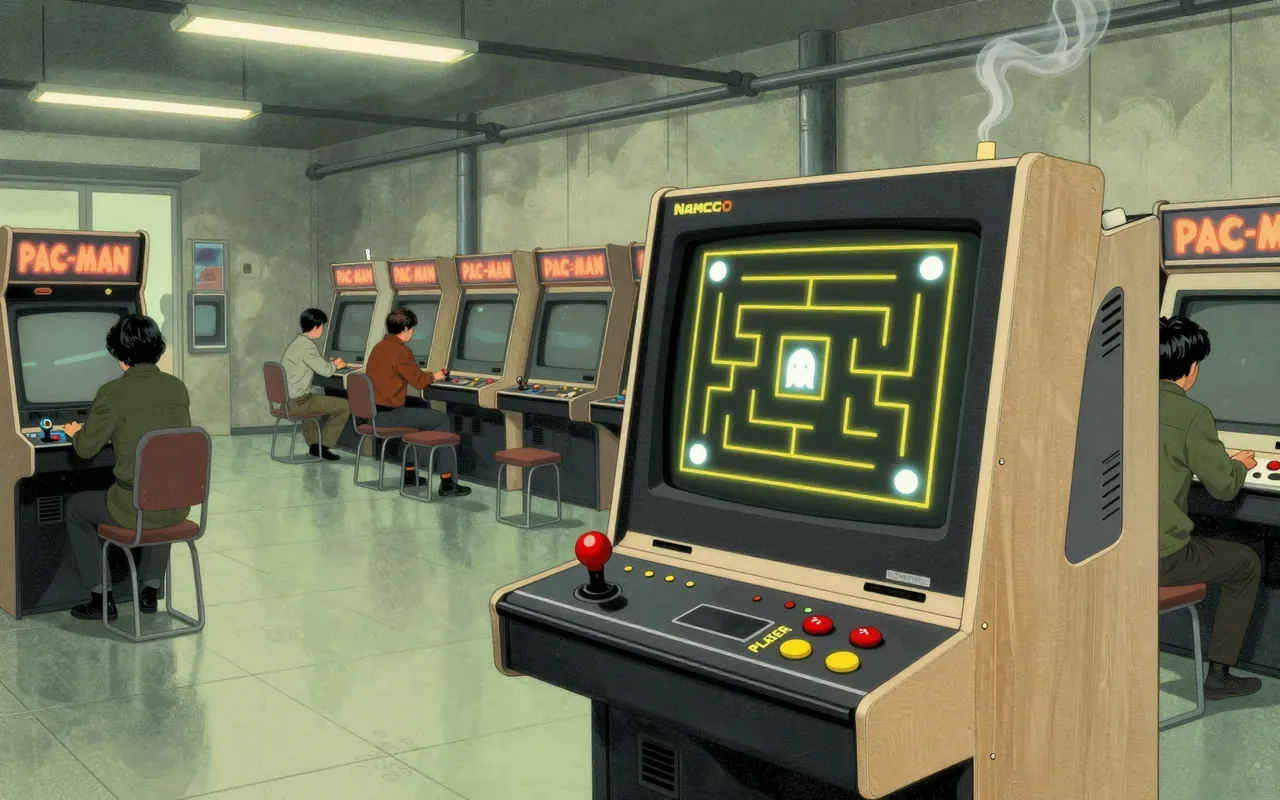
Pac-Man is a foundational arcade game released by Namco in Japan in 1980 (test-marketed 22 May, wide release July) and North America in November 1980. Its design centres on eating dots in a fixed maze while evading four ghosts—Blinky, Pinky, Inky, and Clyde—each governed by a distinct AI rule. Power pellets temporarily reverse ghost behaviour and enable Pac-Man to consume them. Completion of each level requires clearing all dots; contact with a ghost costs a life. The game ends when all lives are lost.

Factorio is a factory simulation game developed and published by Czech studio Wube Software.

Phantasy Star (1987) is a traditional Japanese RPG developed and published by Sega for the Master System. It alternates between top-down overworld exploration and first-person dungeon/battle navigation. Players control Alis, recruit Noah, Odin, and Myau, share one inventory, visit towns to buy gear, face random monster encounters outside towns, and manually map complex dungeons.
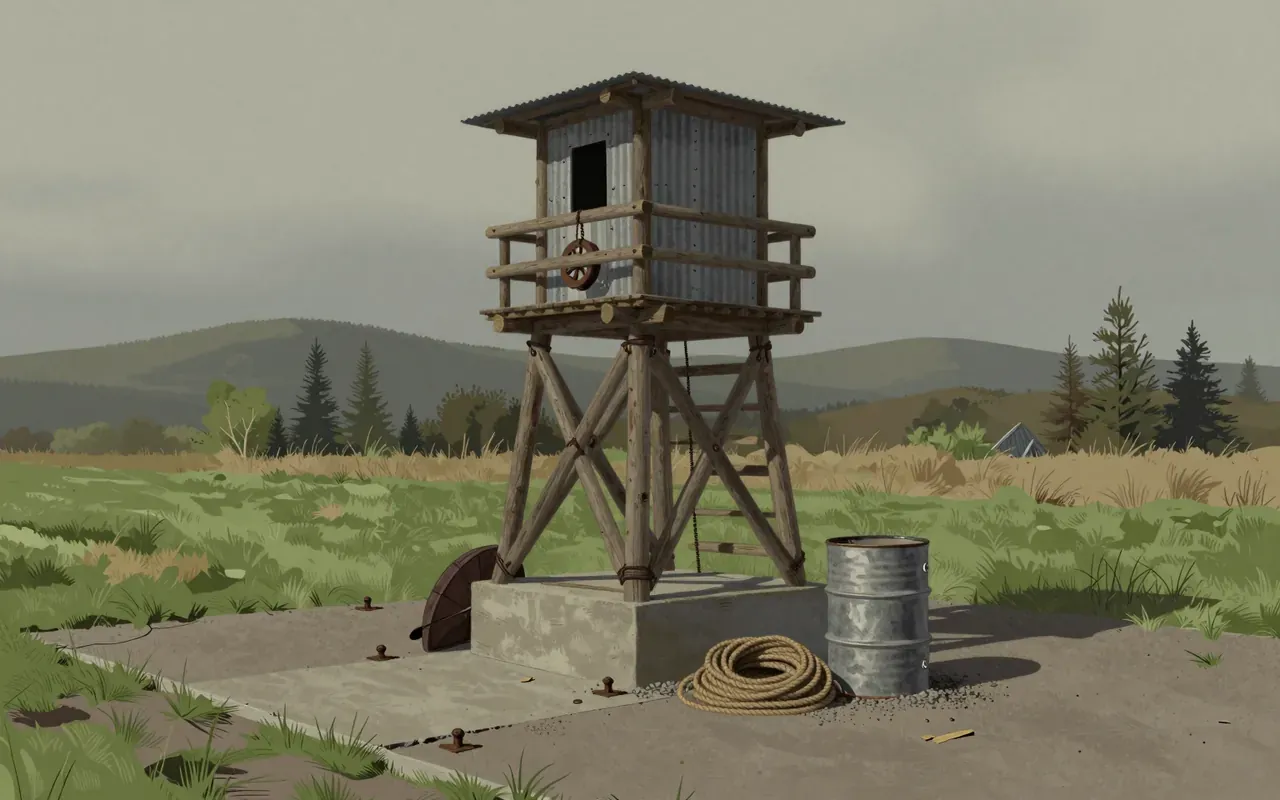
Rust is a multiplayer survival game developed and published by Facepunch Studios. It launched in 2018. Players must gather or steal materials to survive in a harsh open world. They manage hunger, thirst, and health. Other players are the primary threat. Combat uses firearms and bows. NPC vehicles occasionally roam and attack armed players. Crafting is initially limited until specific items are discovered. Players build bases or join clans for protection. Raiding is central. The game operates on 'Wipes' that reset progress regularly.
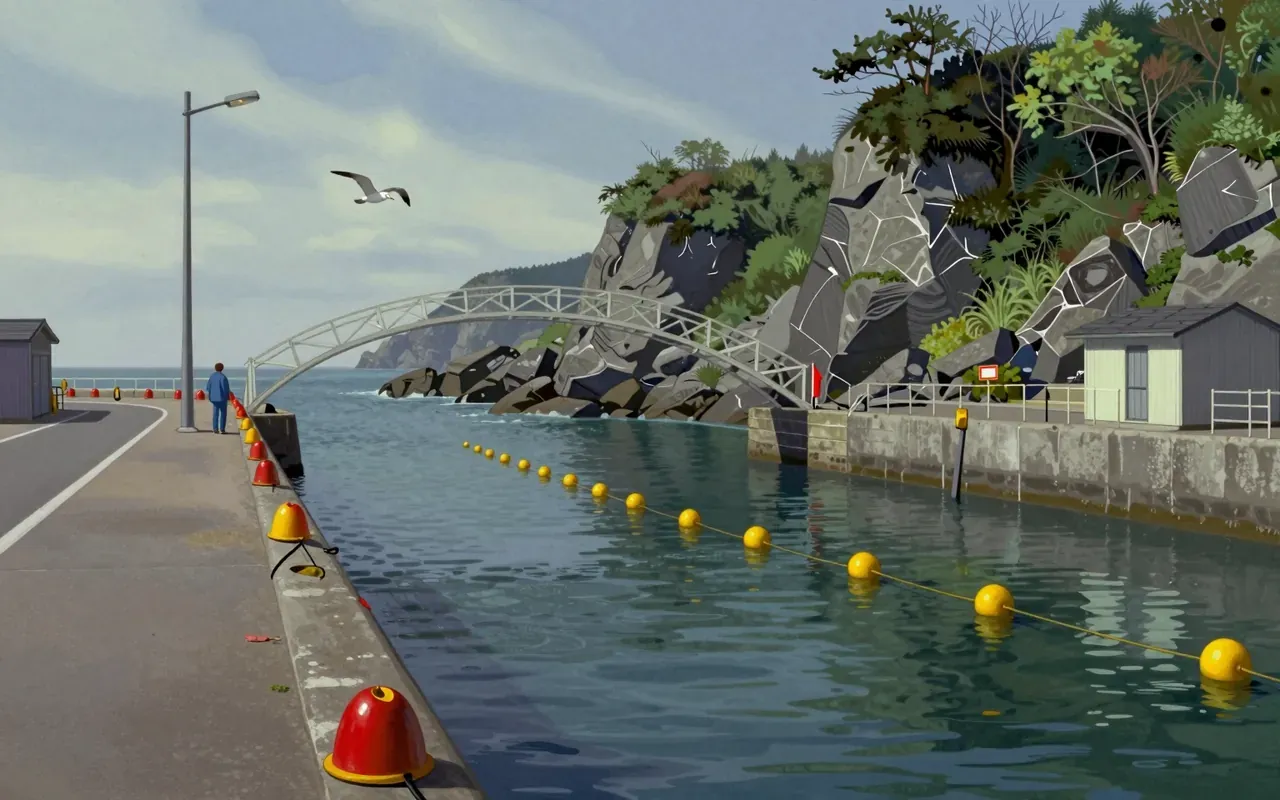
Wave Race 64 is a buoy-locked racing game for the Nintendo 64. It demands strict adherence to directional rules across escalating difficulty tiers. No story. No AI nuance. Just precision, points, and progression earned one lap at a time.
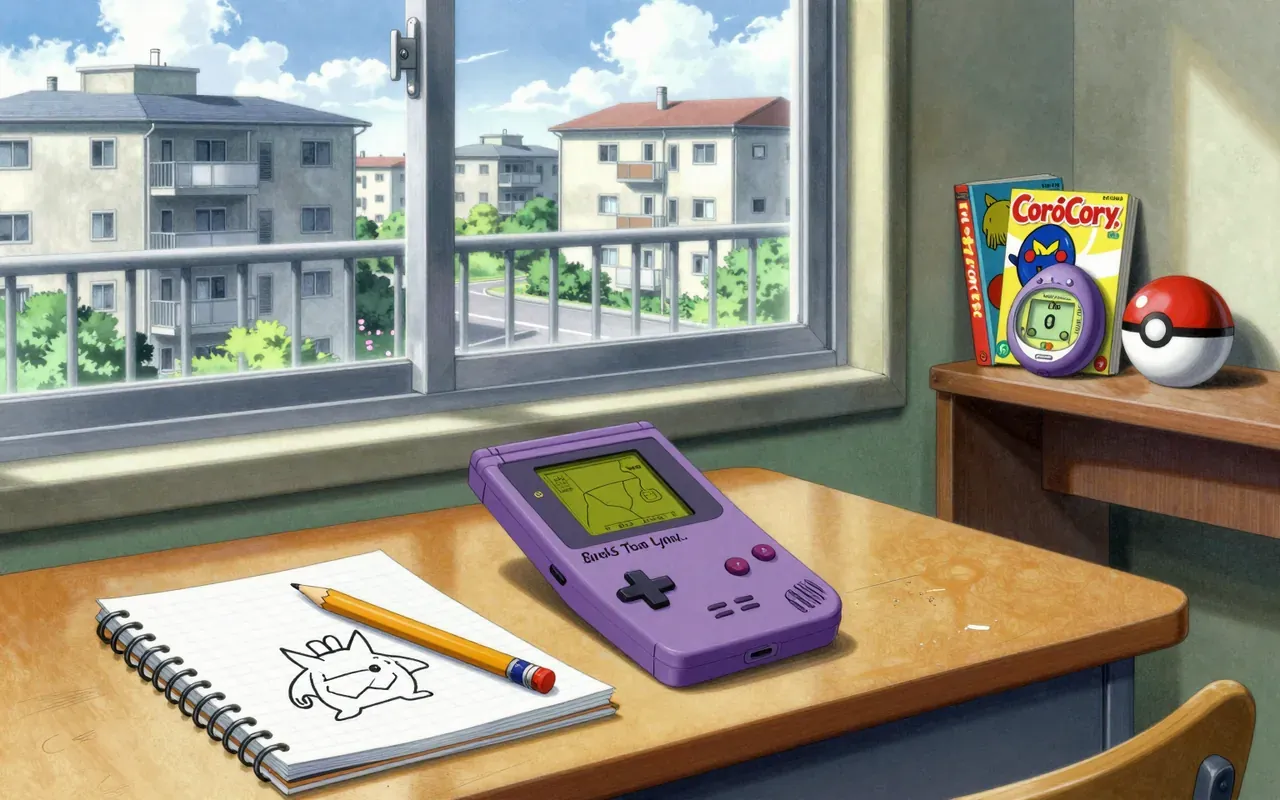
Pokémon Gold and Silver refine the series’ core loop with a real-time clock and expanded Pokédex, but offer no structural departure from the top-down, random-encounter, EXP-driven RPG formula established earlier.
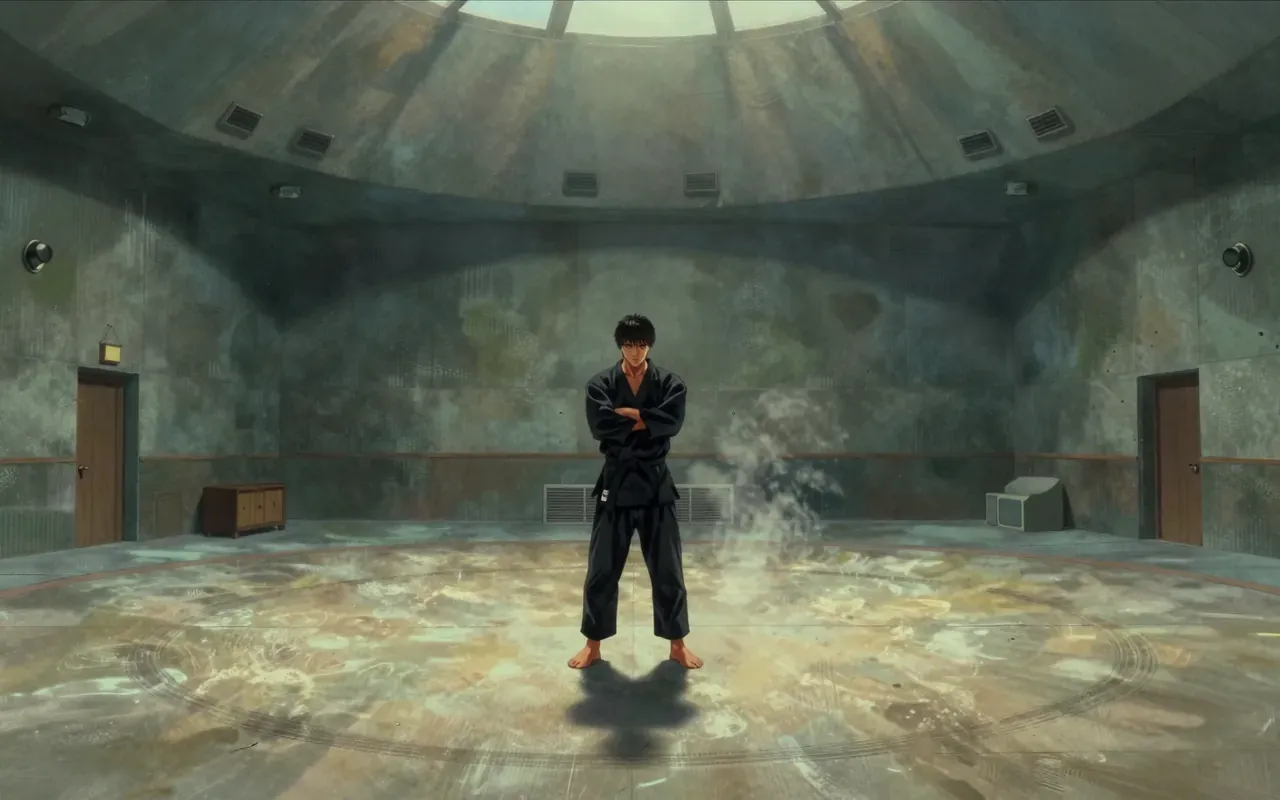
Tekken 2 refines the original's 3D fighting mechanics with new defensive and movement options—attack reversals, back throws, chain-throws, and character-specific sidesteps—while retaining the infinite plane and four-button layout. Its home console version adds structured training and endurance modes (Survival, Team Battle, Time Attack, Practice) with health carryover systems that shape long-session play. Unlock progression ties directly to Arcade Mode completion, and hardware constraints shaped the PlayStation port's development focus.
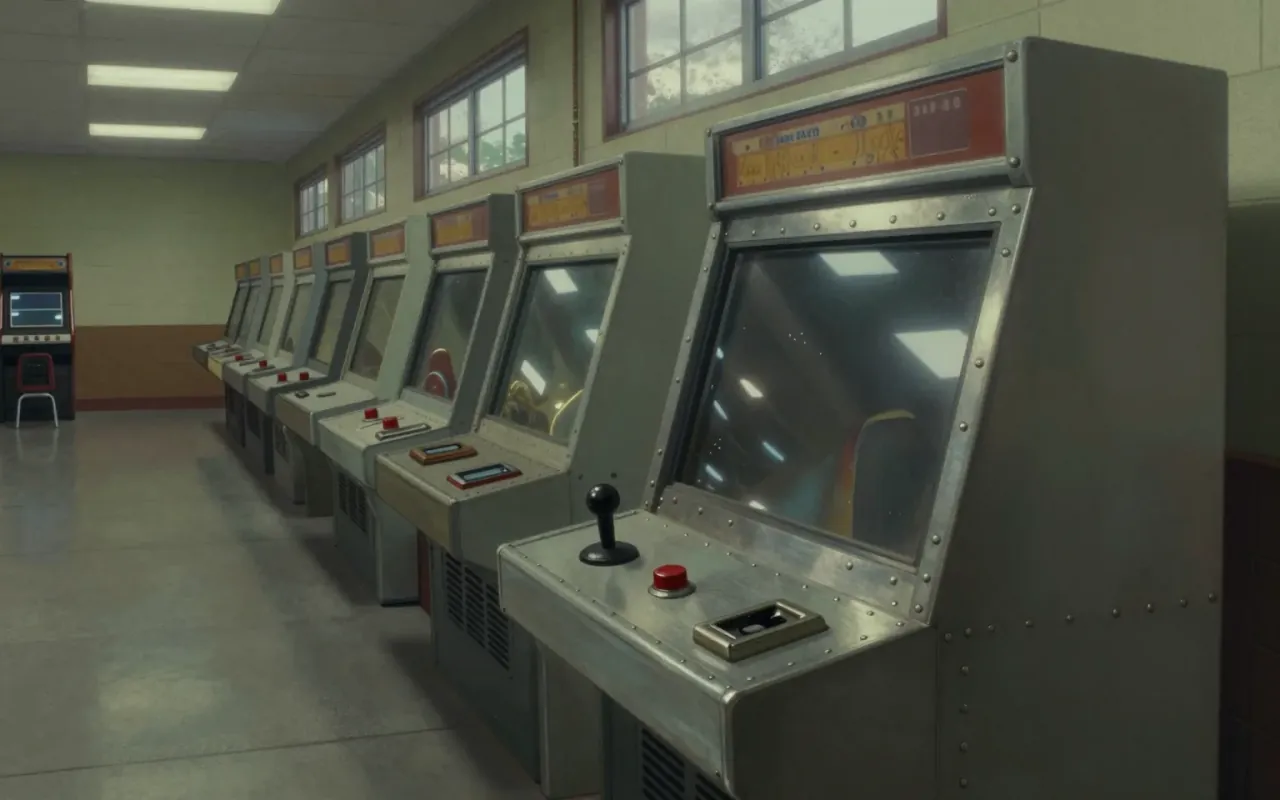
Gyruss is a Konami shoot 'em up arcade game from 1988. It uses one-point perspective with a central vanishing point. The player’s ship orbits the screen’s perimeter. Enemies are spaceships that must be destroyed to complete levels.
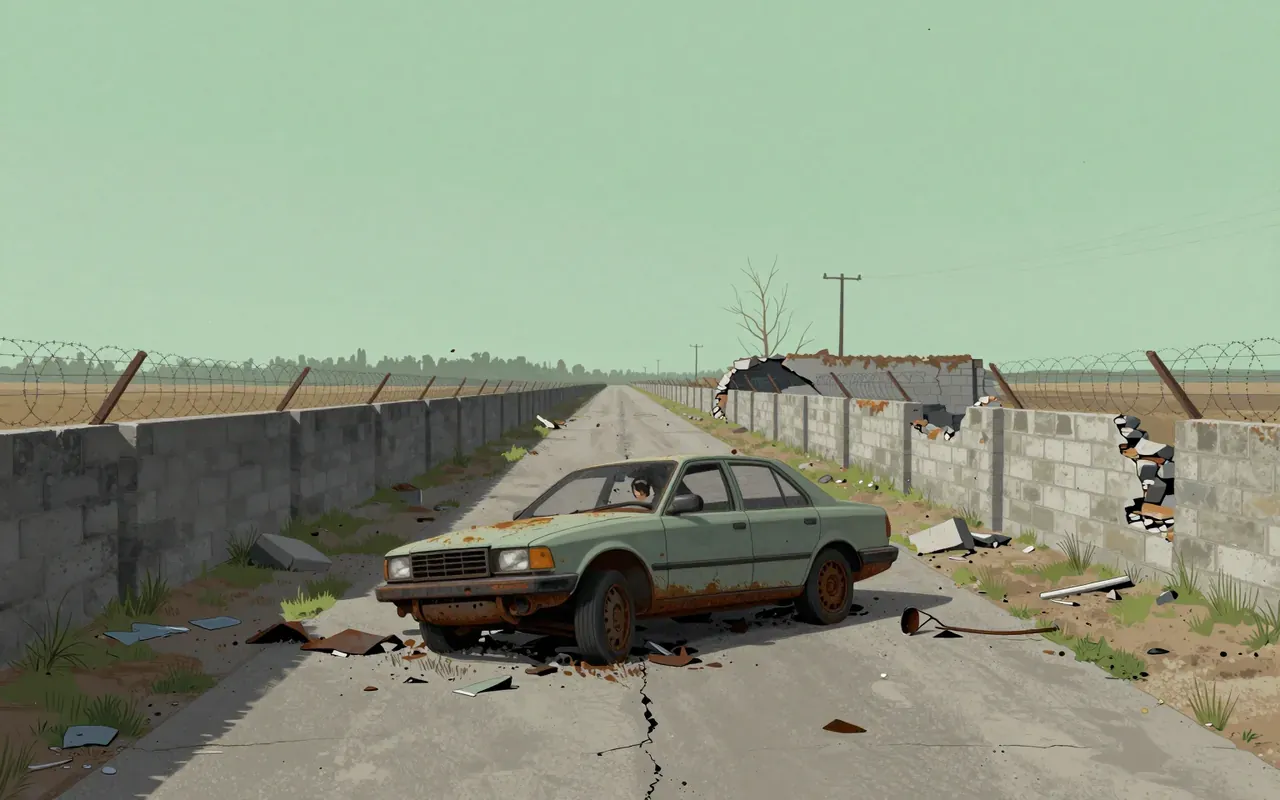
Insurgency (2014) is a tactical shooter defined by omission: no crosshair, no health bar, no minimap, no instant respawn. Players join Security or Insurgents in a fictional Middle Eastern conflict. At round start, they spend supply points on class-specific weapons. Guns kill fast. Death means spectating until their team completes an objective. Every design choice removes feedback to force presence, patience, and trust.

Marvel vs. Capcom: Infinite is a 2D tag-team fighter built around instant switching and temporary stone powers — a deliberate pivot from assist-driven complexity to combo-driven clarity.
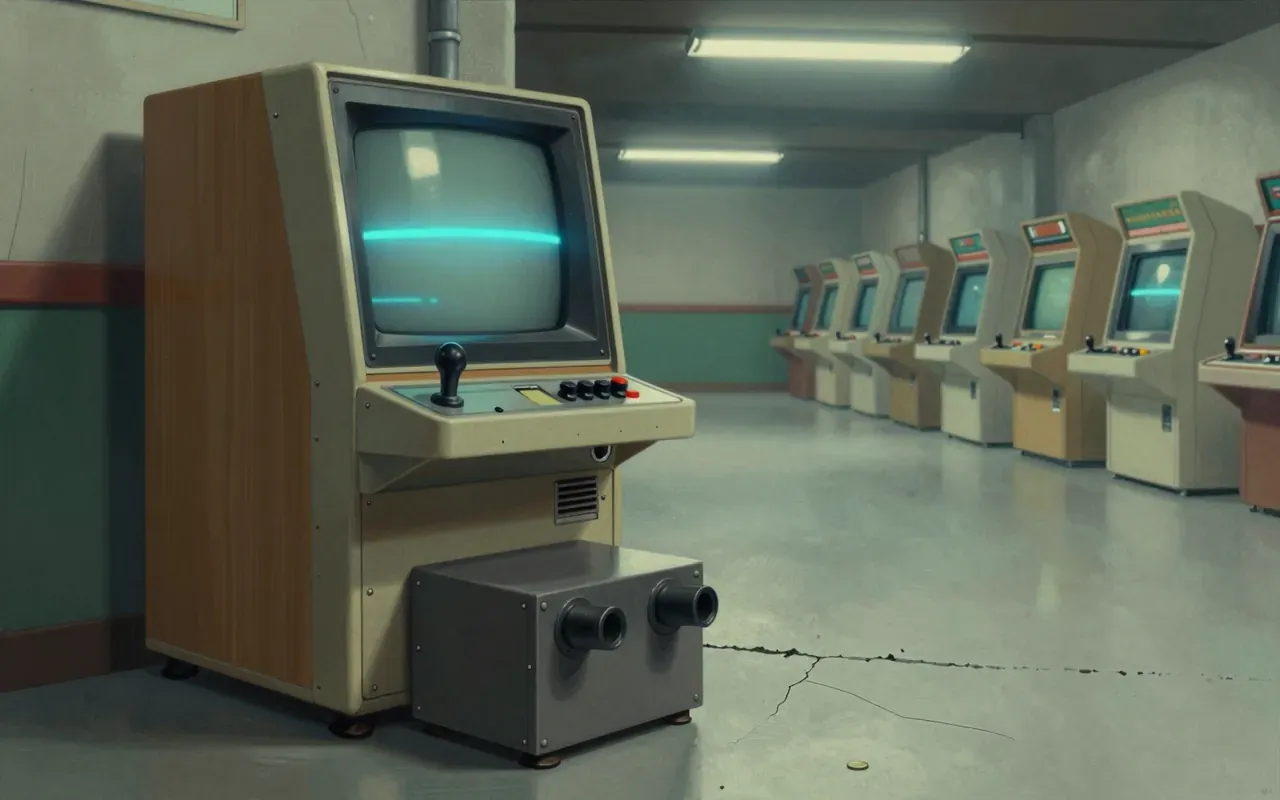
Space Invaders is a fixed shooter arcade game developed by Taito in 1978. The player controls a horizontally moving Laser Base at the bottom of the screen and fires upward at descending alien invaders arranged in five rows of eleven. Aliens move as a group, descending one step when hitting screen edges. The game ends immediately if any alien reaches the bottom — regardless of remaining lives. Aliens fire back; hits cost lives. Stationary bunkers provide partial cover but degrade from both alien and player fire. Movement and music accelerate as invaders are eliminated. Clearing all triggers a new wave starting lower. A mystery ship occasionally crosses the top for bonus points. It was Taito's most popular title and the most popular arcade game in history, beginning the golden age of arcade video games and contributing significantly to the growth of video games in the late 1970s.

Yoshi's Story is a Nintendo platform game released in 1997, built around two modes—Story and Trial—with a pop-up storybook aesthetic and pre-rendered 3D graphics.
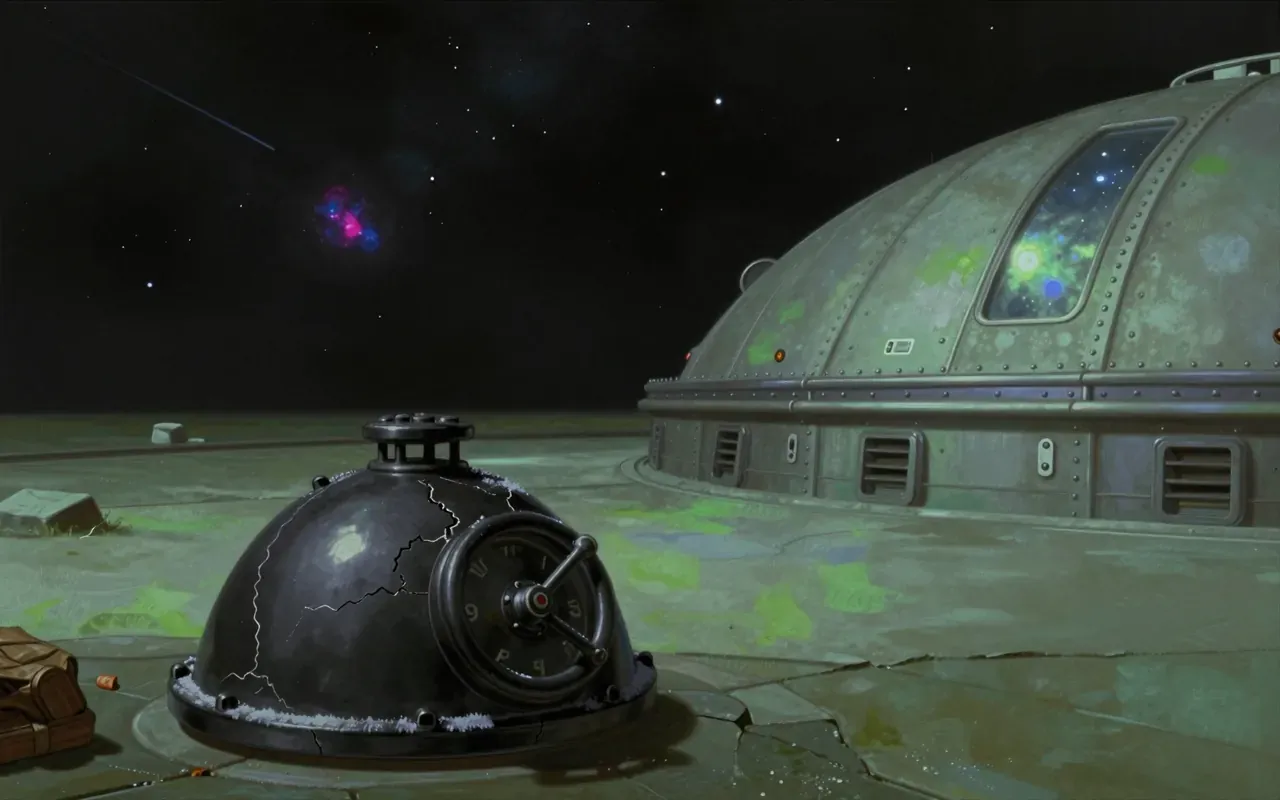
Space Hawk is a 1982 Intellivision multidirectional shooter where survival in drifting outer space is the sole objective.
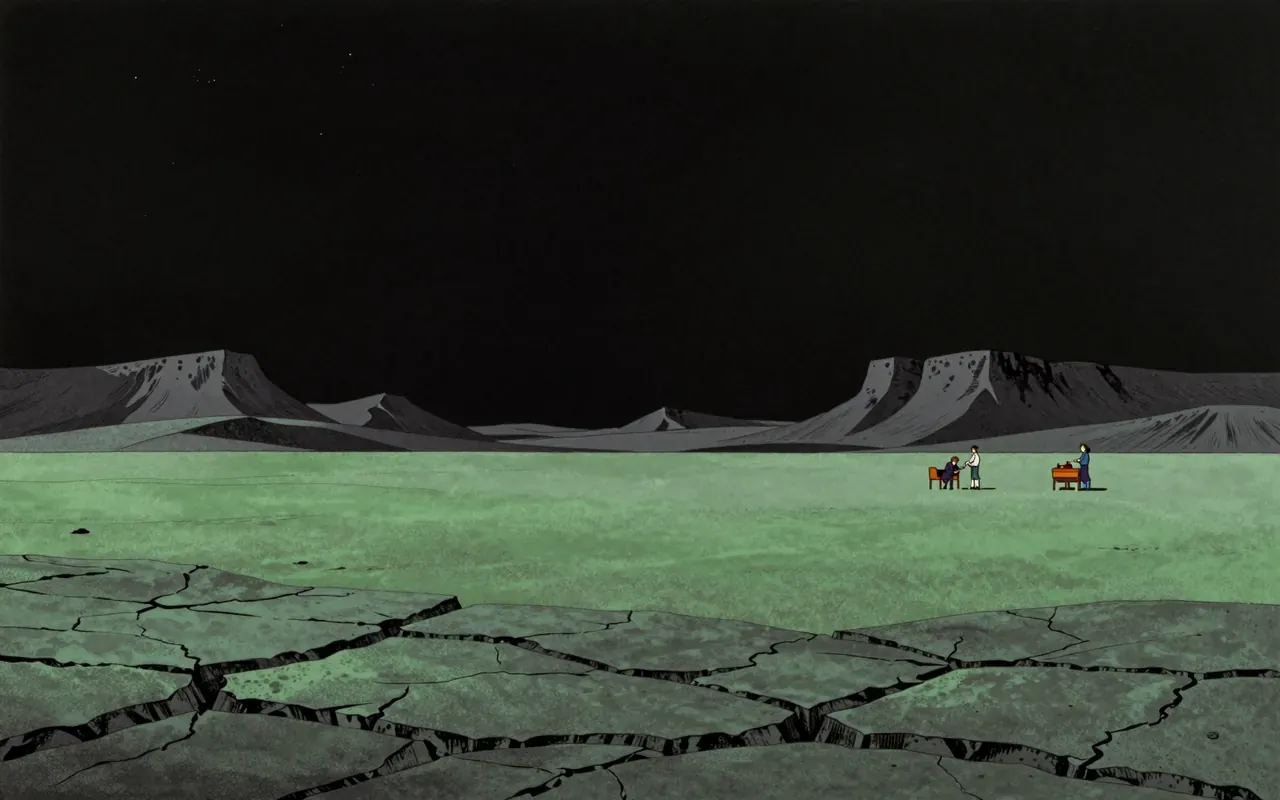
Defender is a 1981 coin-operated arcade shooter by Williams Electronics. It demands constant attention across multiple threats on a scrolling, featureless planetary surface. Its control scheme fractures movement and action. Its scoring system rewards endurance, not mastery. Its influence is real — but its play is uncompromising.
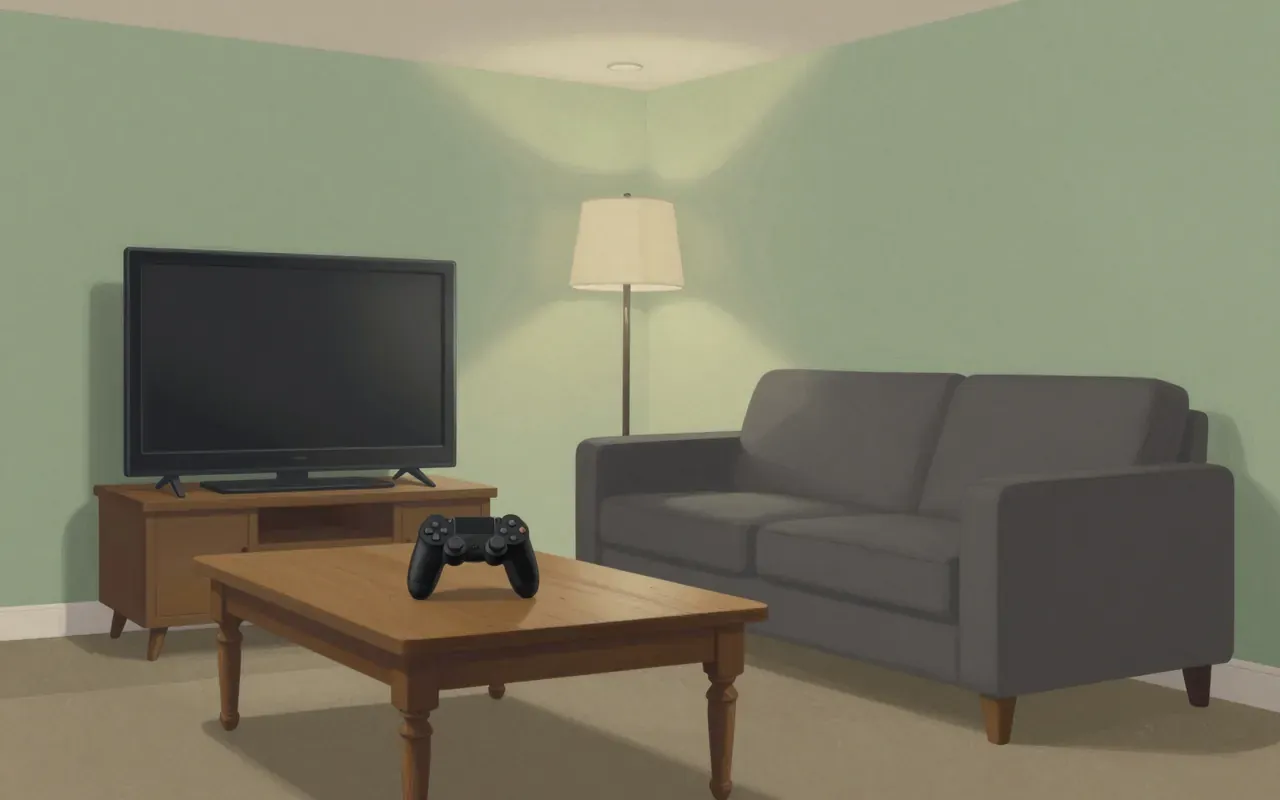
Destiny is a server-dependent first-person shooter that structures player time around repeated group activities — strikes, raids, patrols, and PvP matches — all governed by Light-level gating and tied to Bungie.net infrastructure. Its strength lies in rhythmic, communal combat execution. Its weakness is systemic opacity and narrative detachment. It asks for consistency, not curiosity.

Frogger is a 1981 Konami arcade action game where the player guides frogs across a road and river to reach homes at the top of the screen.

Journey is a PlayStation 3 game where a cloaked figure walks across a desert toward a distant mountain. Flight is enabled by a magical scarf whose charge depletes and recharges near red cloth or glowing symbols. Players may meet one anonymous co-player per session, cooperating silently through chimes that transform cloth to alter the world — opening paths or levitating players — with no speech, text, or visible names until the credits.

NBA Street is a deliberate departure from EA Sports’ simulation ethos. It trades authenticity for attitude, structure for swagger, and time limits for point thresholds. Its design insists on expression before execution—and rewards repetition, not mastery.
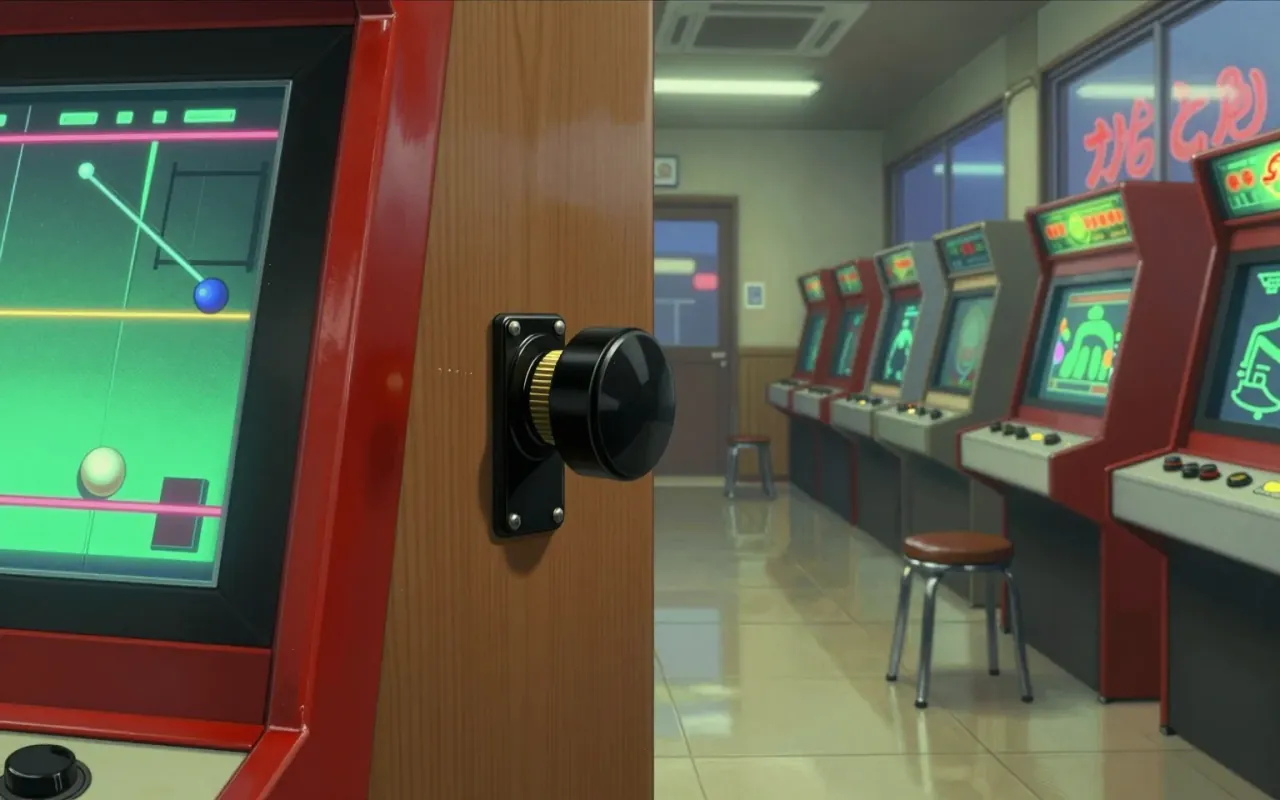
Arkanoid is a 1986 Taito arcade game. It is a block breaker where the player controls the Vaus paddle to bounce a ball and destroy bricks across 33 (or 36) levels.
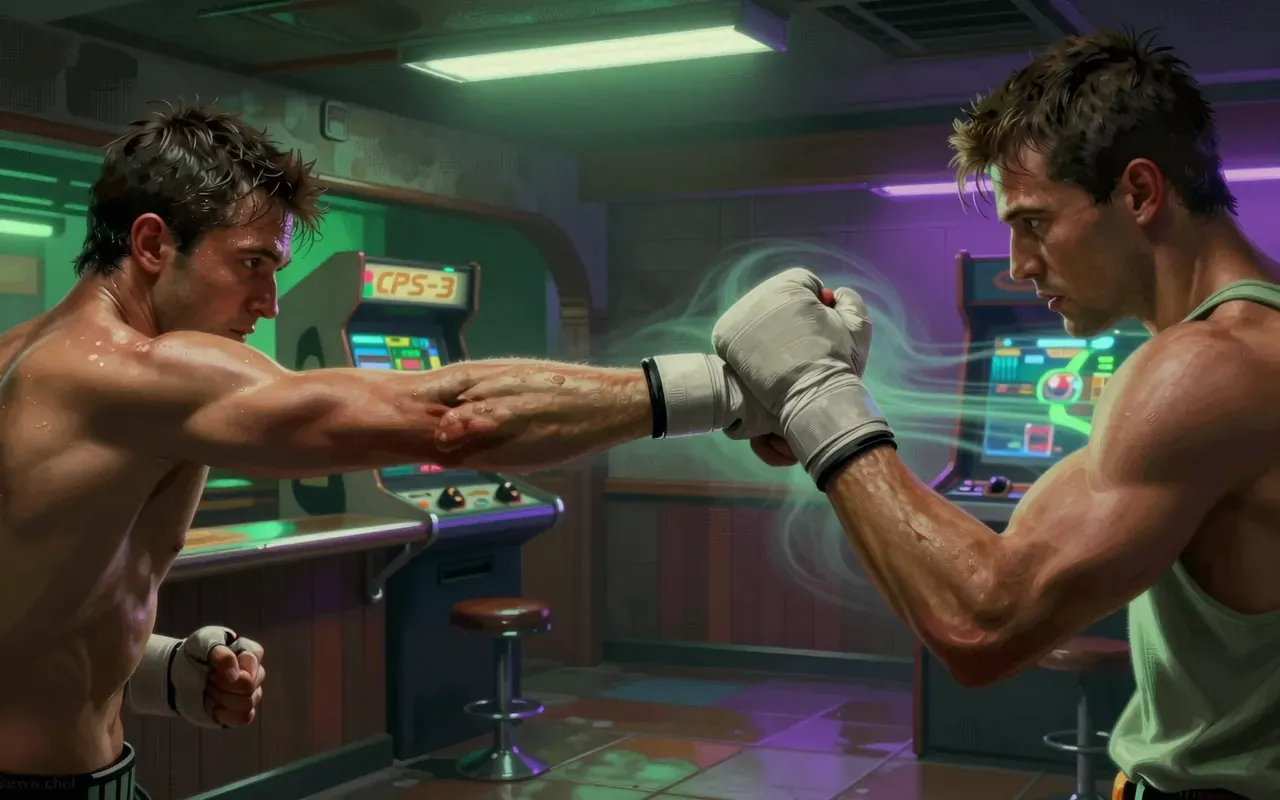
Street Fighter III discards familiarity to enforce precision. Its parry system removes all passive defence. Every dash, leap, or super jump exists only as long as your timing holds. It is not generous. It is not nostalgic. It is calibrated.

osu! is a rhythm game built on precision, community curation, and mouse-driven timing. It asks for sustained attention, fine motor control, and tolerance for repetition. It gives back measurable progress, granular difficulty tuning, and a vast library of player-made challenges. It withholds narrative, accessibility for non-mouse users, and any abstraction between intent and execution.

Donkey Kong (1981) is Nintendo’s first major arcade success and one of the first platform games. Developed by Shigeru Miyamoto after Radar Scope’s failure, it casts the player as Jumpman ascending a New York construction site across four single-screen stages—25, 50, 75, and 100 meters—to rescue Pauline from Donkey Kong. Gameplay revolves around running, jumping over gaps and obstacles, climbing ladders, and avoiding barrels, oil drums, cement pans, springs, and falling hazards—all under a shrinking bonus timer. Points reward precise actions: leaping, hammering, collecting items, and removing rivets. Lives end on contact, fatal falls, or timer expiry. Jumpman later became Mario.
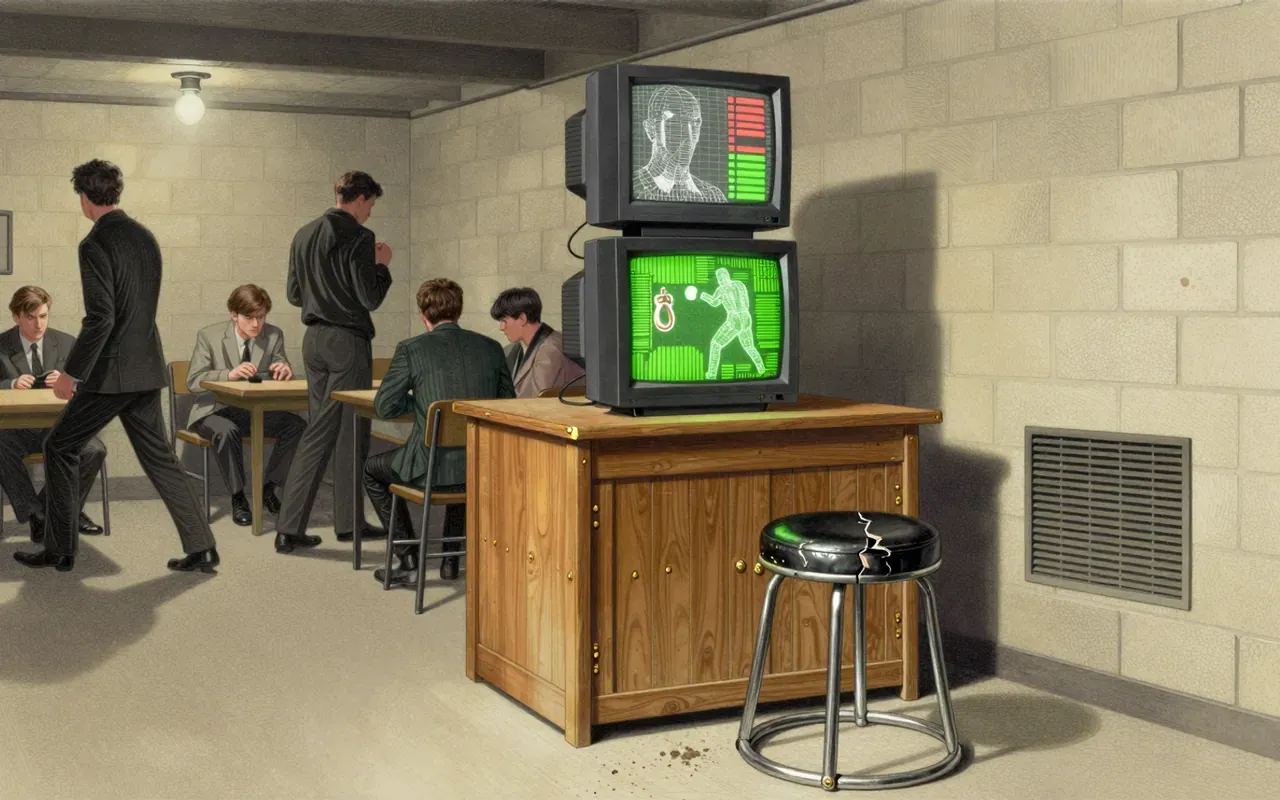
Punch-Out!! (1984) is a rigid, reactive arcade boxing game built around telegraphed eye cues, fixed timing, and forced replay. It asks players to memorise patterns, not adapt to them. It gives no identity beyond initials and no outcome beyond repetition or defeat.
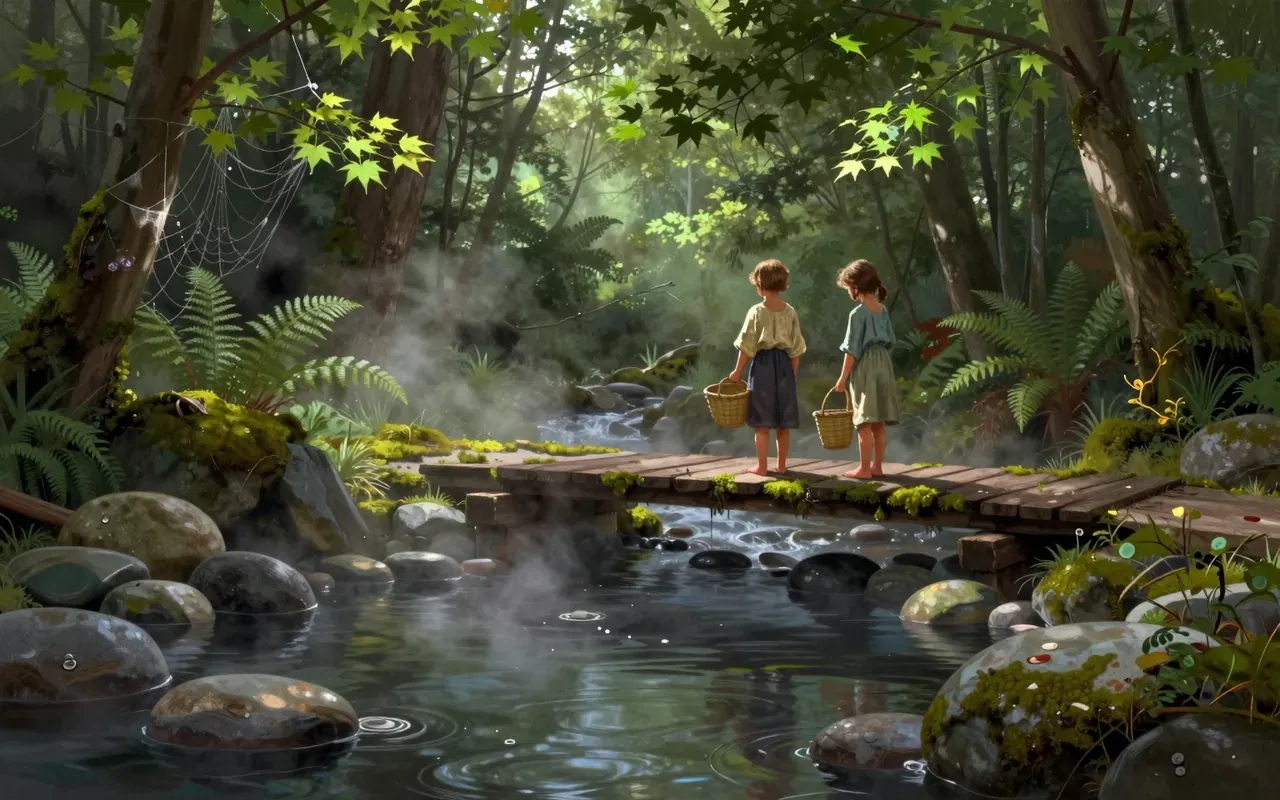
Mother 3 is a Nintendo-published multiplayer RPG. It uses top-down party exploration, rhythm-activated turn-based combat, XP-driven permanent stat growth, equipment-based attribute boosts, hot-spring healing, and frog-mediated saving. Dragon Power serves as late-game battle-earned currency. It offers a tightly authored, environmentally embedded RPG loop—but its most distinctive mechanics arrive late and remain narrowly scoped.
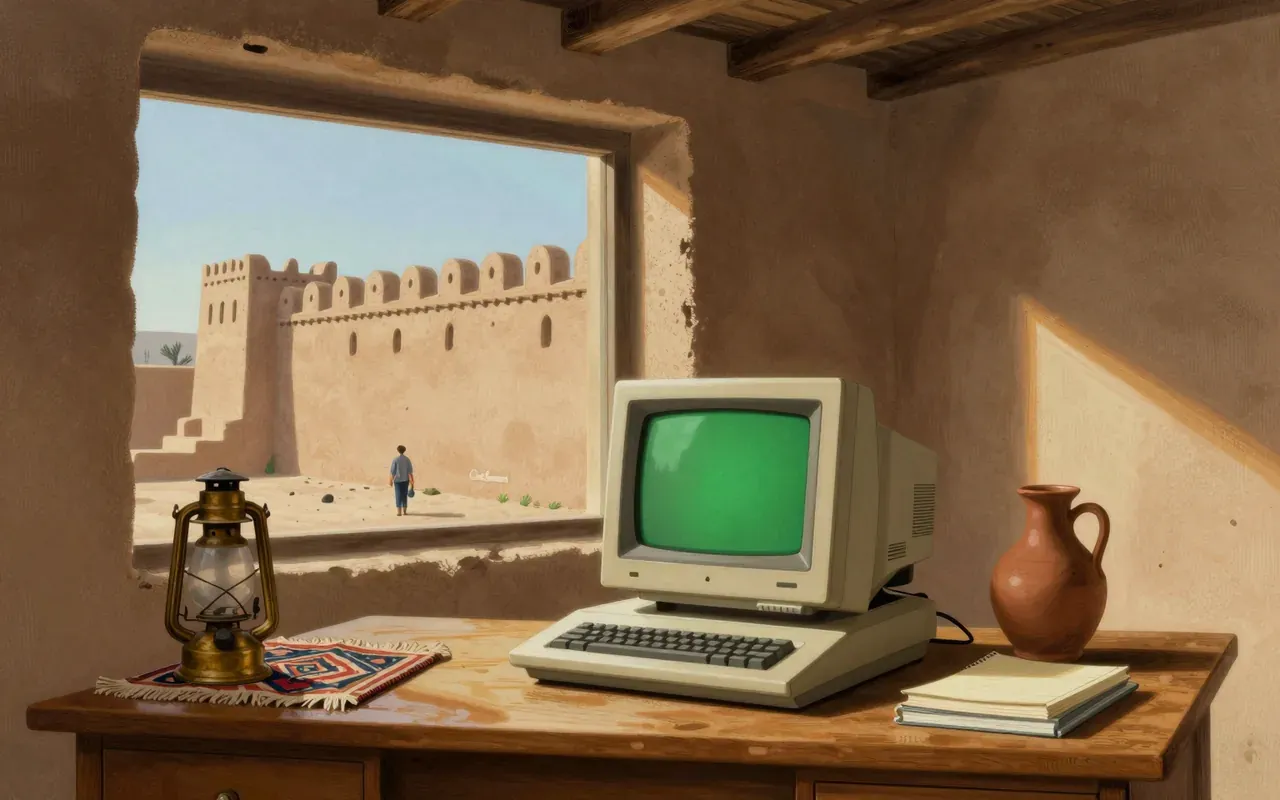
Prince of Persia 2: The Shadow and the Flame is a 1993 Broderbund-published cinematic platformer that escalates tension through larger environments, denser combat, and an unforgiving real-time clock—without altering the foundational verbs established on the Apple II.
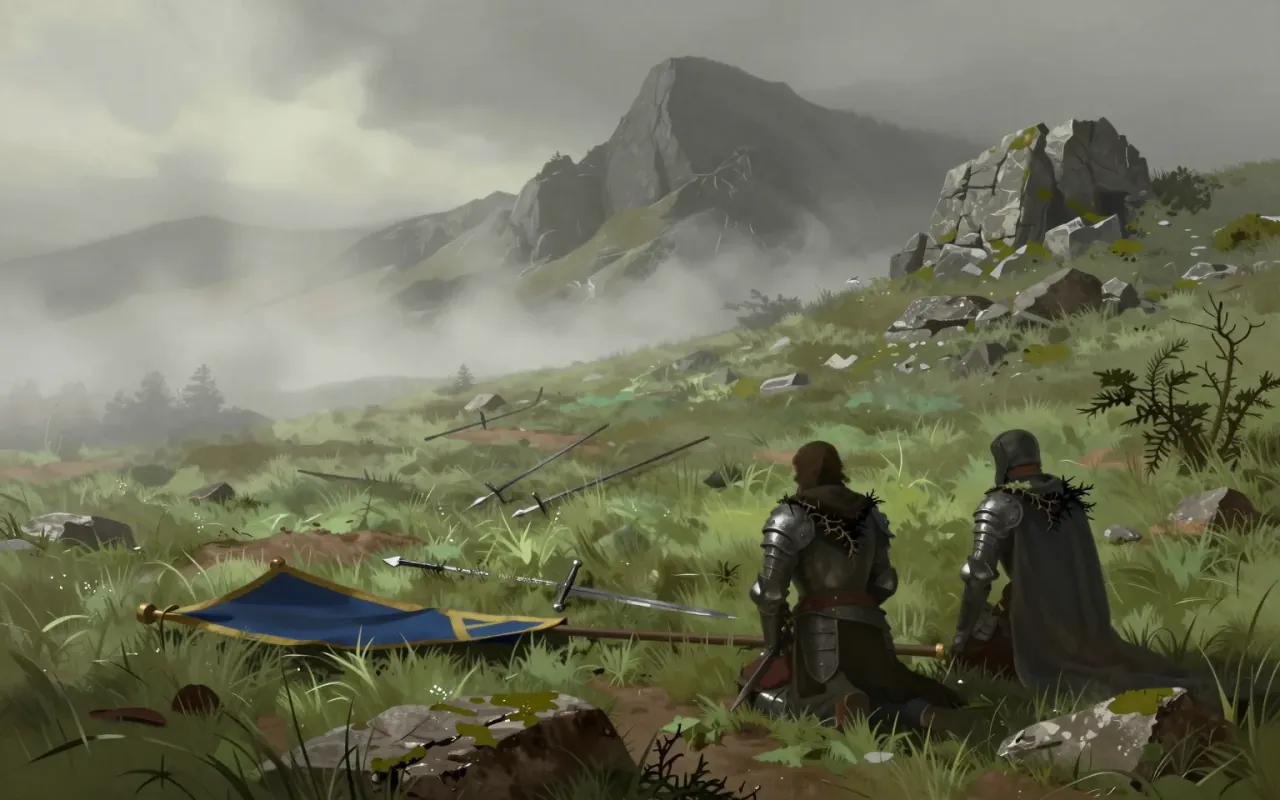
Fire Emblem: The Blazing Blade is a tactical RPG where permanent death, class-based roles, and square-grid combat define every choice. It asks players to weigh risk against reward, memorise ranges, and accept loss as instruction—not failure.

Doom (1993) is a first-person shooter for MS-DOS and Windows developed by id Software. It uses a 2.5D engine: environments render in 3D perspective but movement is confined to a 2D plane, and enemies are 2D sprites using billboarding. Players assume the role of a space marine fighting demons and possessed undead humans across labyrinthine levels grouped into episodes, each ending in a boss fight. Completion requires reaching a marked exit room while managing limited ammo, health, and armor—and avoiding hazards like toxic waste and crushing ceilings. Five difficulty levels scale enemy count, damage, speed, and aggression. The game supports cooperative and deathmatch multiplayer over local networks and modding via WAD files. Its design prioritises fast-paced action over narrative, with minimal plot conveyed through inter-episode text.

Unreal Tournament 3 is a 2007 PC arena shooter built for online multiplayer. It delivers eight distinct modes, each with explicit rules: Duel’s winner-stays queue, Warfare’s orb-driven node capture, and Vehicle Capture the Flag’s hover board–only traversal. The hover board disables weapons and leaves players vulnerable when hit — a hard constraint, not a flourish. Single-player is AI-driven re-skins of multiplayer maps. It asks for rhythm, precision, and tolerance of enforced limitations — nothing more.
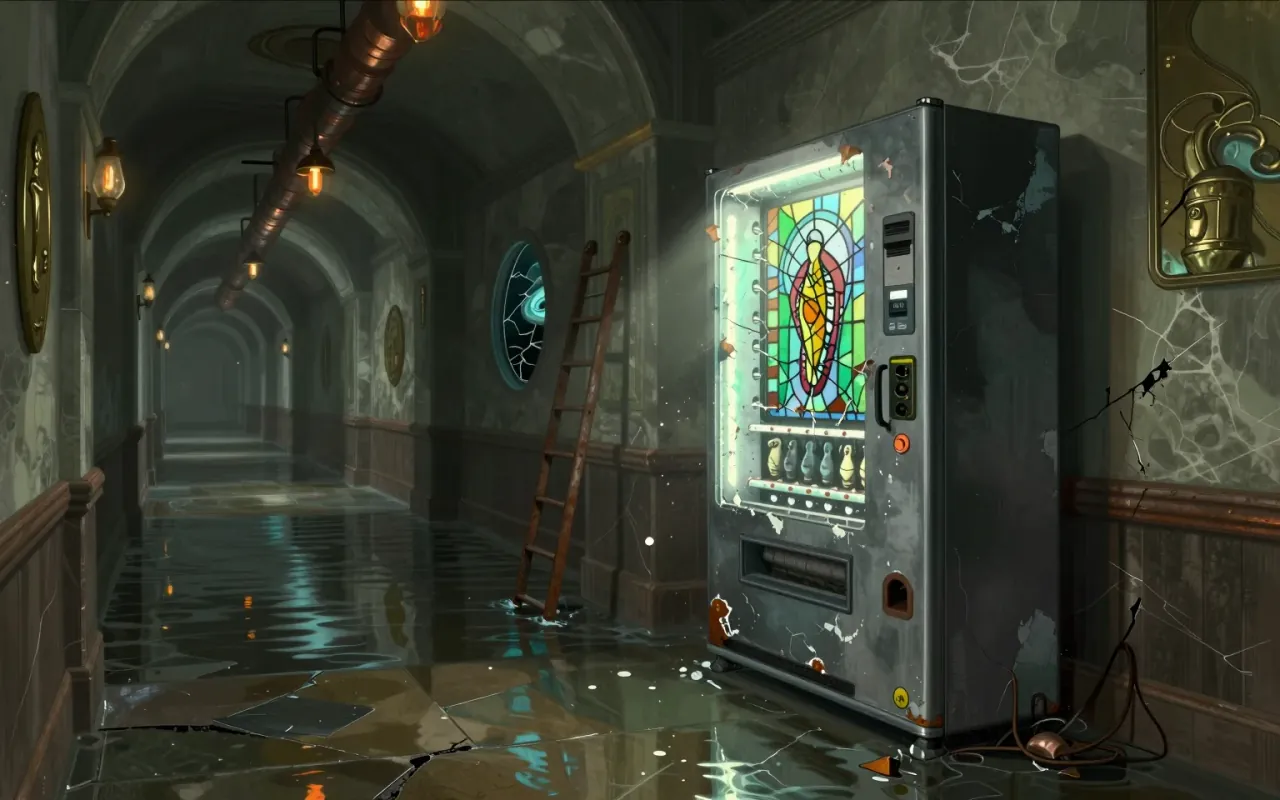
BioShock is a first-person shooter with role-playing customisation and stealth elements. You play as silent protagonist Jack, guided through Rapture toward objectives. You battle enemies using traditional weapons and plasmids—magic-like superpowers that consume EVE and can unlock new areas. Weapons are upgraded at scattered stations and fitted with varied ammo. Health is tracked and restored with consumables. Plasmids grant superpowers like fire or electricity, and can unlock new areas by melting ice or tripping locks. Using plasmids requires EVE, replenished via hypos or consumable food and drink. The player has a health meter that decreases when they take damage and can restore it with food or medical packs found throughout Rapture.
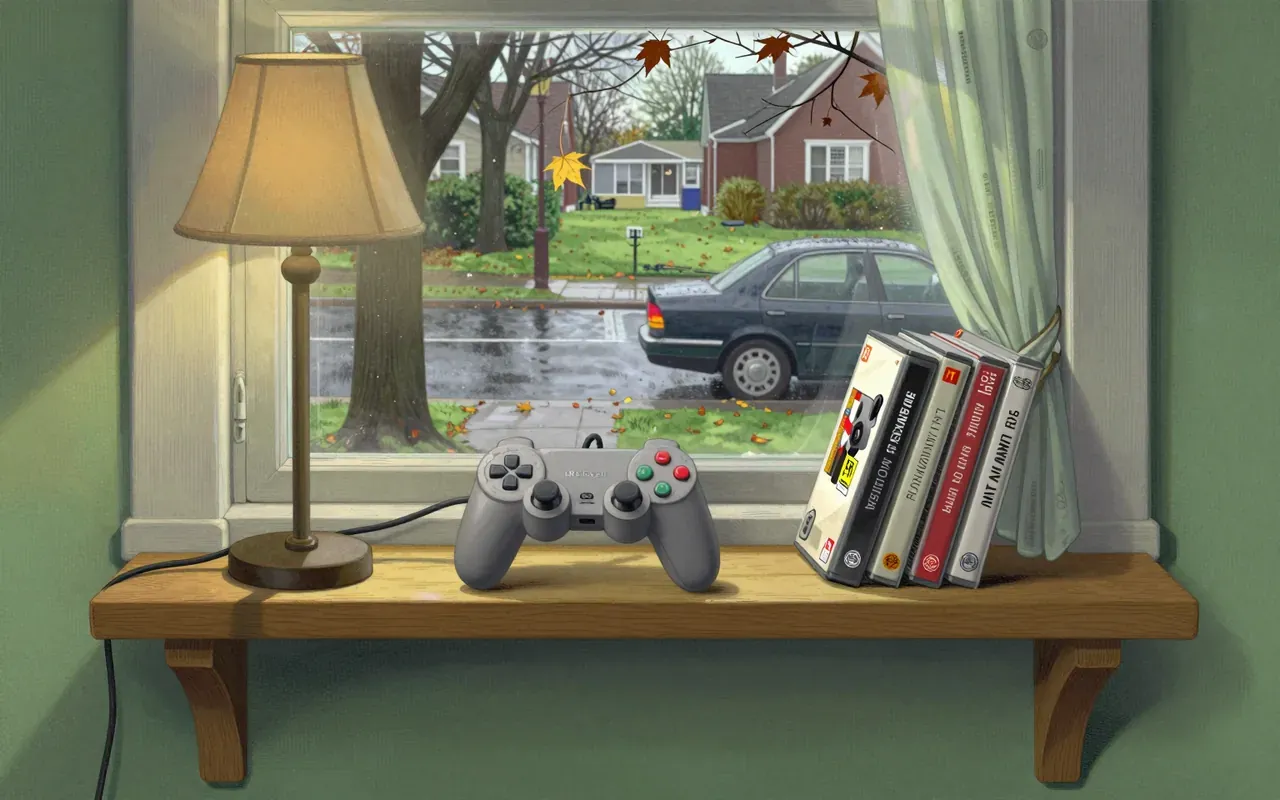
Guilty Gear (1998) is a rigid, high-stakes 2D fighter defined by its unyielding structure and aggressive resource economy. Its design assumes arcade discipline — precise inputs, pattern recognition, and tolerance for punitive feedback. It offers no scaffolding, no compromise, and no illusion of accessibility.

Hatsune Miku: Project Diva is a rhythm game where players press buttons in time with Vocaloid songs across five escalating difficulty levels. Modules — Vocaloid characters or costume variants — appear in music videos depending on song type (solo or duet), but are not controlled. Progression is strictly linear: clearing Normal unlocks Hard, and completing songs unlocks new songs. It was successful in Japan for Sega and linked to their 2010 holographic concert work. No narrative, no multiplayer, no customisation beyond module selection. It asks for timing discipline and rewards it with more timing challenges.

NFL Street is a rule-simplified, style-driven take on American football that swaps realism for rhythm. It runs on the core loop of perform → earn style → trigger Gamebreaker → dominate drive. Its strength is immediacy and attitude. Its limit is repetition — there is no evolution beyond the next taunt or touchdown.
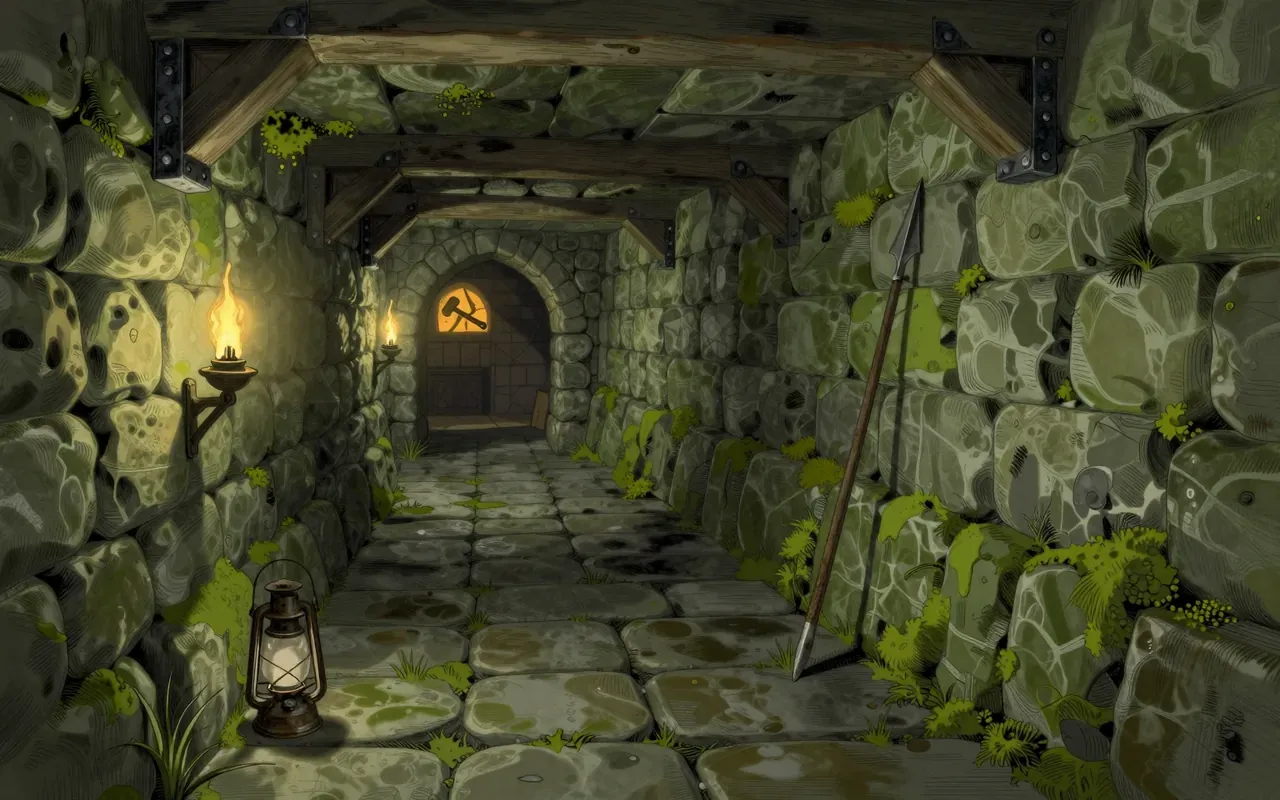
Torchlight is a single-player action role-playing game released for Windows on October 27, 2009. It was developed by Runic Games and published by Perfect World Entertainment and Encore, Inc. The game is set in the fictional town of Torchlight and the caverns and dungeons nearby. Players control a lone hero who explores randomized dungeons built from hand-designed modular chunks. Combat is point-and-click on PC. The loop is clear: descend, kill monsters in large groups, collect loot, return to the single town hub to sell, buy, and accept quests. Quests drive progression through unique boss battles. Side and random quests offer optional detours. The modular chunk system creates dungeons with intention—not randomness for its own sake. Levers open secret doors. Bridges move. Rooms connect meaningfully. The isometric-like overhead perspective gives spatial clarity. Loot drops frequently and visibly. The town hub is lean: one place to sell, buy, and take quests—no filler. It does not support co-op or multiplayer. It offers no character customisation beyond class choice. There is no endgame beyond completing the main questline and replaying with new classes. The town hub is static and unchanging. No lore depth or worldbuilding beyond functional exposition.