gamesbriefs
Newest

All briefs

467 briefs · 4633 min · 193–288 on page 3 of 5
9:21

Forza Motorsport 4

Turn 10 Studios · 2011

Forza Motorsport 4 is the fourth Forza Motorsport title, developed by Turn 10 Studios for Xbox 360 and published by Microsoft Studios in 2011. It is a racing simulation emphasising realistic car handling and visual fidelity on closed-circuit tracks. It supports dual-input control: traditional controllers or wheels for driving, and Kinect for head-tracking, voice commands, or full-body steering (with auto-acceleration/braking). Its Autovista mode enables detailed exploration of select cars, and its World Tour career adapts AI difficulty based on player performance.


9:31

Gran Turismo 7

Polyphony Digital · 2022

Gran Turismo 7 is a technically accomplished sim racing title that prioritises curated progression and hardware fidelity over player agency. Its reliance on online infrastructure for core functionality—including saving—defines its limits as much as its strengths. It delivers realism through physics and presentation, but structures engagement around compliance, not compulsion.

8:25

NBA Street

EA Sports · 2001

NBA Street is a deliberate departure from EA Sports’ simulation ethos. It trades authenticity for attitude, structure for swagger, and time limits for point thresholds. Its design insists on expression before execution—and rewards repetition, not mastery.

8:50

Need for Speed: Underground 2

Black Box · 2004

Need for Speed: Underground 2 is a racing game where tuning, driving, and discovery are inseparable. It asks you to treat Bayview as terrain—not backdrop—and rewards persistence over precision. Its constraints are deliberate: no fast travel, no race menus, no hand-holding for hidden events. It works because those constraints shape a specific kind of attention: one tuned to corners, shortcuts, and the hum of a modified engine echoing off concrete.

8:35

Pokémon Gold and Silver

Game Freak · 1999

Pokémon Gold and Silver refine the series’ core loop with a real-time clock and expanded Pokédex, but offer no structural departure from the top-down, random-encounter, EXP-driven RPG formula established earlier.

11:30

Project Gotham Racing 2

Bizarre Creations · 2003

Project Gotham Racing 2 is a tightly wound, mode-structured arcade racer that asks players to master rhythm, timing and spatial awareness — not just acceleration. Its Kudos system creates a distinct performance grammar. Its fidelity is tangible: in polygon count, microphone count, and circuit variety. But it offers no narrative, no online play, and no cross-mode progression. It is a studio-built showcase — not a player-built world.

9:20

Shogun: Total War

Creative Assembly · 2000

Shogun: Total War is a foundational strategy game that fused turn-based empire management with real-time battlefield tactics. Its ambition—to simulate feudal Japanese unification—was matched only by its structural compromises. The campaign map was added late. Systems coexist but rarely converse. Yet its combat loop remains legible, its faction asymmetry functional, and its provincial logic direct. It rewards patience, pattern recognition, and tolerance for abstraction.

9:56

Sonic R

Sonic Team · 1997

Sonic R (1997) is a foot-racing game co-developed by Sonic Team and Traveller's Tales for the Sega Saturn. It emphasises jumping, exploration, and item-based progression across five themed tracks — with reverse racing, ring trading, and unlockable characters tied to hidden token collection. Its design responds directly to Saturn hardware limits: custom engine, 12-layer transparency, and 30 fps target. It is not a kart racer, nor a traditional Sonic platformer — but a constrained experiment in 3D movement under technical duress.

9:20

Splatoon 2

Nintendo · 2017

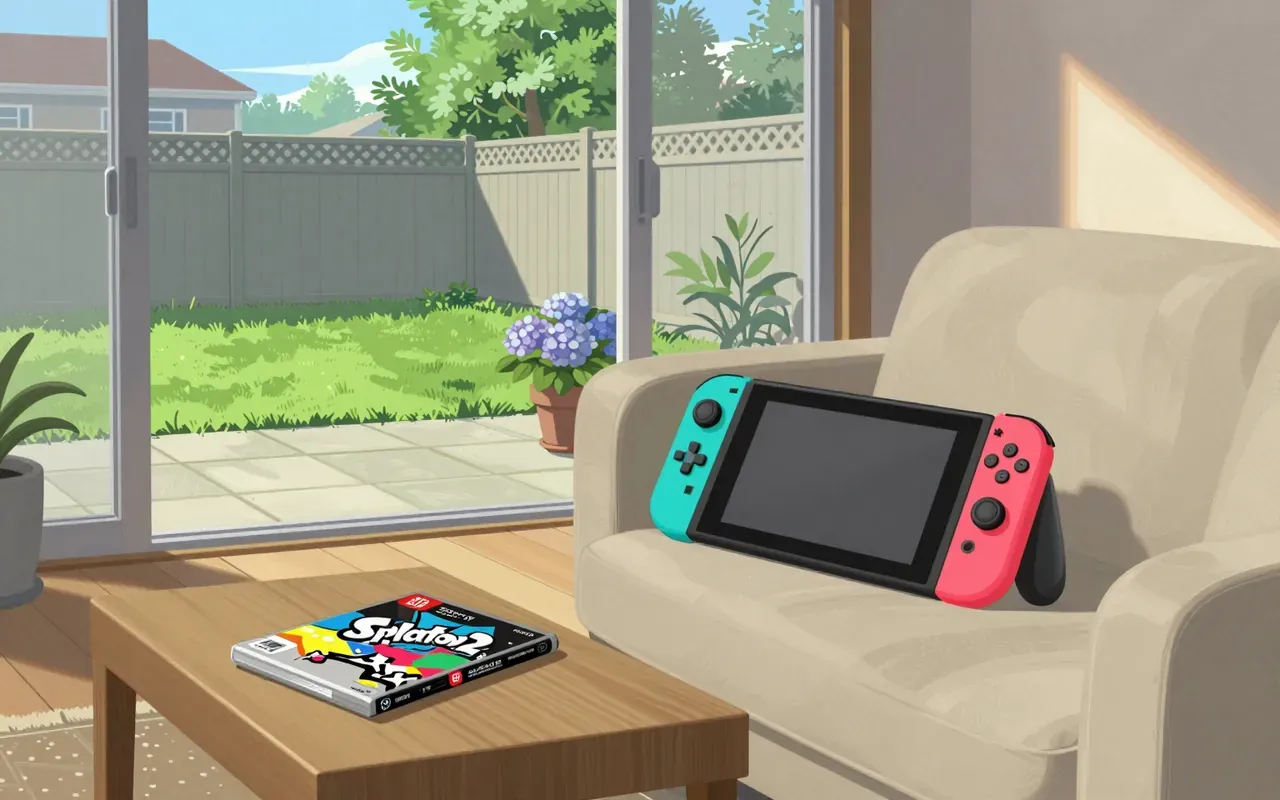
Splatoon 2 is a Nintendo-published third-person shooter built around ink-based terrain control, morphing between humanoid and cephalopodic forms, with structured competitive and co-op modes.

9:10

Super Smash Bros. Ultimate

Nintendo · 2018

Super Smash Bros. Ultimate is a platform fighter for up to eight players. It belongs to Nintendo’s Super Smash Bros. franchise. It uses a percentage-based knockback system, three victory conditions, toggleable Final Smashes, random items including Poké Balls and Assist Trophies, and stage variants with adjustable hazards. Players can save custom rule presets. It includes Spirits and World of Light as core single-player systems.

9:43

The Outer Worlds

Obsidian Entertainment · 2019

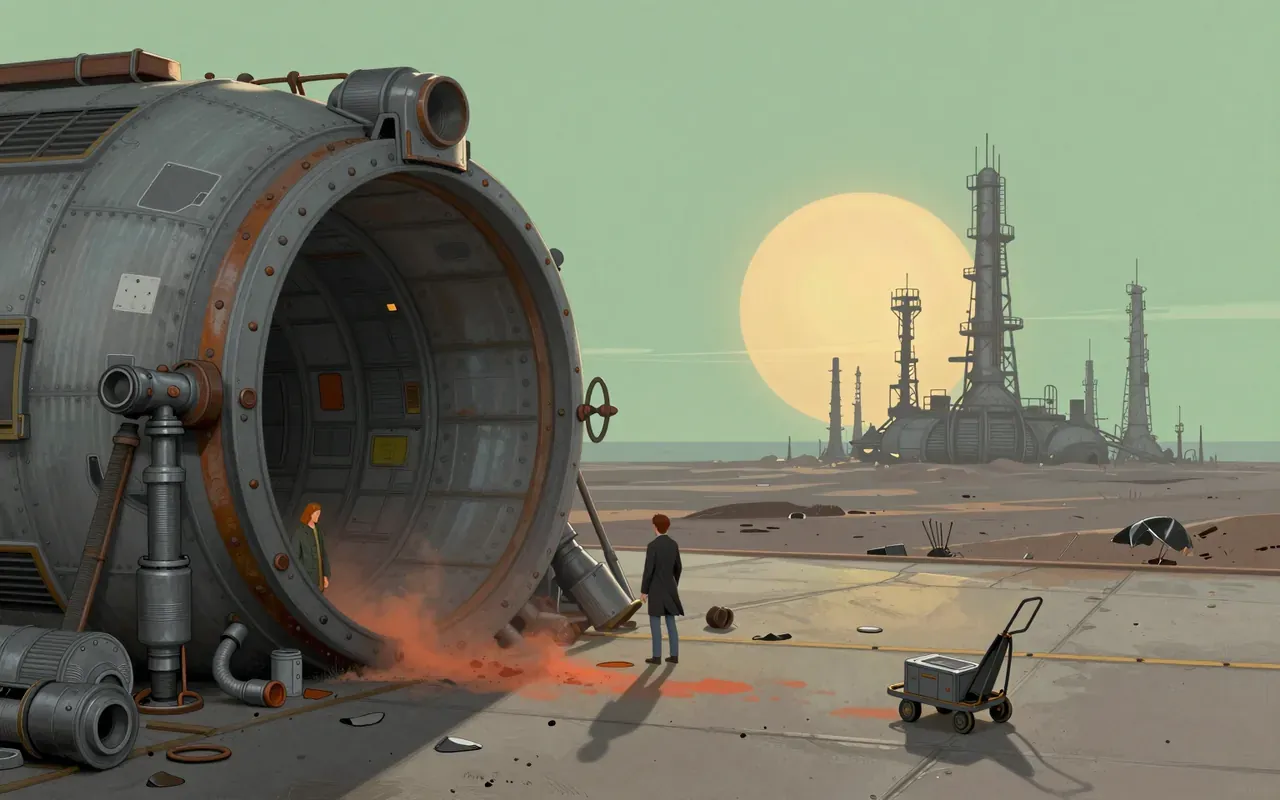
The Outer Worlds is a first-person action RPG where player agency is enforced by rigid, upfront stat choices — not narrative illusion. It runs on Windows, PS4, and Xbox One. Its world is built on corporate terraforming, not starship dogfights. Every dialogue option, inventory slot, and stealth path is earned, not granted.

11:44

Tony Hawk's Pro Skater 3

Neversoft · 2001

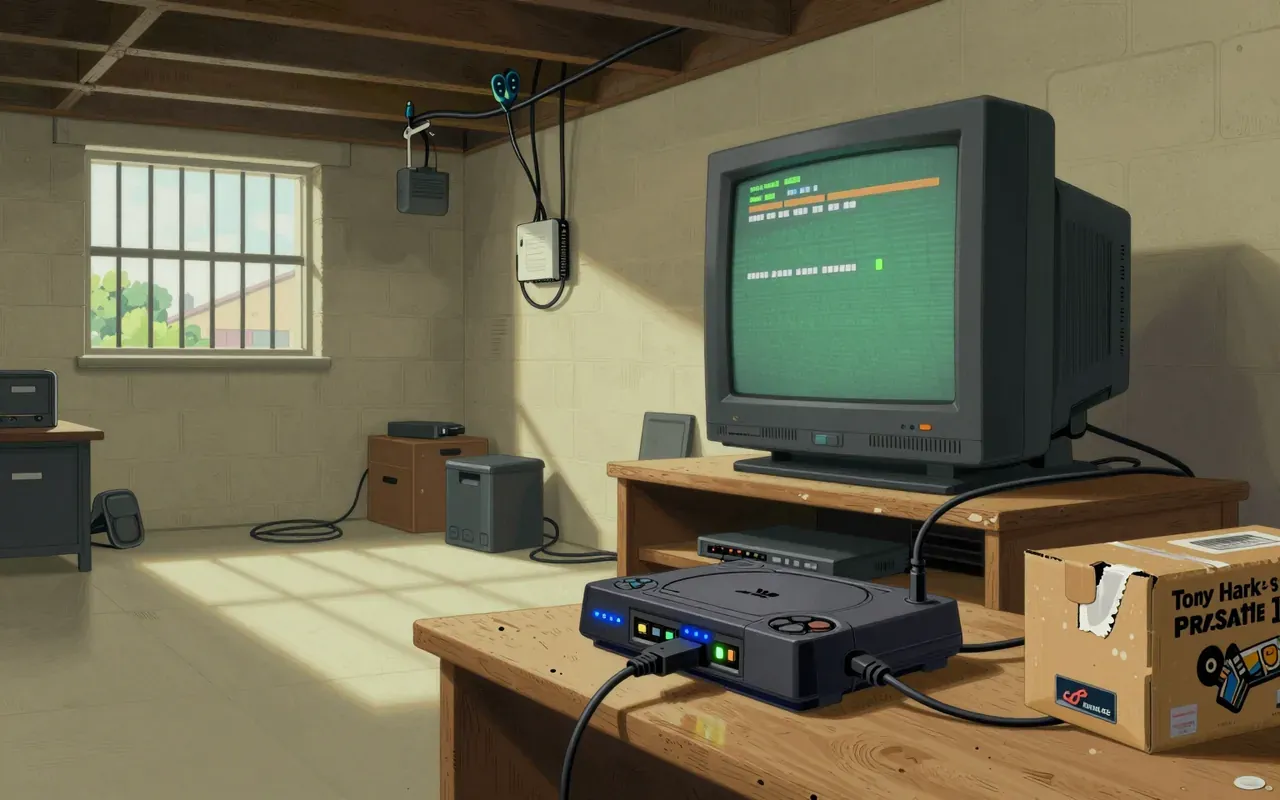
Tony Hawk's Pro Skater 3 is the pivot point where the series’ combo grammar expanded and online play entered—raw, hardware-bound, and version-dependent.

7:42

Torchlight

Runic Games · 2009

Torchlight is a single-player action role-playing game released for Windows on October 27, 2009. It was developed by Runic Games and published by Perfect World Entertainment and Encore, Inc. The game is set in the fictional town of Torchlight and the caverns and dungeons nearby. Players control a lone hero who explores randomized dungeons built from hand-designed modular chunks. Combat is point-and-click on PC. The loop is clear: descend, kill monsters in large groups, collect loot, return to the single town hub to sell, buy, and accept quests. Quests drive progression through unique boss battles. Side and random quests offer optional detours. The modular chunk system creates dungeons with intention—not randomness for its own sake. Levers open secret doors. Bridges move. Rooms connect meaningfully. The isometric-like overhead perspective gives spatial clarity. Loot drops frequently and visibly. The town hub is lean: one place to sell, buy, and take quests—no filler. It does not support co-op or multiplayer. It offers no character customisation beyond class choice. There is no endgame beyond completing the main questline and replaying with new classes. The town hub is static and unchanging. No lore depth or worldbuilding beyond functional exposition.

11:16

TrackMania

Nadeo · 2003

TrackMania (2003) by Nadeo is a racing game built around player-authored tracks, checkpoint-driven time trials, and non-interactive concurrent multiplayer. It prioritises iterative lap refinement over narrative, shared space over shared stakes, and file-based exchange (.gbx) over centralised distribution. Its design assumes a player who wants to build, break, and rebuild a single corner until it yields perfection—and who finds satisfaction in that loop alone.

10:07

TrackMania Nations

Nadeo · 2006

TrackMania Nations is a deliberately constrained 2006 arcade racer. It removes collision, car choice, and environmental variety to focus entirely on solo time-attack precision. Its loop is simple: run, fail, restart, refine. It asks for repetition, spatial memory, and fine motor control — nothing more, nothing less.

10:30

Wipeout 2097

Psygnosis · 1996

Wipeout 2097 is a PlayStation-era anti-gravity racing game developed by Psygnosis using the console as primary reference hardware in preparation for its September 1995 Western launch. Players race against AI opponents, aiming to finish in the highest position possible. Vehicles travel at high speeds and require air-brakes for cornering. A weapons system lets players eliminate opponents mid-race. Each vehicle has a shield energy quota; depletion from weapons or impacts destroys the craft. Destroyed ships can be recharged at pit stops at the cost of race time. The Quake Disruptor creates a wave effect that launches opponents into the air. Difficulty escalates across three classes — Vector, Venom, Rapier — each with higher speeds and more complex tracks.

8:30

Yoshi's Story

Nintendo · 1997

Yoshi's Story is a Nintendo platform game released in 1997, built around two modes—Story and Trial—with a pop-up storybook aesthetic and pre-rendered 3D graphics.

10:08

13 Sentinels: Aegis Rim

Vanillaware · 2019

13 Sentinels: Aegis Rim is a science fiction-themed PS4 game set in the 1980s, combining mecha with a shōjo manga aesthetic. It is a genre-mixing narrative engine built around three interlocking modes—Remembrance, Destruction, and Analysis—and structured by persistent keywords, timeline-jumping, and daily rewinds.

10:16

Advance Wars

Intelligent Systems · 2001

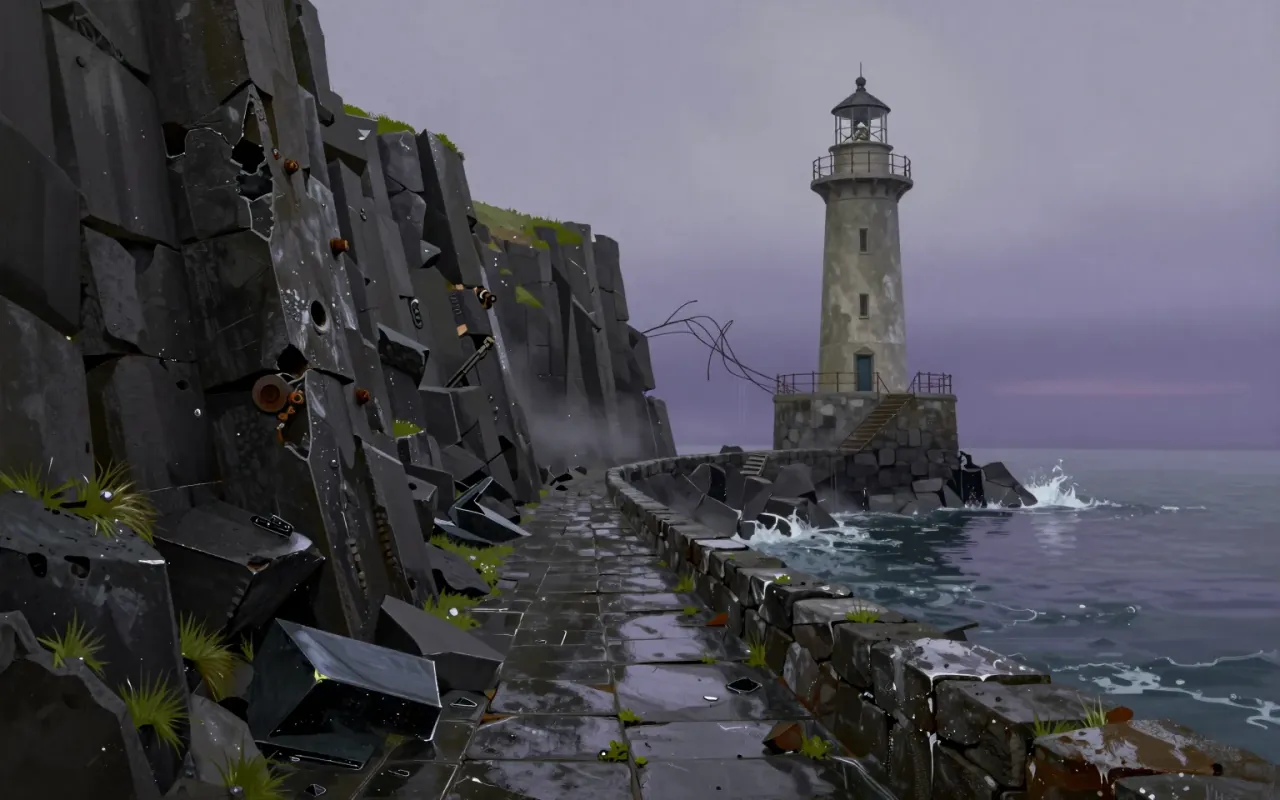
Advance Wars is a deterministic, grid-based strategy game where victory is defined by elimination or capture — never story, never spectacle. Its rules are tight, its feedback immediate, its constraints absolute. It runs on the Game Boy Advance. It was made by Intelligent Systems. It came out in 2001.
10:18

Advance Wars: Days of Ruin

Intelligent Systems · 2008

Advance Wars: Days of Ruin is a 2008 turn-based strategy game developed by Intelligent Systems for the Nintendo DS. It departs from earlier entries with a darker tone, toned-down CO powers, no Tag powers, and new units and terrain effects. Players command military forces on grid-based maps to defeat enemies by destroying all units or capturing their headquarters. Fog of war, weather, and terrain shape tactics. The campaign contains 26 story-driven missions. Multiplayer supports local hot-seat and online play via Nintendo Wi-Fi Connection.

10:46

AEW Fight Forever

Yuke's · 2023

AEW Fight Forever is a deliberate step back: a wrestling game that abandons simulation for swing, realism for rhythm, and scale for structure. It works because its constraints are clear and consistent—not despite them.

9:32

Age of Empires II

Ensemble Studios · 1999

Age of Empires II is a real-time strategy game developed by Ensemble Studios in 1999, running on the Genie Game Engine. It is the second title in the original Age of Empires series. Players advance one of 13 civilizations through four historical Ages to build towns, gather resources, create armies, and defeat opponents.

10:21

AI: The Somnium Files

Spike Chunsoft · 2019

AI: The Somnium Files is a branching adventure game developed by Spike Chunsoft in 2019. It alternates between first-person investigation and timed third-person dream exploration ('Somnium'). Players use an AI assistant named Aiba to analyse scenes and augment vision. Progress requires completing multiple routes via a flowchart, with each route withholding key narrative information until all are finished.

9:58

Apex Legends

Respawn Entertainment · 2019

Apex Legends is a squad-first, ping-driven, live-service hero shooter that prioritises coordinated entry, rapid adaptation, and long-term commitment over solo expression or narrative resolution.

10:24

Beat Saber

Beat Games · 2018

Beat Saber is a virtual reality rhythm game developed by Beat Games in 2018.

9:42

Bejeweled Blitz

PopCap Games · 2010

A high-speed, one-minute match-three game that trades contemplation for velocity — and rewards relentless, real-time decision-making.

9:09

Blade & Soul

NCSoft · 2012

Blade & Soul is a Wuxia-themed MMORPG developed and published by NCSoft. Launched in June 2012, it was NCSoft’s first MMORPG since Aion in 2008. It features open-world exploration, real-time combo-based combat, four folklore-inspired races, and extensive character customisation.

10:53

Borderlands 2

Gearbox Software · 2012

Borderlands 2 is a shooter built around loot as feedback, class skills as rhythm, and repetition as reward. Its design commits to systems over spectacle—and it works.

9:08

Bulletstorm

People Can Fly · 2011

Bulletstorm is a first-person shooter built around one idea: make killing absurdly creative, then reward it instantly. Its design forces constant verticality, slow-motion decision-making, and weapon-specific improvisation. It has no narrative weight, no competitive layer, and no ambition beyond its loop. It succeeds precisely where it narrows its focus—and fails where it tries to widen it.

9:57

Burnout 3: Takedown

Criterion Games · 2004

Burnout 3: Takedown is a 2004 arcade racing game developed by Criterion Games and published by Electronic Arts and Acclaim Entertainment. It is the third instalment in the Burnout series, defined by fast-paced arcade racing. Its central innovation is the Takedown mechanic: slamming opponents until they crash, which fills and extends the boost meter. Boost is earned through risky driving—including drifting, near misses with traffic, and driving in oncoming lanes—and used to rapidly increase speed. Standard circuit races take place on carriageways and city streets populated with traffic. Single Race mode pits the player against five AI opponents in a single or multiple lap race. Crash mode involves causing monetary damage in multi-vehicle pileups at junctions, featuring Crashbreakers and power-ups like Heartbreaker. Impact Time—a slow-motion state triggered by crashes—enables Aftertouch, letting players steer wrecked chassis into rivals. The game runs at 60 fps during driving for responsiveness, dropping to 30 fps during crashes to render more particles and debris.

9:51

Burnout Paradise

Criterion Games · 2008

Burnout Paradise is a racing game where the city is the only level, the car is the only tool, and crashing is the only score.

9:09

Counter-Strike 2

Valve · 2023

Counter-Strike 2 refines rather than reimagines. Its strength lies in constraint: fixed teams, no respawns, round-based economy, and mechanical precision. It asks for commitment to a narrow, high-stakes loop — and gives nothing back to players who stray from it.

10:08

Counter-Strike: Global Offensive

Valve · 2012

Counter-Strike: Global Offensive is a team-based, round-driven, economy-focused multiplayer shooter where asymmetry, recoil control, and mode-specific rules define every session.

9:56

Crysis 2

Crytek · 2011

Crysis 2 is a first-person shooter developed by Crytek and released in March 2011. It is a direct sequel to Crysis. It casts you as Force Recon Marine Alcatraz in an evacuated, war-torn New York City—the 'urban jungle'.

10:06

Dark Age of Camelot

Mythic Entertainment · 2001

Dark Age of Camelot is the first MMORPG built explicitly around persistent, three-faction realm versus realm warfare. Its design enforces rigid class roles, prioritises RvR balance over cross-realm equivalence, and delivers action through customisable Quickbars—not adaptive AI or dynamic systems. It runs on Linux servers handling ~4,000 players per world, constrained by a 10 kbit/s per-player data stream. It is Mythic Entertainment's first MMORPG and the game for which the studio is best known.

10:48

Deathloop

Arkane Studios · 2021

Deathloop is a first-person shooter built around a deterministic time-loop puzzle. Players control Colt Vahn, who must kill eight Visionaries before midnight to break the loop. Time advances only when moving between Blackreef’s four districts. NPC routines and environmental access shift with time-of-day. Actions in one district affect others. There is exactly one valid kill order. Every failure resets progress.

10:08

Destiny 2

Bungie · 2017

Destiny 2 is a free-to-play online first-person shooter developed by Bungie, released in 2017. It features a shared-world environment with role-playing elements. Activities are divided between PvE (story missions, three-player strikes, dungeons, six-player raids, free-roam patrol with public events, and exploration-focused activities featuring NPCs outside social spaces) and PvP (objective-based and deathmatch modes). Players embody Guardians wielding Light—and later Darkness—to defend Earth’s last city against alien threats. It runs on the Tiger Engine, uses Bungie.net for player statistics and account management, and supports companion mobile apps for news, inventory, and group finding.

9:47

Diablo II

Blizzard · 2000

Diablo II is a rigid, act-locked RPG where procedural generation serves narrative containment — not freedom. Its power lies in enforced repetition across escalating difficulty tiers, each demanding full completion before unlocking the next. It asks for time, patience, and tolerance for systemic friction. It gives back loot, clarity, and a sense of earned scale — nothing more, nothing less.

10:22

Diablo III

Blizzard · 2012

Diablo III is a 2012 action RPG built around loot-driven progression, real-time isometric combat, and mandatory online connectivity. Its systems prioritise frequency and clarity of reward over narrative or environmental storytelling. The game’s design enforces repetition, not reflection.

8:41

Diablo IV

Blizzard · 2023

Diablo IV is an online-only ARPG where eight classes fight themed enemy families in an open world punctuated by procedurally generated dungeons. Combat effectiveness is determined by attributes and gear. Loot acquisition drives progression. Player versus player combat exists. There is no offline mode.

9:52

Digimon World

Bandai · 1999

Digimon World is a PlayStation RPG where raising a single Digimon — through feeding, training, resting, and bathroom use — determines its evolution, intelligence, and battle effectiveness. Poor care locks players into Numemon, a weak Champion form. Battles restore order to File City by recruiting feral Digimon. When the Digimon ages out, it reverts to an egg — forcing a full restart.

8:50

Diner Dash

PlayFirst · 2003

Diner Dash is a time-management game where players direct Flo to complete restaurant service tasks under increasing time and mood constraints.

9:10

Dirt Rally

Codemasters · 2015

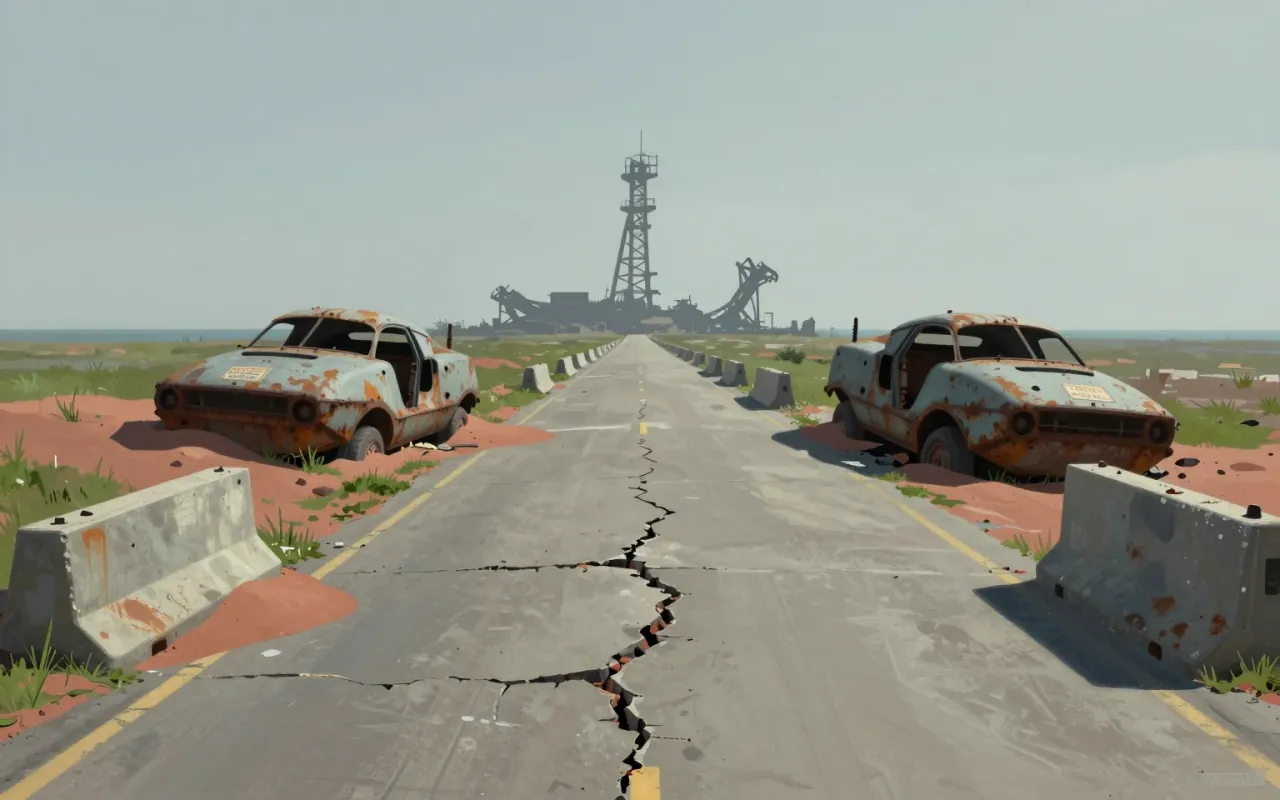
Dirt Rally is a focused, unforgiving rally simulation that replaces spectacle with consequence. It demands repetition, observation, and adaptation—not reflexes or narrative. Its strength is in its specificity: real locations, real cars, real weather, real penalties. Its limit is in what it refuses to offer: accessibility, explanation, or compromise.
9:11

Dishonored 2

Arkane Studios · 2016

Dishonored 2 is a first-person action-adventure with stealth elements, developed by Arkane Lyon and published by Bethesda Softworks in November 2016. It runs on the proprietary Void Engine. Players choose between Emily Kaldwin or Corvo Attano, each with distinct supernatural abilities — all optional.

10:02

Dishonored: Death of the Outsider

Arkane Studios · 2017

Dishonored: Death of the Outsider is a first-person action-adventure game developed by Arkane Studios in Lyon. It is a standalone expansion concluding the Kaldwin-era arc of the Dishonored series. Players assume the role of Billie Lurk and use conventional weapons, gadgets—including a wrist-mounted crossbow, land mines, grenades, and a new hook mine—and fully unlocked supernatural abilities such as Displace and Semblance. Energy for powers regenerates automatically, eliminating consumables. The Chaos system is removed, and optional Contracts serve as side missions.

9:06

Donkey Kong Country

Rare · 1994

Donkey Kong Country is a side-scrolling platform game where players control Donkey and Diddy Kong across 40 levels accessed via a world map. Gameplay involves jumping between platforms, avoiding obstacles, swapping between characters with distinct abilities (Donkey: stronger, terrain-slap; Diddy: faster, more agile), defeating enemies through jumping, rolling, or throwing barrels, and completing boss fights at the end of each area. The game features collectibles, animal buddies with special abilities, bonus stages, and multiplayer modes.

9:39

Donkey Kong Country 2

Rare · 1995

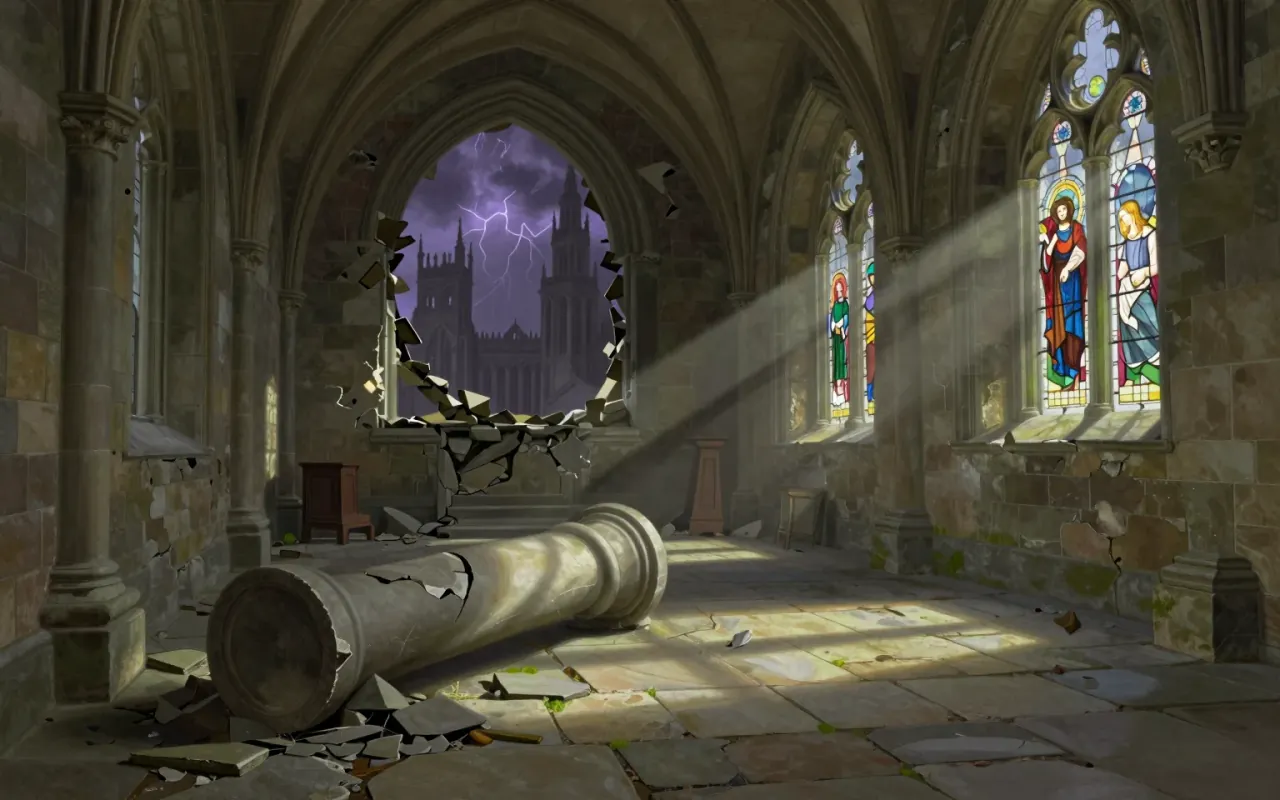
Donkey Kong Country 2 is a tightly wound 2D platformer where asymmetrical character abilities, mandatory boss gates, and zero-tolerance checkpointing define its rhythm. It teaches through repetition, punishes hesitation, and refuses to separate movement from consequence.
11:06

Donkey Kong Country 3

Rare · 1996

Donkey Kong Country 3 is a 1996 platform game by Rare where Dixie Kong and Kiddy Kong navigate 48 levels across 8 worlds using dual-character switching, vehicle-based overworld traversal, and direct animal friend control.

9:59

Doom 64

Midway · 1997

Doom 64 is a first-person shooter for the Nintendo 64 developed and published by Midway Games. Its gameplay follows the established Doom formula: players advance through 28 story levels and 4 secret levels by battling demons, collecting weapons and keys, and activating switches to reach each level's exit while surviving deadly ambushes and traps. The game uses a customized version of the Doom engine enabling new level geometry and dynamic colored lighting, and features unique visual assets including redesigned weapons and monsters. All weapons from Doom II return with new sprites and sound effects, plus a new weapon—the Unmaker—which uses hitscan but appears projectile-based and can be upgraded via three ancient artifacts scattered across levels. Most enemies from Doom and Doom II appear with similar behavior and attributes, though some—including the revenant, arch-vile, spiderdemon, and 'heavy weapon dude'—are omitted, and one new enemy—the nightmare imp—is added. A unique final boss, the Mother Demon, appears. The game’s narrative follows the Doom Marine returning alone to exterminate resurrected demons in quarantined UAC installations, culminating in his permanent self-exile in Hell after defeating the Mother Demon.

9:50

Doom Eternal

id Software · 2020

Doom Eternal is a first-person shooter where players control the Doom Slayer to battle demonic forces of Hell. Combat is fast-paced and requires constant movement. Players must manage health, armor, and ammo — restoring health via Glory Kills after staggering enemies, refilling armor by igniting enemies with a flamethrower, and obtaining ammo by using the chainsaw on enemies (except for BFG and Crucible Blade ammo and charges, which are only available in combat arenas). Glory Kills recharge the Blood Punch melee attack, which destroys enemy armor. The Destructible Demons system causes enemies' bodies to deteriorate progressively as they take damage. The Slayer is highly agile, capable of double-jumping, wall-climbing, and using an omnidirectional dash to evade enemies.

10:06

EA Sports FC 25

EA Sports · 2024

EA Sports FC 25 is a football simulation game released on 27 September 2024. It introduces FC Rush, a fast-paced 5v5 mode on a smaller pitch, and expands Career Mode with deeper managerial systems. It is the second EA Sports FC title and the 32nd in EA’s football simulation lineage. Pre-ordering the Ultimate Edition granted early access from 20 September 2024. It inherits over 300 league and team licensing deals and was developed by EA Vancouver and/or EA Orlando.

10:40

The Elder Scrolls Online

ZeniMax Online · 2014

The Elder Scrolls Online is a persistent-world MMORPG set in Tamriel during the Second Era, developed by ZeniMax Online Studios and released in 2014. It supports solo and group play online only, with non-linear exploration, questing, and random events. Ten races and seven classes are available; vampirism and lycanthropy are accessible without purchase as of Update 49. The Imperial race remains locked behind a Crown Store purchase. Some zones require DLC. First- or third-person perspective is selectable. All zones are accessible regardless of faction or level.

10:31

Elite Dangerous

Frontier Developments · 2014

Elite Dangerous is a persistent-galaxy space sim built on scale, synchronicity, and player-driven consequence. It offers unparalleled scope but minimal scaffolding. Its ambition is structural, not narrative. Its cost is time, not money.

10:24

Enemy Territory: Quake Wars

Splash Damage · 2007

Enemy Territory: Quake Wars is a class-based, objective-focused, team-oriented multiplayer FPS set in the Quake universe. Developed by Splash Damage and released in 2007, it uses a heavily modified id Tech 4 engine and introduces vehicles — a first for the Quake series. Teams are asymmetrical (human GDF and alien Strogg), yet share the same basic weapons and tools. Gameplay focuses on one or two main objectives at a time, not spread across the map. New objectives appear dynamically during play, often tied to class-specific capabilities. Players can form fireteams — user-created or game-generated — to coordinate strategy. An XP-based progression system rewards mission completion, resetting per campaign.

10:47

EverQuest

Verant Interactive · 1999

EverQuest is a foundational 3D MMORPG that demands group reliance, punishes solo risk, and treats servers as persistent social spaces — not content delivery platforms.

9:05

EverQuest II

Sony Online Entertainment · 2004

EverQuest II is a 3D fantasy MMORPG for Windows PCs, released by Sony Online Entertainment on November 9, 2004. It is a sequel set hundreds of years after the original EverQuest, following the same strategy: persistent world, experience-based leveling, guild-driven advancement, and a robust tradeskill system that lets players craft spells, potions, armor, and more. It shifted to free-to-play on December 6, 2011, with optional subscriptions. Its core loop demands sustained group coordination, gear acquisition, and long-term social investment—making it viable only for players who treat MMOs as infrastructure, not entertainment.

9:42

Excitebike

Nintendo · 1984

Excitebike is a tightly wound physics puzzle disguised as a motocross racer. Its loop is simple: accelerate, jump, land, repeat—until your timing is flawless. It asks for patience, precision, and tolerance for abrupt failure. It gives back immediate feedback, clear rules, and rare creative agency via its track editor. It withholds story, scalability, and forgiveness. It is not nostalgic fluff. It is functional design—brutal, specific, and still sharp.

9:27

F-Zero GX

Nintendo · 2003

F-Zero GX is a high-speed futuristic racing game built around track memorisation, reflexes, and precise vehicle control. It retains core mechanics from F-Zero X but expands them with customizable machines, energy-based boosting and damage, dynamic track elements (dash/jump plates, obstacles), and advanced cornering techniques like drifting and snaking. Its structure includes Grand Prix, Story, Time Attack, and multiplayer modes, all governed by energy management, vehicle tuning, and escalating difficulty. The game was developed by Amusement Vision and published by Nintendo for the GameCube.

10:32

Far Cry 2

Ubisoft Montreal · 2008

Far Cry 2 is a systemic shooter where every choice carries weight—and every weight pulls you deeper into the war’s inertia.

12:52

Far Cry 3

Ubisoft Montreal · 2012

Far Cry 3 is a first-person shooter set on a pirate- and mercenary-controlled tropical archipelago. Ubisoft Montreal developed it in 2012 using the Dunia engine, building on its work with Far Cry 2.

10:44

Far Cry 4

Ubisoft Montreal · 2014

Far Cry 4 is a polished, iterative open-world shooter that prioritises environmental spectacle and weapon-led combat over narrative weight or systemic innovation. It works best when treated as a tactical sandbox — not a story world.

9:55

Far Cry 5

Ubisoft Montreal · 2018

Far Cry 5 is a first-person shooter developed by Ubisoft Montreal and released in 2018. It runs on the Dunia engine. Players explore Hope County freely on foot or by vehicle. They customise their silent protagonist, engage in ranged and melee combat, and use a ballistics system with bullet drop. Progression is region-based: most of the world opens after the intro, and Resistance Points earned through actions trigger story events.

8:39

Far Cry 6

Ubisoft Montreal · 2021

Far Cry 6 is a first-person shooter set on the fictional Caribbean island of Yara, where the player assumes the role of Dani Rojas, a guerrilla fighter attempting to topple the dictatorship of Antón Castillo.

10:06

Fate/Stay Night

Type-Moon · 2004

Fate/Stay Night is a foundational Japanese visual novel that prioritises narrative architecture over interactivity. Its design demands rereading, rewards attention to subtext, and refuses to collapse its three routes into a single coherent whole — making it a deliberate, demanding, and historically significant text-based experience.

12:01

Final Fantasy XIV: Endwalker

Square Enix · 2021

Endwalker delivers narrative closure and mechanical polish—but only to those already inside Final Fantasy XIV’s walls.

10:10

Fire Emblem Awakening

Intelligent Systems · 2012

Fire Emblem Awakening is a tactical RPG for Nintendo 3DS where grid-based combat, relationship-building, and permadeath choices define every session. It launched as the series’ make-or-break title — and succeeded by selling 400,000 units in Japan within its first year.

8:10

Fire Emblem: The Blazing Blade

Intelligent Systems · 2003

Fire Emblem: The Blazing Blade is a tactical RPG where permanent death, class-based roles, and square-grid combat define every choice. It asks players to weigh risk against reward, memorise ranges, and accept loss as instruction—not failure.

10:14

Fire Emblem: Three Houses

Intelligent Systems · 2019

Fire Emblem: Three Houses is a tactical RPG released in 2019 by Intelligent Systems in partnership with Koei Tecmo. Intelligent Systems provided the main plot, game system, and mechanics; Koei Tecmo handled the bulk of the programming. Players choose their character's gender and name at the start. Gameplay alternates between story-driven battles and social simulation segments at Garreg Mach Monastery—the central hub for all activities. Selecting a house determines the narrative path from that point forward. The opening half focuses on school life, then the story skips ahead five years and shifts to war, locking the player to their chosen house. Players manage a calendar with limited days to allocate to varied monastery activities—including teaching, field exercises, greenhouse planting, fishing, and free-time interactions. Relationships are built via Support actions influenced by player choices and dialogue.

9:18

Forza Horizon

Playground Games · 2012

Forza Horizon is a festival-driven open-world racer that swaps lap timing for stunt chaining, uses Colorado’s roads as its track, and runs exclusively on Xbox 360. It works because it makes aggression pay. It falters because it never deepens beyond that loop.

10:44

Forza Motorsport 7

Turn 10 Studios · 2017

Forza Motorsport 7 refines the Motorsport formula without redefining it. It delivers technical excellence and scale — but nothing structurally new.

10:14

Gran Turismo 2

Polyphony Digital · 1999

Gran Turismo 2 is a PlayStation racing simulation with two distinct modes—Arcade for instant access, Simulation for licensed progression—and nearly 650 cars across 27 tracks, including rally stages. Its brake dynamics were retuned to reduce lock-ups and oversteer. It expands on its predecessor in volume, not vision.

9:32

Gran Turismo 5

Polyphony Digital · 2010

Gran Turismo 5 is a PlayStation 3 sim racing title by Polyphony Digital that adds mechanical and external damage, real-time deformation, overturning, weather on select circuits, karting, stereoscopic-3D, and a parameter-driven course editor.

8:42

Gran Turismo 6

Polyphony Digital · 2013

Gran Turismo 6 is a PlayStation 3 racing simulation developed by Polyphony Digital. It features 30 tracks (71 layouts), 1,200 cars, variable weather and time-of-day on some tracks, a dynamic celestial sphere, adaptive tessellation rendering, and a simplified UI with faster loading. It is designed as a realistic driving simulator offering realistic driving physics.

11:08

Grim Fandango

LucasArts · 1998

Grim Fandango (1998) is LucasArts’ first 3D adventure game. It replaces UI cues with Manny Calavera’s head-turning and inventory management with coat-jacket animations. Players solve puzzles by collecting and combining objects, talking through dialogue trees, and navigating pre-rendered environments — all without death or unwinnable states. Its strengths are its writing, voice acting, soundtrack, and stylised world. Its weaknesses are stiff movement, fixed-camera disorientation, and repetitive environmental feedback. It rewards patience and attention. It resists speed and muscle memory.

10:12

Guild Wars 2

ArenaNet · 2012

Guild Wars 2 delivers responsive storytelling, dynamic world events, and skill-based combat — all without subscription fees. But its 'living world' relied on scheduled, often temporary content. Its branching narrative lives behind instanced doors. Its ambition outpaced its persistence.

10:44

Guilty Gear Strive

Arc System Works · 2021

Guilty Gear Strive is a 2D fighting game developed by Arc System Works in Yokohama. It reconstructs the franchise, removes Instant Kill, introduces Wall Break, omits mechanical explanations from its tutorial, and launches without ranked mode.

10:21

Guitar Hero II

Harmonix · 2006

Guitar Hero II tightens the original's loop with chords, practice tools, and co-op roles—but remains rigid, unadaptive, and consequence-free. It trains timing, not musicianship.

10:01

Halo 2

Bungie · 2004

Halo 2 is a first-person shooter released on November 9, 2004, by Bungie. It is a sequel to Halo: Combat Evolved. Players alternate between Master Chief and the Arbiter across a campaign structured around distinct factional perspectives and combat systems. Gameplay emphasises tactical weapon management—including dual-wielding, faction-specific ammo mechanics (overheating vs. reloading), and vehicle hijacking—within a regenerating-shield health model. Its multiplayer introduced automated matchmaking via Xbox Live playlists, prioritising accessible, skill-balanced online sessions over manual server selection.

11:28

Halo 3

Bungie · 2007

Halo 3 is a first-person shooter released on September 25, 2007, by Bungie. It is the third mainline Halo title. It features on-foot and vehicular combat, a fixed loadout system, and Forge—a real-time, budget-limited map editor for multiplayer maps.

13:26

Halo: Combat Evolved

Bungie · 2001

Halo: Combat Evolved is a foundational console FPS that redefined player agency through hardware-aware design — not open-ended freedom, but tightly scoped, controller-optimised loops of movement, shielding, and vehicle-based pacing.

7:45

Hatsune Miku: Project Diva

Sega · 2009

Hatsune Miku: Project Diva is a rhythm game where players press buttons in time with Vocaloid songs across five escalating difficulty levels. Modules — Vocaloid characters or costume variants — appear in music videos depending on song type (solo or duet), but are not controlled. Progression is strictly linear: clearing Normal unlocks Hard, and completing songs unlocks new songs. It was successful in Japan for Sega and linked to their 2010 holographic concert work. No narrative, no multiplayer, no customisation beyond module selection. It asks for timing discipline and rewards it with more timing challenges.

9:45

Heroes of Newerth

S2 Games · 2010

Heroes of Newerth is a 2010 MOBA developed by S2 Games, built on the K2 Engine, and based heavily on Defense of the Ancients. It features two factions — Legion and Hellbourne — competing to destroy the opponent’s central structure (World Tree or Sacrificial Shrine). Matches begin with a hero-picking phase designed to enforce role balance. Players progress by earning gold and experience through lane control, jungling, and killing neutral objectives like kongor and golems. Heroes fill strict functional roles (Carry, Support, Ganker, Jungler, Suicide) and are defined by primary attribute and attack type. Released for Windows, Macintosh, and Linux, it shifted to freeware in 2011 and made all heroes free for online play in 2012.

8:39

Hexen II

Raven Software · 1997

Hexen II is a 1997 first-person shooter built on a modified Quake engine. It is the second sequel in the 'Serpent Riders' trilogy. It features action-adventure and action role-playing elements.

10:35

Hitman 3

IO Interactive · 2021

Hitman 3 refines the assassination loop to its sharpest point: observe, disguise, infiltrate, eliminate. It assumes competence. It delivers density. It ends where it began — in the architecture of opportunity.

10:38

Hitman: Blood Money

IO Interactive · 2006

Hitman: Blood Money is a stealth assassination game released in May 2006. It is the fourth title in the Hitman franchise. Developed by IO Interactive and published by Eidos Interactive, it launched on Windows, PlayStation 2, Xbox, and Xbox 360. The player controls Agent 47 in third-person, navigating levels with a map that shows topography, targets, and characters. Armed guards, security checkpoints, and witnesses obstruct progress. The game penalises excessive noise and violence. New mechanics include climbing, body disposal, using NPCs as human shields, improved unarmed combat, and weapon and equipment upgrades — five weapons and some equipment can be upgraded. Missions allow multiple elimination methods, including accidental-looking kills and improvised weaponry, even in the presence of bystanders. Critics praised the game at release, and retrospectives have called it the best in the series.

10:31

Injustice: Gods Among Us

NetherRealm Studios · 2013

Injustice: Gods Among Us is a 2013 DC fighting game by NetherRealm Studios. It uses a 2.5D plane, single-round matches, two life bars, a four-button layout (including a character-specific trait), power-vs-gadget class distinctions, stage transitions triggered by corner heavy attacks, and a super meter filled by action or damage and spent on enhanced moves or counters.

8:39

Kirby Super Star

Nintendo · 1996

Kirby Super Star is a side-scrolling platformer anthology composed of seven distinct game modes and two minigames. It unifies them with Kirby’s core abilities: inhalation, copying, floating flight, guarding, and Helper-based cooperation.

8:58

Kirby's Dream Land

Nintendo · 1992

Kirby's Dream Land is a foundational Game Boy platformer defined by room-based navigation, breath-powered flight, and inhalation combat. Its design choices reflect hardware limits and deliberate pacing — not ambition to transcend them.

10:54

Left 4 Dead

Valve · 2008

Left 4 Dead is a cooperative first-person shooter released in 2008 by Valve. Players control one of four survivors navigating zombie-infested environments to reach safe areas. Its defining feature is the AI Director, which dynamically adjusts enemy spawns and item placements to ensure varied, tension-filled experiences across playthroughs. Cooperation is structurally enforced via mechanics like wall-visible teammate outlines, shared healing, mandatory revival from incapacitation, and lethal consequences for repeated failure to recover. Campaign mode includes safehouse checkpoints, crescendo events, and defensive finales, while multiple modes (Versus, Survival, Single-Player) extend replayability. The game uses the Source engine and emphasizes cinematic, film-inspired presentation and communication systems — including voice callouts and visual cues — to sustain coordinated group action.

10:38

Left 4 Dead 2

Valve · 2009

Left 4 Dead 2 is a tightly wound co-op FPS that uses procedural pacing and rigid inventory to forge intense, fleeting group cohesion — but collapses without live human coordination.

10:21

Madden NFL

EA Sports · 1988

Madden NFL (1988) is the foundational entry in EA Sports’ long-running American football simulation series. Developed by EA Orlando and published by EA Sports, it launched on Apple II and established core tenets: 11-player teams, numerical player ratings, detailed play diagrams with John Madden’s coaching commentary, and broadcast-style voice narration. Later entries expanded into Franchise Mode — a multi-season management layer involving training camp, 16-game seasons, playoffs, and the Super Bowl — though this mode remains consistently criticised. The series operates under an exclusive NFL licensing agreement extending through the 2025–2026 season.

9:21

Madden NFL 24

EA Sports · 2023

Madden NFL 24 improves on-field football with SAPIEN, Fieldsense, and 1,000+ new animations — but fractures its off-field modes across hardware generations and leaves Franchise and Superstar feeling incomplete. It is a technical upgrade with structural debt.

10:55

Mario Kart 64

Nintendo · 1997

Mario Kart 64 is a foundational local multiplayer racing game built around item-driven chaos, weight-class trade-offs, and split-screen immediacy. It asks players to react faster than they think—and to forgive the game when luck overrides skill. Its hardware constraints shaped its clarity: no HUD clutter, no camera tricks, no persistence beyond the next race.

9:18

Mario Kart Wii

Nintendo · 2008

Mario Kart Wii is a 2008 Wii racing game where 24 Mario characters race on 32 themed tracks using items to attack or boost. It supports two- to four-player local split screen and Battle Mode (balloon popping). Motion controls via the bundled Wii Wheel define its feel — intuitive but imprecise. Half the content is locked behind completion objectives. Online play ended in May 2014.

8:31

Marvel vs. Capcom: Infinite

Capcom · 2017

Marvel vs. Capcom: Infinite is a 2D tag-team fighter built around instant switching and temporary stone powers — a deliberate pivot from assist-driven complexity to combo-driven clarity.